Author: astrid
Ich habe ein Buch geschrieben, in dem man viel über Naxos, über das traditionelle Leben auf der Insel und über die jüngere Geschichte Griechenlands erfahren kann:
Es handelt sich um die Lebenserinnerungen meines Schwiegervaters Mitsos (Dimítris Mandilarás), einschließlich eines einführenden Kapitels zur Geschichte der Insel sowie mit ausführlichen Beschreibungen der traditionellen Lebensweise in den naxiotischen Bergdörfern, die die Erzählungen von Mitsos lebendig werden...
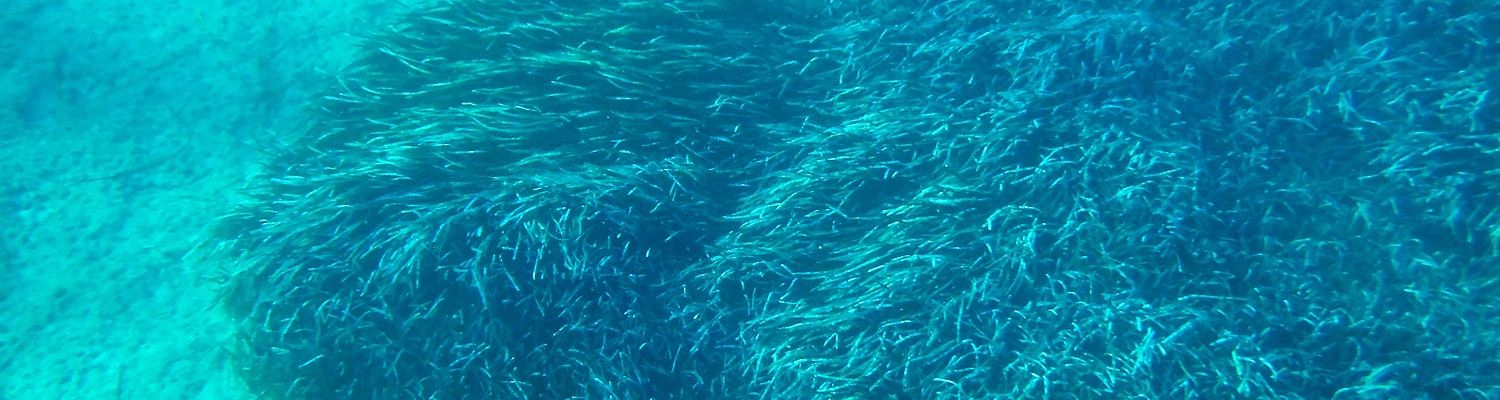
Seagrass meadows
On sandy and muddy soils in shallow coastal areas no plants can grow because the substrate is moved by the waves. The first plants appear in a depth of several meters, where the sea floor is not affected much by the waves. Seagrass species are particularly typical of these locations. These are not algae, but higher plants. Unlike algae, they have well-developed roots with which they can anchor themselves in the sand. In shallower regions of a few meters depth first appears...
The coastal "reef" of Calcareous red algae
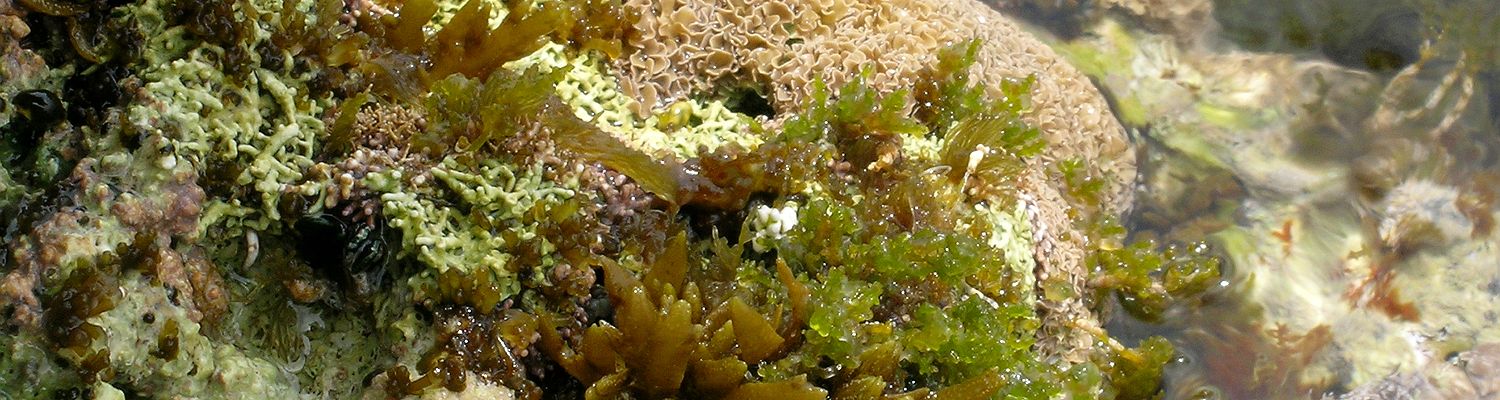
Calcareous algae often form a thick, almost reef-like layer on both slate and marble in the tidal zone (eulittoral), in places creating a wide, embankment-like ledge that is inhabited by many organisms. In our region, this “reef” is sometimes clearly visible, although it is nowhere particularly wide. The most common and important calcareous alga in our region is the crustose species Lithophyllum incrustans.
Many calcareous red algae grow in the eulittoral...
Calcareous Red algae
Some red algae deposit substantial amounts of calcium carbonate in their tissues resulting in a more or less hard thallus. These so-called calcareous algae can grow either in a crustose or a shrub-like form. They are particularly common in the intertidal zone, but also occur in deeper layers of the sea, often forming dense colonies.
Here you can skip the introduction and go directly to the species.
calcareous red algae
In the Mediterranean, calcareous alga communities...
Non-calcareous Red algae
The red algae (rhodophyta) are a particularly species-rich and diverse group of algae. They can grow at greater depths and predominate in low-light areas because their pigments are specially adapted to utilise the minimal light available in the depths (i.e. high-energy blue light). However, there are also many species of red algae in the intertidal zone.
Here you can skip the introduction and go directly to the species.
Red algae are particularly diverse in form: there...
Brown algae
Brown algae or Phaeophyta are mainly found in our area in the intertidal zone and in shallow water. They usually have a characteristic brownish colour. Brown algae include most of the more or less leaf-shaped seaweeds that often form huge forests in the oceans. In the Mediterranean these large seaweeds are less common.
Here you can skip the introduction and go directly to the species.
typical community of brown algae
Brown algae occur especially on slate and granite; on...
Green algae
Green algae are particularly common in the light-rich layers of the sea near the surface. Most species have an intense green colour (some red algae are also green). Green algae display very different growth forms. The thallus (body) can, for example, be leaf-like, turf-like or club-shaped. Some green algae are delicate and thin; they occur mainly in calm waters, where they often form large colonies.
Here you can skip the introduction and go directly to the species.
...
Marine plants (overview)
Meerespflanzen Einführung
Meerespflanzen besiedeln nur die oberen, lichtreichen (“euphotischen”) Schichten des Meeres. In klaren Gewässern können sie bis in etwa 200 Meter Tiefe vorkommen; der größte Teil der Arten ist jedoch auf wesentlich geringere Tiefen, ja oft auf die Gezeitenzone beschränkt.
dichter Algenbewuchs aus verschiedenen Arten an der Wasserlinie
A. Die Seegräser
Die zwei häufigsten Seegräser bei uns sind das Tanggras, das in sandigen Buchten...
Villages
Dörfer und Siedlungen
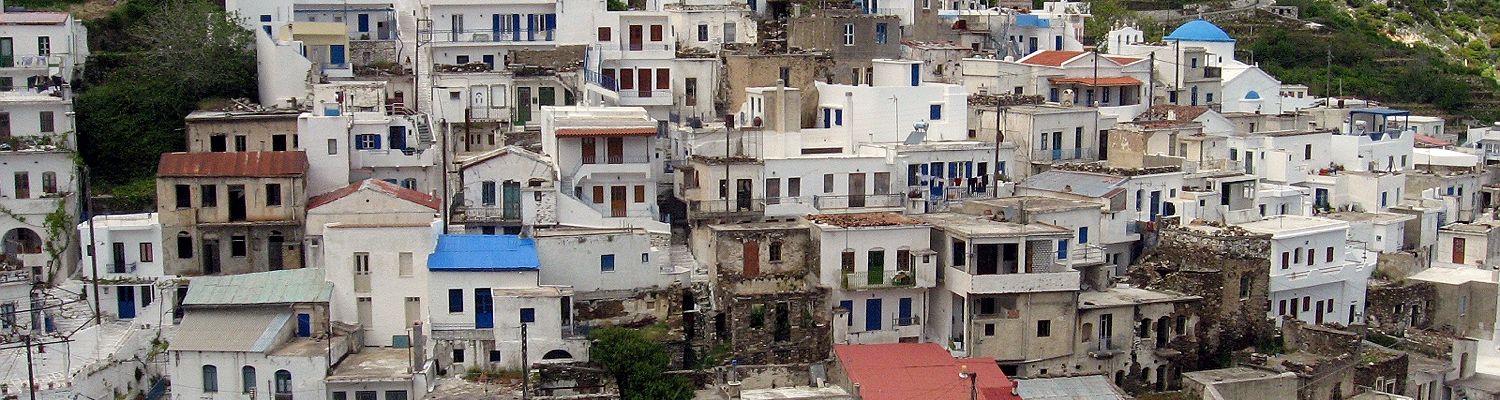
Es gibt viele größere und kleinere Dörfer auf Naxos, die alle einen Besuch wert sind. Jedes Dorf hat seinen eigenen Charakter und seinen eigenen Reiz. In allen Dörfern gibt es etwas zu besichtigen, eine Kirche, ein Museum, eine alte Ölmühle. Viele der kleineren Dörfer haben sich nur wenig verändert, seitdem die “moderne” Lebensweise Einzug gehalten hat, und in den engen Gassen scheint die Zeit stehengeblieben zu sein. Es ist auf jeden...
Apollonas - ein malerisches Hafenörtchen
Apóllonas ist ein malerischer kleiner Hafenort an der Nordspitze von Naxos, der immer einen Ausflug wert ist.
Apollonas vom Meer aus gesehen
Blick auf Apollonas mit seiner Kirche
Fischerboote im Hafen
Obwohl die zugehörige Bucht nur mäßig vor den Nordwinden geschützt ist, wird Apollonas schon seit der archaischen Zeit (etwa 700-500 v. Chr.), vielleicht schon seit der mykenischen Epoche (etwa 1500-1000 v. Chr.) als Hafen genutzt. Während der byzantinischen Epoche...
Blennies and gobies
Blennies
(Click here to go directly to the Gobies)
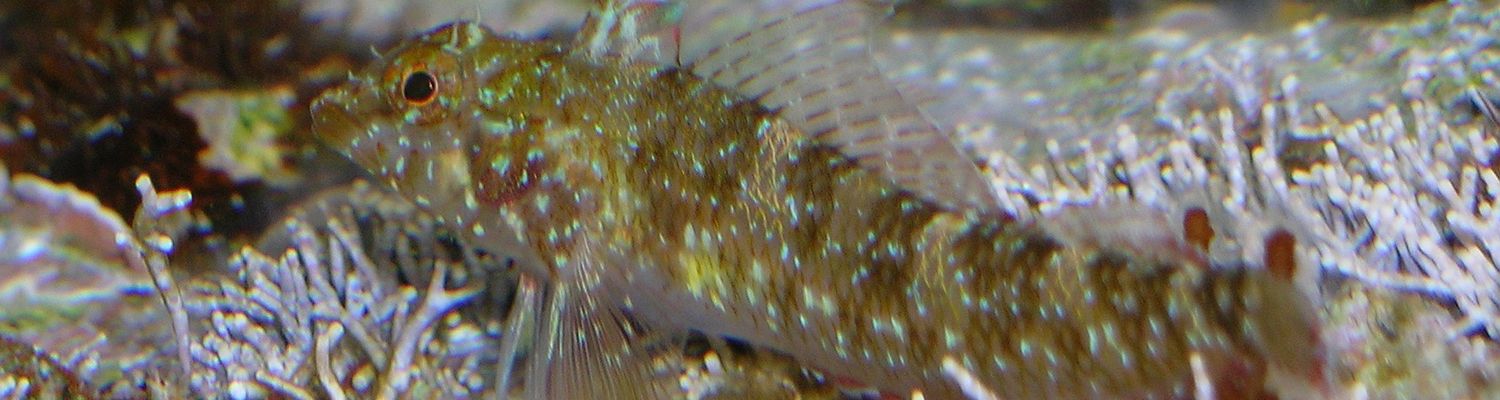
The small blennies inhabit mostly the shallow sea, usually occuring in rocky areas. They live among algae or in small crevices and holes in the rocks. They do not have a swim bladder and often sit on the substrate, supporting themselves with their strongly developed pectoral fins. They can be found close to the coast and often sit in places that are exposed in between the waves; a layer of mucus protects their skin from...
Sights and Monuments
Die Sehenswürdigkeiten von Naxos
(Hier kann man direkt zur Liste mit den weiterführenden Links ganz unten springen.)
Die Insel Naxos hat viele Sehenswürdigkeiten zu bieten. Abgesehen von den natürlichen Schönheiten gibt es viele interessante Denkmäler, Gebäude, Ruinen und Ausgrabungsstätten zu besichtigen.
Entsprechend der langen und bewegten Geschichte sind auf der Insel Überreste aus vielen verschiedenen Epochen zu finden, angefangen von der Stein- und der Bronzezeit...
Zum Herokastro bei Panormos
Wenn man von Moutsoúna aus nach Süden fährt, gelangt man in etwa 20 Minuten zur Bucht von Pánormos, die ganz im Südosten der Insel liegt. Hier endet die Straße, und es geht nur noch zu Fuß weiter. Die Bucht besitzt einen schönen Strand mit feinem Kies und Sand, der vor den sommerlichen Nordwinden gut geschützt ist.
In Pánormos ist eine kleine bronzezeitliche Akropolis auf einem niedrigen, nahe der Bucht gelegenen, nur 63 m hohen Hügel, dem Korphári ton Amygdalión, zu...
The Early Bronze age acropolis at Panormos
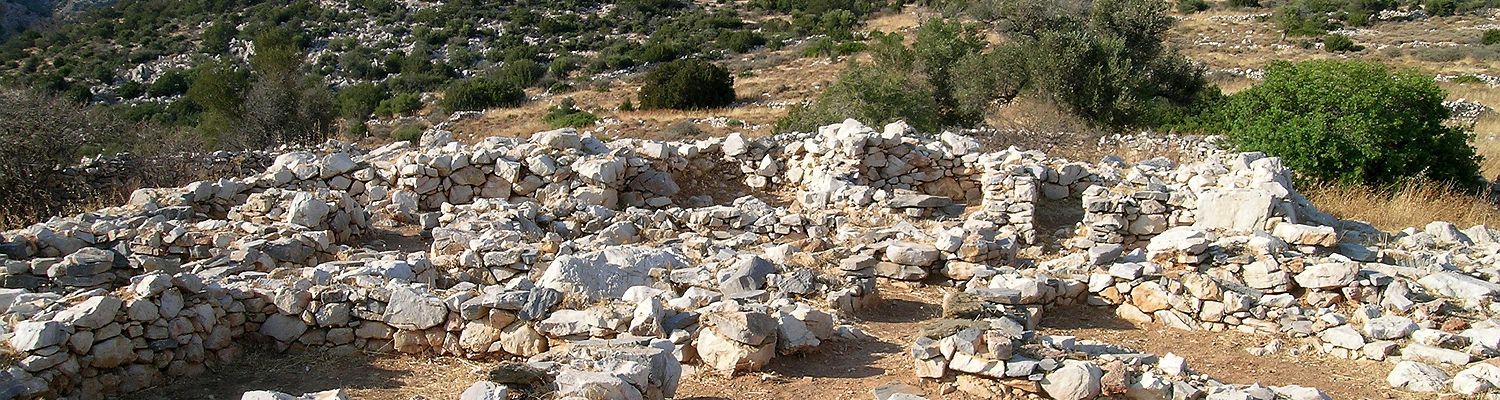
Near the bay of Pánormos at the southeastern tip of Naxos lies on a low hill called Korfári ton Amygdalión (= hill of the almond trees) a small Bronze age acropolis (= fortress). It consists of about twenty tiny rooms and is surrounded by a wall which is reinforced by small bastions. The walls of the houses and the protective wall are preserved in most places only up to about knee level. The acropolis was excavated in the 1960s by Greek archaeologists under Chr. Doumas....
Makares - uninhabited islands out of paradise
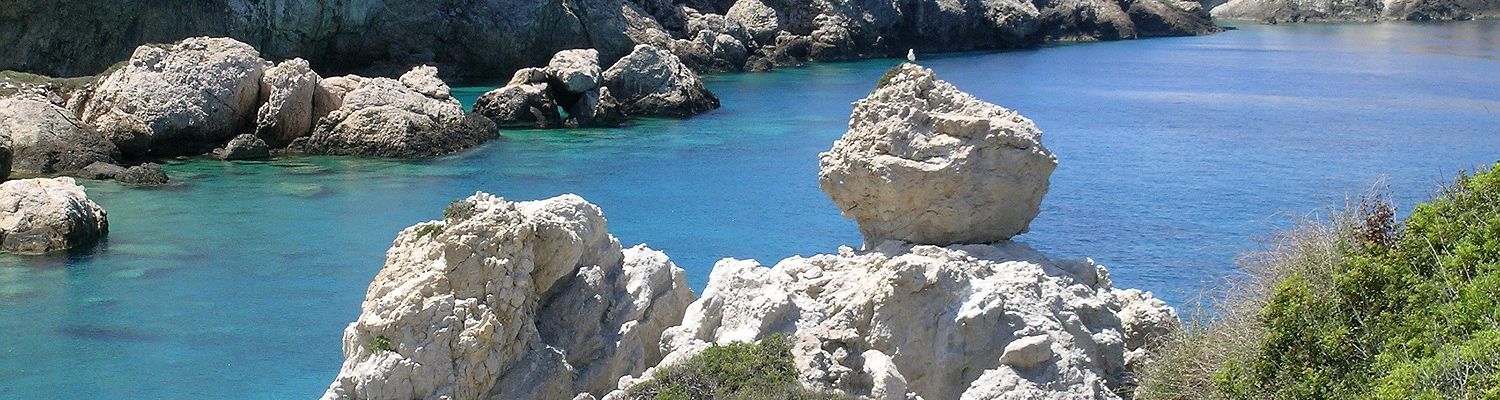
About seven kilometers off the east coast of Naxos, directly opposite Azalás, lies an uninhabited group of islands, the Mákares Islands. We see them every day, but it is something else to take a boat out on a windless day and actually go there: the islands seem to be left over pieces of paradise!
the Mákares Islands; in the background on the left the inhabited island of Donoussa
The Mákares group consists of three islands: the largest, called Ágios Nikólaos, is located in...
Auf dem Fanari 1
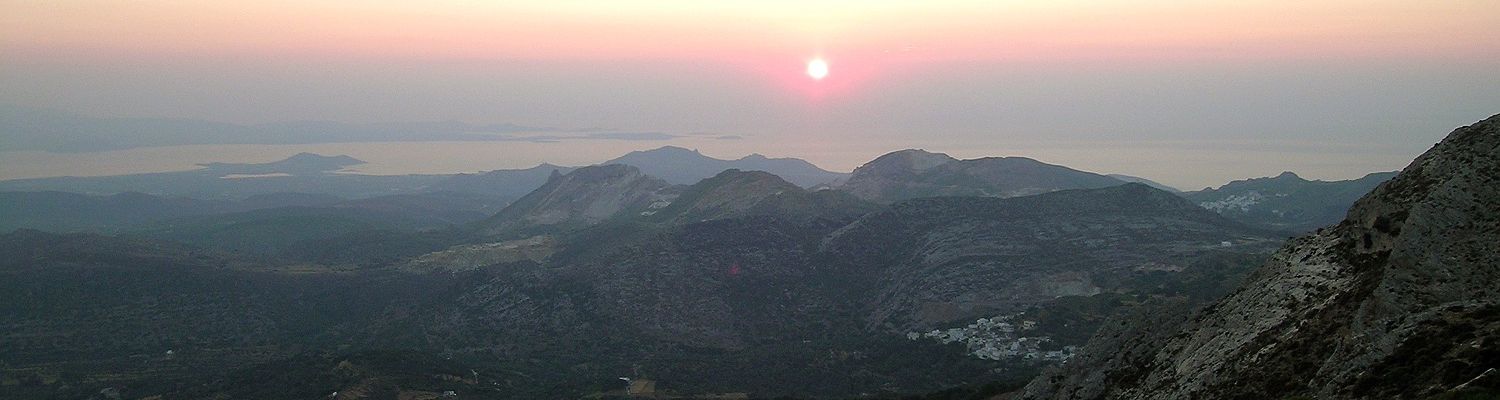
– Panorama mit Sonnenuntergang
Den Fanari, den dritthöchsten Gipfel von Naxos, kann man von Apíranthos aus in einer guten halben Stunde (eine Richtung; bei flottem Schritt) ersteigen.
Blick von der Tragaia auf den Fanári
der Gipfel des Fanári mit der kleinen Kirche der Panagía Fanariótissa von Südosten
Um auf den Fanári zu wandern, zweigt man von der Fahrstraße oberhalb des Dorfes am Wasserspeicher (großer Betontank) nach links ab und folgt dann dem alten Pfad, der...
The inscription at the ancient quarry at Apollonas
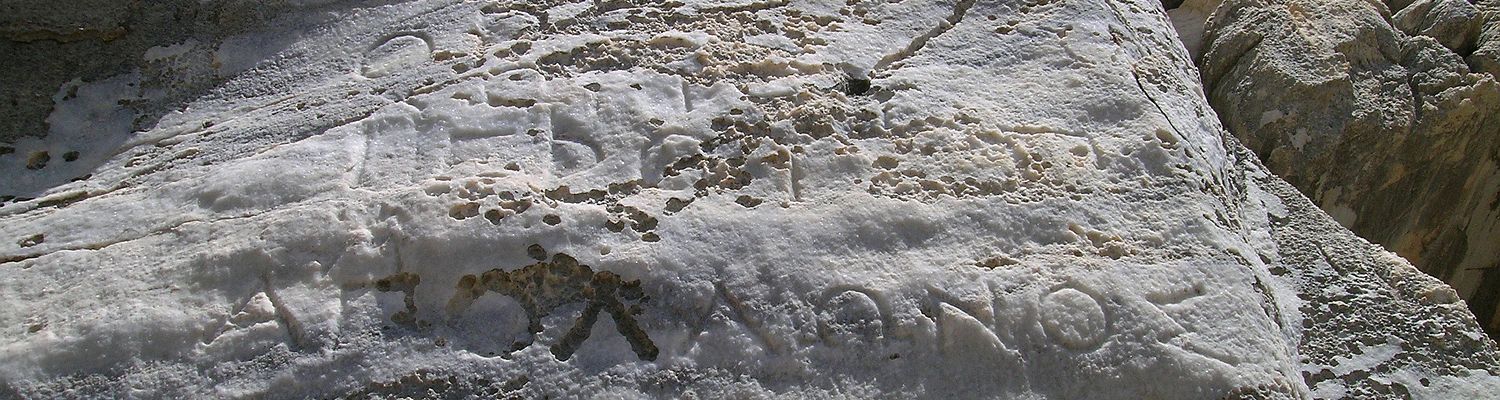
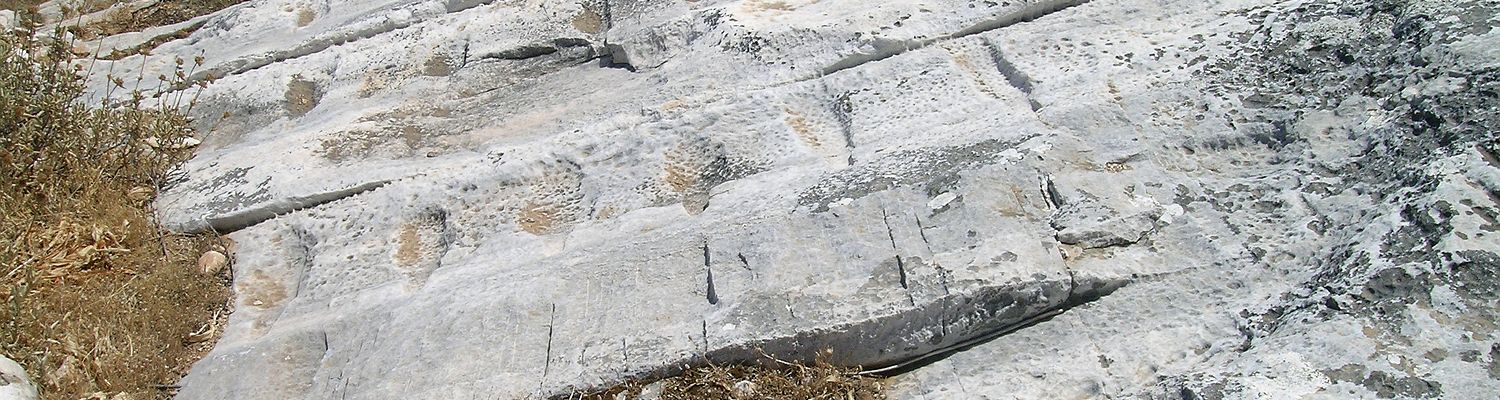
The village of Apóllonas was named after an antique inscription which lies on a marble cliff on the southern side of the hill with the ancient marble quarry in which the famous Kouros, a gigantic, unfinished marble statue, lies. The inscription reads: “OROS CHORIOU IEROU APOLLONOS” (border of the sacred district of Apollo). The whole hill with its marble quarry was thus dedicated to the god of light and the arts.
View towards Apóllonas; the hill with the...
The ancient quarry at Apollonas
Close to the small village of Apóllonas, at the northern tip of Naxos, lies the island’s main antique marble quarry. It is located on a small hill to the southwest of the village that consists of very good, white, fine-grained marble from which many statues have been made. One of these statues lies unfinished in the quarry, the gigantic Kouros.
view from the quarry towards Apóllonas
On the top of the hill on its southern side lies an ancient inscription: “OROS...
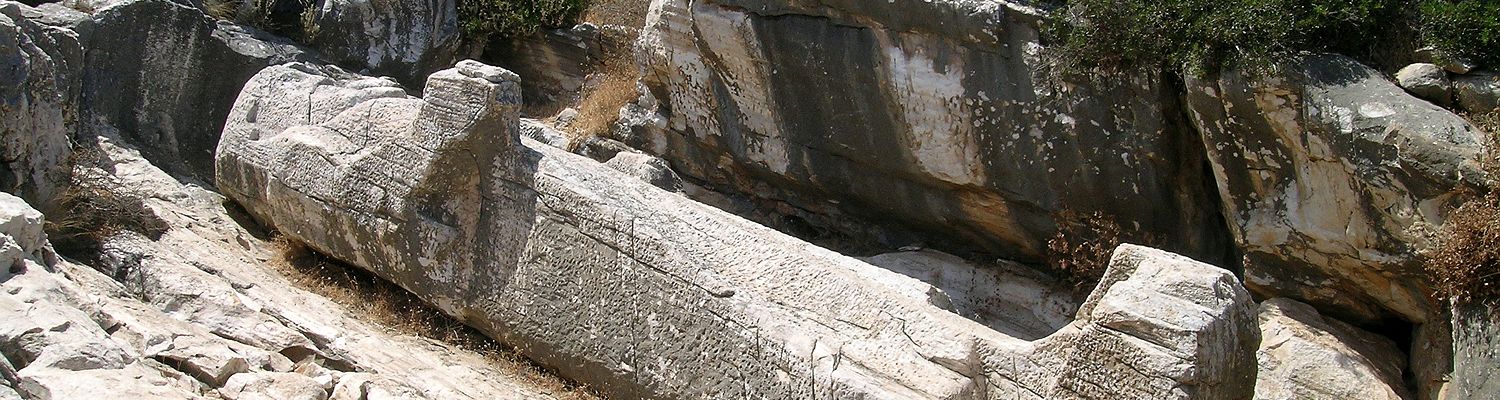
The Kouros of Apollonas
In an ancient quarry near the village Apóllonas in the north of Naxos lies a large, unfinished marble statue, the Kouros. On the whole hill many traces of the marble quarrying are still visible today, and another smaller statue lies inaccessibly in the scrub under the road.
view from the Kouros to the village of Apollonas
The ancient quarry in which the Kouros lies is one of the most important marble quarries of the early Archaic period, not only on Naxos, but also in the...
Auf dem Zeus 2
– Kleinode am Boden
Es ist naheliegend, wenn man auf dem Gipfel des Zeus steht, den Blick in die Ferne schweifen zu lassen und die Aussicht zu genießen. Es lohnt sich aber durchaus auch, einmal zu Boden zu schauen und die kleinen Schönheiten zu entdecken, die sich zwischen den Felsen verstecken.
Zwischen den kahlen Felsen auf dem Gipfel des Zeus verbergen sich viele kleine Kostbarkeiten.
Die an schattigen Plätzen sitzenden Clausilien (vermutlich Albinaria caerulea)...