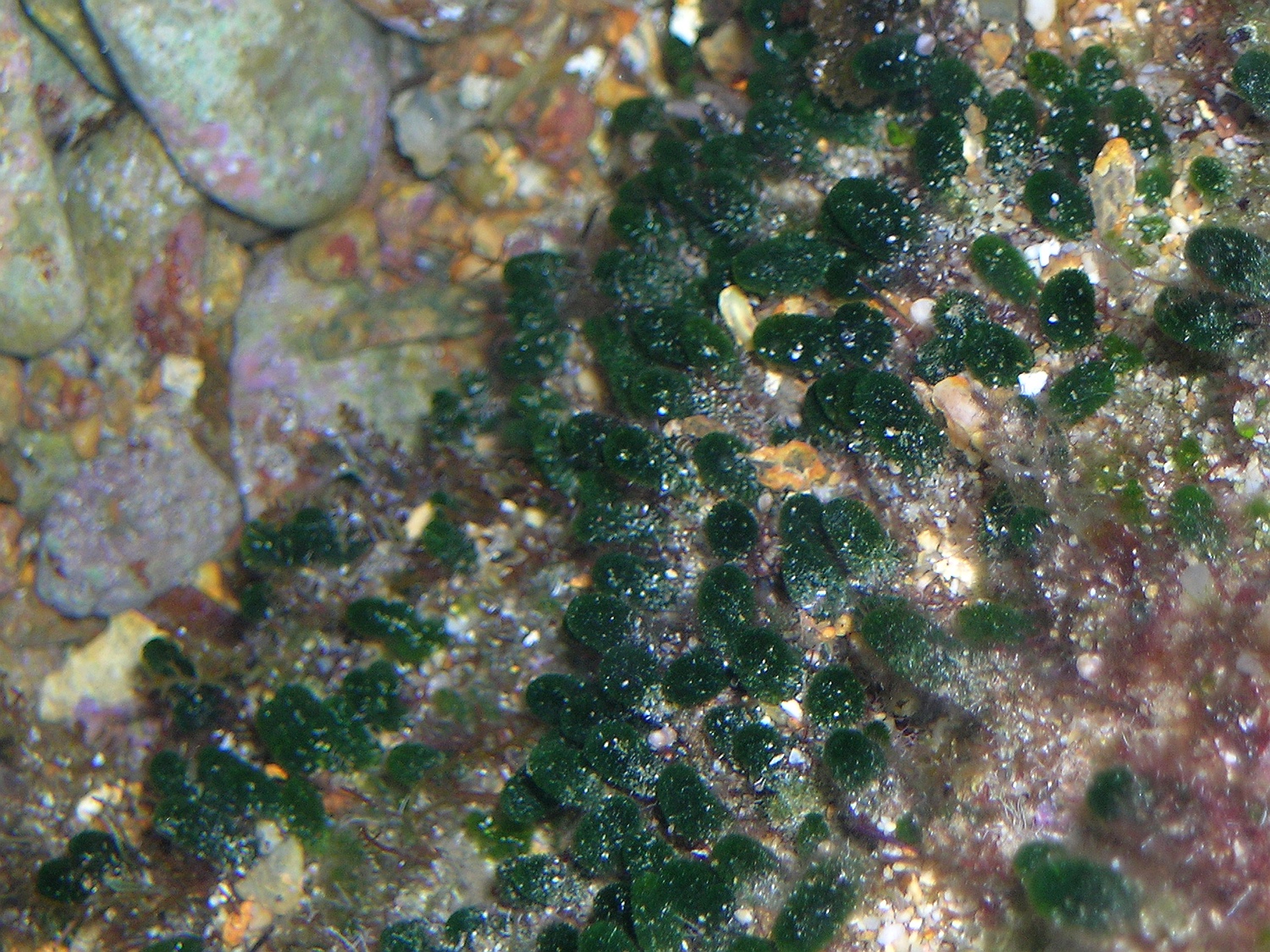
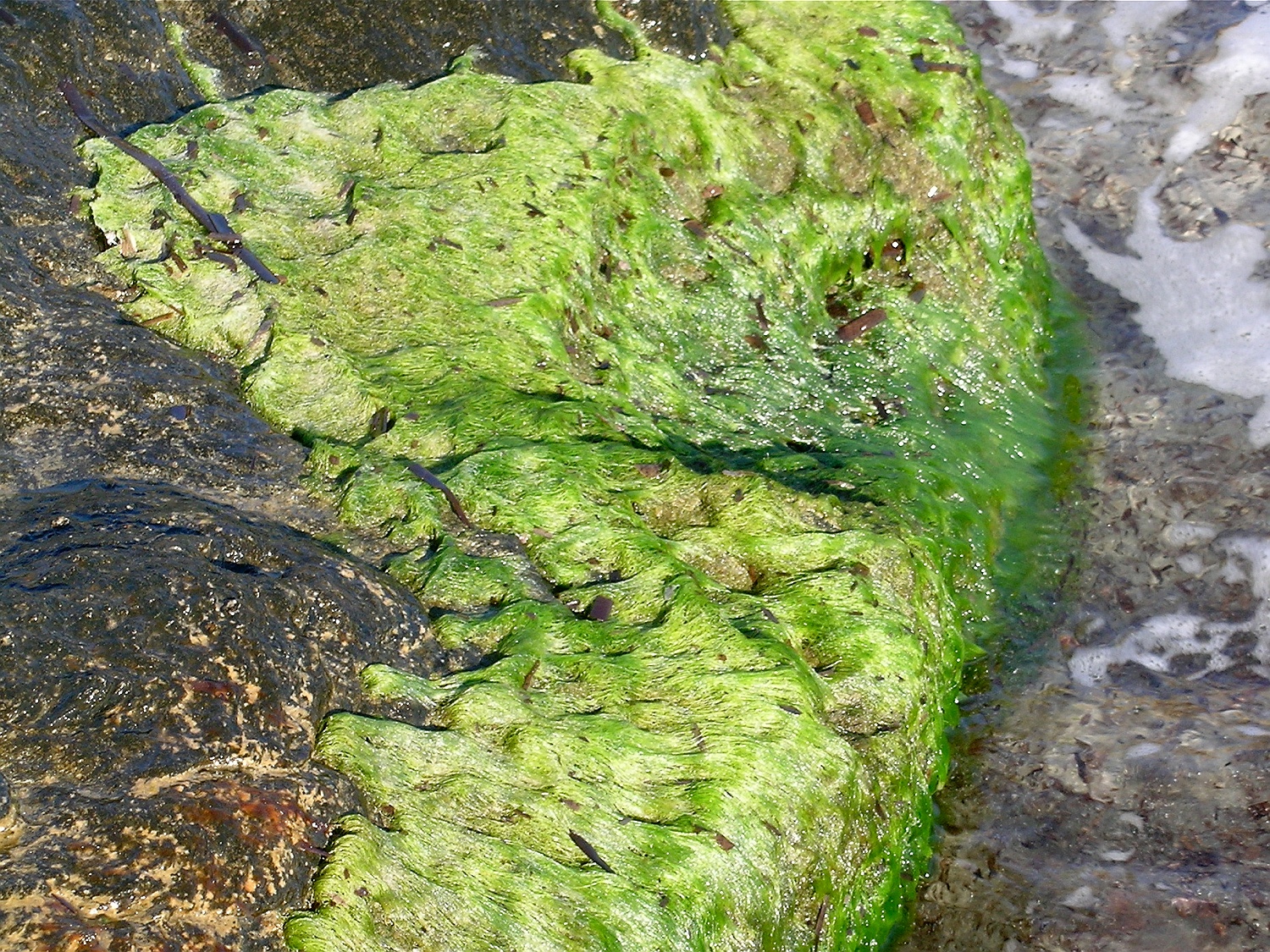
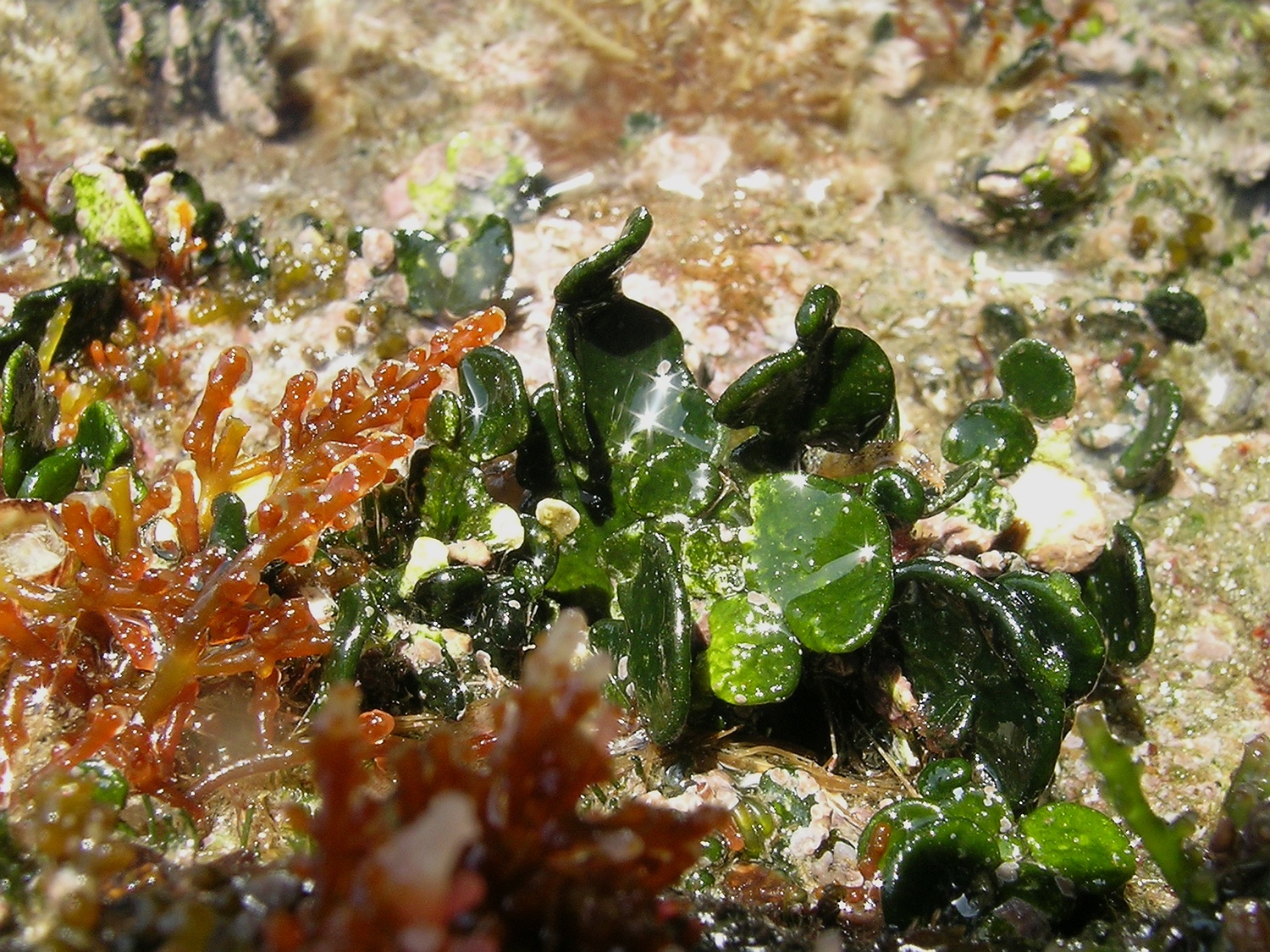
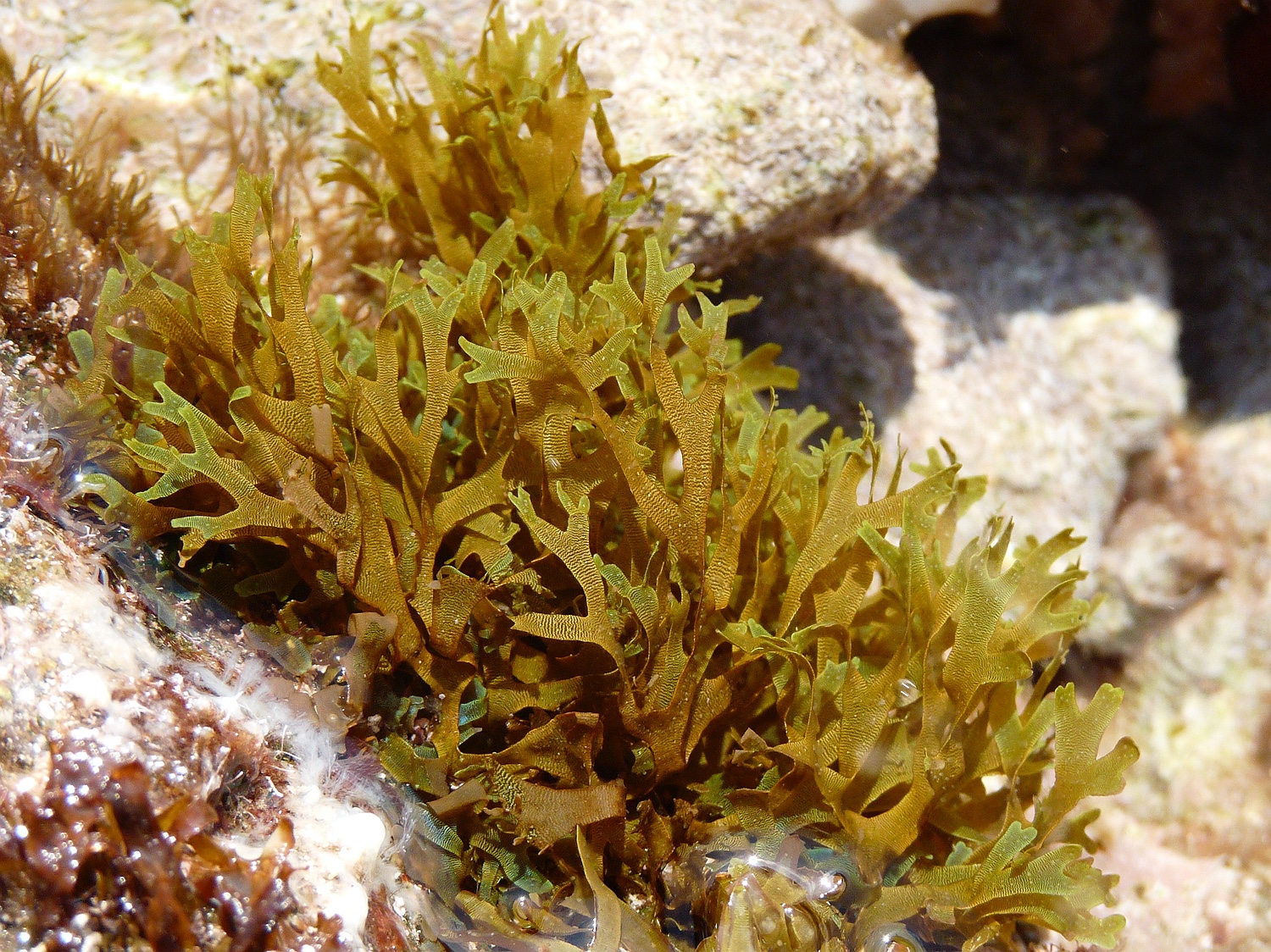
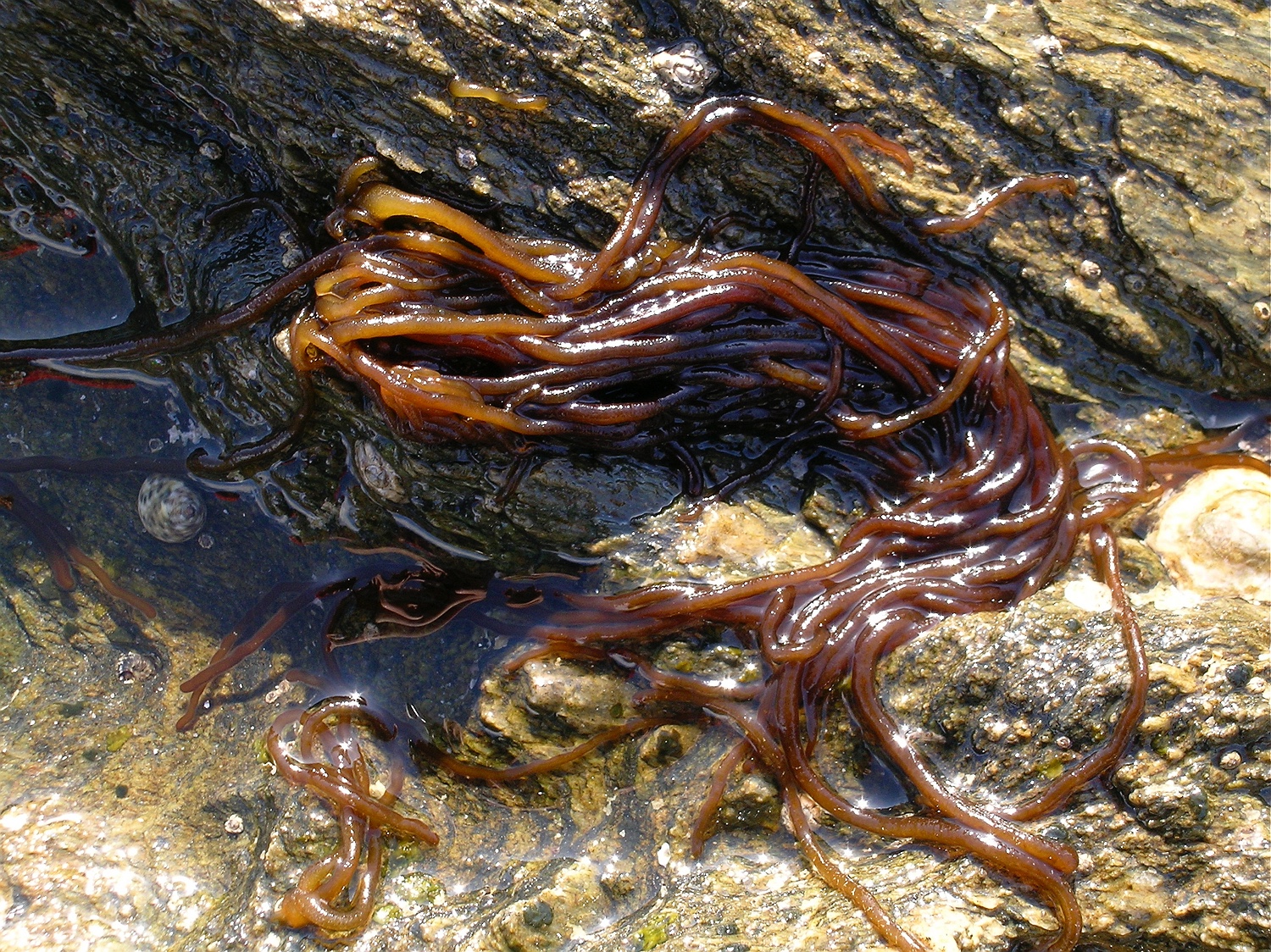
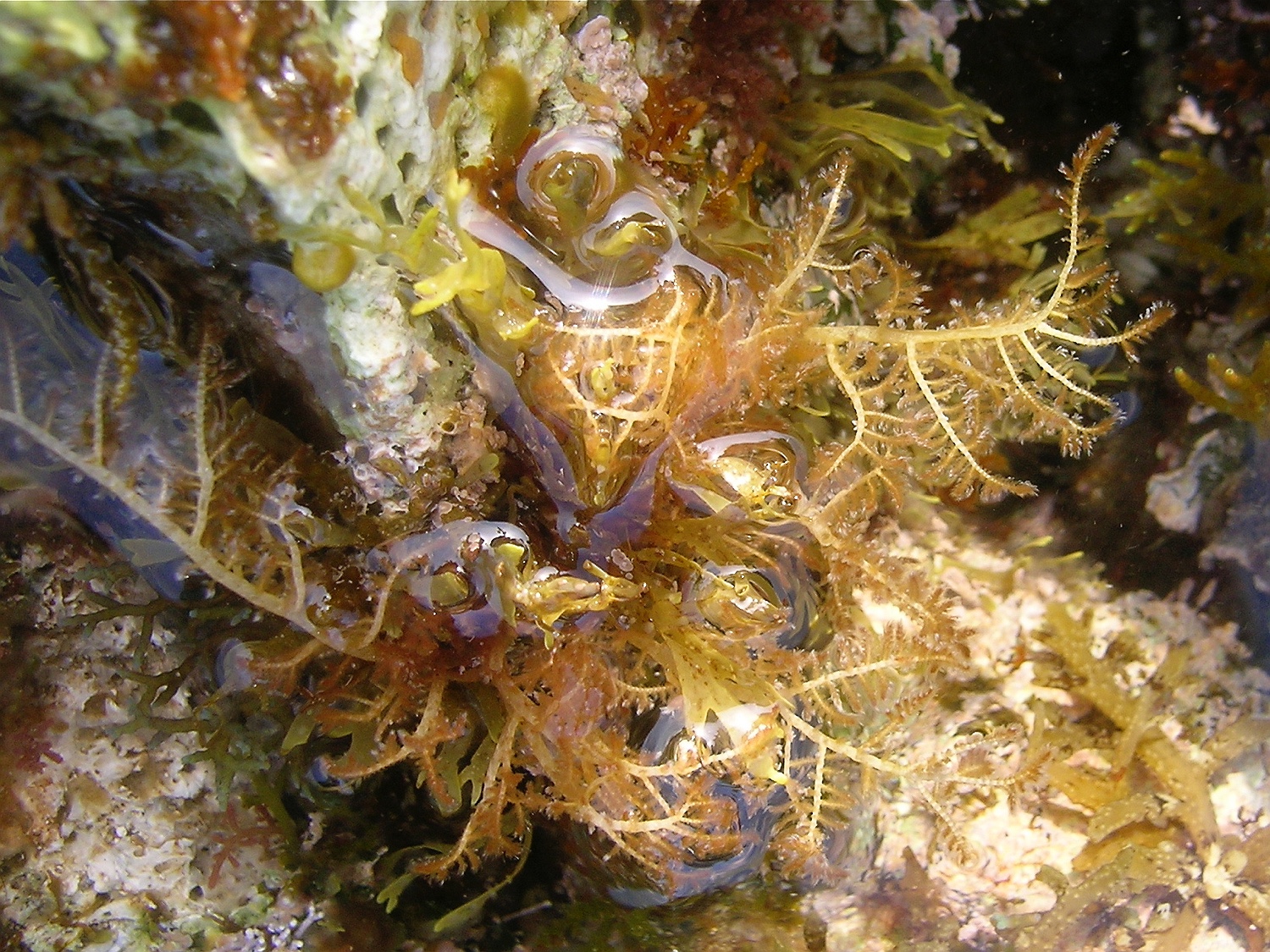
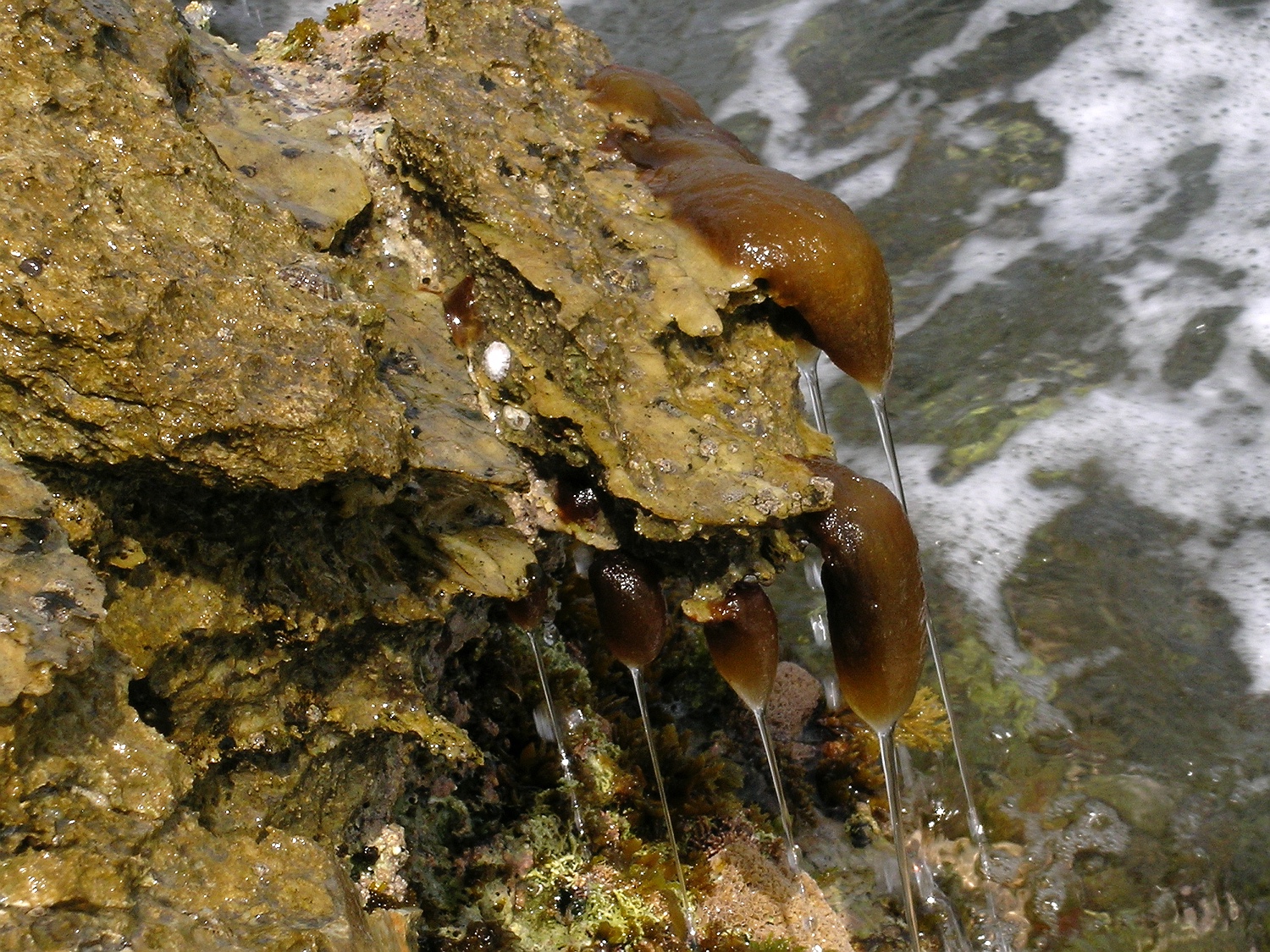
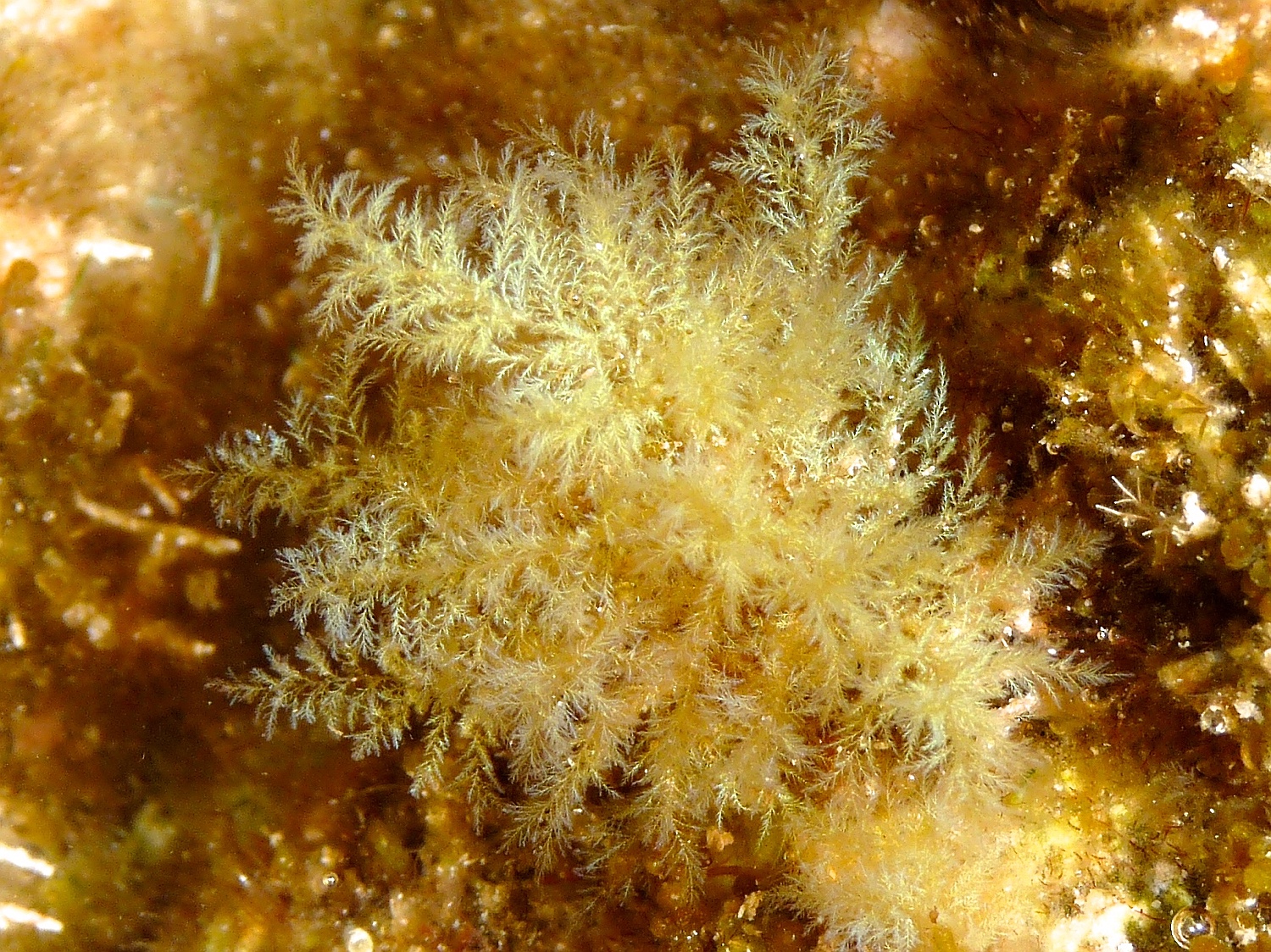
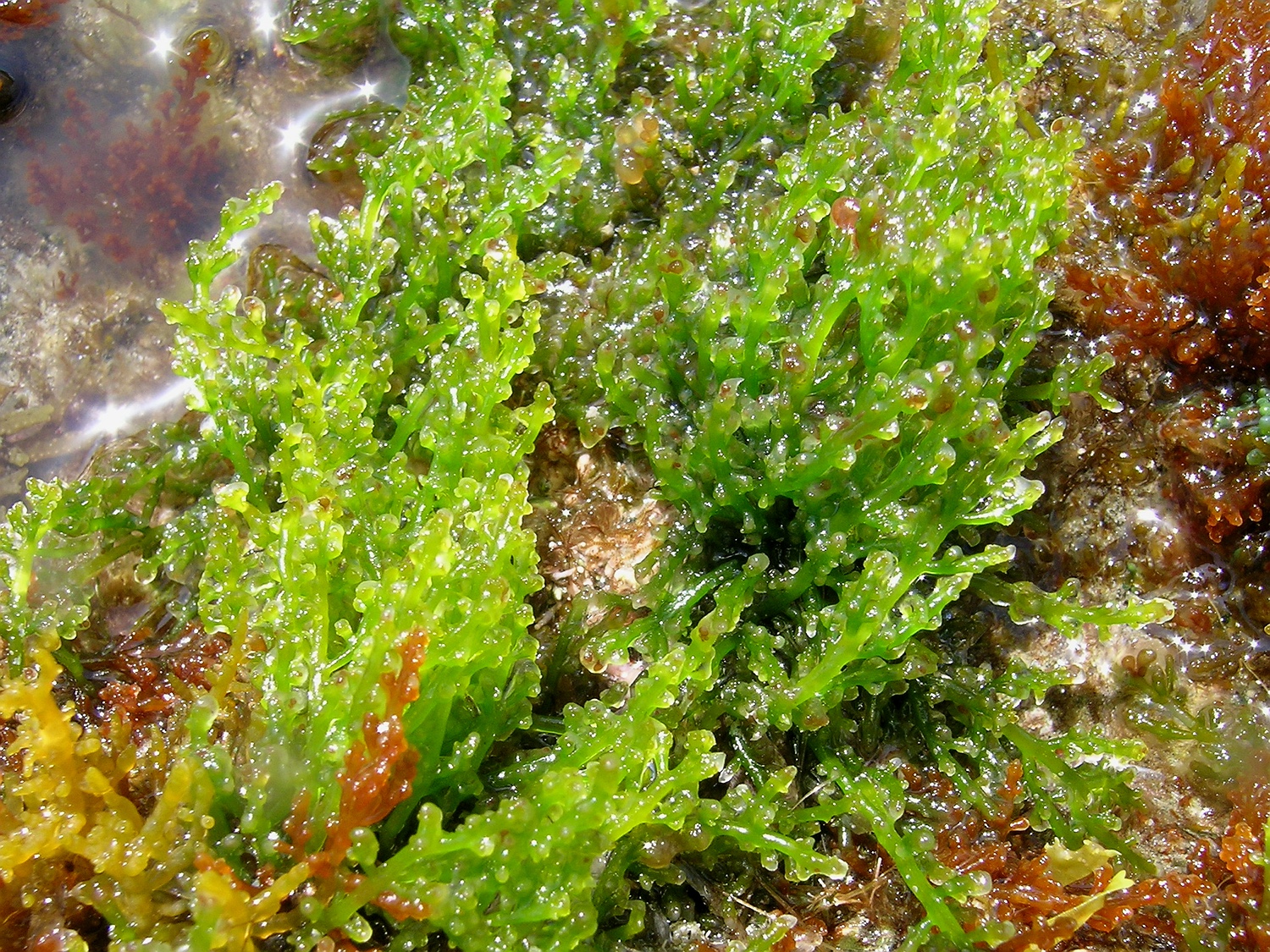
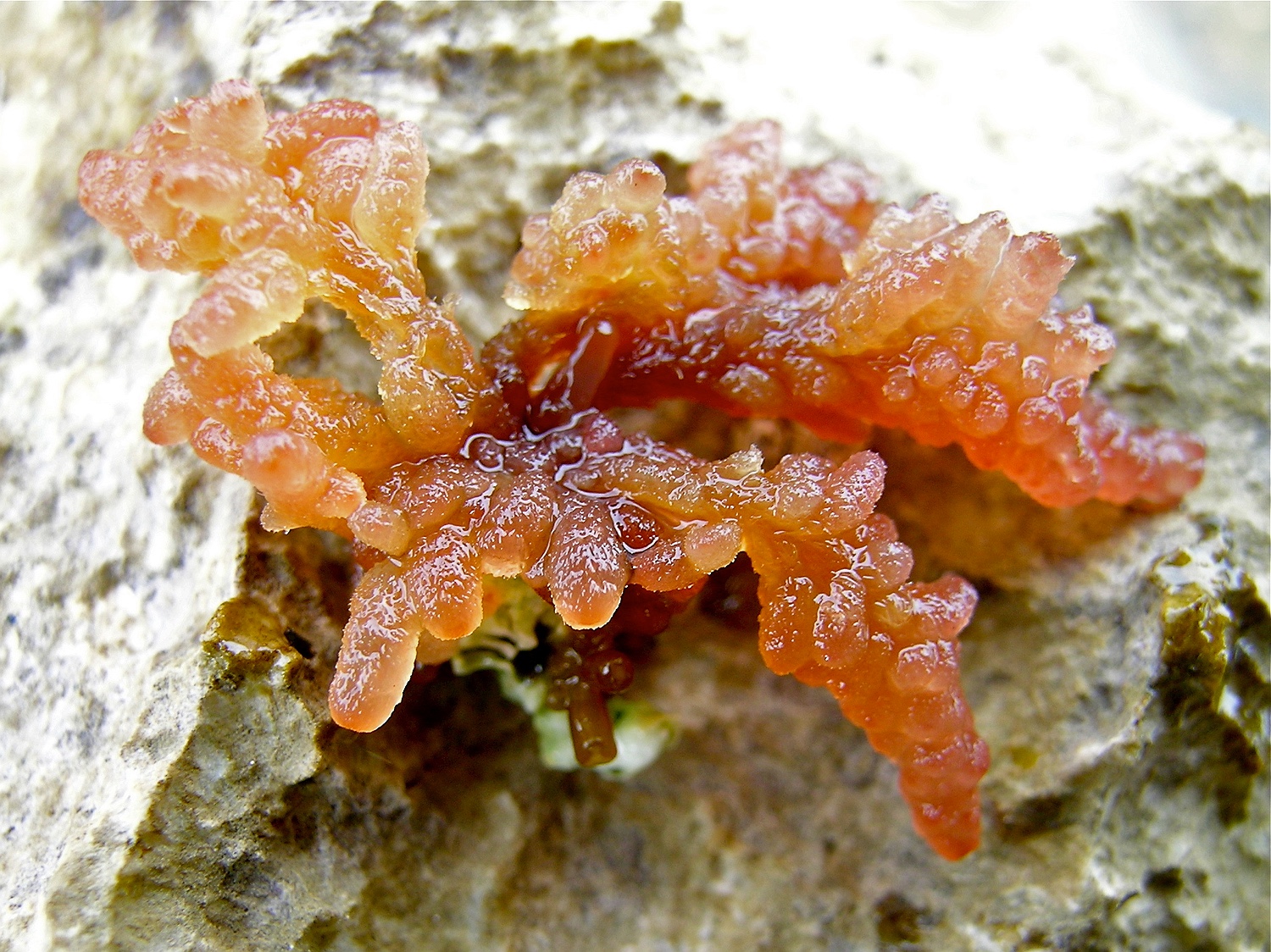
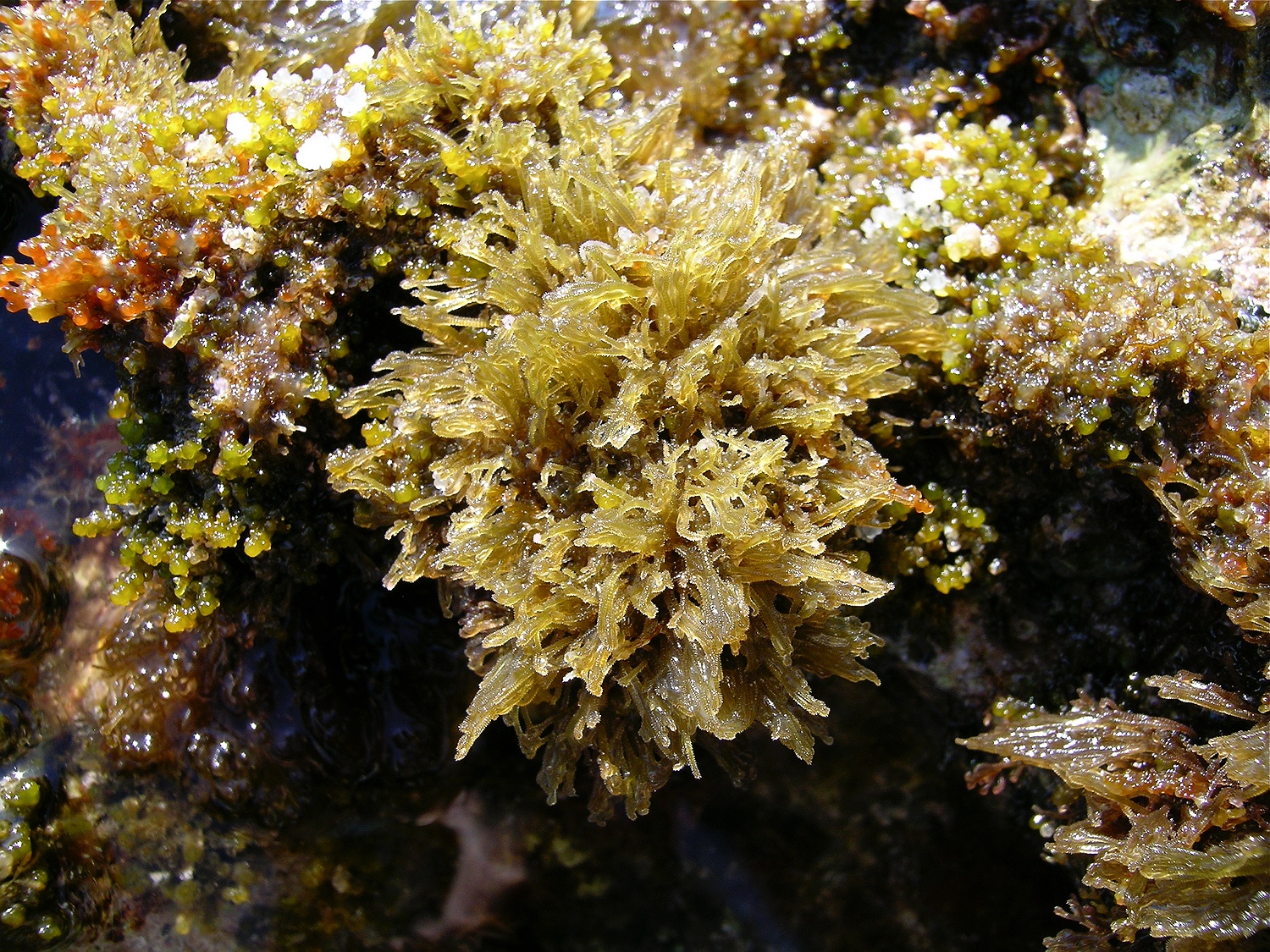
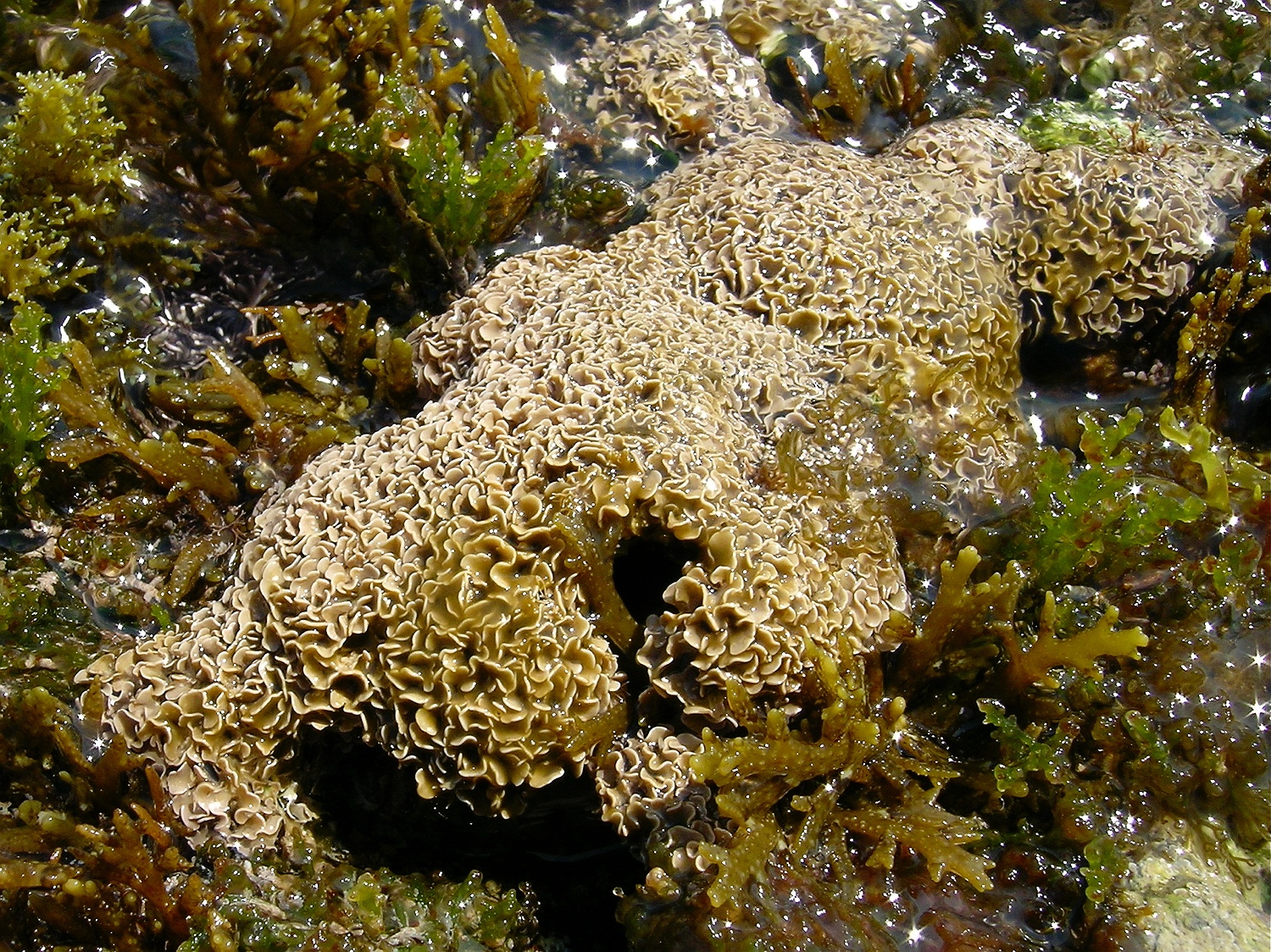
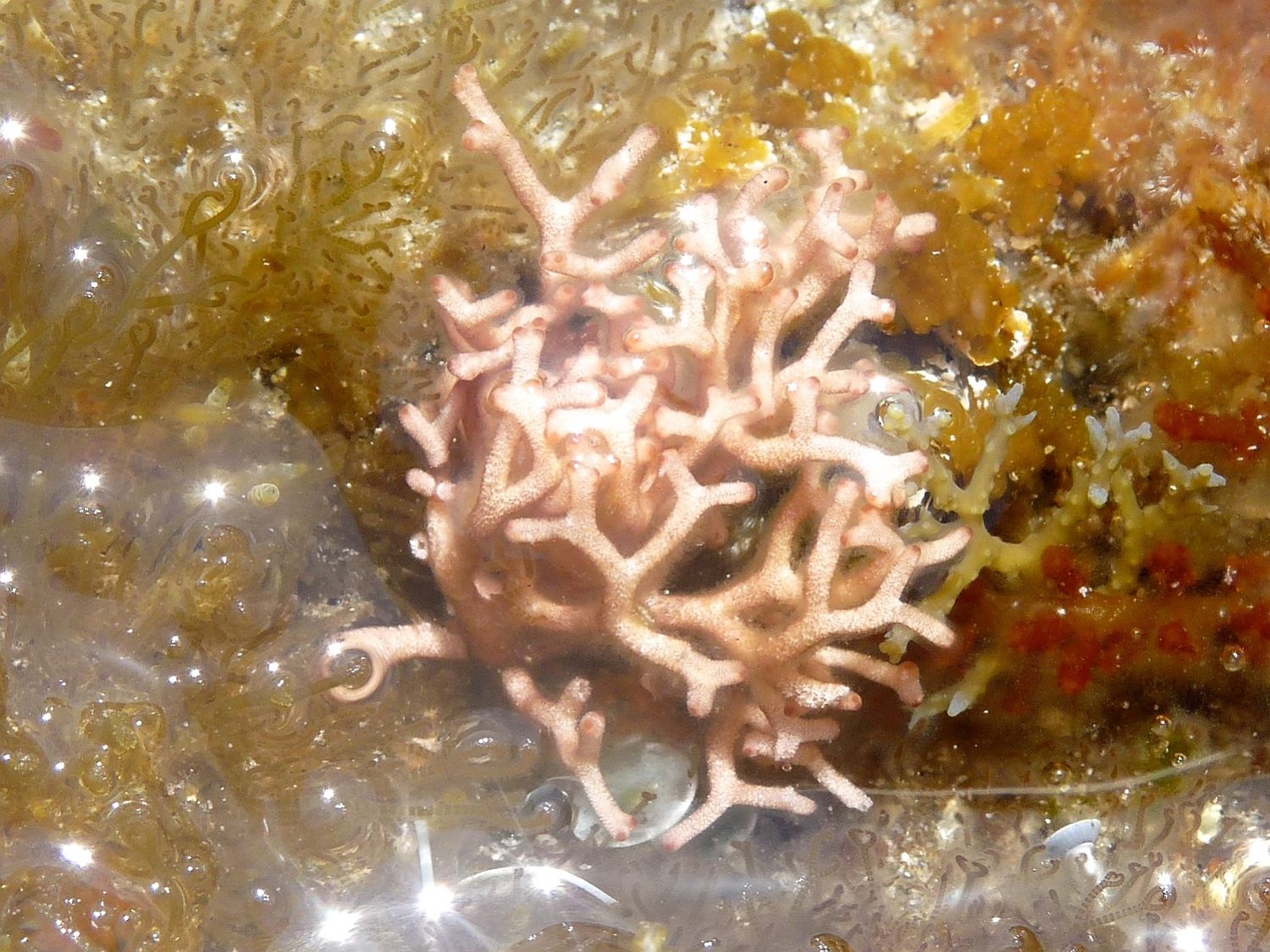
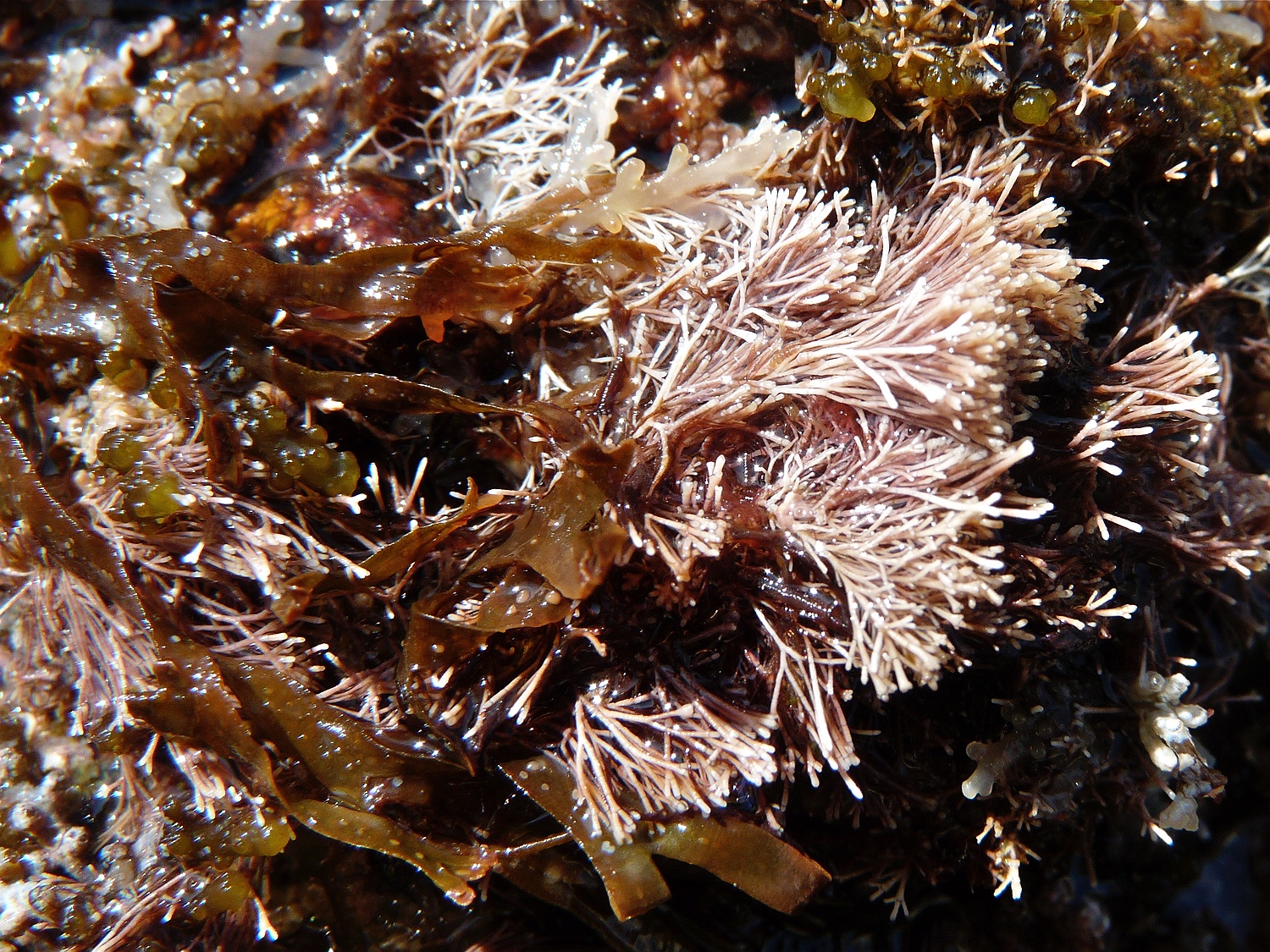
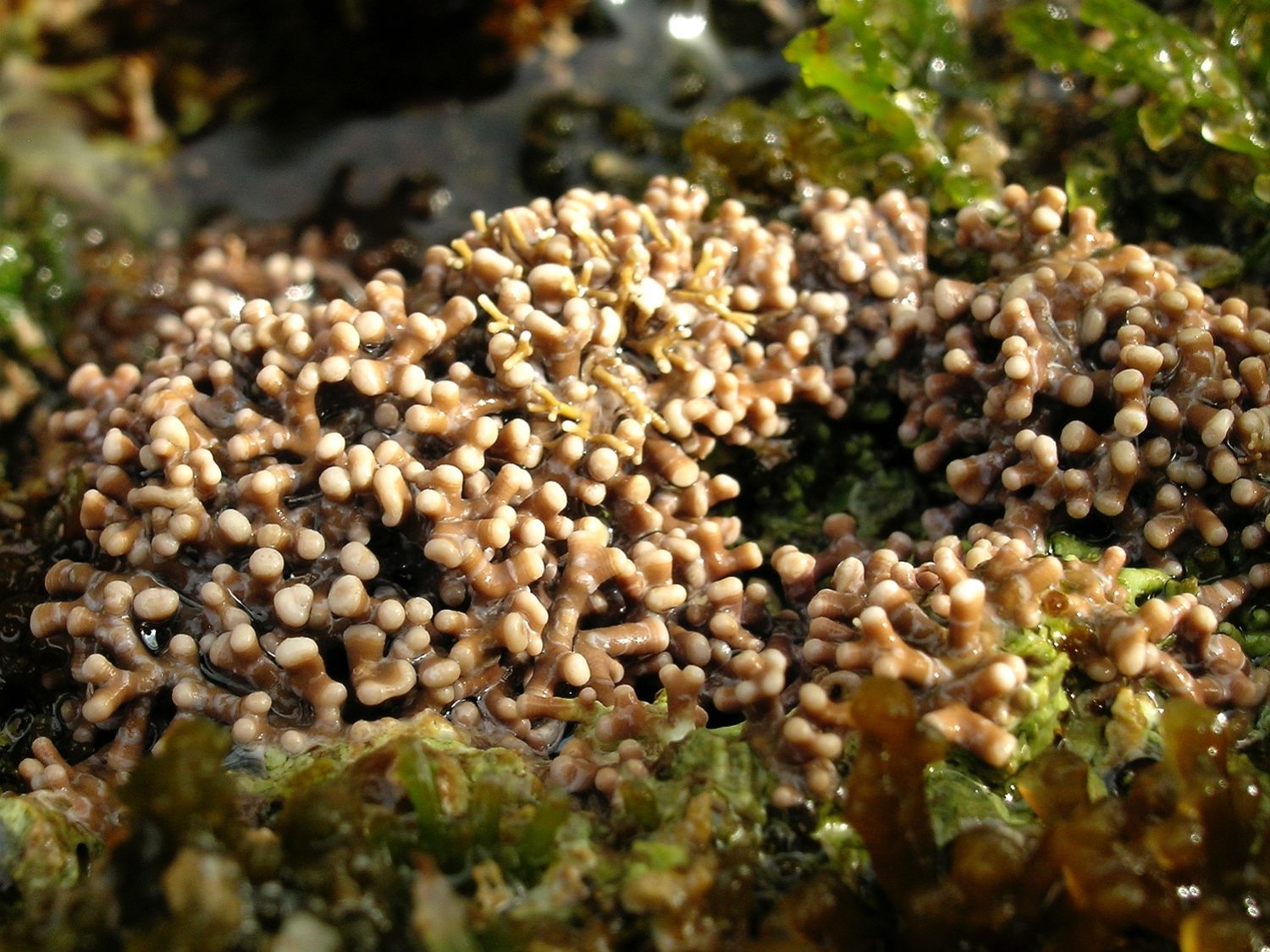
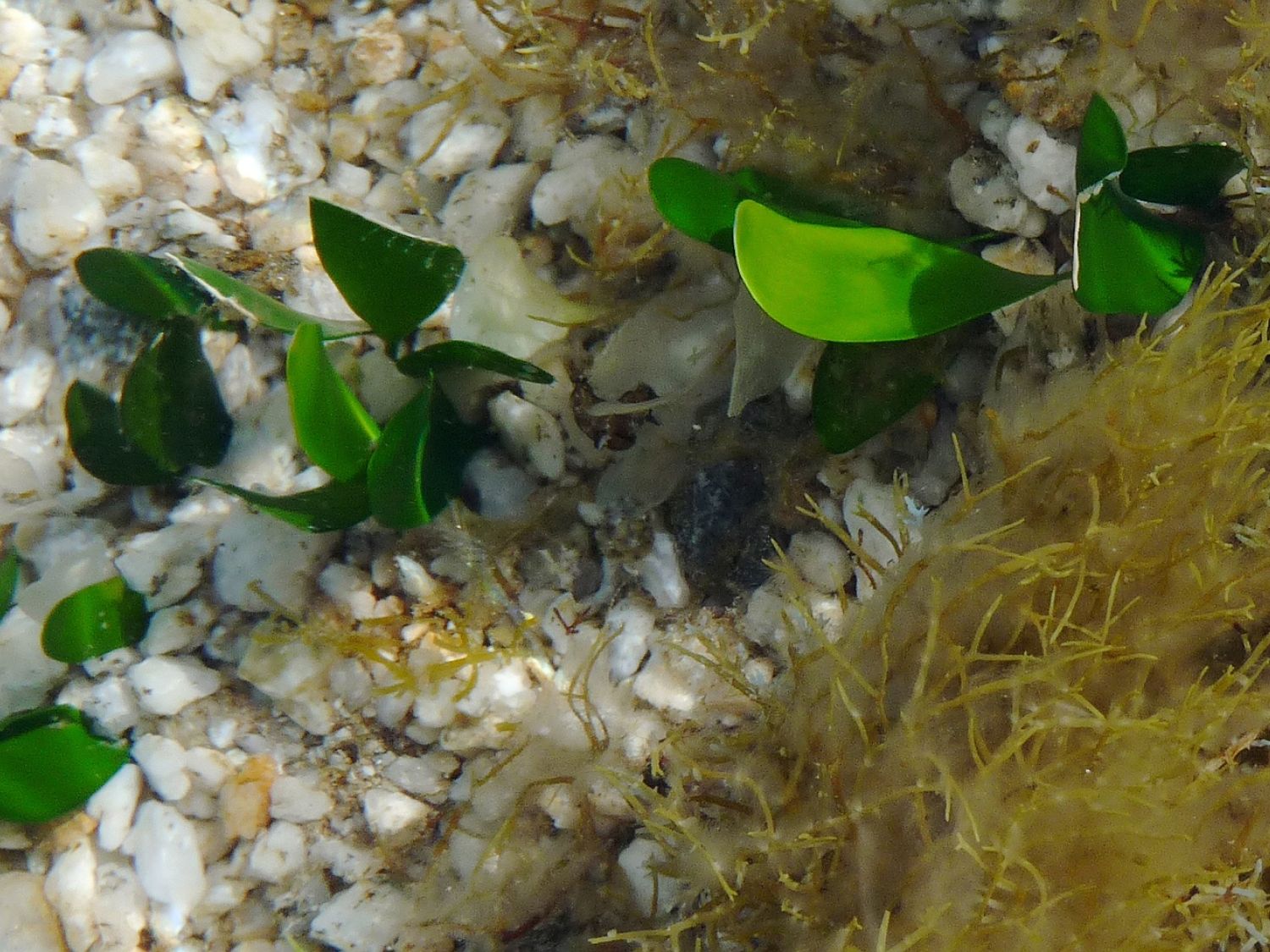
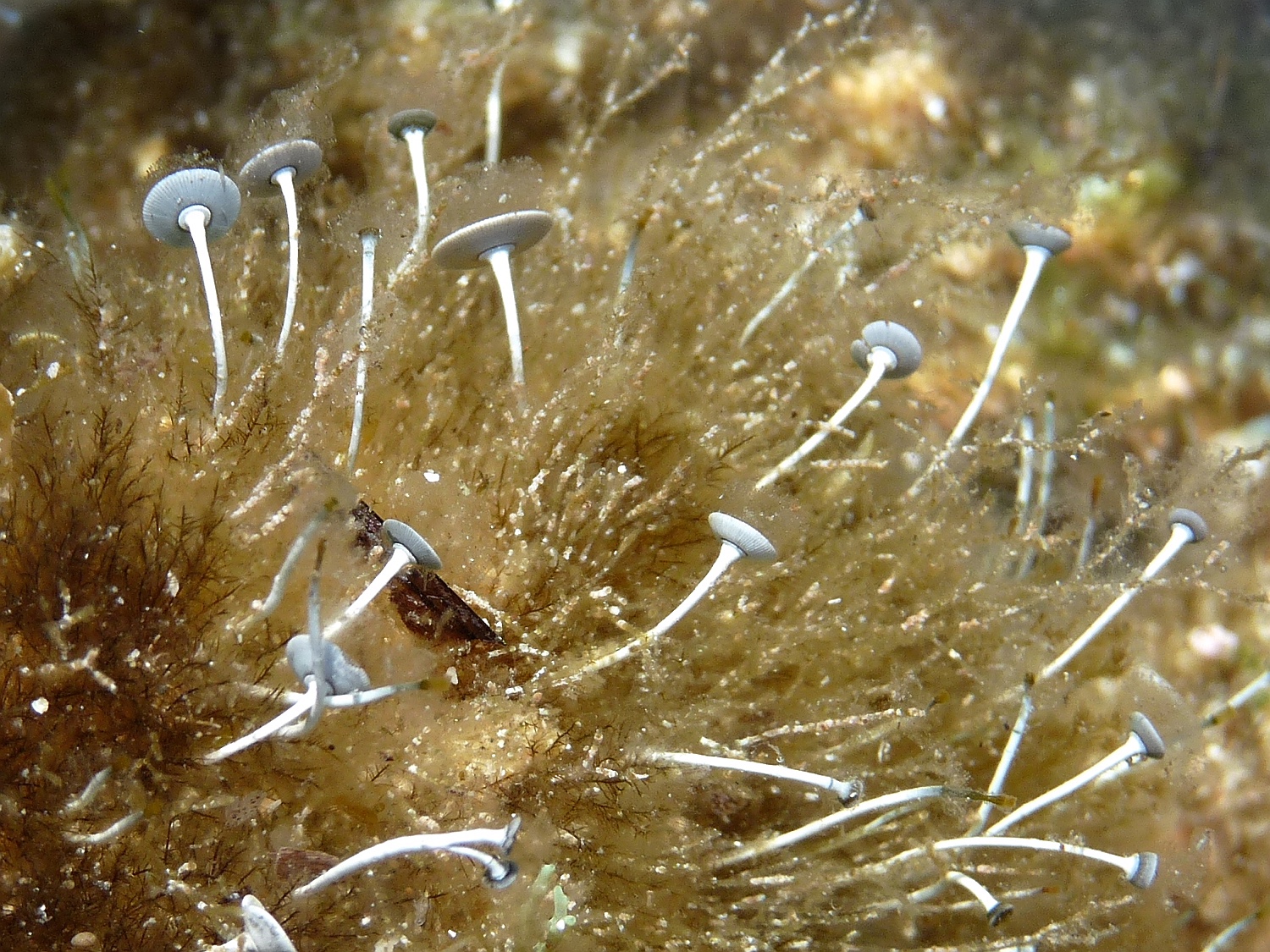
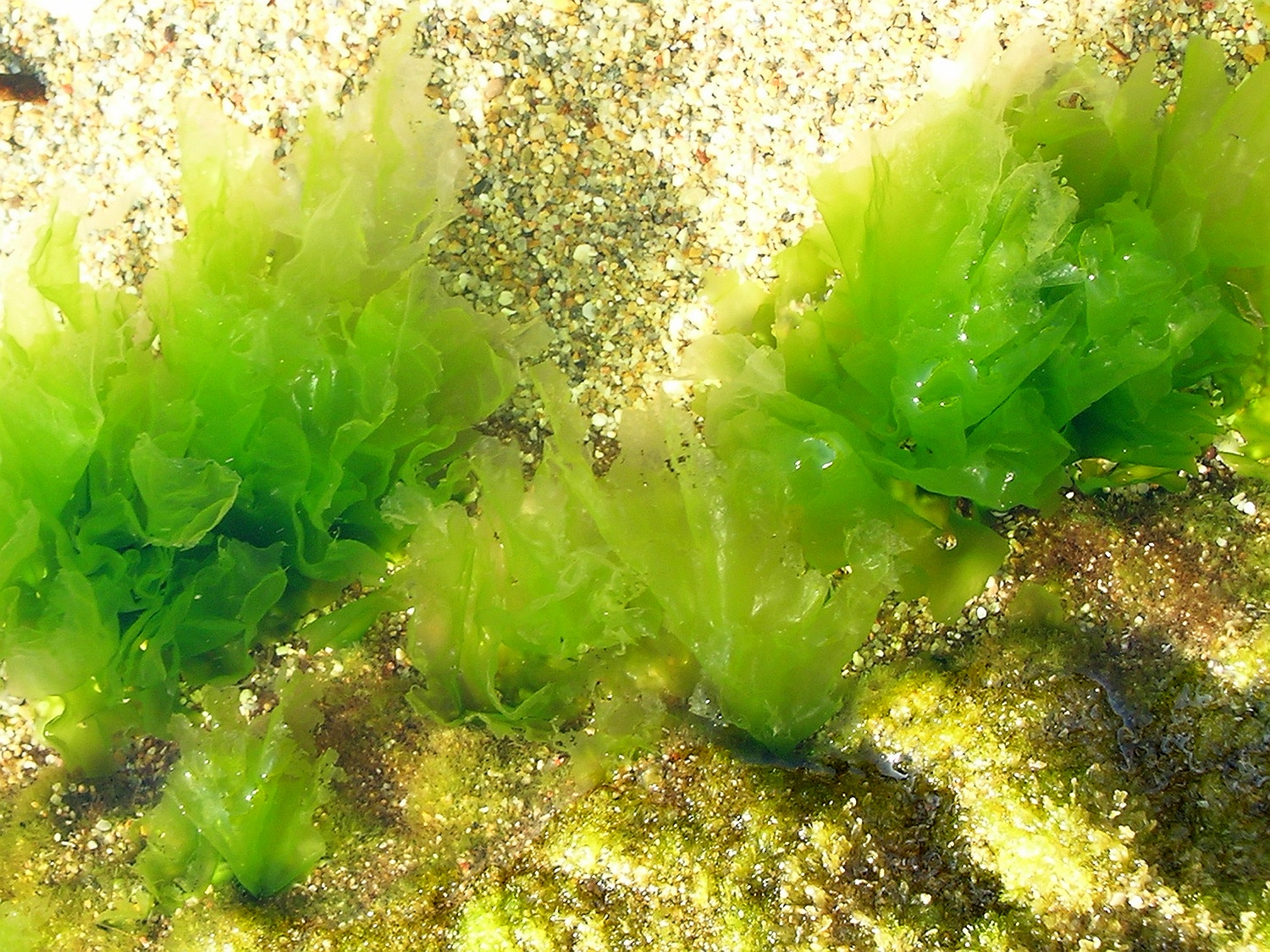
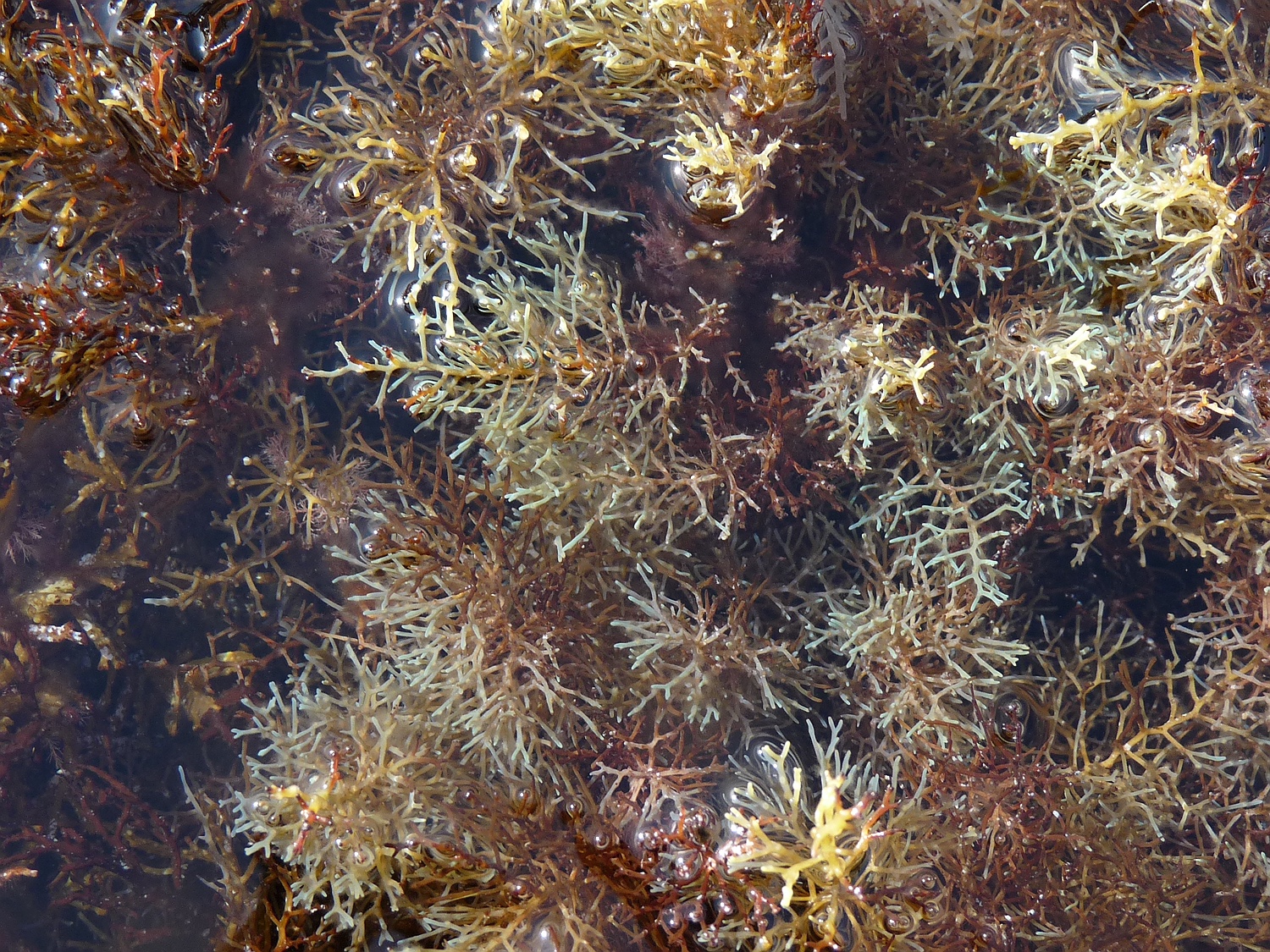
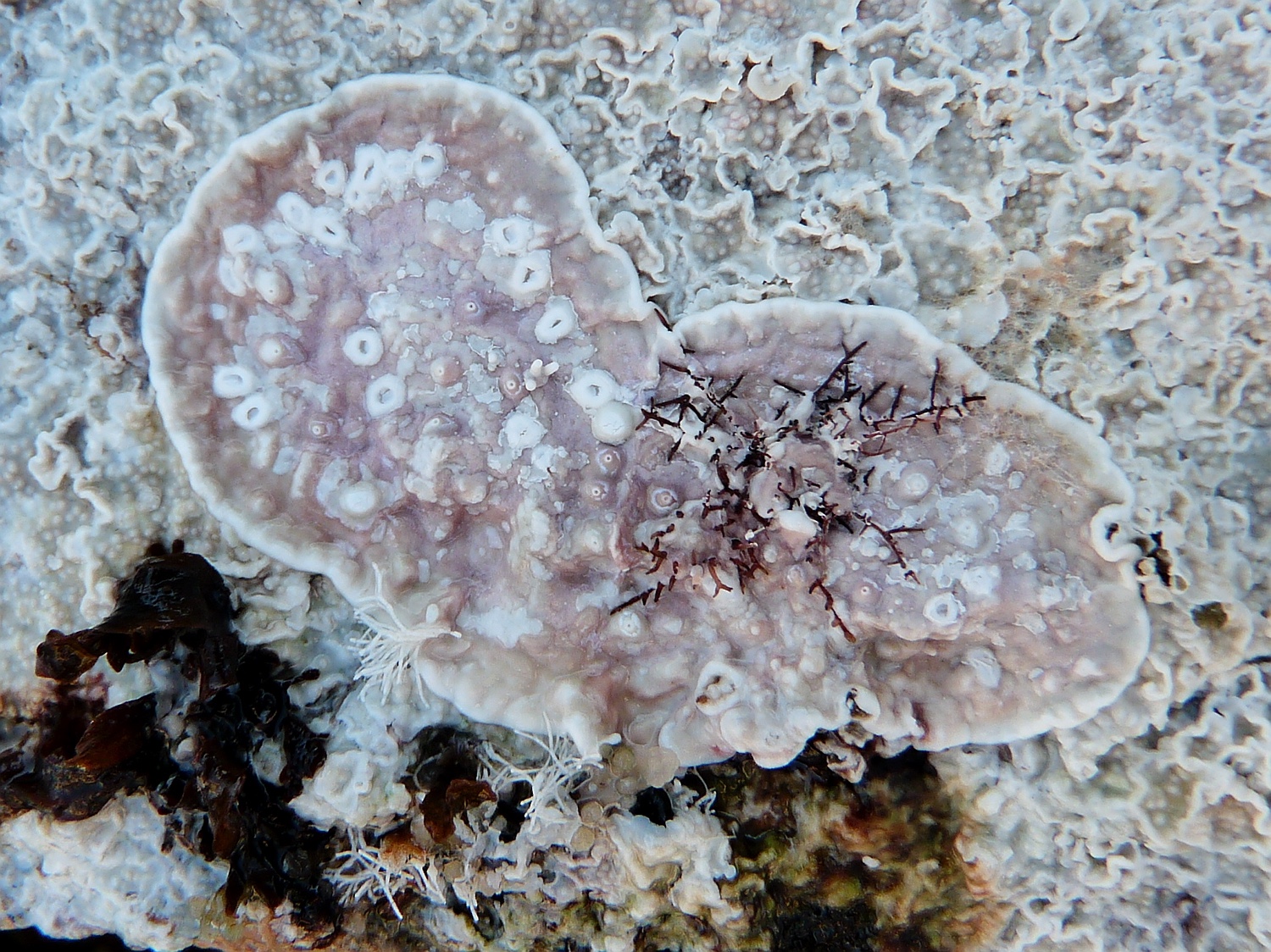
The marine algae are divided into two large groups: the planktonic algae, which float freely in the sea, and the benthic algae, that grow on the seabed.
Planktonic algae play a particularly important role in the marine ecosystem as primary producers: they produce oxygen, bind carbon dioxide, release organic substances into the sea water and serve as food for countless marine animals. The pelagic habitat they live in is much larger than the benthic habitat: it encompasses the upper water layers of the entire sea. The most important groups of planktonic algae are the dinoflagellates, the single-celled, bizarre diatoms and the chrysophyta, which are also mostly single-celled and often have a siliceous or calcareous skeleton. However, all these species are difficult to study due to their occurrence in the open sea and their tiny size, so unfortunately we have to leave them out of consideration here.
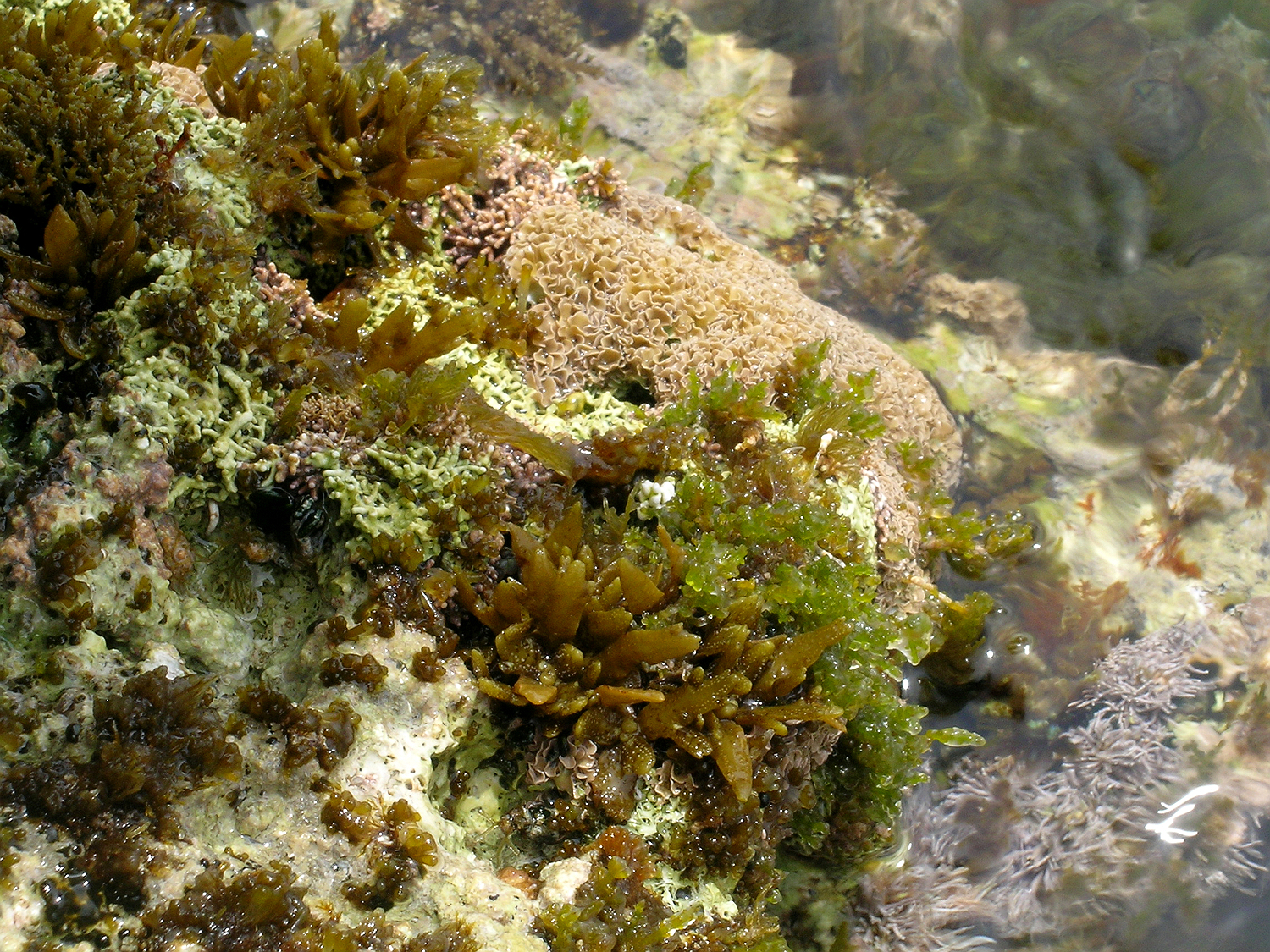
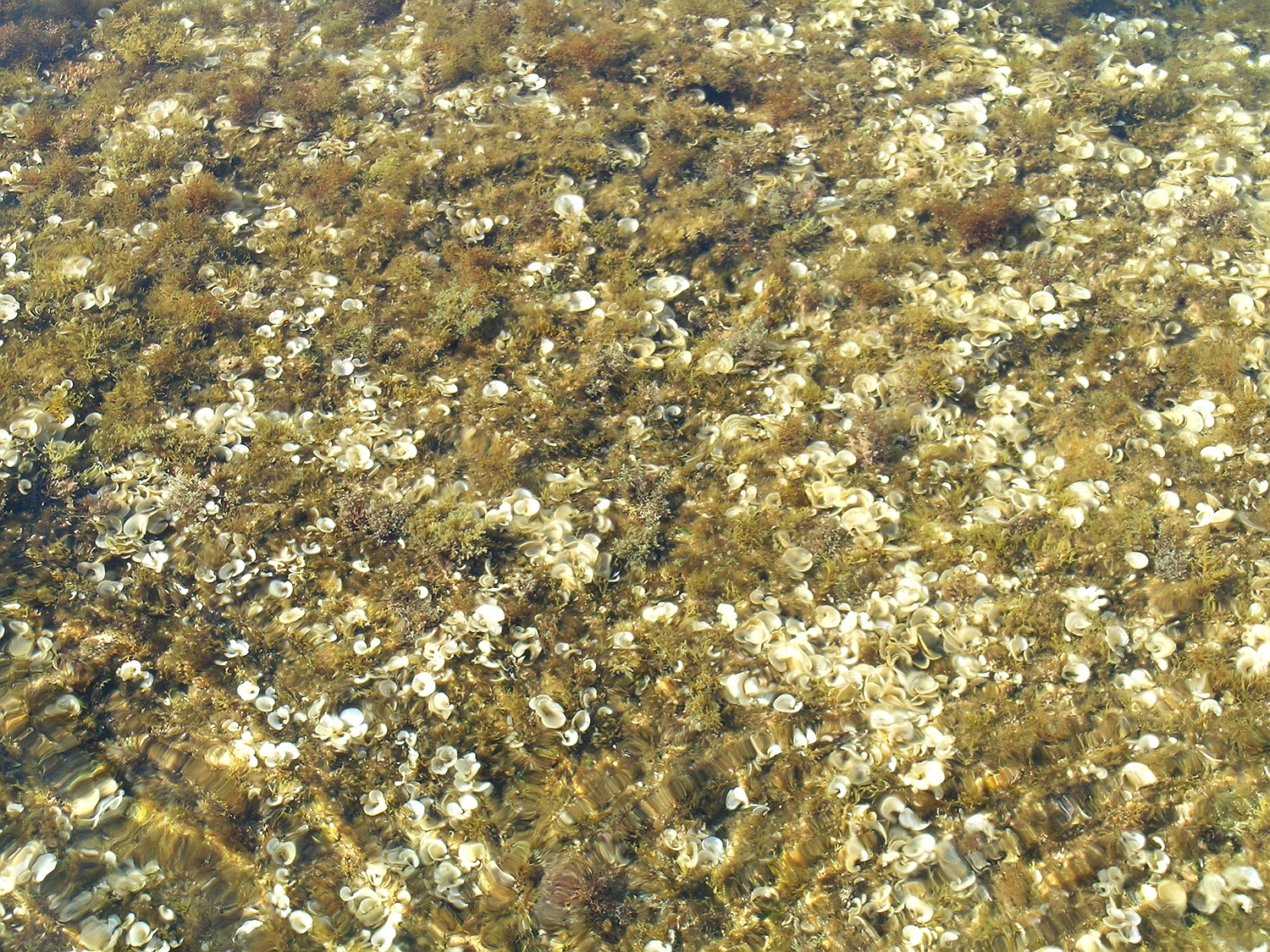
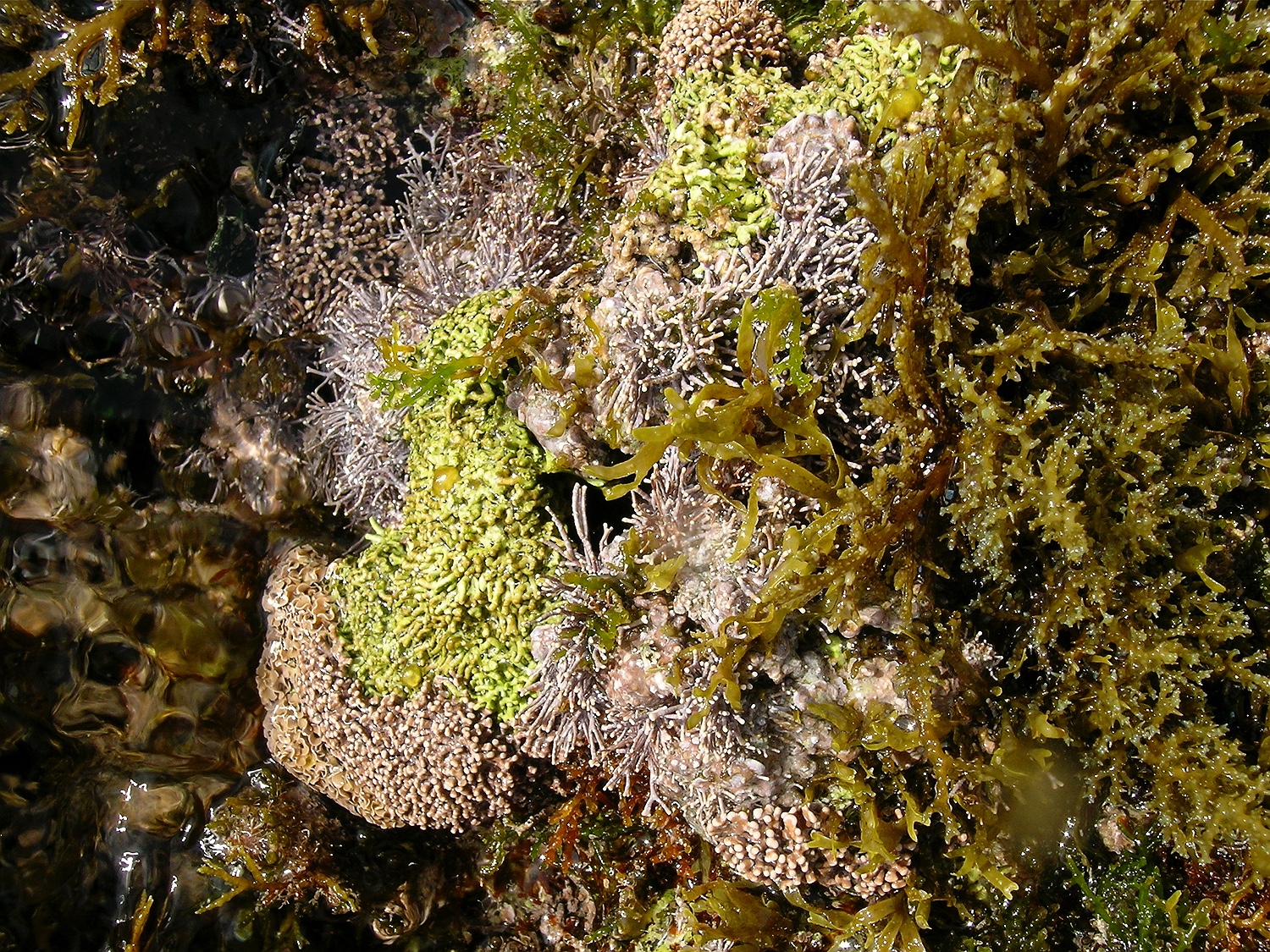
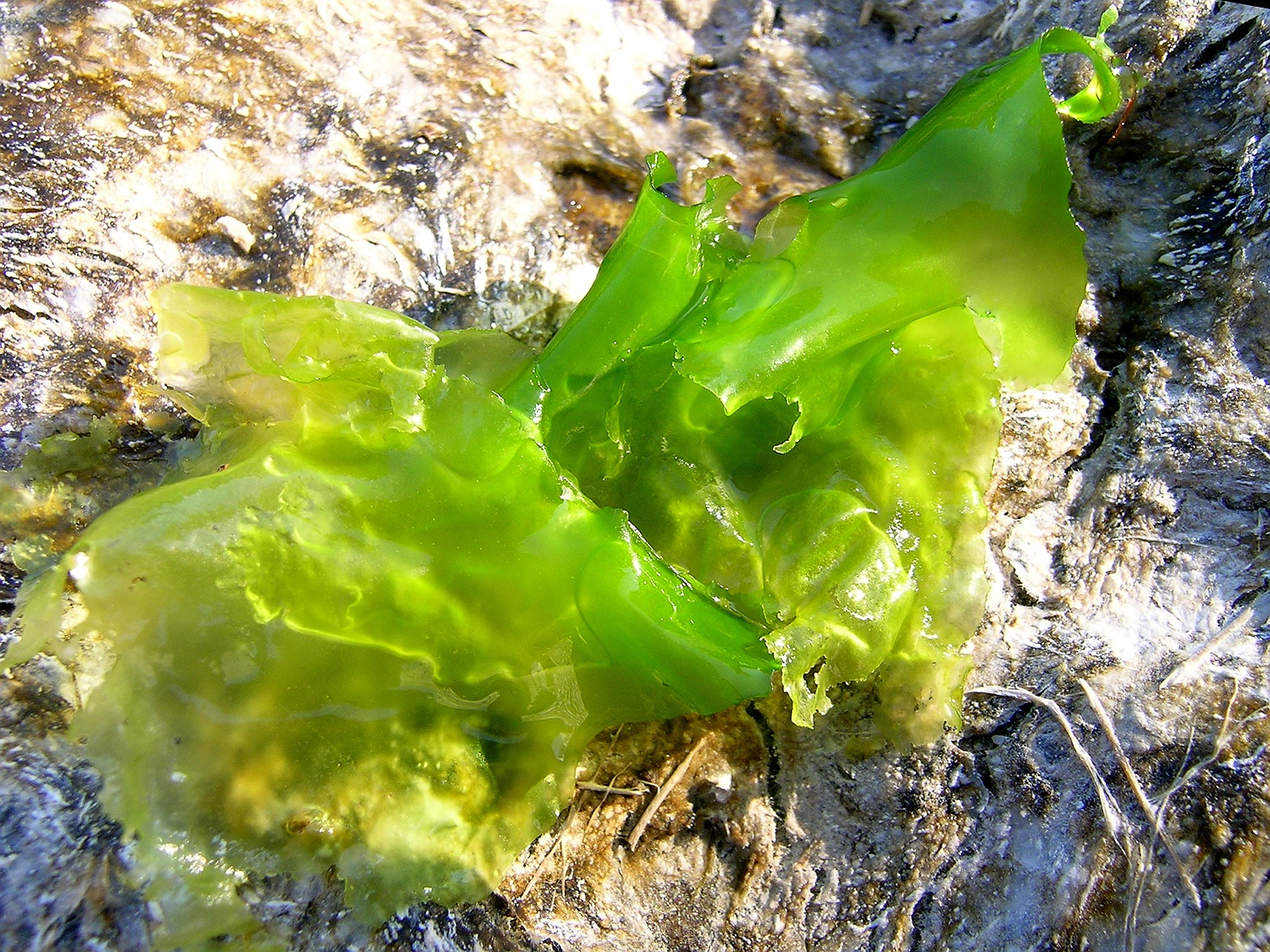
In contrast to the pelagic habitat, the euphotic zone of the sea floor where the sessile
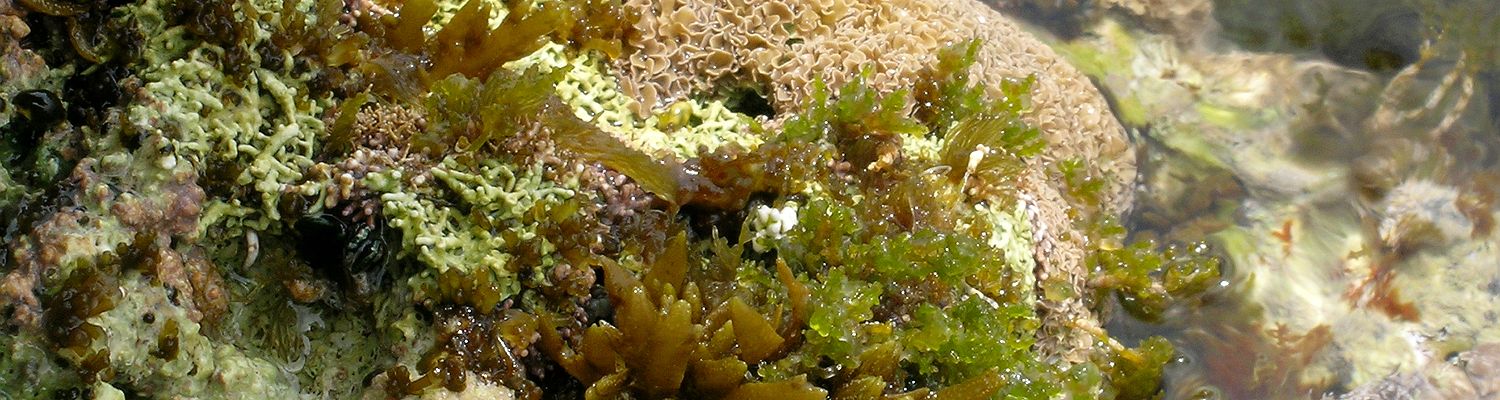
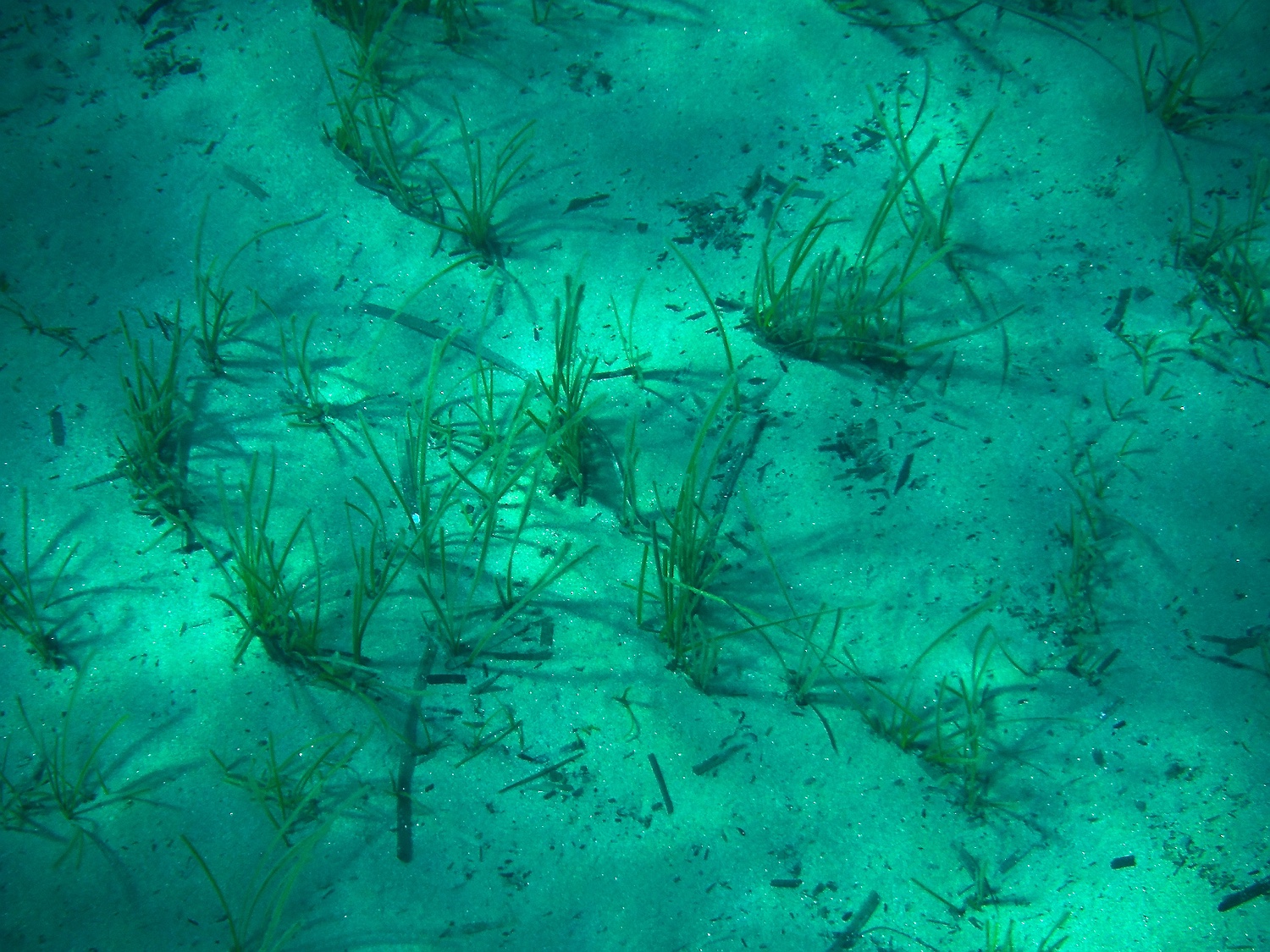
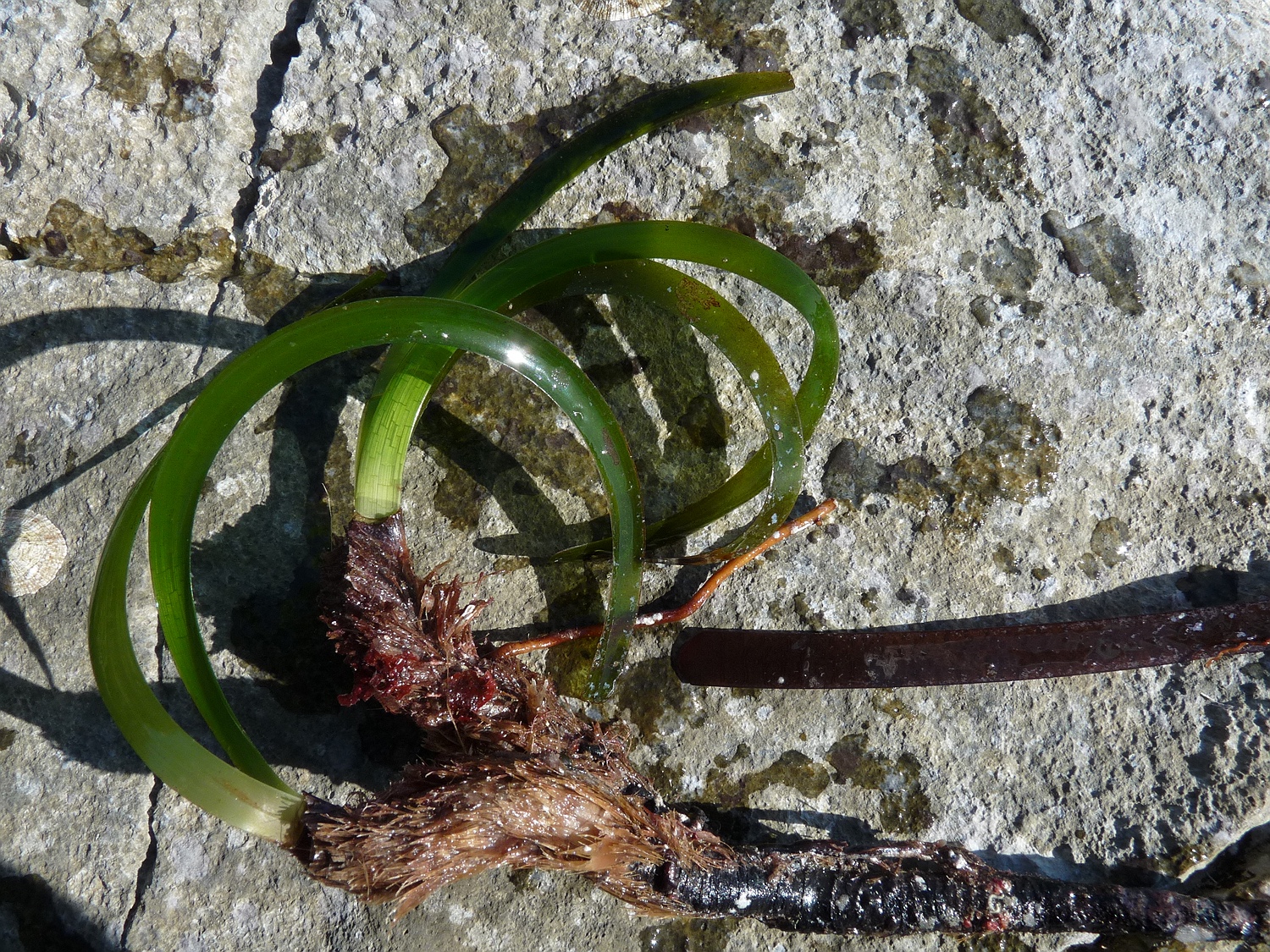
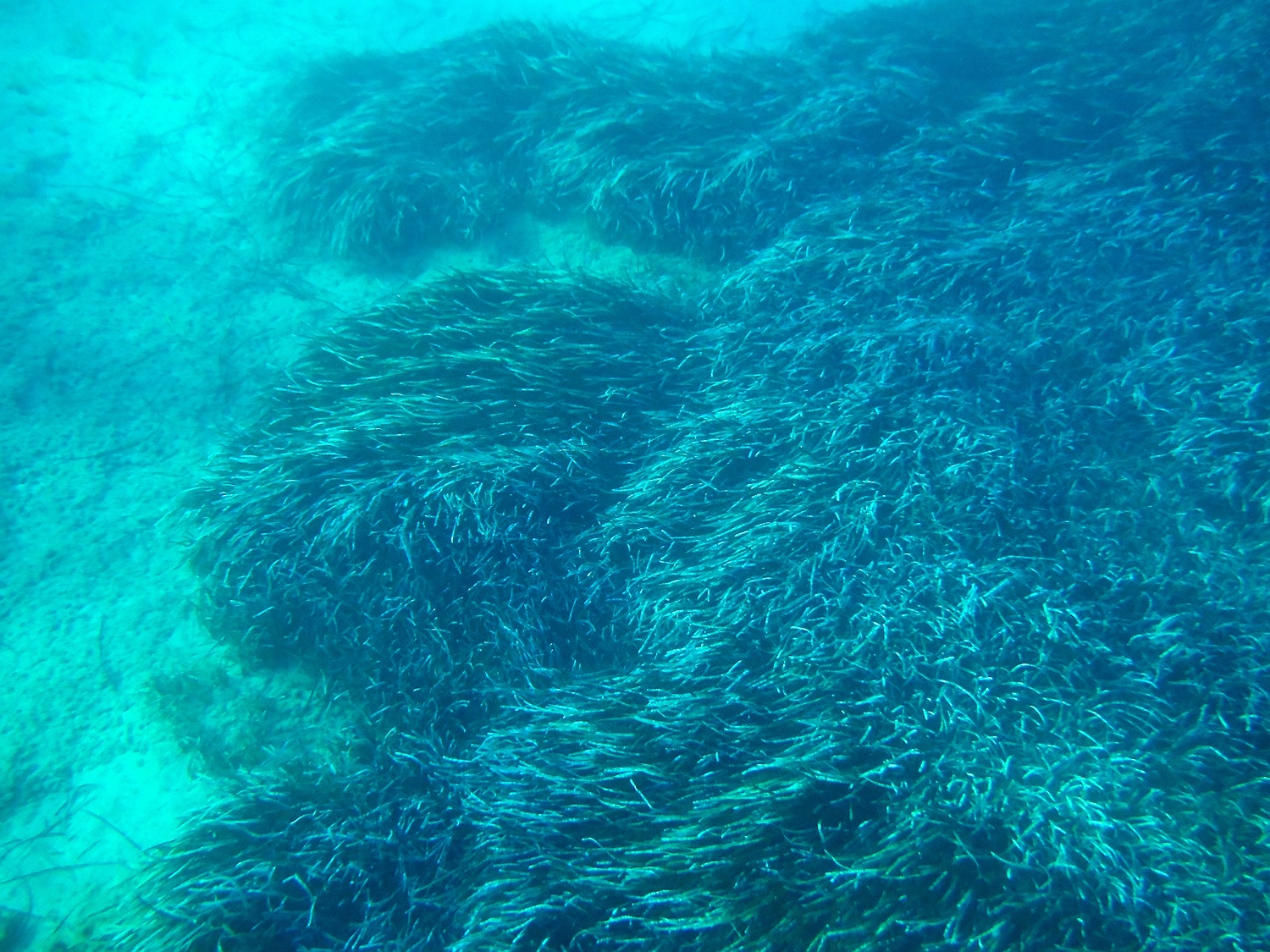
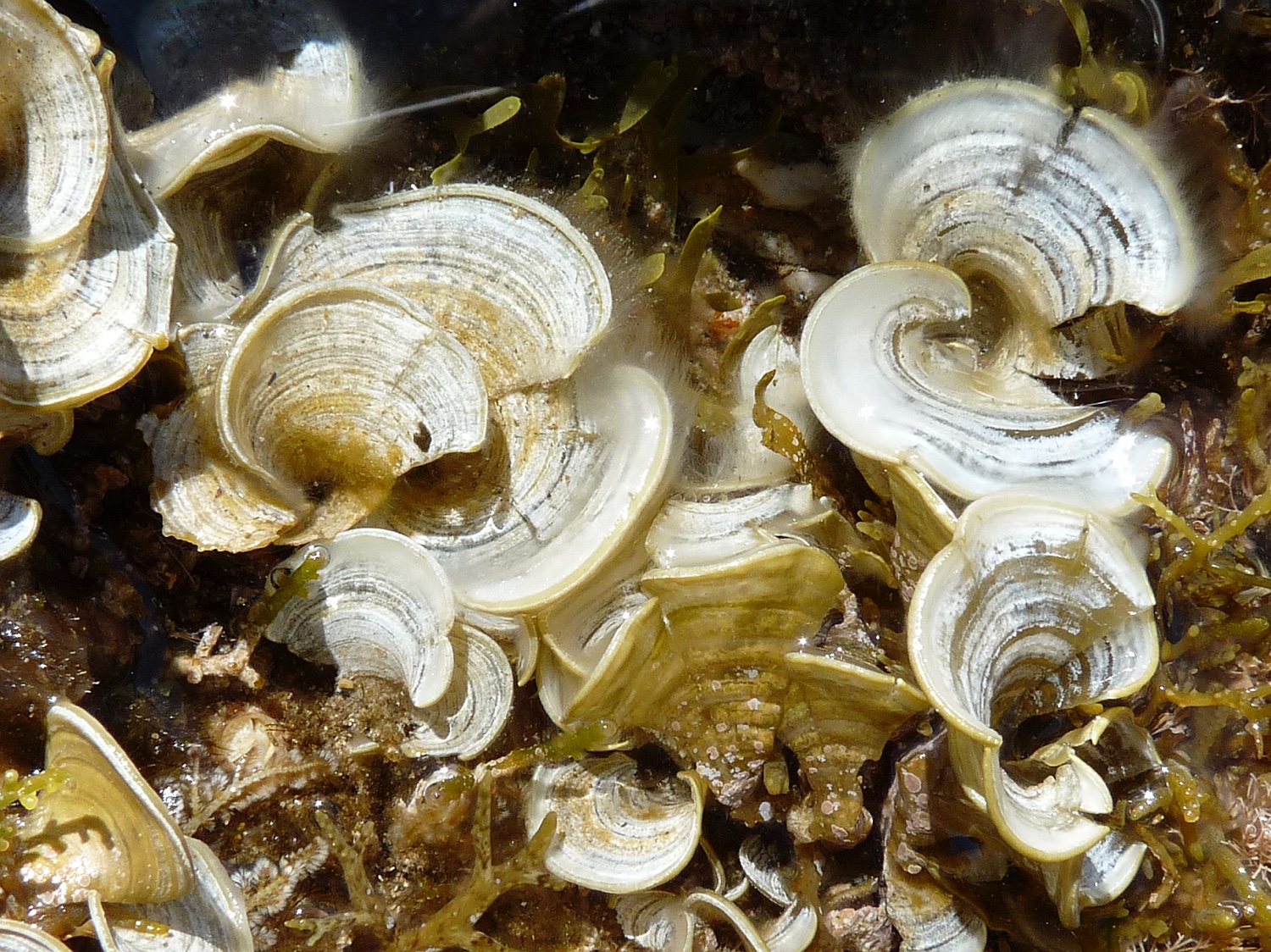
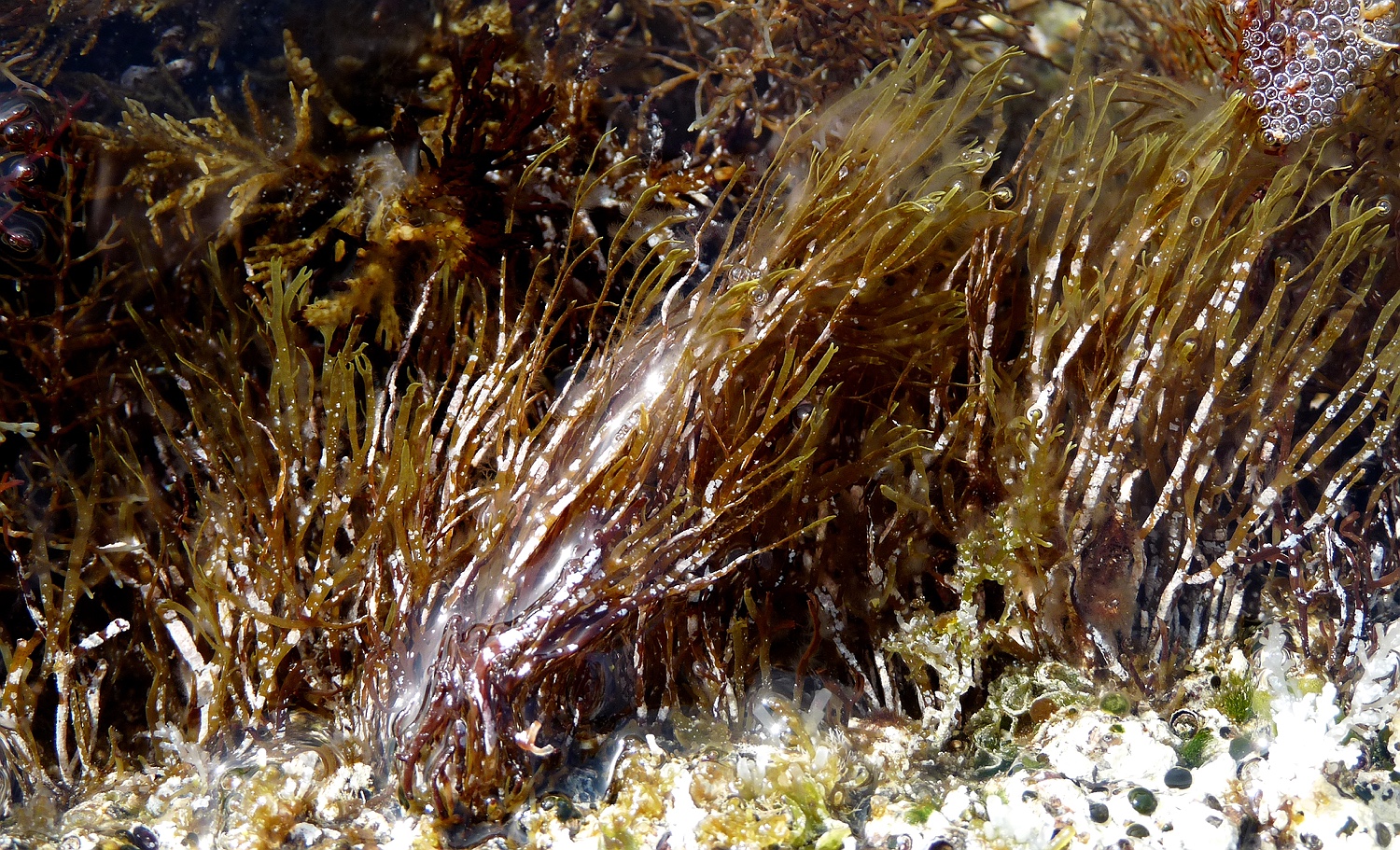
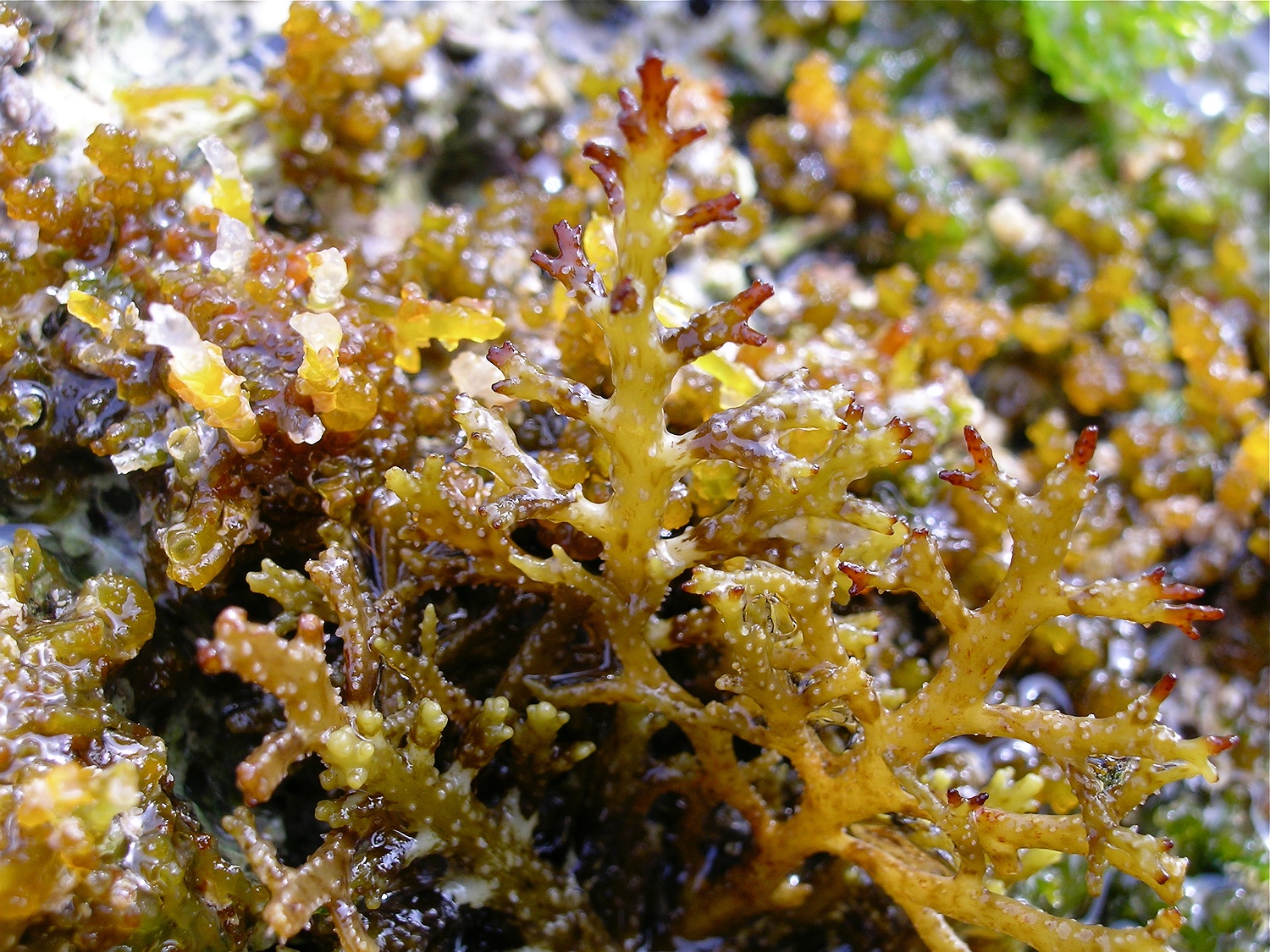
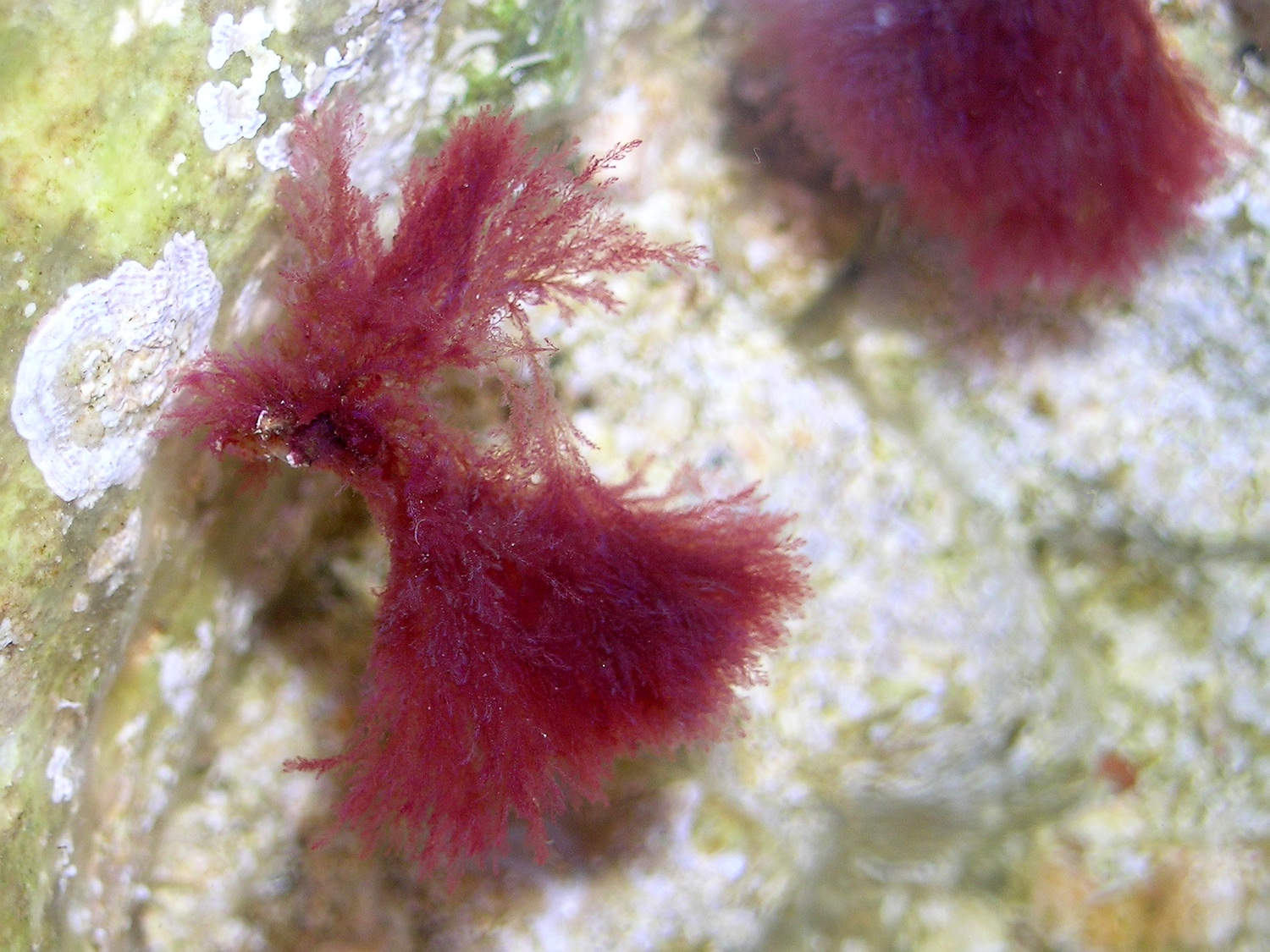
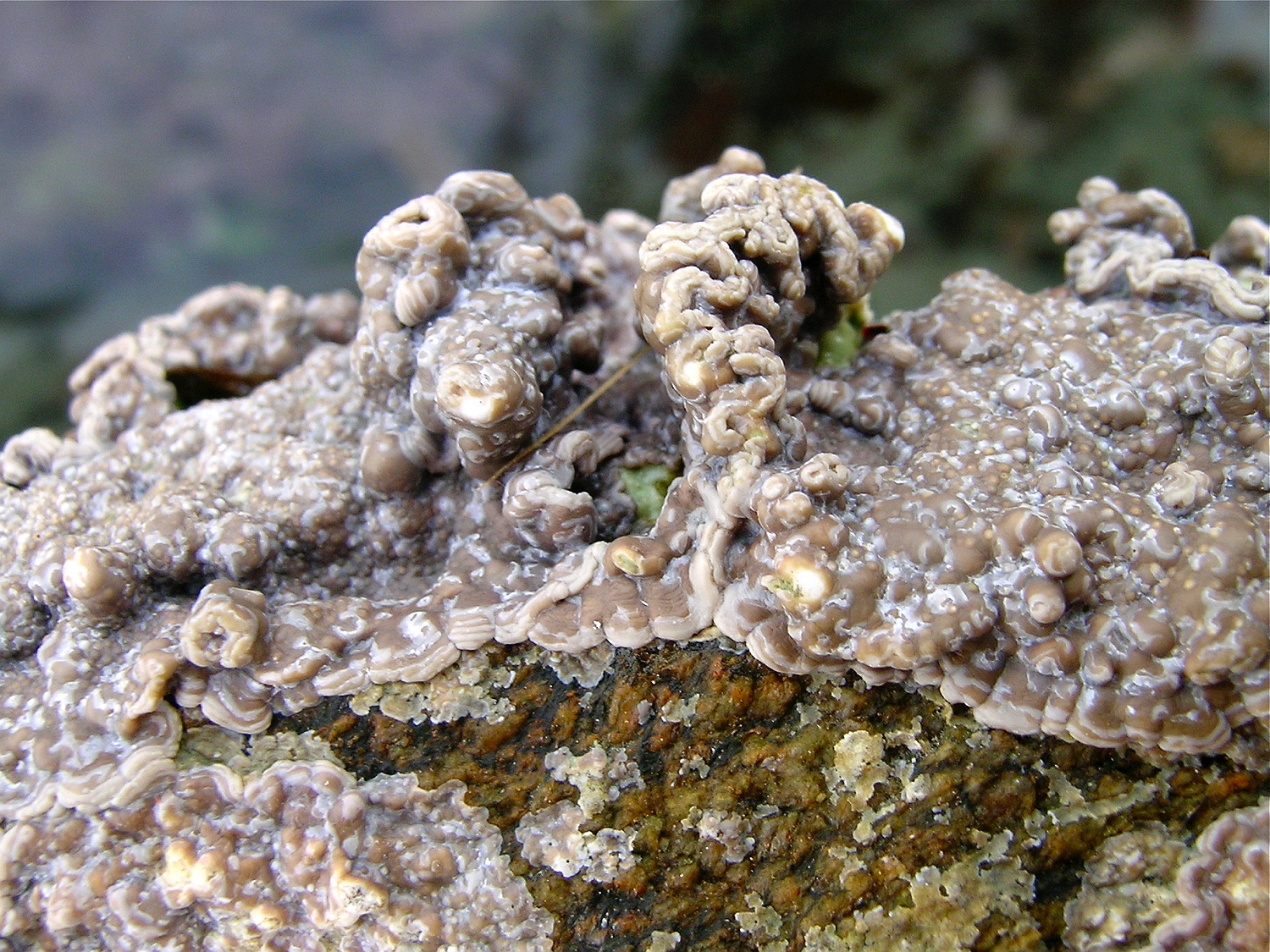
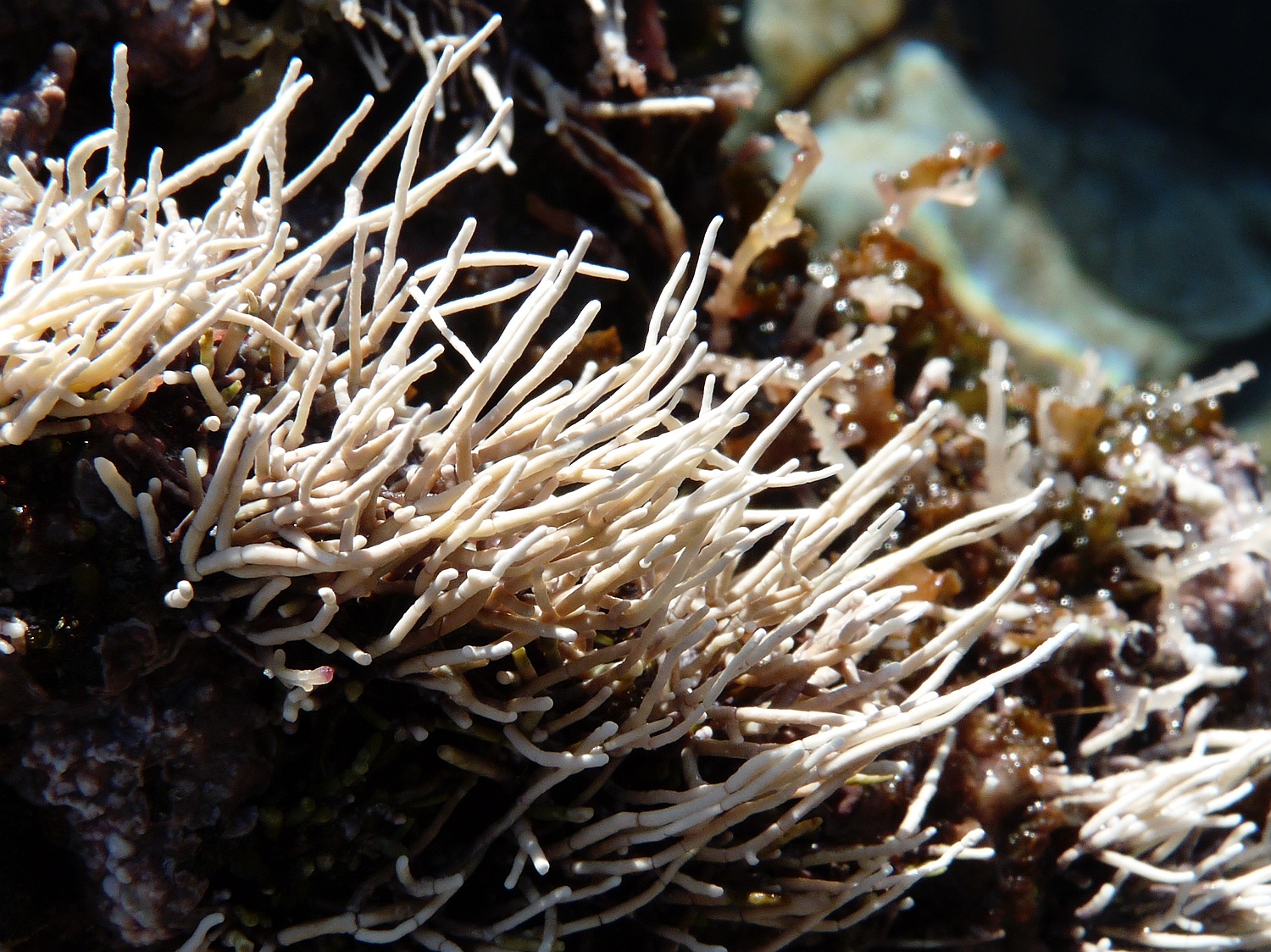
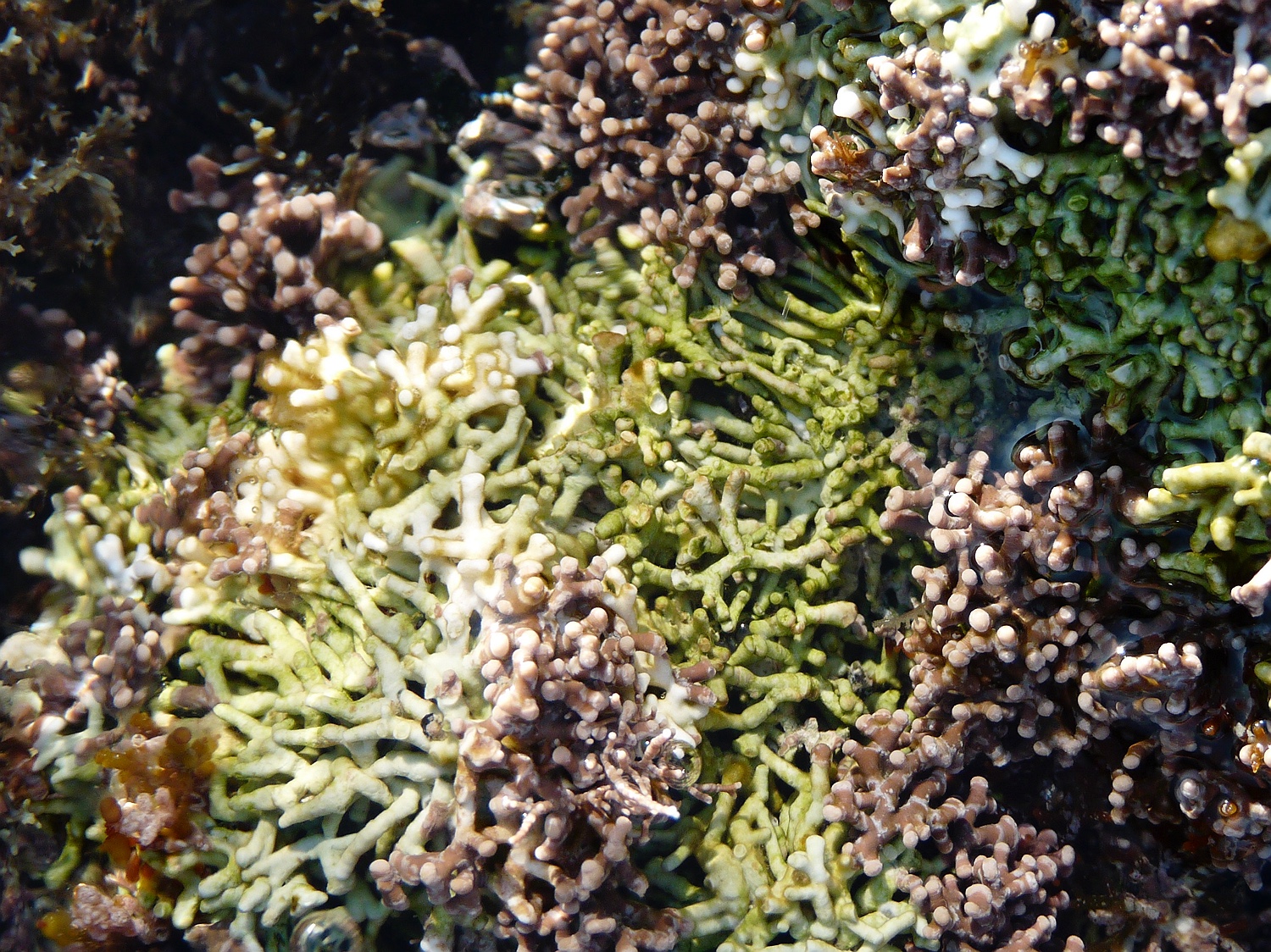
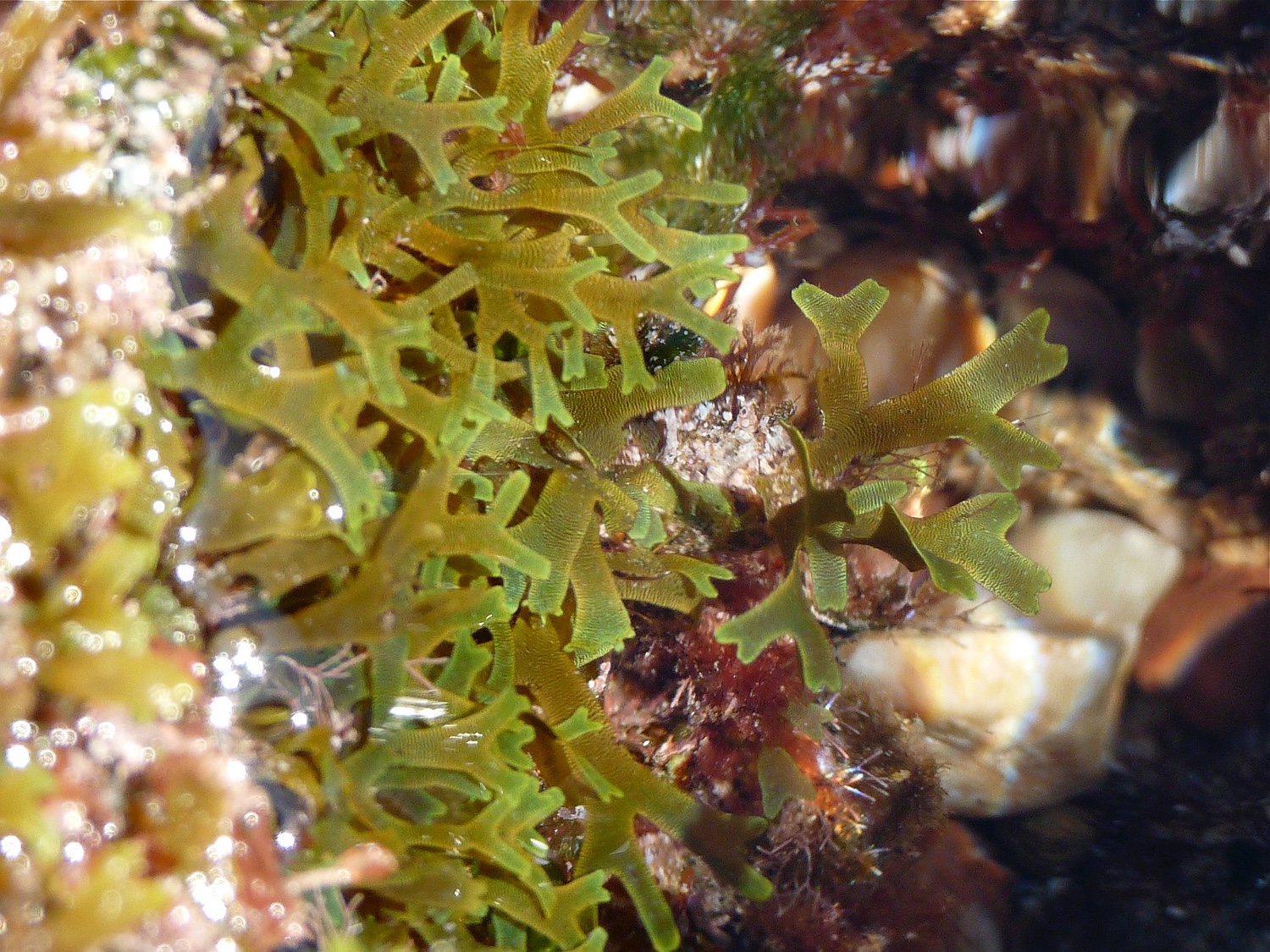
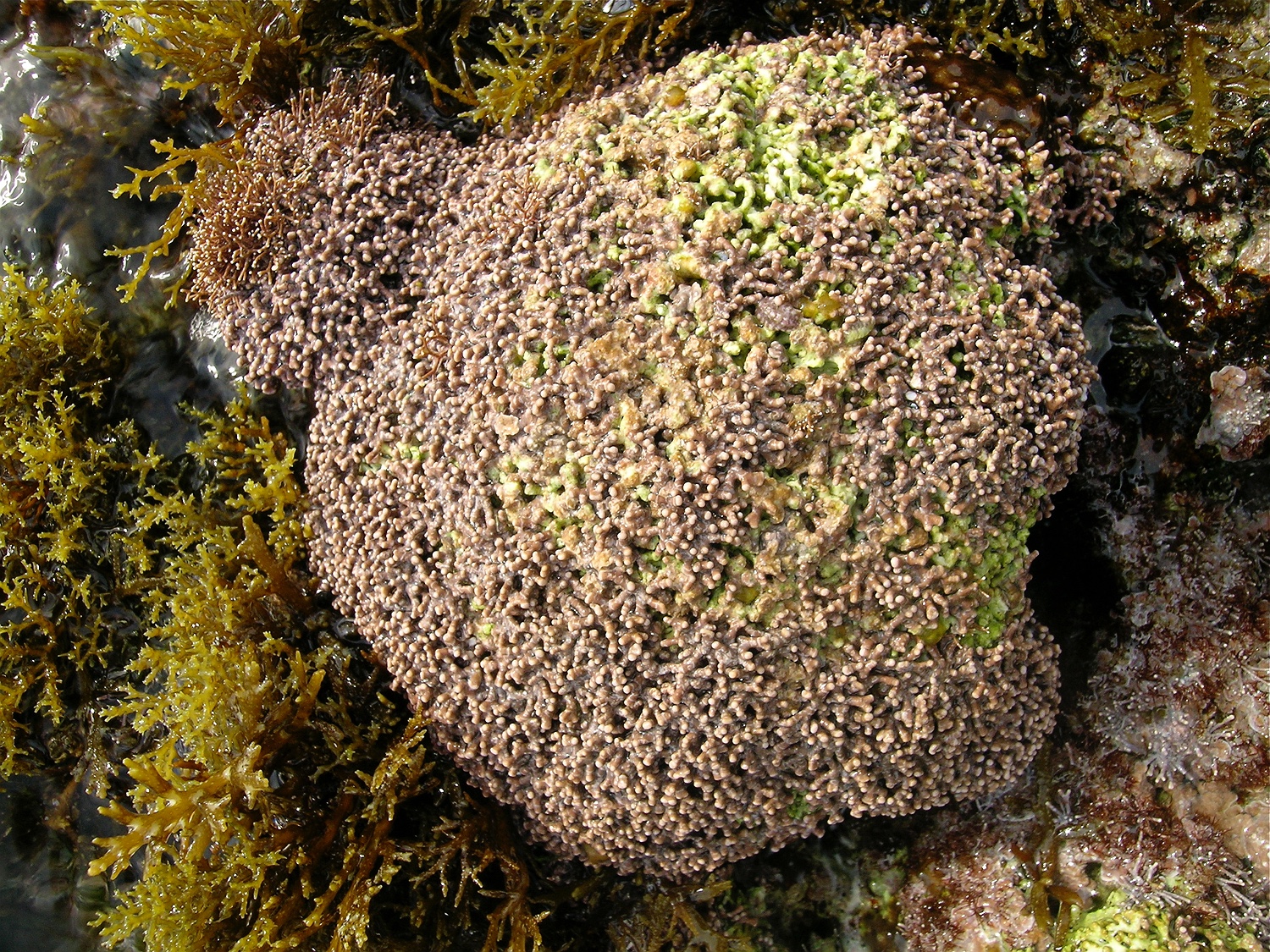
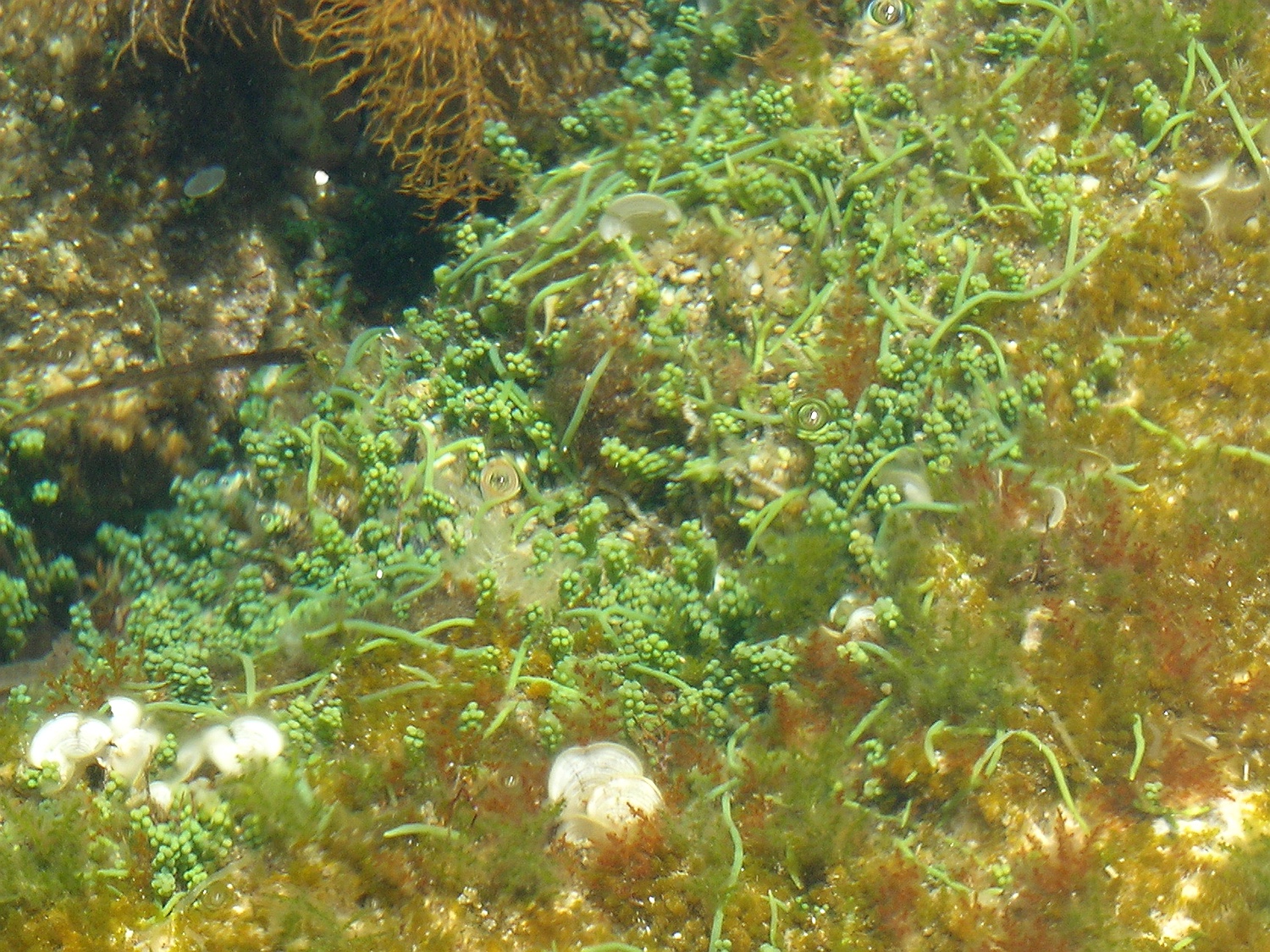
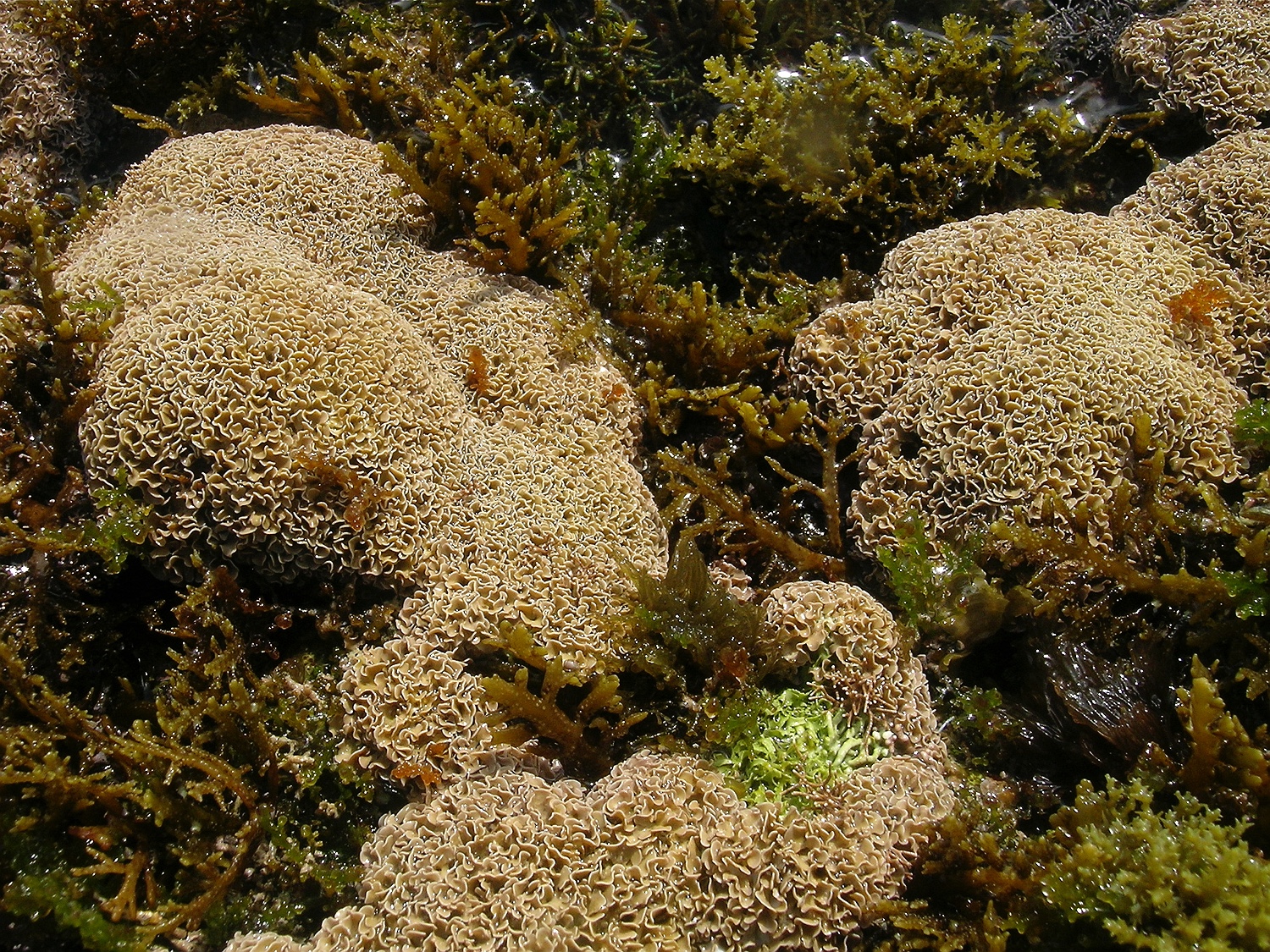
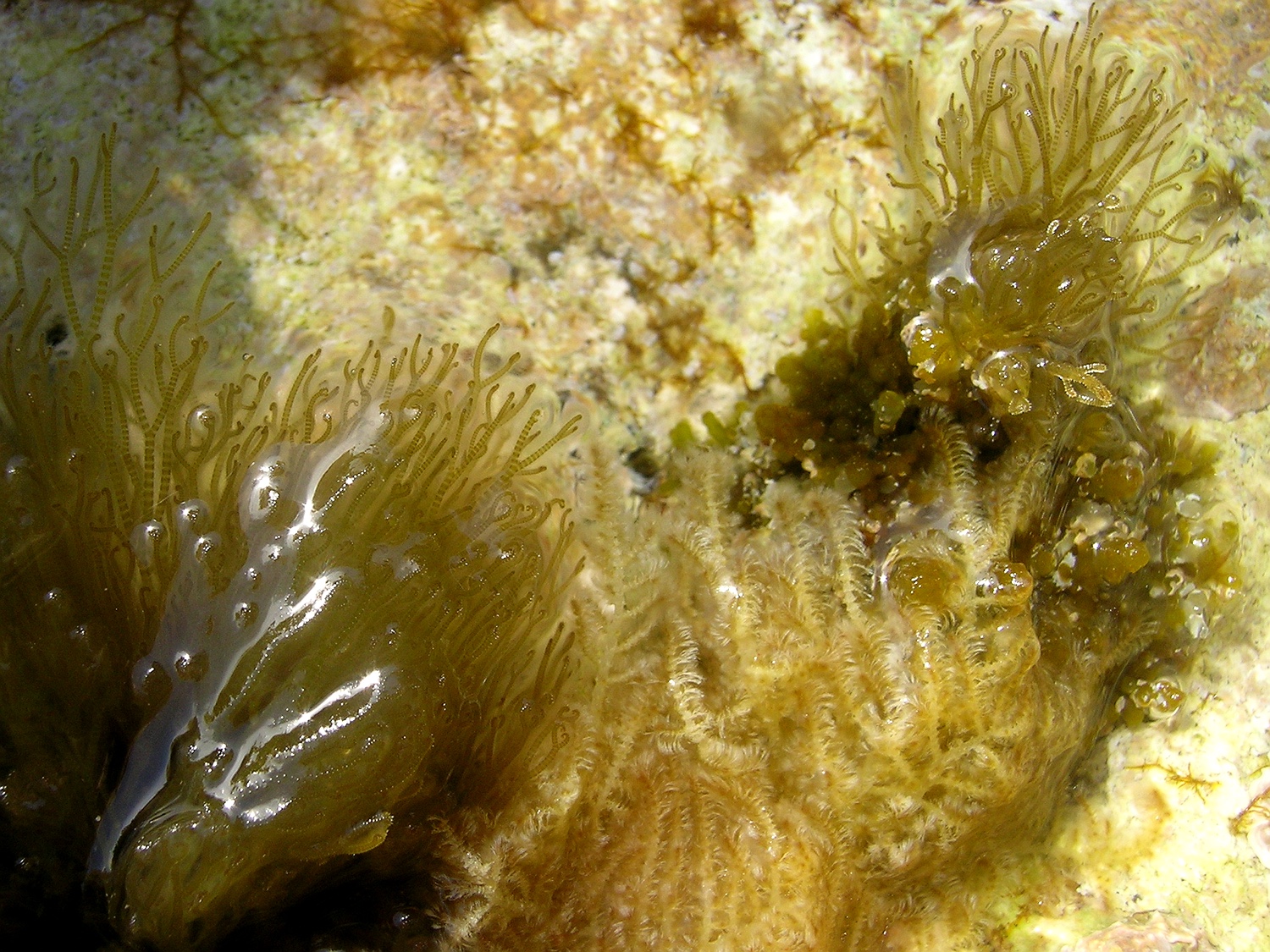
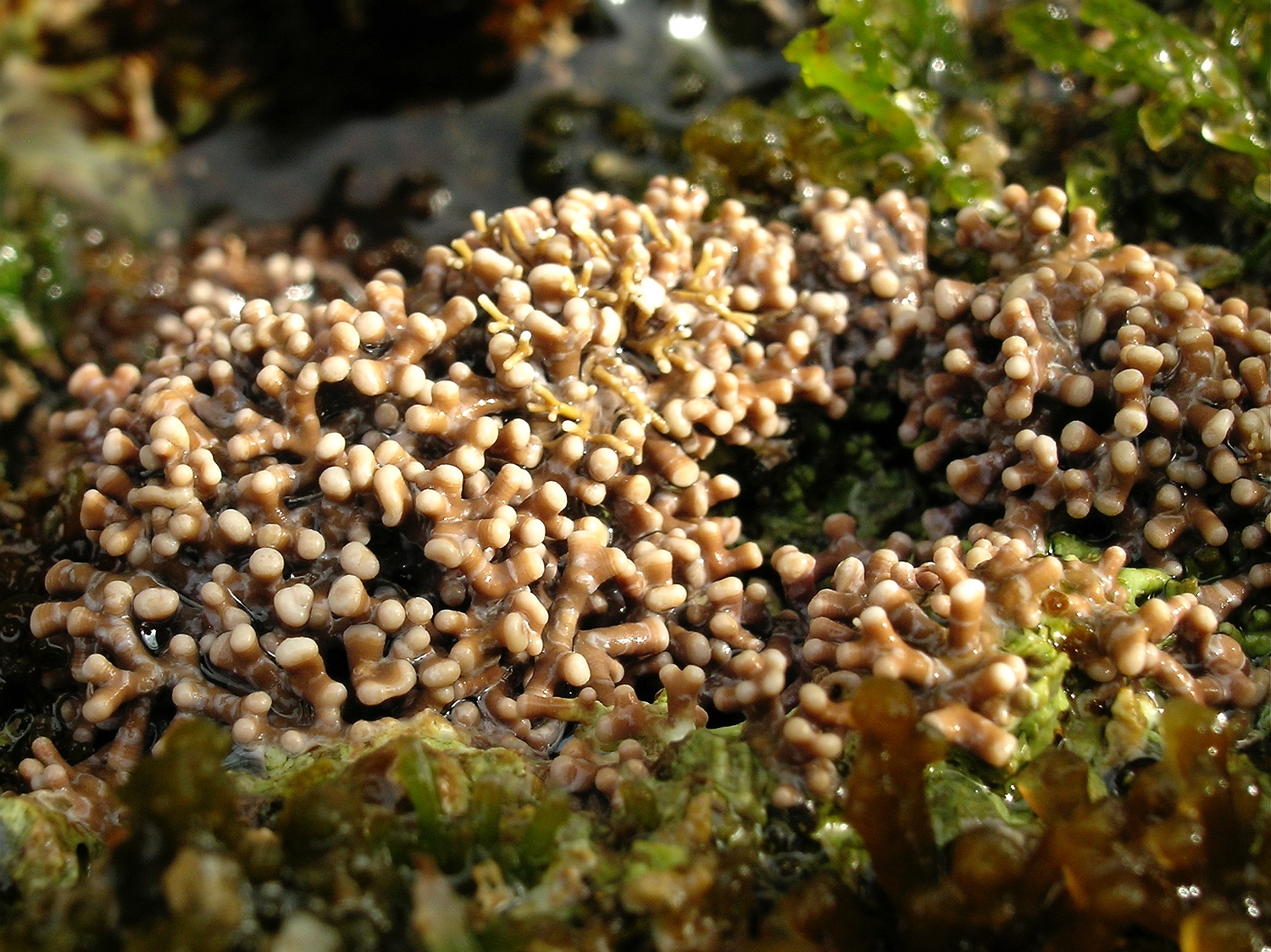
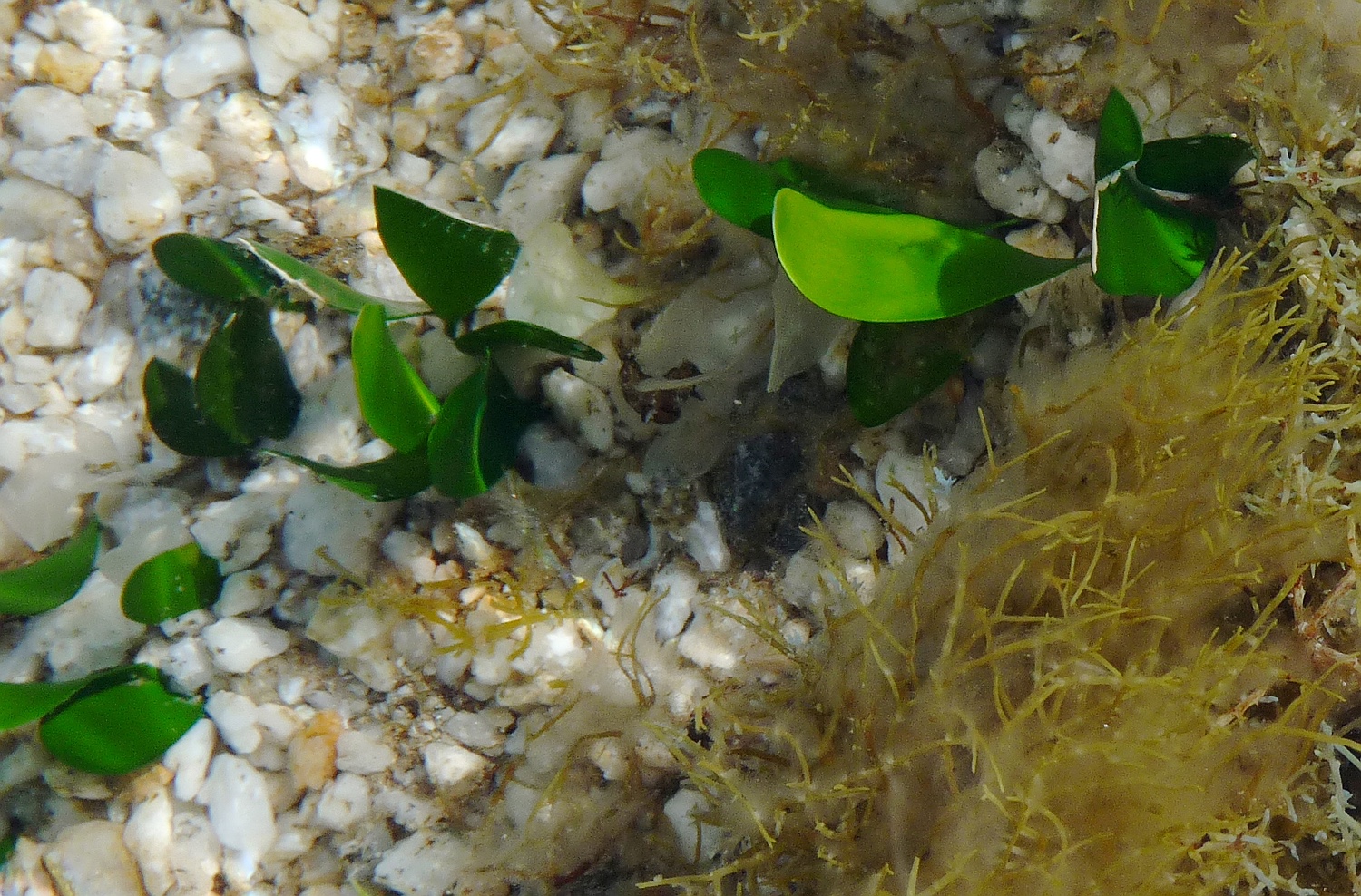
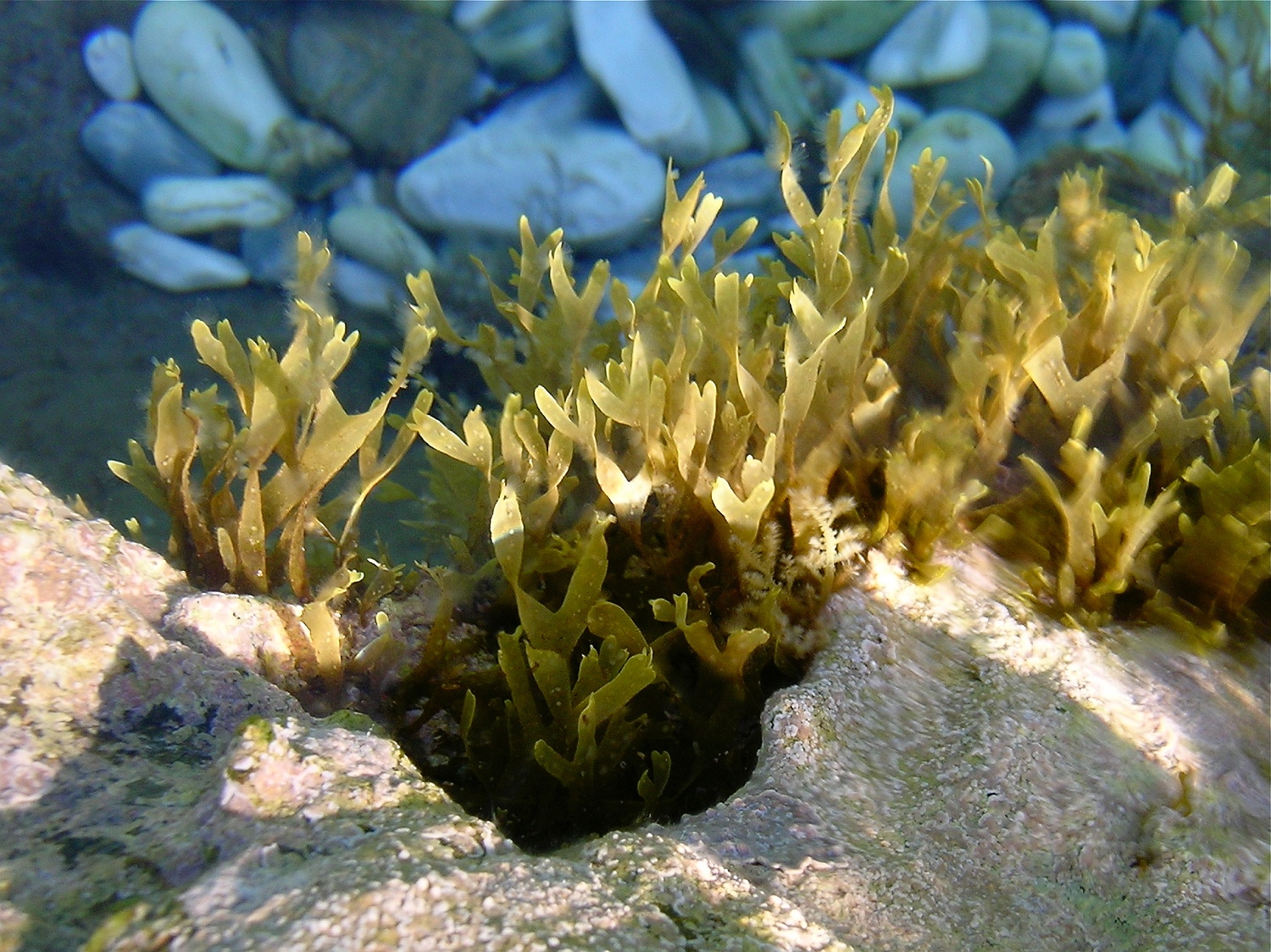
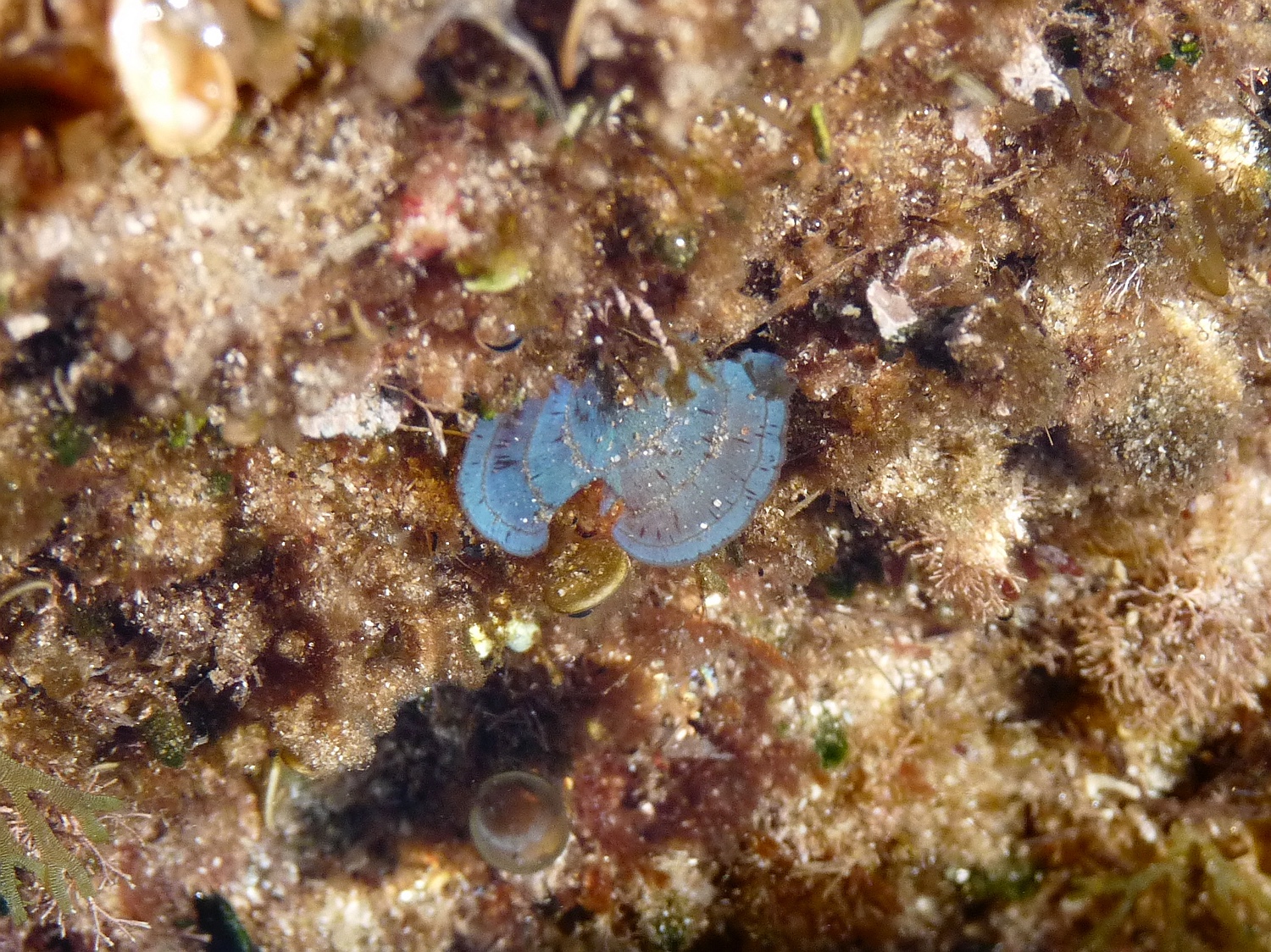
benthic algae grow, is limited to a more or less narrow strip along the coast. Benthic algae play a lesser role as a food source in the sea than planktonic algae, as they protect themselves quite effectively from being eaten by means such as calcium deposits or inedible substances. However, they provide the living space for numerous microscopic and larger animals. Many species grow in the eulittoral (the tidal zone) and can be studied right at the coast.