Flora of the Makares-Islands
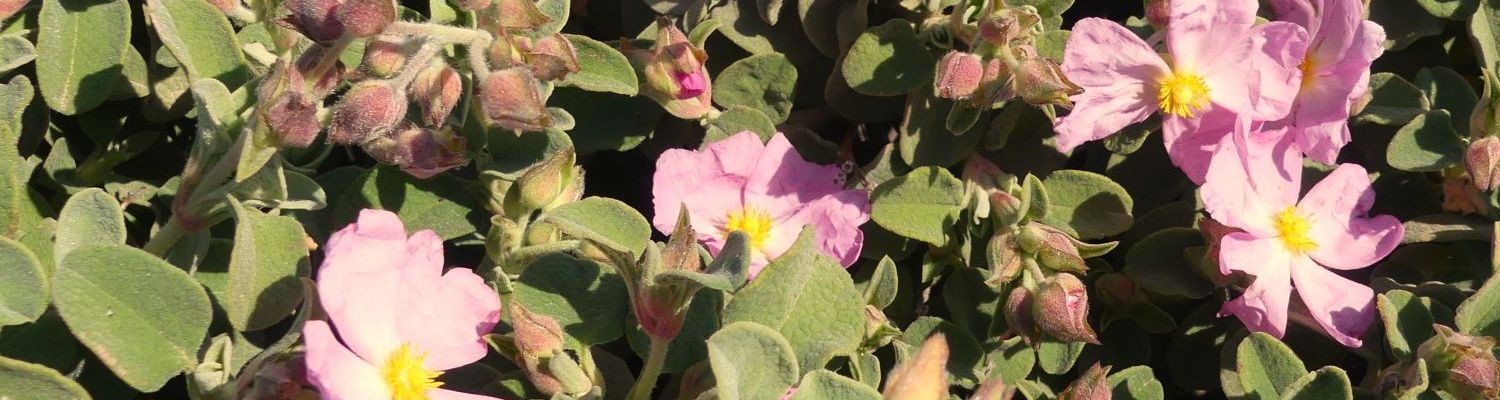
Die Flora der Makares-Inseln Für die Makares-Inseln östlich von Naxos sind – nach dem “Atlas of the Aegean Flora” von Arne Strid – bislang etwa 150 Pflanzenarten verzeichnet: Im Vergleich zu Naxos mit seinen etwa 1000 Arten eine überschaubare Zahl! Dabei ist nicht nur interessant, was für Arten auf den Inseln vorkommen, sondern auch, welche Arten fehlen. Man kann jede der Inseln in einem Tag bequem begehen; so rückt ein vollständiges Erfassen der...

Continue reading

The wonderful Makares-Islands

Every time I visit the Mákares Islands, I can’t stop wondering about this truly wonderful place. And that’s perhaps no surprise, because the nísói makáron of the ancient Greeks, the ‘Fortunate Isles’, were the place where the successful and happy heroes beloved by the gods resided after their death (the deceased were called makárioi, i.e. the “fortunate ones”, those freed from the hardships and torments of earthly life). According to another view,...

Continue reading

Storm petrels on the Makares islands

The storm petrels are inconspicuous and little-known seabirds that even most ornithologists never get to see. I have never seen one and, until recently, did not even know that storm petrel also breed in the Aegean Sea. Now the European storm petrel can be added to the list of breeding birds of Naxos and the surrounding rocky islands. In this article I provide a few photos and a short report on the discovery of this species near Naxos by staff of the Greek organization NCC...

Continue reading

A visit to the shearwaters on the Makares islands

Two species of shearwaters breed in the Aegean Sea: the Yelkouan shearwater and Scopoli’s shearwater. They breed mainly on uninhabited rocky islands, often in small or large colonies. Both species are found on the Mákares islands east of Moutsoúna. Shearwaters, which are related to albatrosses, spend most of their lives on the oceans, where they fly continuously just above the water’s surface, taking advantage of the updrafts above the waves to hunt for small...

Continue reading

Snorkeling at the islands of Makares

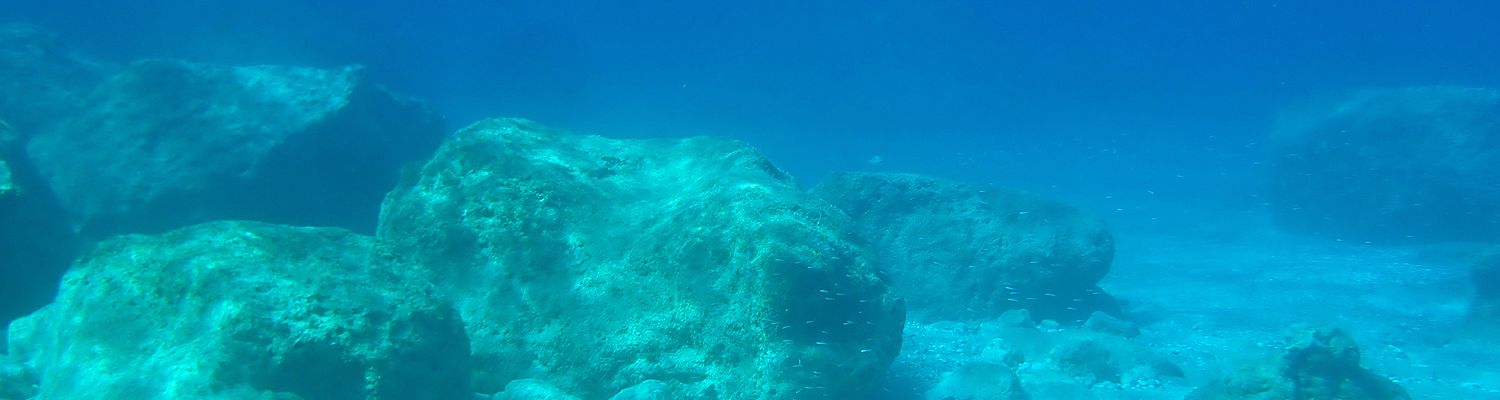
Diesen Sommer sind wir einmal zu den Mákares-Inseln gefahren, wo wir wunderbar geschnorchelt haben. Hier ein paar Fotos: Mit den bizarren Felsen wirkt die Unterwasserlandschaft vielerorts sehr malerisch. Die Felsen sind von allerlei Algen bewachsen. Viele Algen sehen sehr hübsch aus! ein Seepapagei Eine kleine Seegras-“Insel”: Seegras-Wiesen sind die Kinderstube des Meeres und damit überaus wichtig für die Fischbestände; außerdem sind sie gigantische...

Continue reading

Eleonora's falcon

One of the most beautiful and interesting bird species one may see in our area is Eleonora’s falcon. It is a mediterranean species with 90 % of its breeding population (over 10,000 breeding pairs) living in the Aegean; the rest is scattered throughout other regions of the Mediterranean and the Canary Islands. Eleonora’s falcon breeds in colonies of usually a few dozen to a hundred pairs, mainly on small, uninhabited rocky islands. It is a migratory bird and...

Continue reading

Makares - uninhabited islands out of paradise

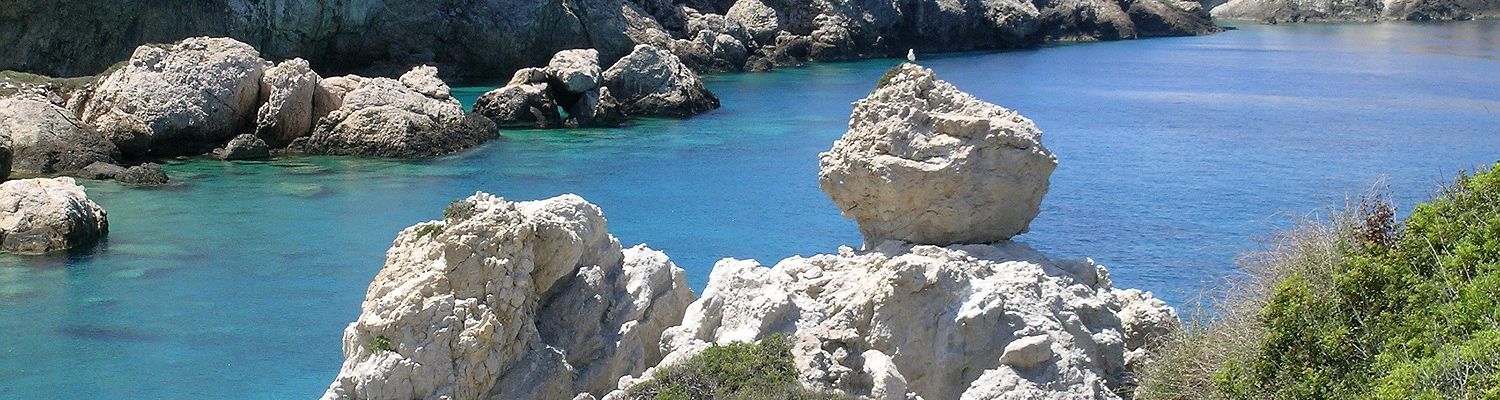
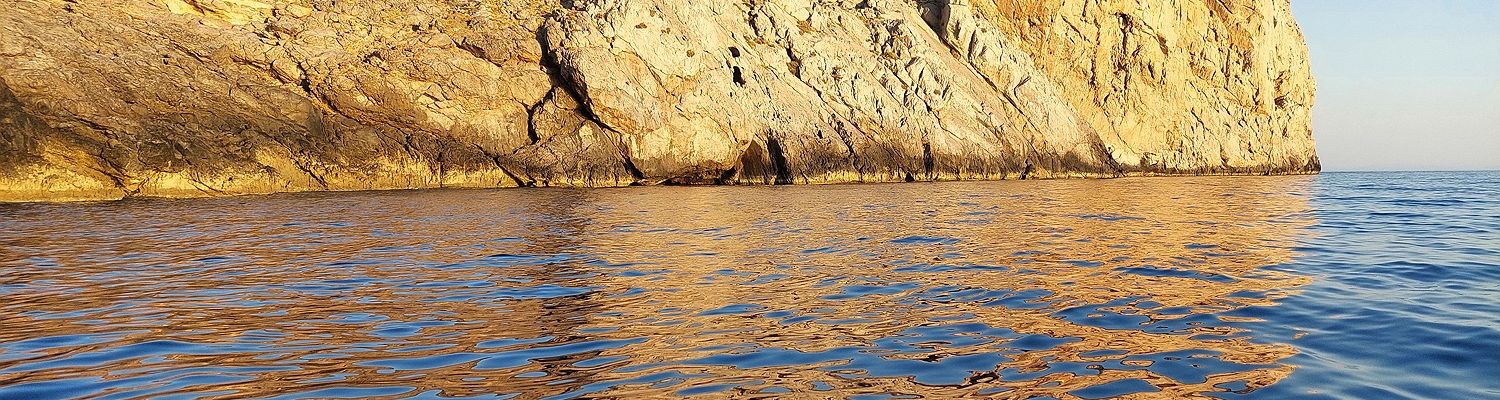
About seven kilometers off the east coast of Naxos, directly opposite Azalás, lies an uninhabited group of islands, the Mákares Islands. We see them every day, but it is something else to take a boat out on a windless day and actually go there: the islands seem to be left over pieces of paradise! the Mákares Islands; in the background on the left the inhabited island of Donoussa The Mákares group consists of three islands: the largest, called Ágios Nikólaos, is located in...

Continue reading