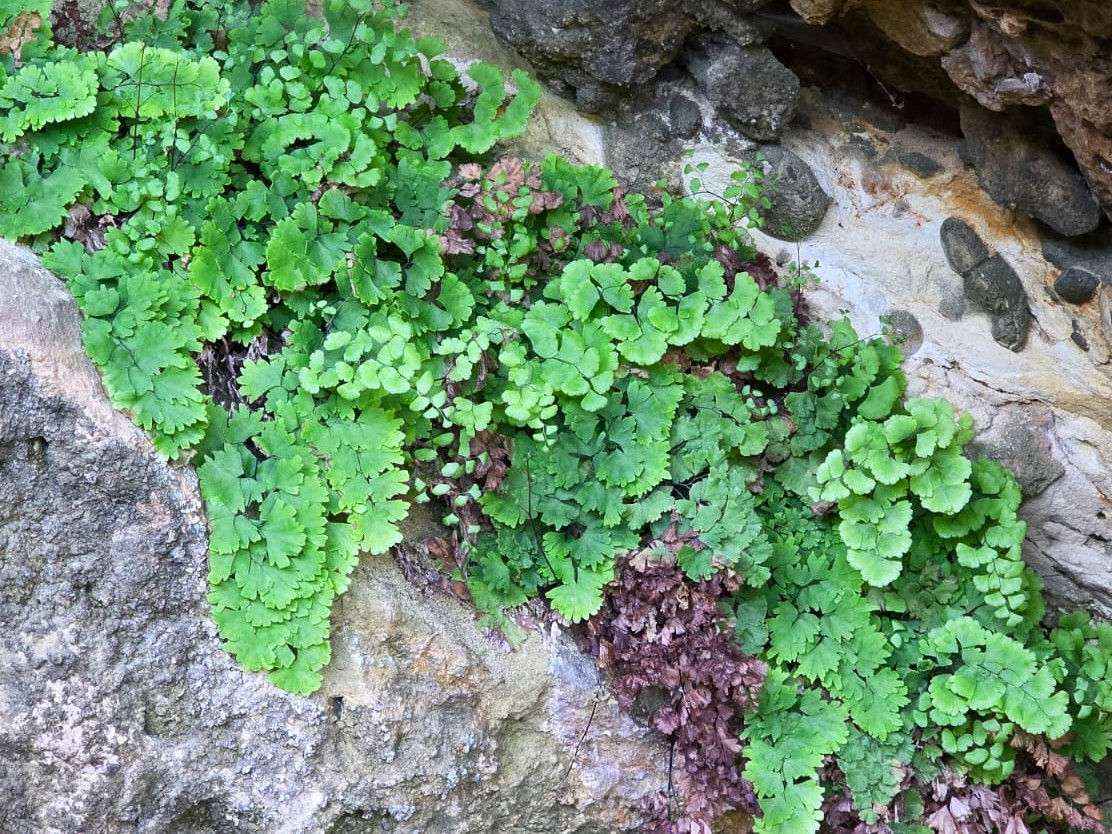
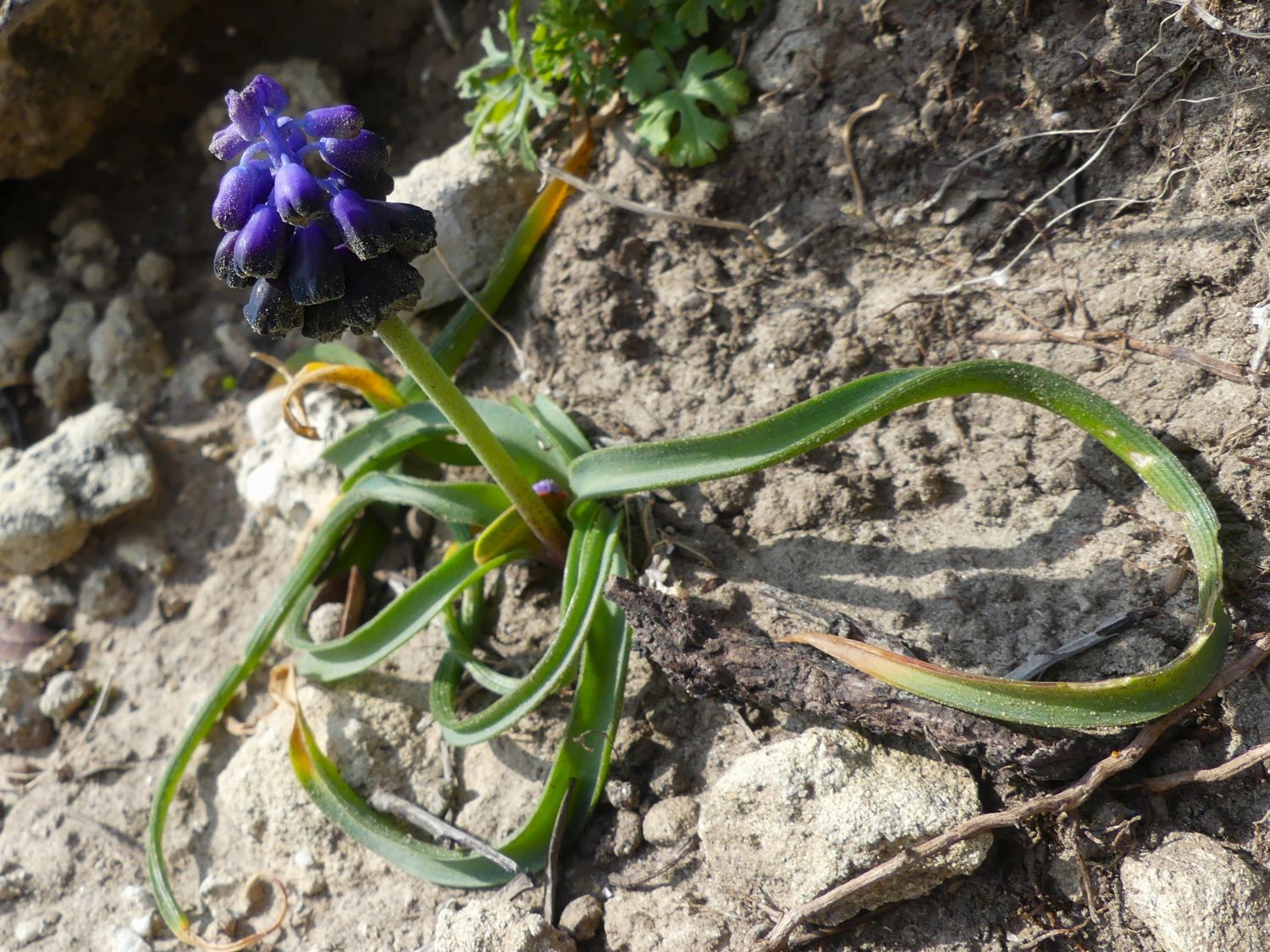
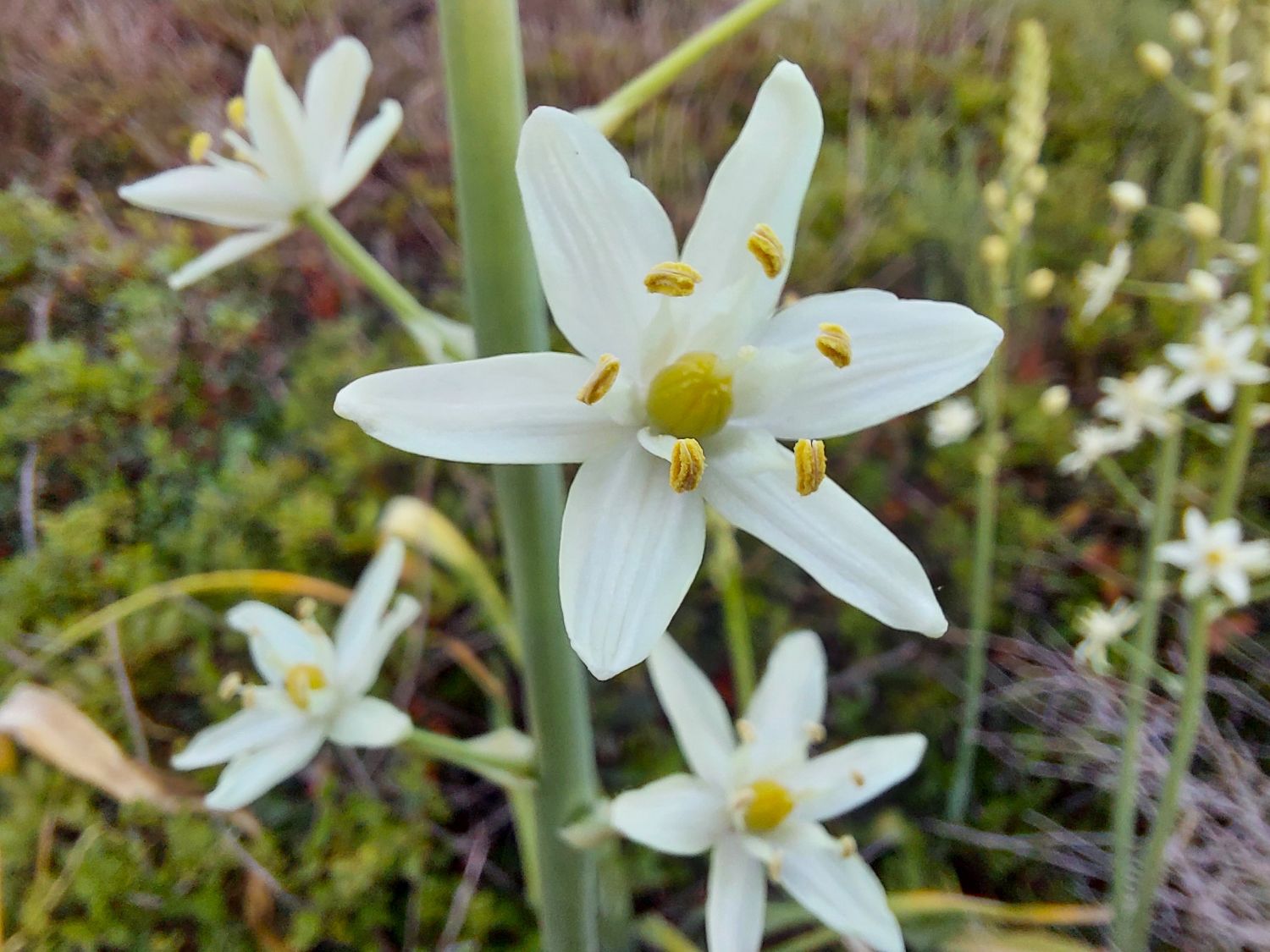
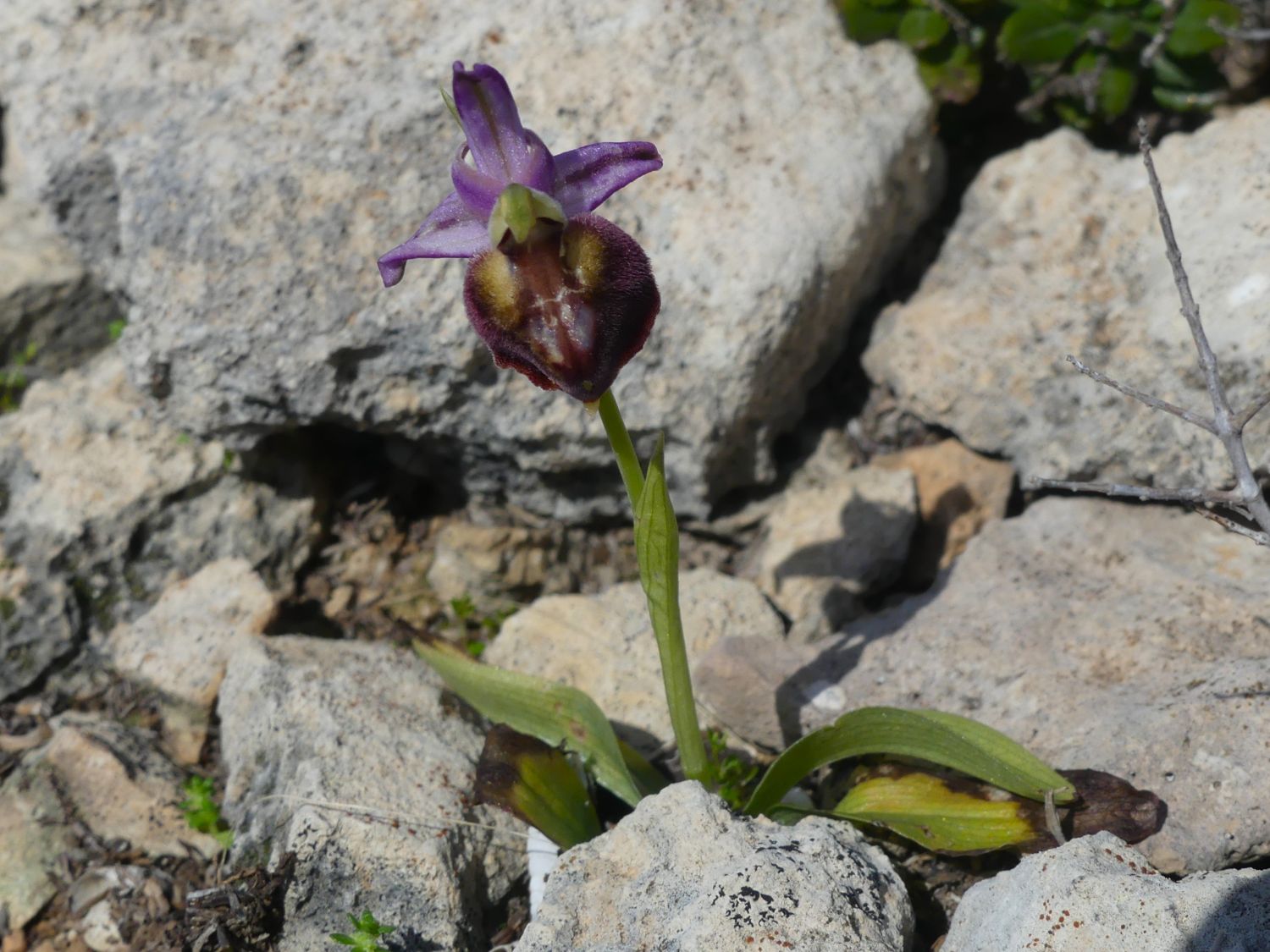
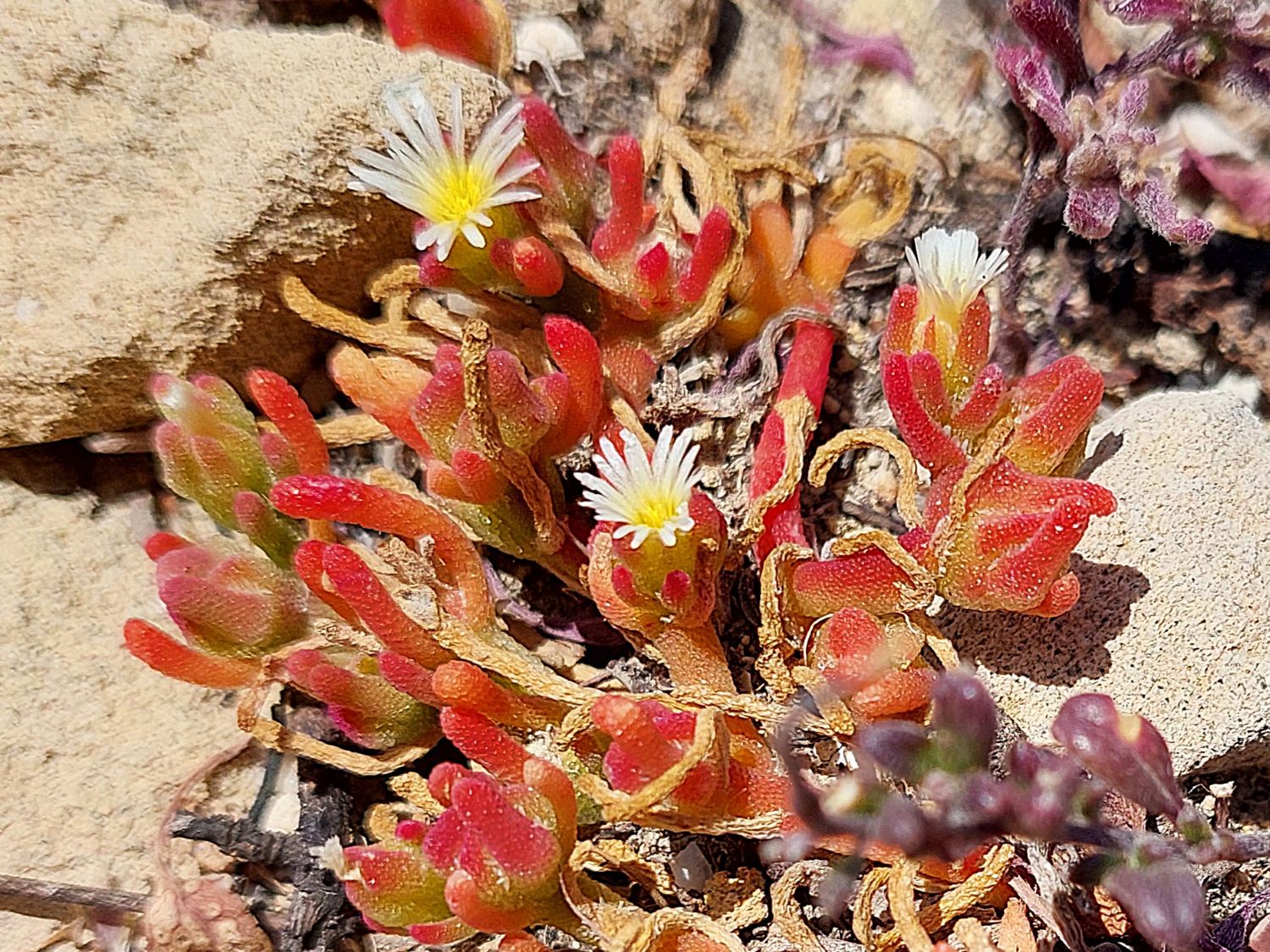
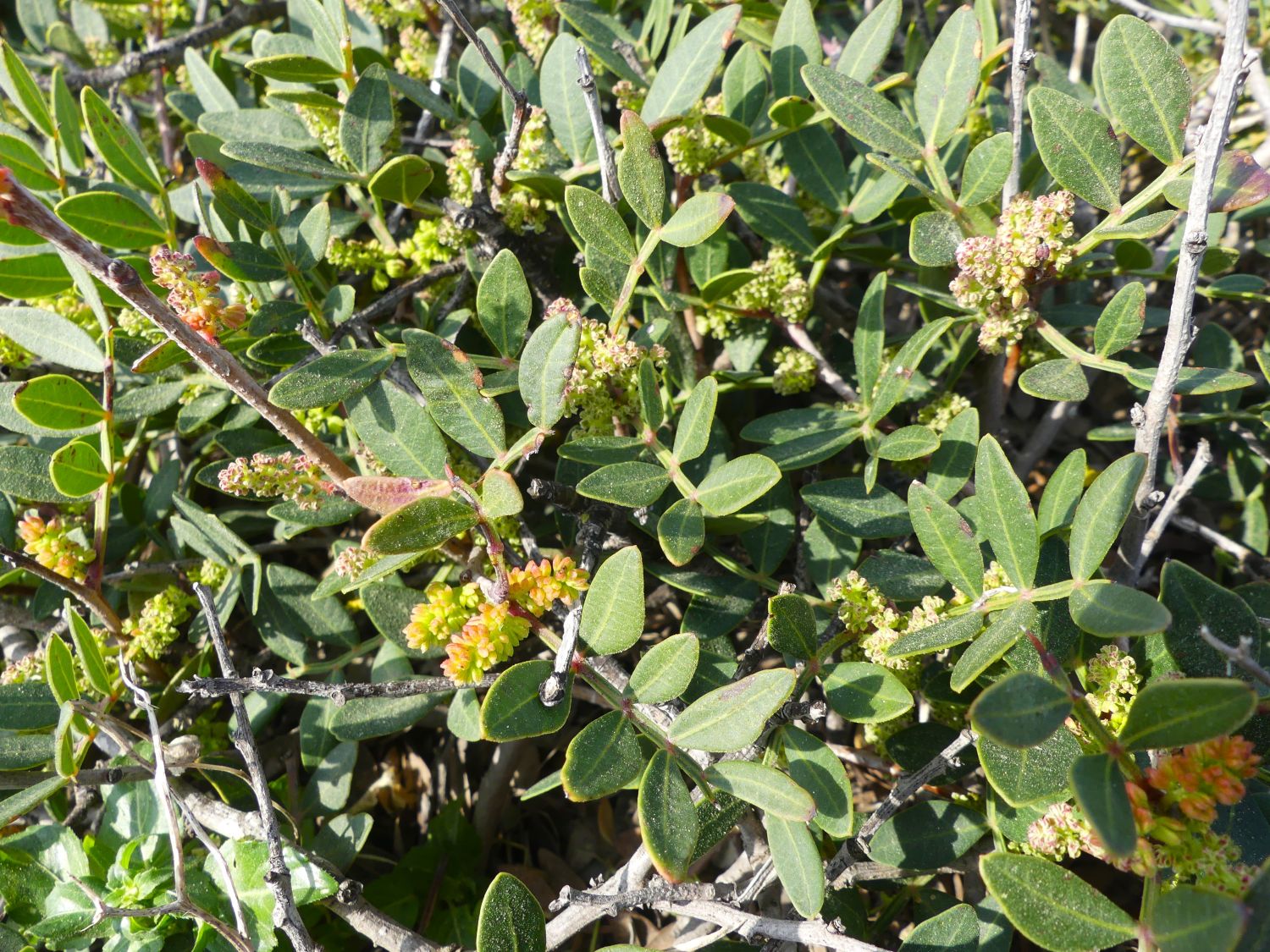
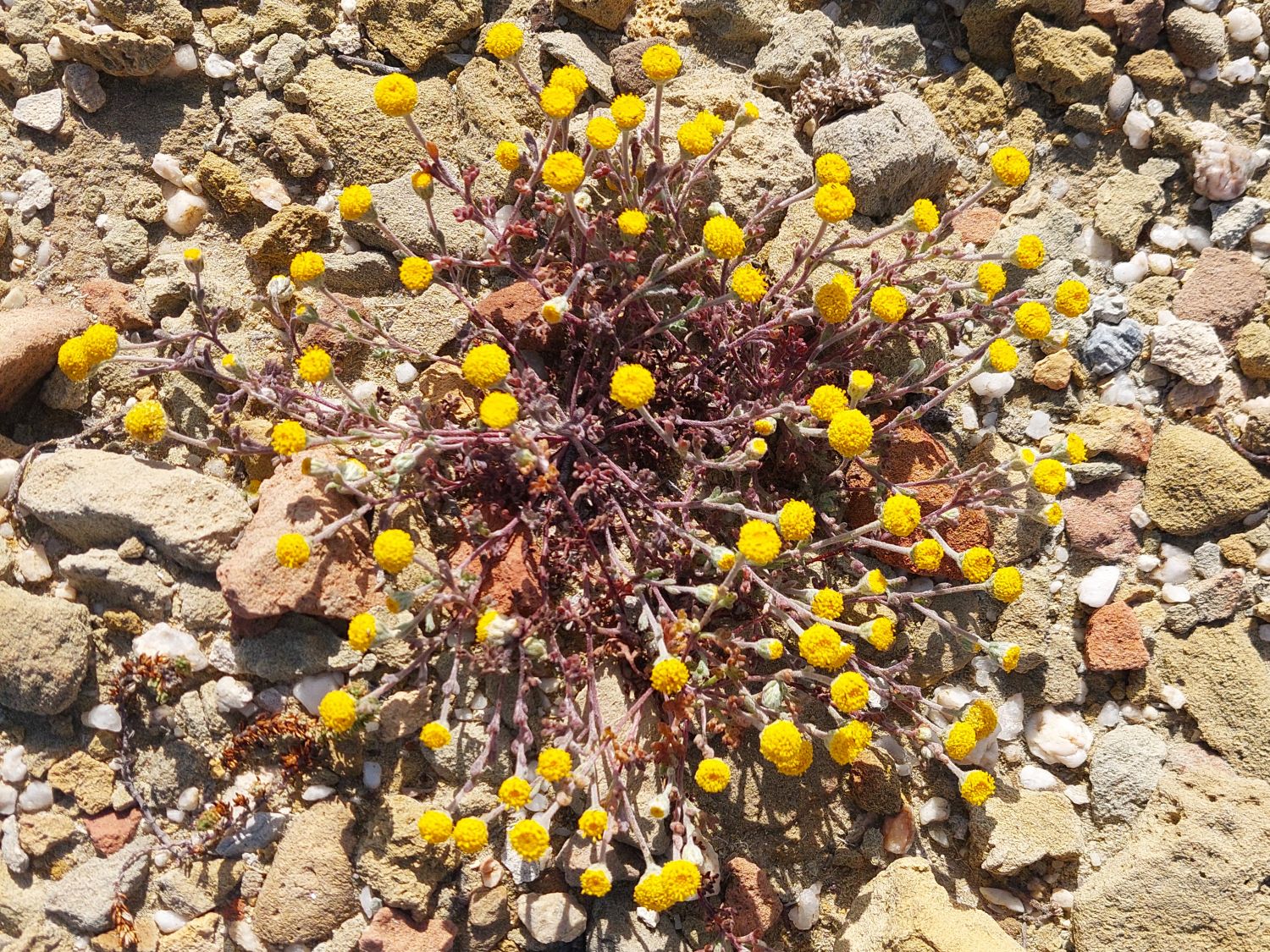
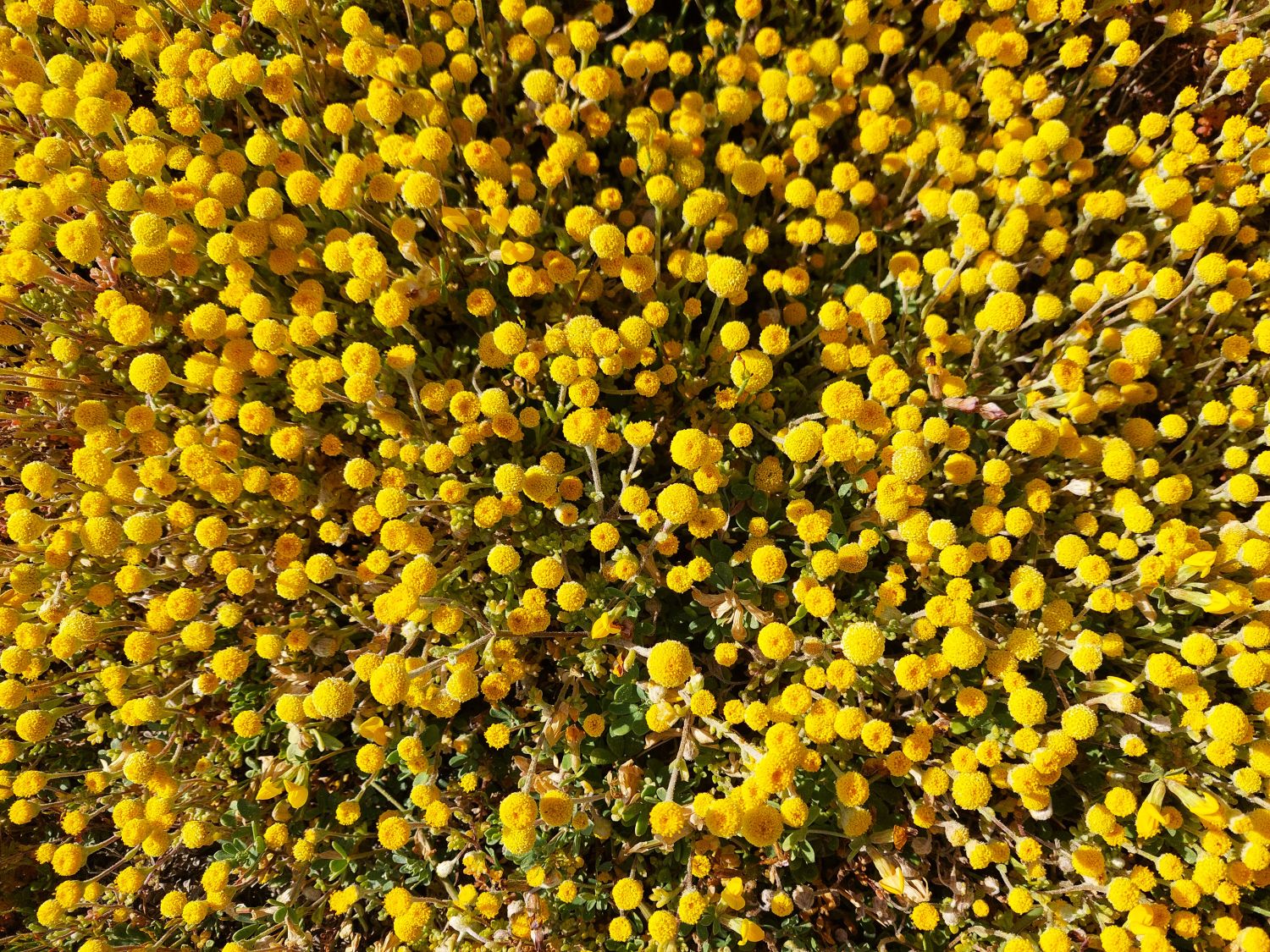
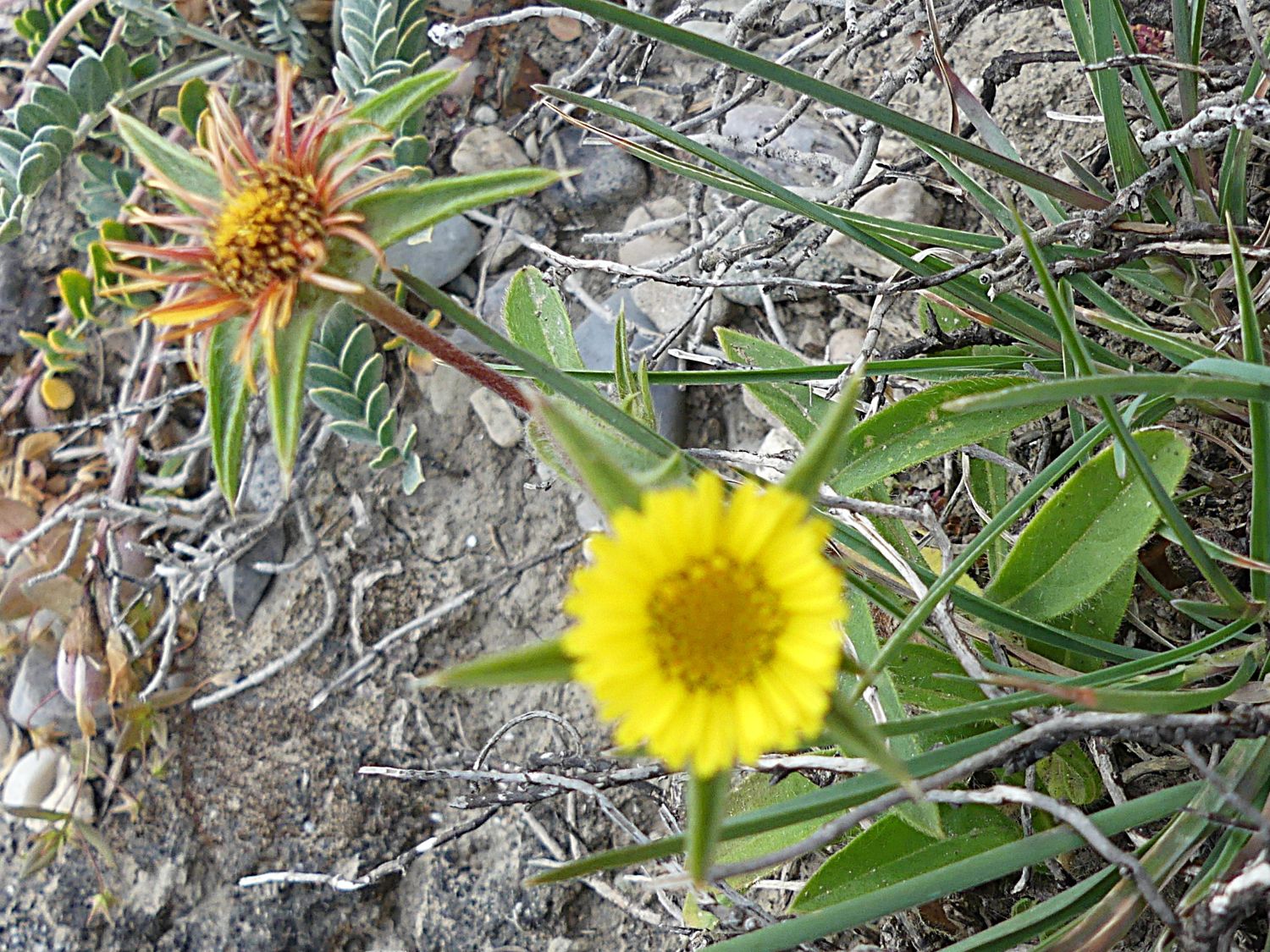
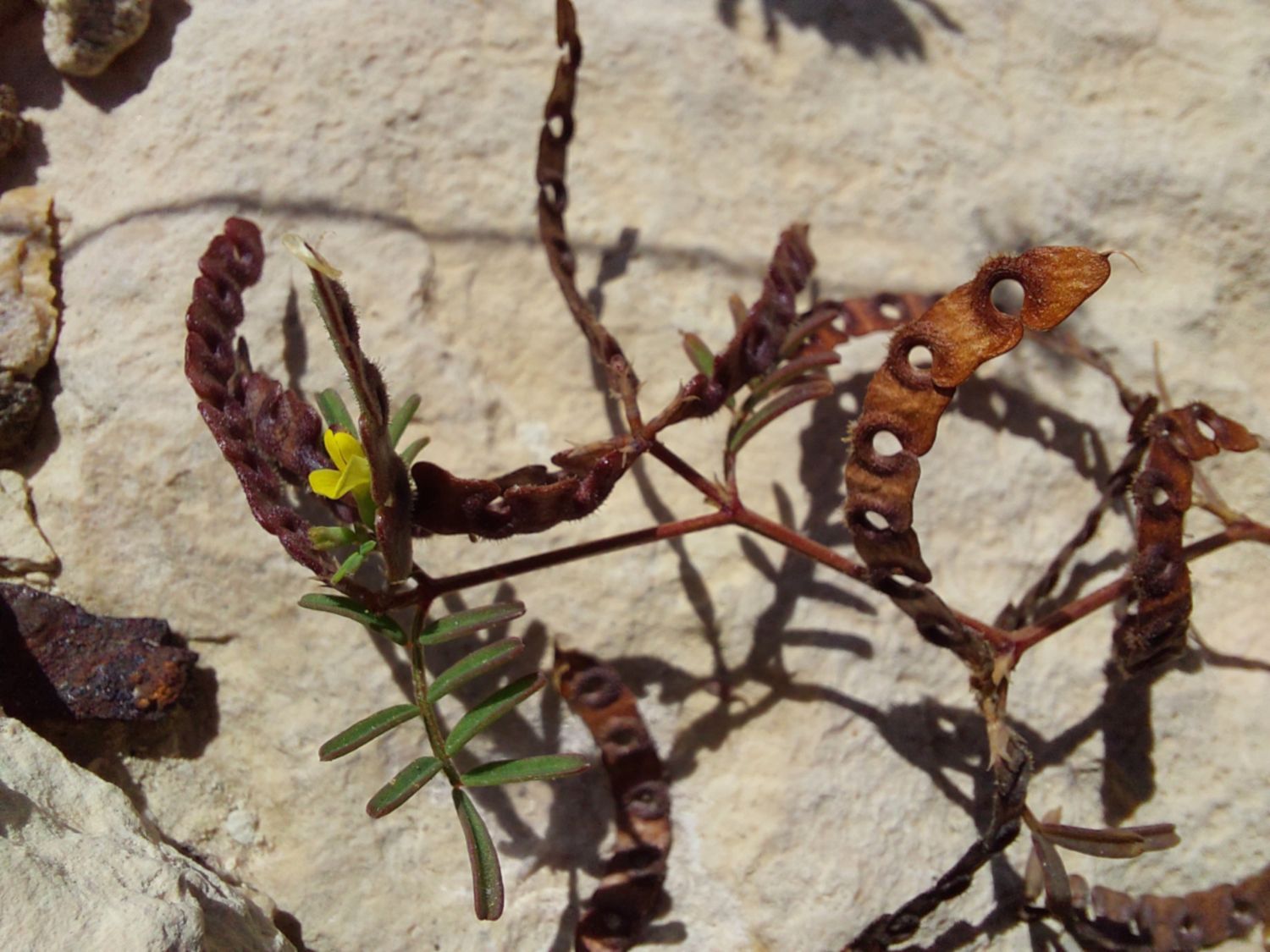
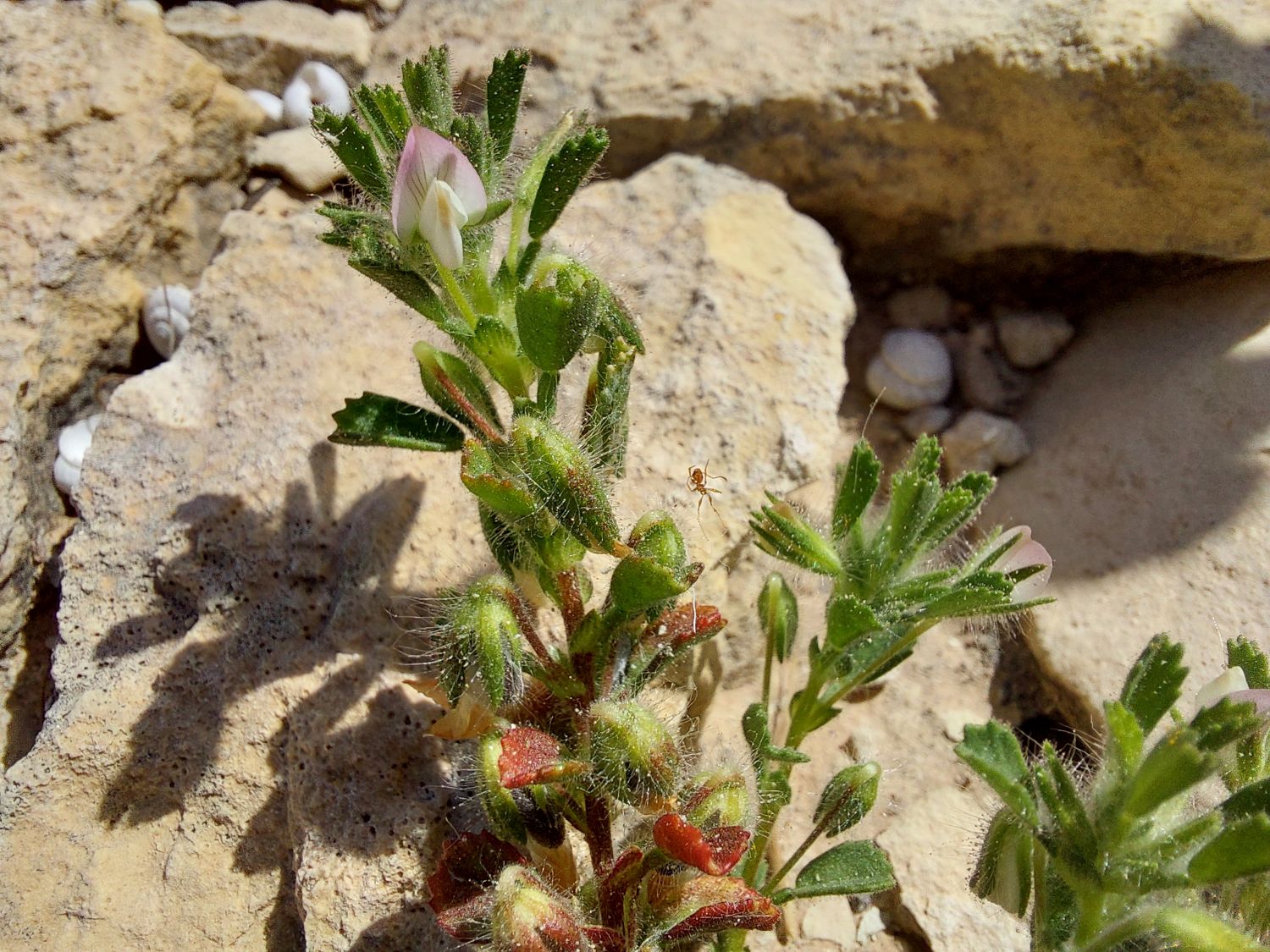
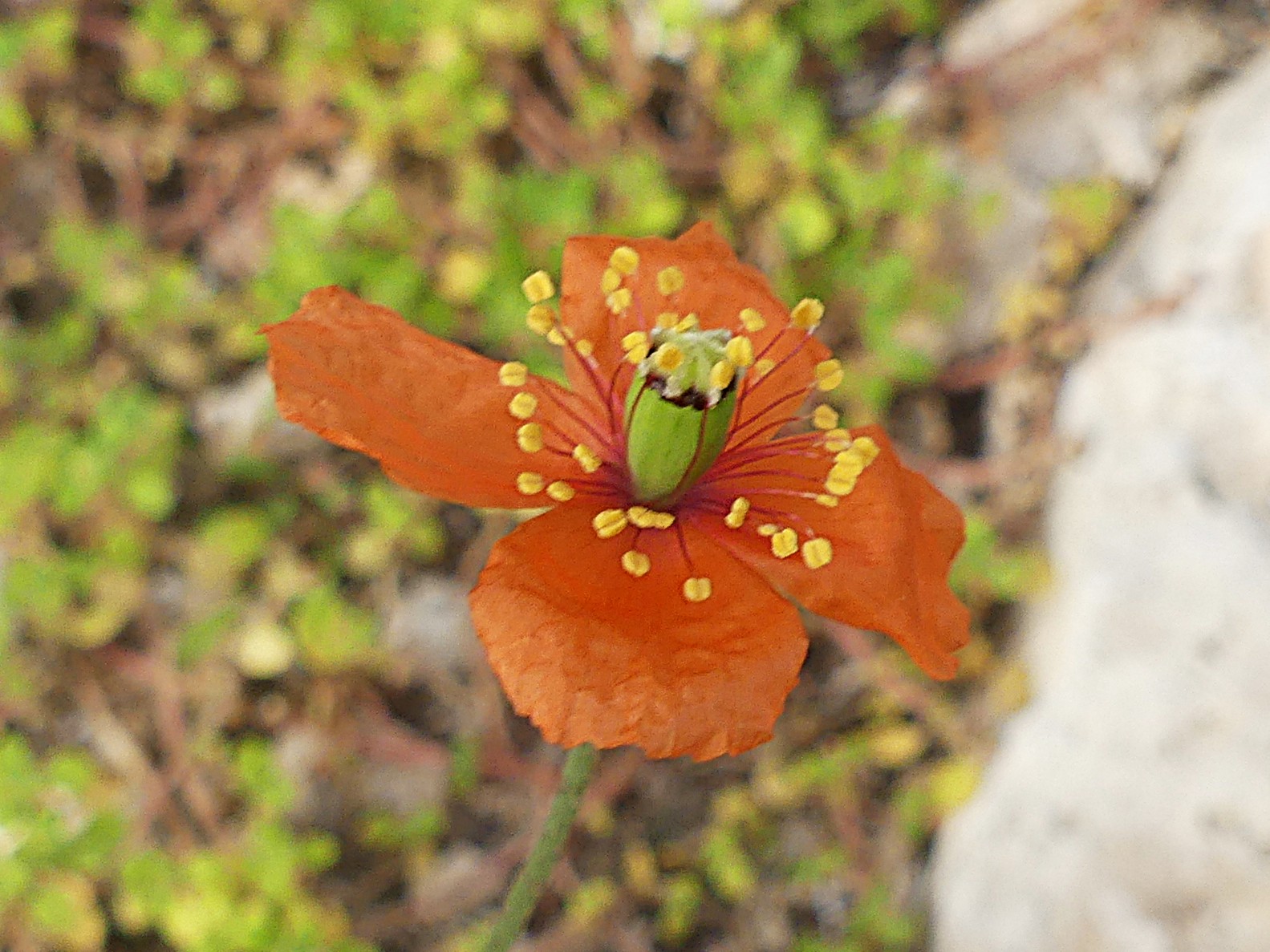
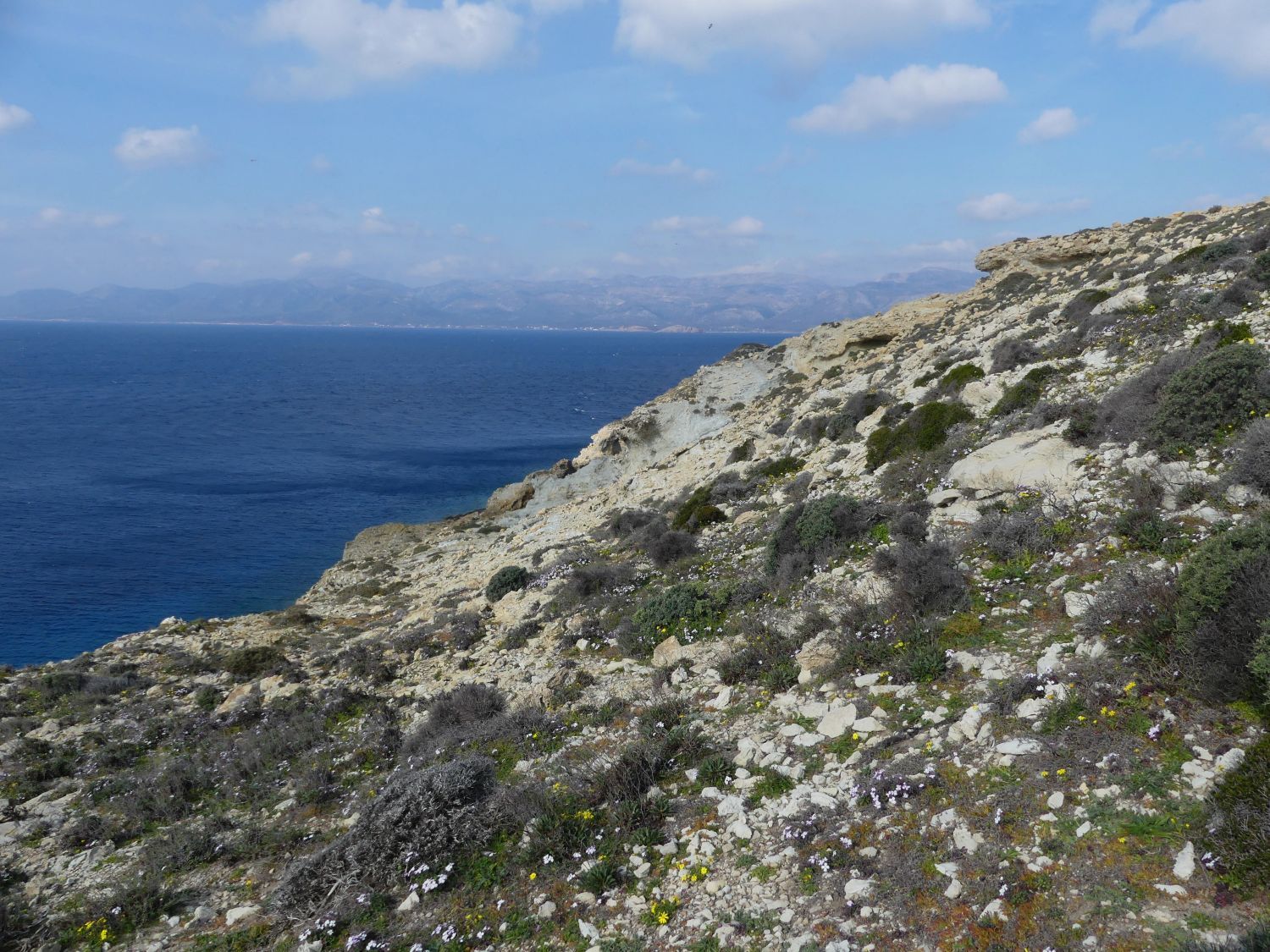
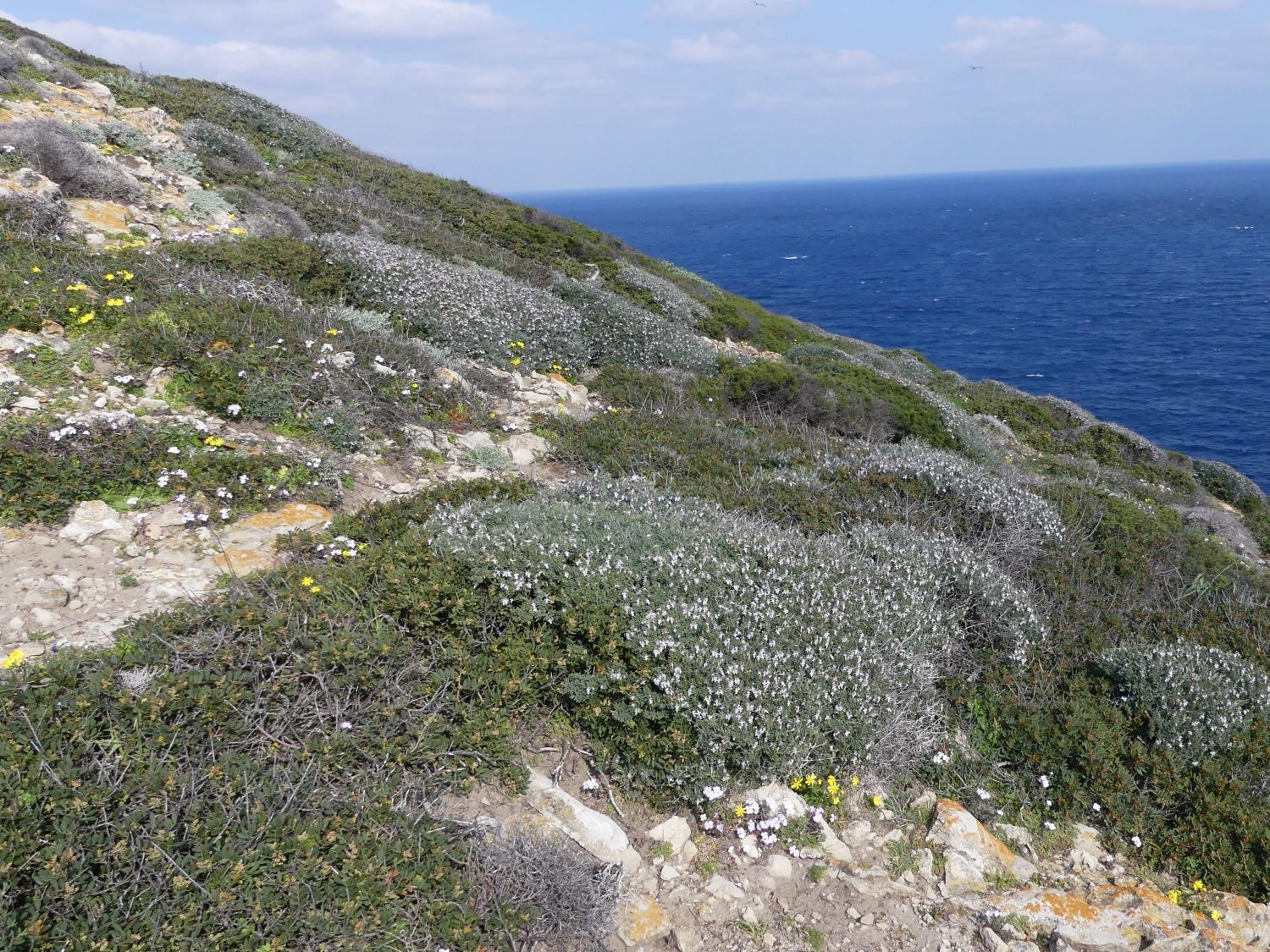
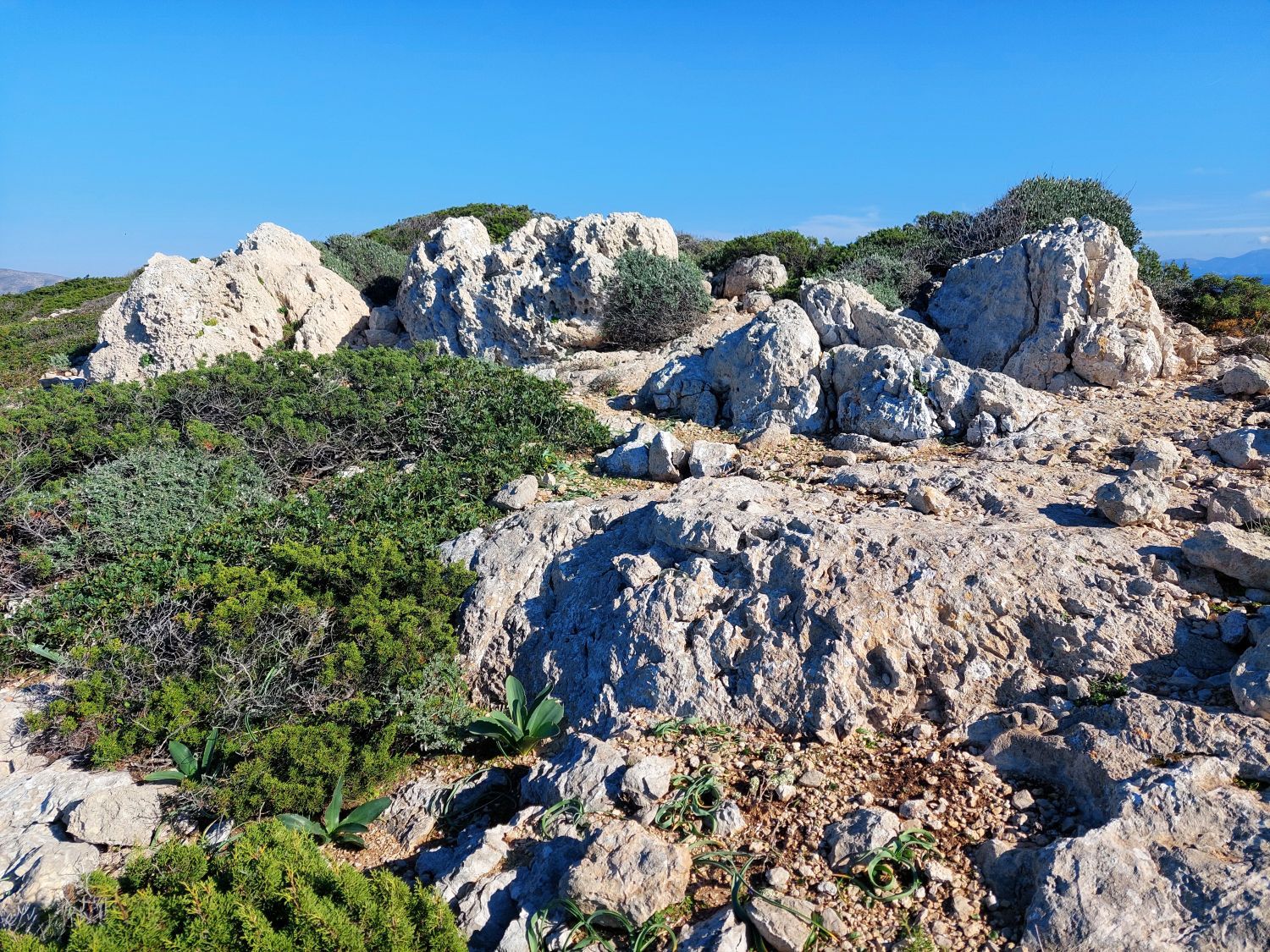
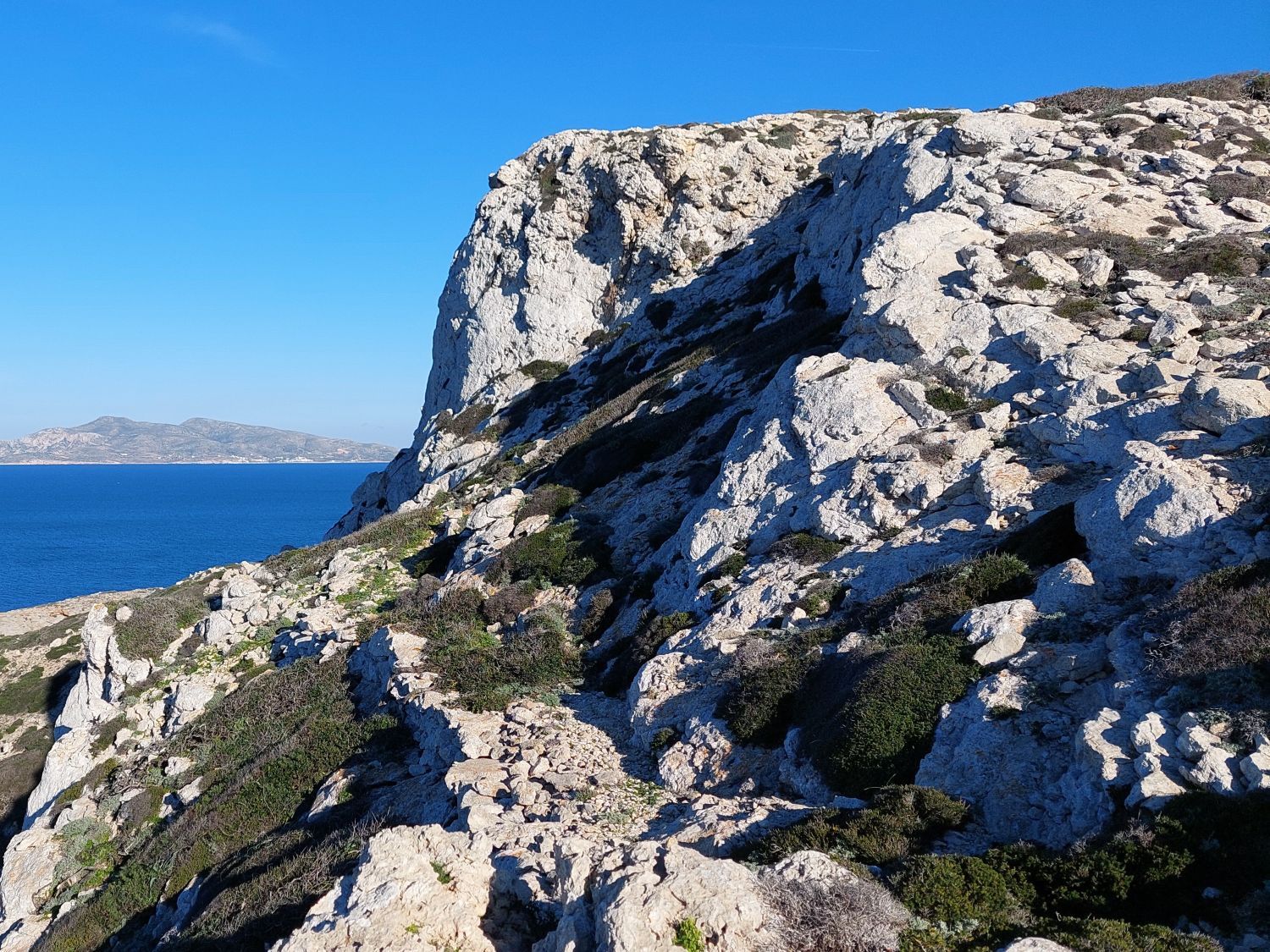
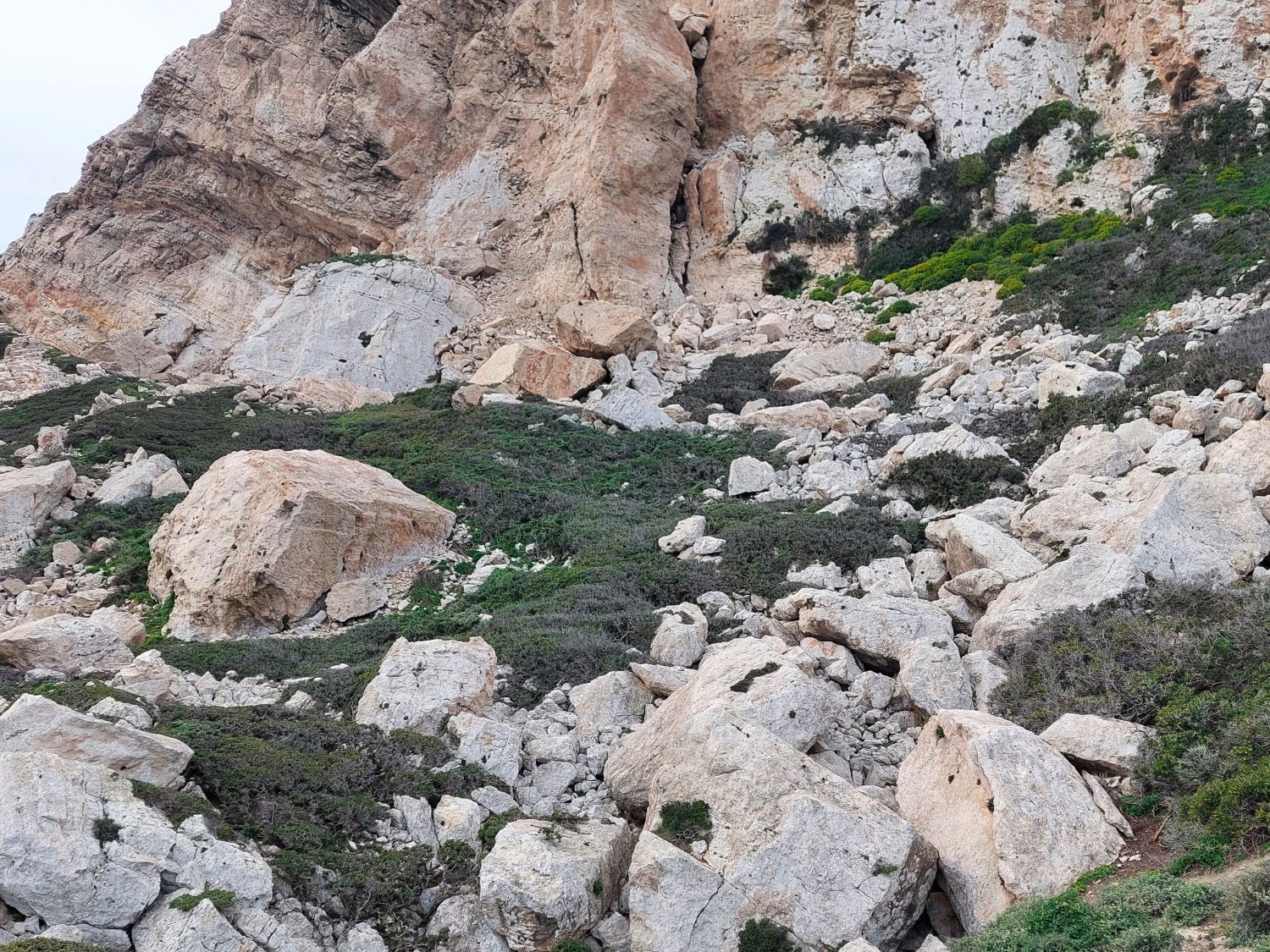
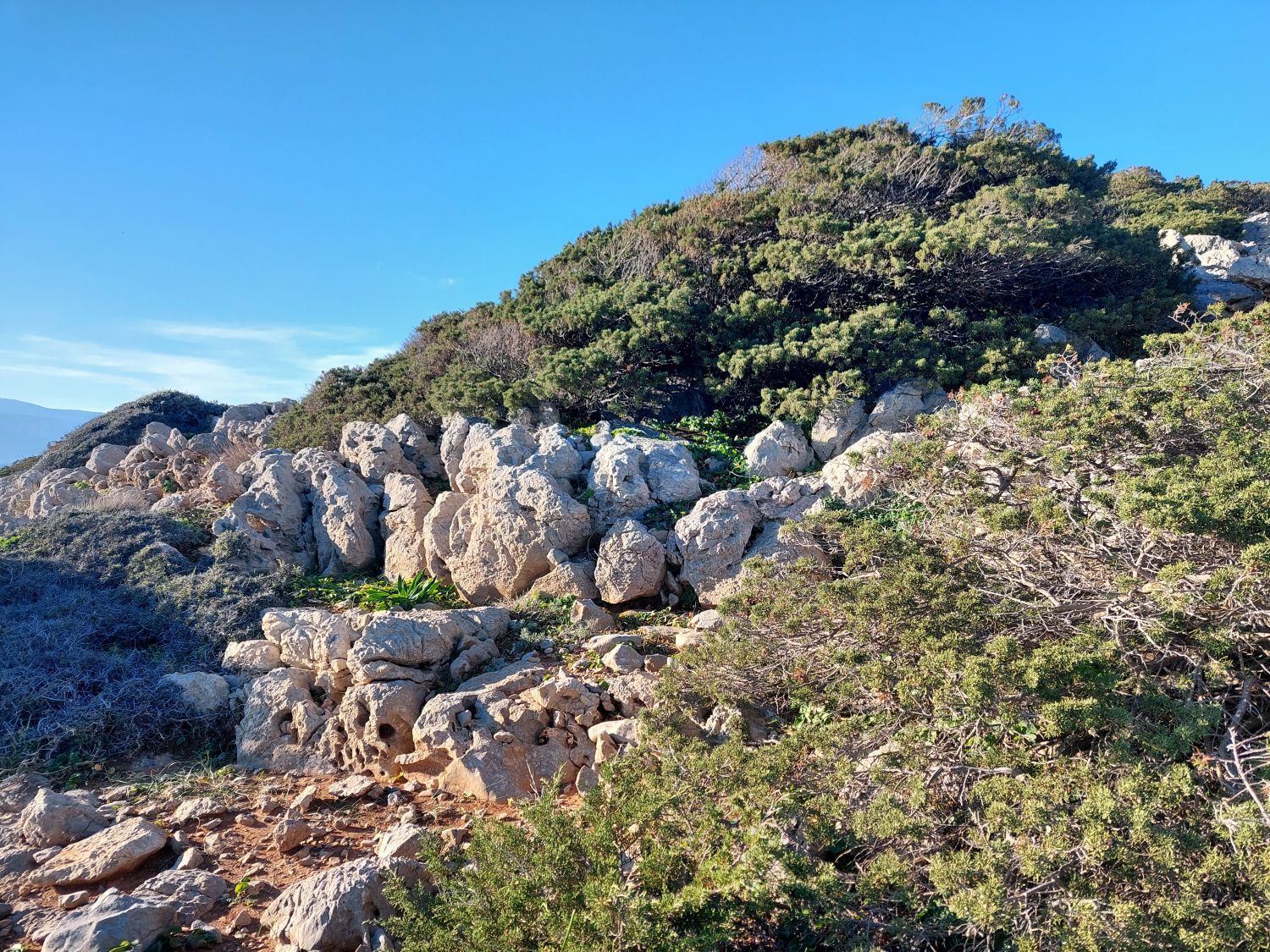
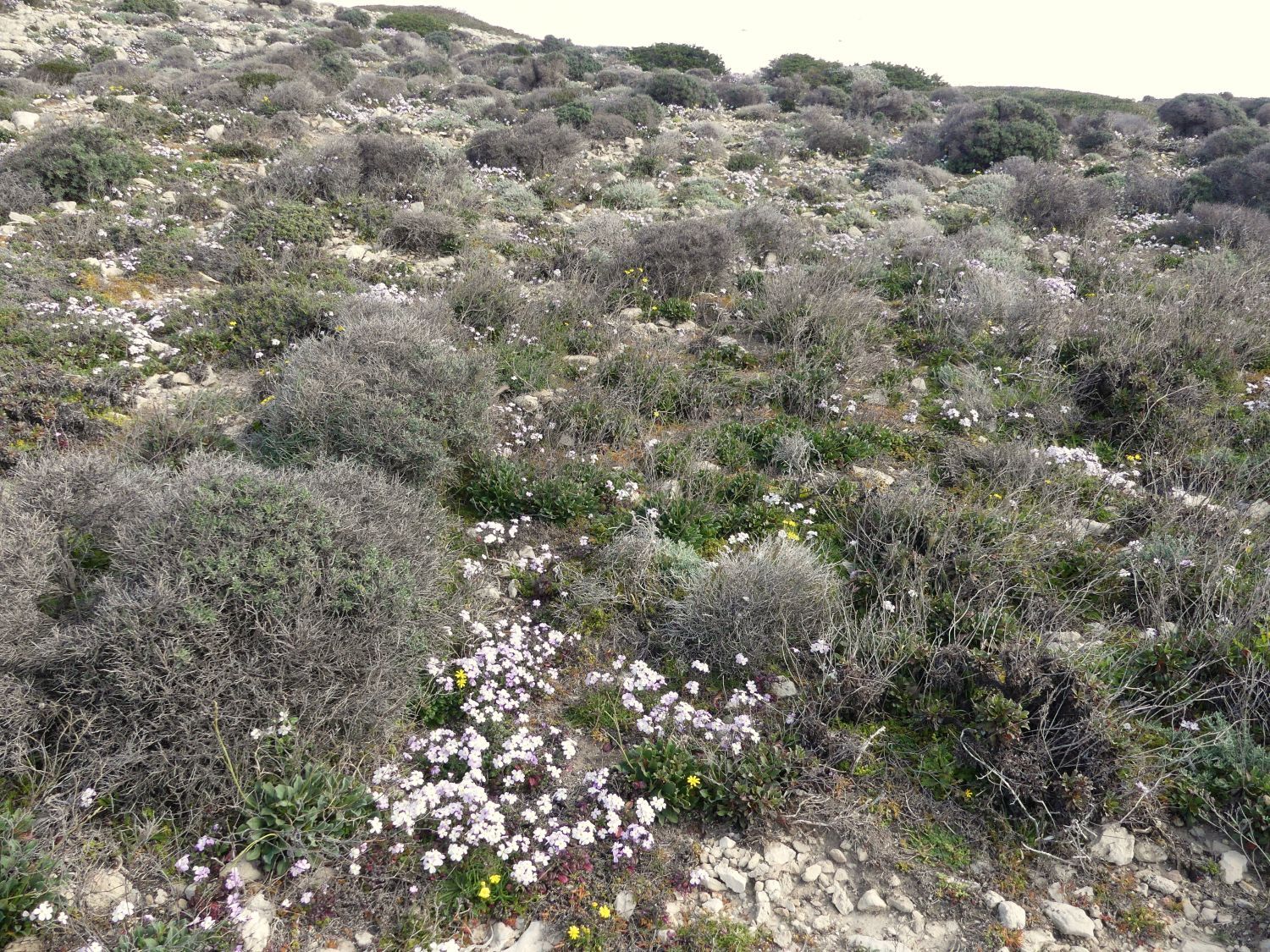
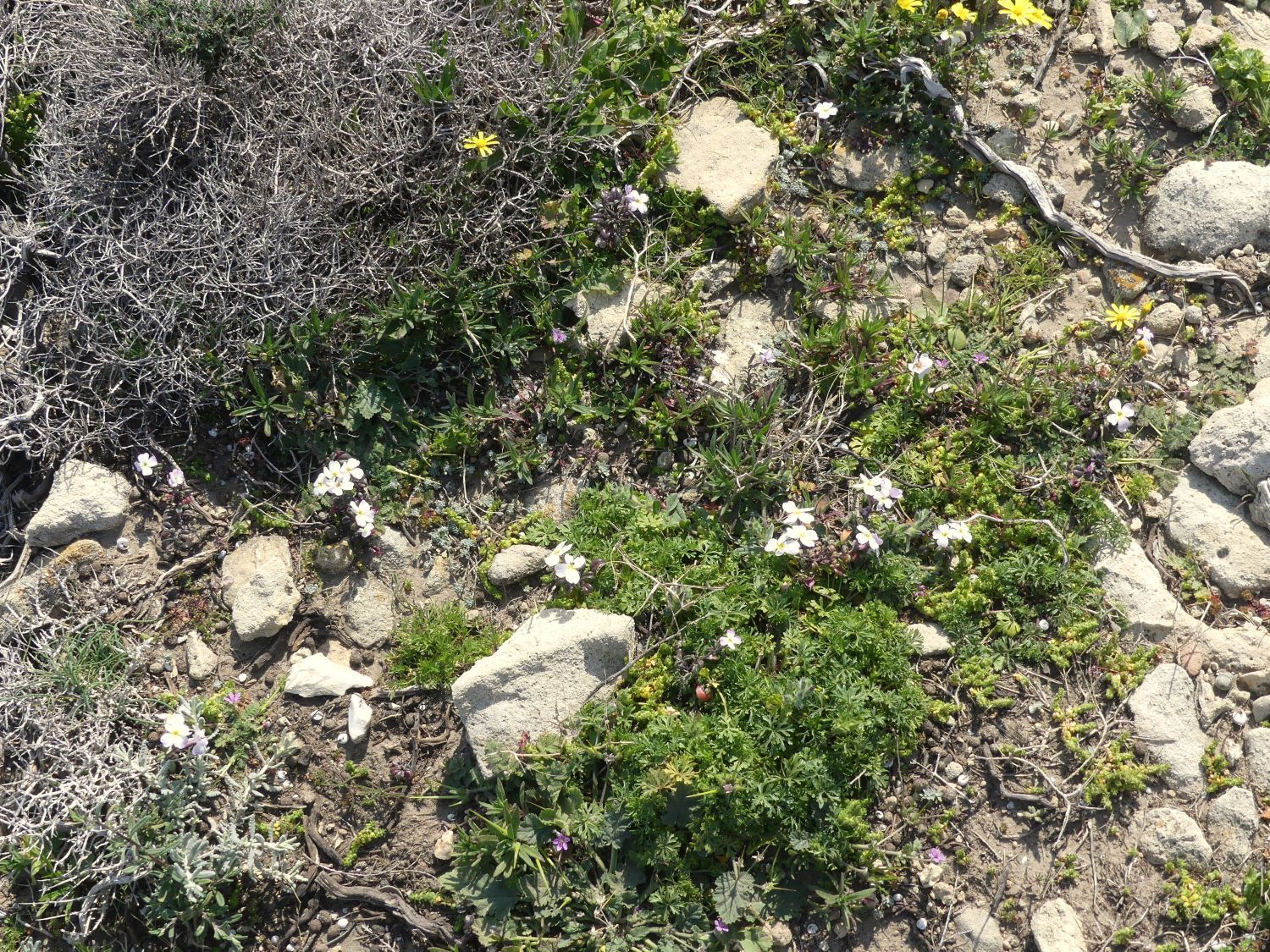
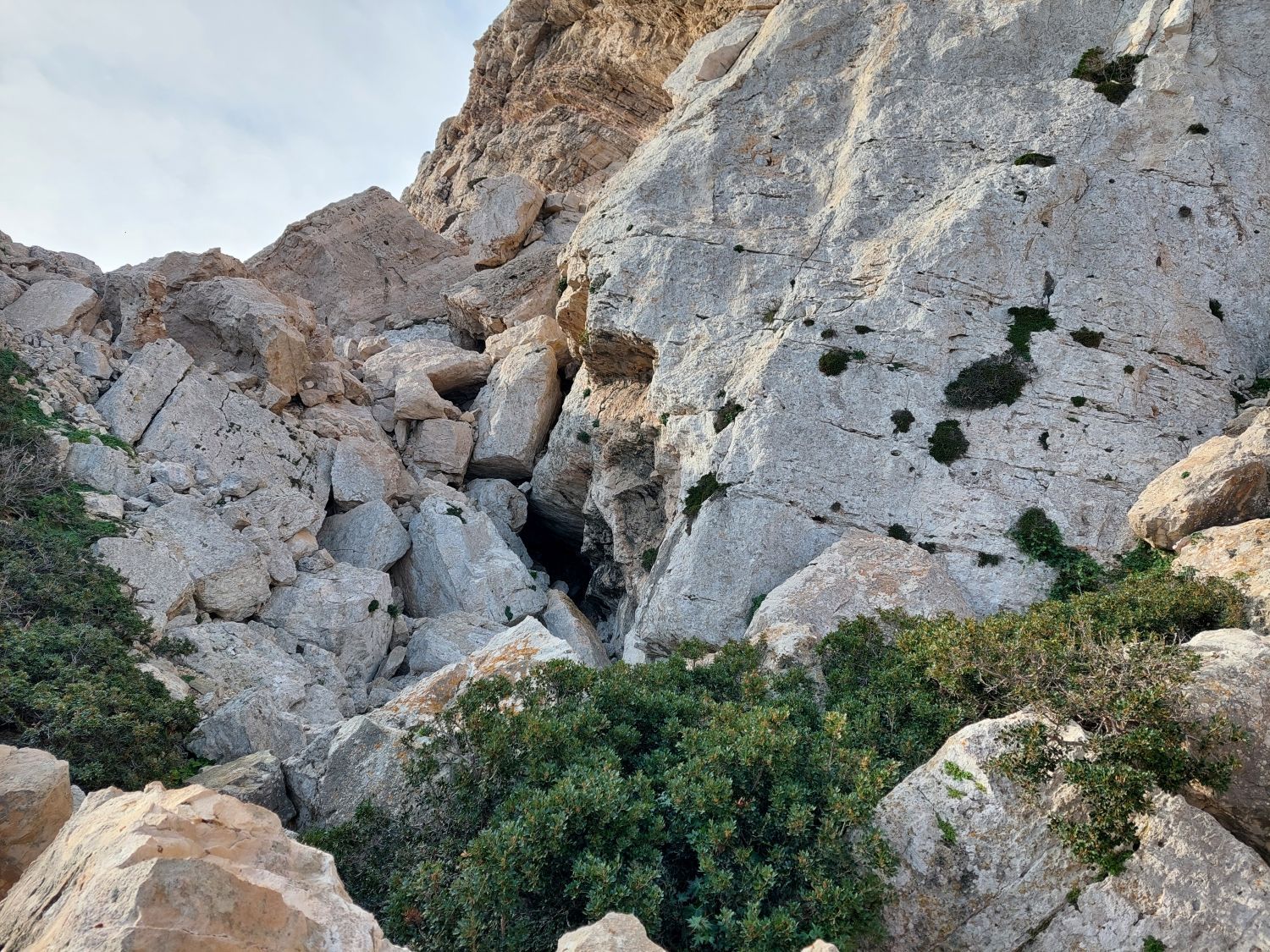
According to Arne Strid’s “Atlas of the Aegean Flora”, around 150 plant species have so far been recorded for the Makares Islands east of Naxos: a modest number compared to Naxos, which is home to around 1,000 species. It is interesting not only to see which species occur on the islands, but also which are absent. Each of the islands can be comfortably explored in a day; thus, a complete survey of the flora becomes possible with reasonable effort. However, some parts of the islands are very steep and barely accessible, if at all.
My investigations have so far been limited to the island of Ágios Nikólaos, the largest of the three; I hope to have the opportunity to visit the other islands as well. During several short trips to the island (November 2025, February and March 2026), I made an initial attempt to record the flora; naturally, the species that flower later in spring and in summer are still missing (I had photos of a few species from earlier visits). I have not yet seen some of the species listed for the Makares Islands, although these may, of course, be restricted to the other two islands in the archipelago. On the other hand, I can add a number of species – about 30 species so far – some of which may be new arrivals or irregularly occurring species, whilst others may have been overlooked until now.
Below, I present the species I have encountered so far, at least those that were in flower. Several photos were kindly provided by Tasos Dimalexis.