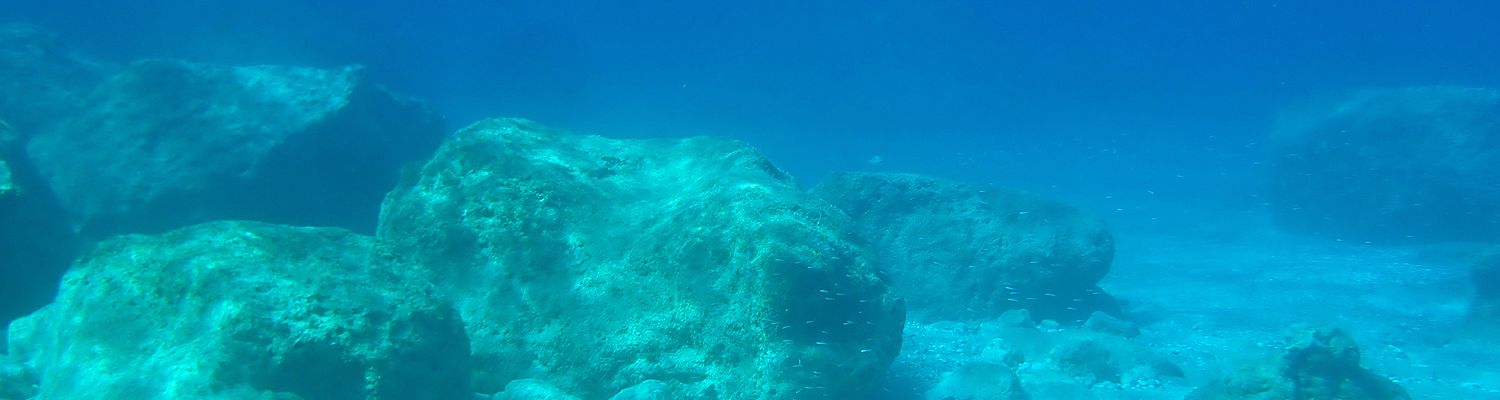
The Mediterranean Sea - Introduction
(Here you can jump directly to the links at the bottom of the page.)
The Mediterranean Sea is a relatively small sea. Covering an area of approximately 2.5 million km², it accounts for only 0.7% of the world’s oceans. It has a length (W-E) of 4,000 km, while its width (N-S) averages only about one-tenth of that, and is divided by numerous islands and peninsulas.
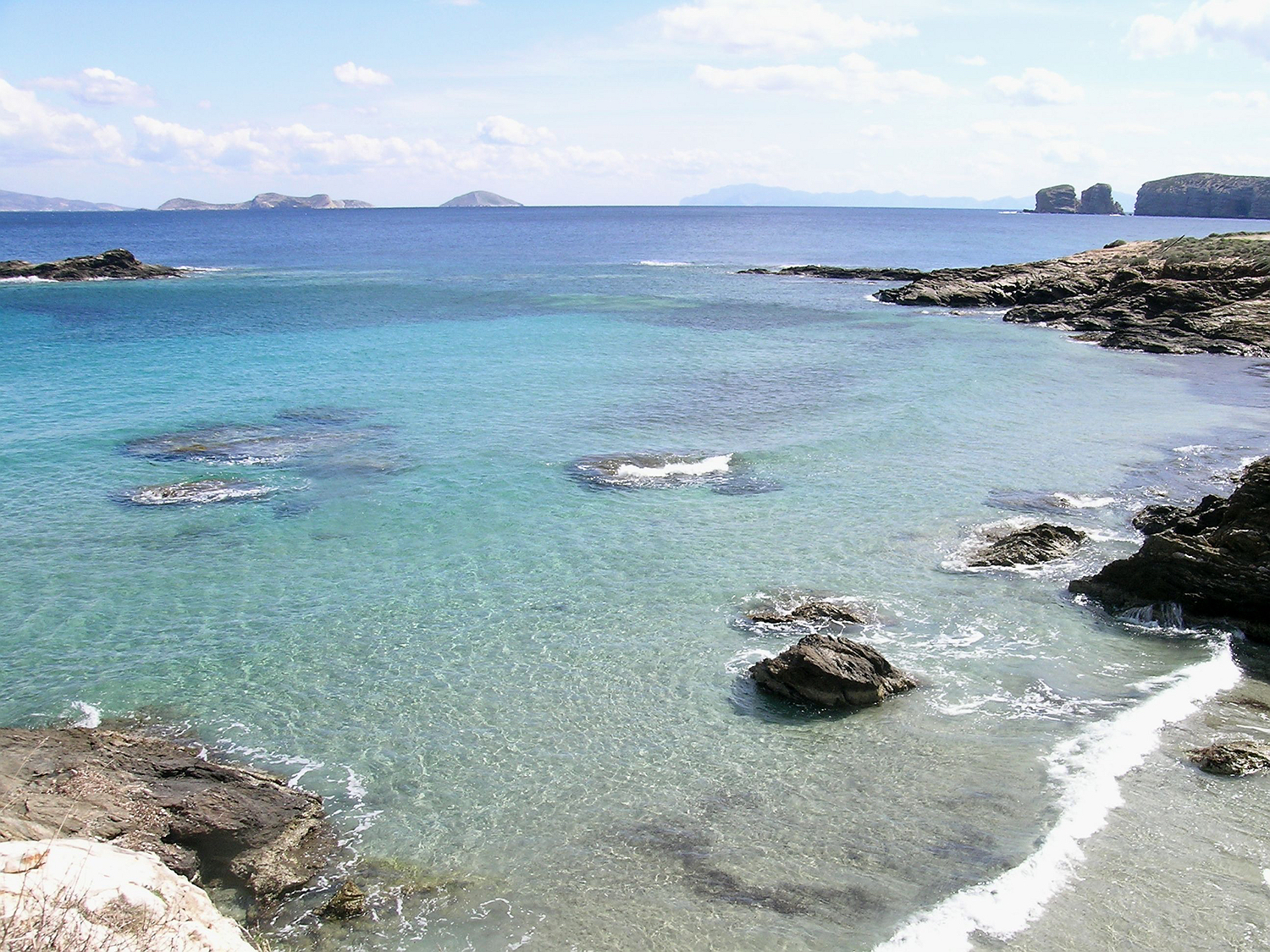
The Mediterranean Sea is mostly rather shallow: the usual depth of ocean floors of around 4,000 meters is only reached in small areas. Nevertheless, the seabed usually drops relatively steeply close to the coast. Only in the large bays of the northern Aegean and the Adriatic, as well as off the coast of Tunisia, the sea remain shallow over large areas (shelf area). Despite its considerable depth of over 1000 meters in some parts, the Aegean Sea is not a true ocean, but rather a flooded part of the continent; only south of Crete the sea floor consists of oceanic crust. The deepest point of the Mediterranean Sea lies in the Hellenic Deep Sea Trench, which forms an arc from the Ionian Islands and the Peloponnese along the south coast of Crete to the Turkish coast. Here the oceanic edge of the African Plate is subducted beneath the Aegean Plate, and depths of over 5000 meters are reached.
Sea depths around Naxos
maximum depths around Naxos:
– around the tip of the Cape near Moutsouna: 30 m
– between Naxos and Paros: 40 m
– towards the Makares islands: 80 m
– towards Donoussa: 120 m
– towards Amorgos: in the south 250 m, in the north 600 m
– towards Ikaria: 800 m; north of Ikaria 1200 m
Although several large rivers flow into the Mediterranean (primarily the Nile, Danube (via the Black Sea), Po, Rhone and Ebro), these play only a relatively small role in the water balance of the Mediterranean, and their water cannot compensate for the losses due to evaporation. The water exchange at the Strait of Gibraltar plays a much greater role. Here, large quantities of less salty (and therefore lighter) Atlantic water flow in at the surface, while in the depths there is a strong but slightly smaller outflow of saltier Mediterranean water into the Atlantic. This undersea current also influences the Gulf Stream in the Atlantic, playing an important role for the climate of Europe.
Accordingly, strong ocean currents exist in the western Mediterranean, distributing the inflowing Atlantic water. In the eastern Mediterranean, these currents play only a minor role. In the Aegean Sea, there is a north-south surface current caused by the inflow of water from the Black Sea.
The tidal amplitude in the Mediterranean is so small that it is hardly measurable (except in the northern Adriatic).
The formation of the Mediterranean Sea
The Mediterranean Sea is (e.g. compared to the Atlantic Ocean) a very old sea. However, it has undergone profound changes throughout its history and continues to change till the present day.
Put simply, the Mediterranean Sea is the successor to the Paleotethys Ocean, which existed for over 500 million years (since the late Palaeozoic era) and stretched as a large bay open to the east into the supercontinent Pangaea, which was made up of all the continents. To the south of this ocean lay Gondwana, consisting of South America, Africa, India, Australia and Antarctica, while to the north lay North America and Eurasia (Euramerica). When Pangaea broke apart in the Mesozoic era around 150 million years ago, the Paleotethys closed: at its southern edge, continental fragments (terranes) split off from Gondwana and gradually migrated northwards, closing the Paleo-Tethys in front of them and opening a new ocean, the Neotethys, behind them. By the collision of the terranes with Eurasia, large parts of the Eurasian mountains were folded.
About 100 million years ago (Middle Cretaceous, Mesozoic era), Africa began moving northwards towards Europe again. At the beginning of the Cenozoic era (Tertiary), the Neotethys had closed in its European, western part by other terranes that had split off from Africa and migrated northwards, south of which a new ocean arm opened up: the Mediterranean Sea. The collisions of these terranes with Europe formed the Alps and other southern European mountains. Later, the Mediterranean Sea was also gradually narrowed by the northward movement of Africa until it was cut off from the rest of the Tethys (now the Indian Ocean) in the east by the attachment of Arabia to Asia Minor. At times, the sea connection to the Atlantic (which was created in the Mesozoic era when North and South America separated from Europe and Africa) was also closed at Gibraltar in the west. About 6 million years ago, the isolated Mediterranean Sea temporarily dried up under desert-like climate conditions.
More about the geological history of the Mediterranean
The marine flora and fauna of the Mediterranean
The Mediterranean Sea possesses a considerable biodiversity compared to its size. Around 12,000 species have been identified to date, a good tenth of which are plants (mostly algae). A remarkably high proportion of the species (almost 30%) are endemic: they only occur in the Mediterranean Sea and, in some cases, in the directly adjacent areas of the Atlantic Ocean.
Among the species that occur in a larger area, some have a (sub)tropical distribution, while others are northern species that also occur in colder seas, such as the North Sea.
Many of the Mediterranean species are threatened or have disappeared in parts of their range due to water pollution and overfishing. However, new species are constantly establishing themselves, either carried in by ships or immigrating via the Suez Canal.
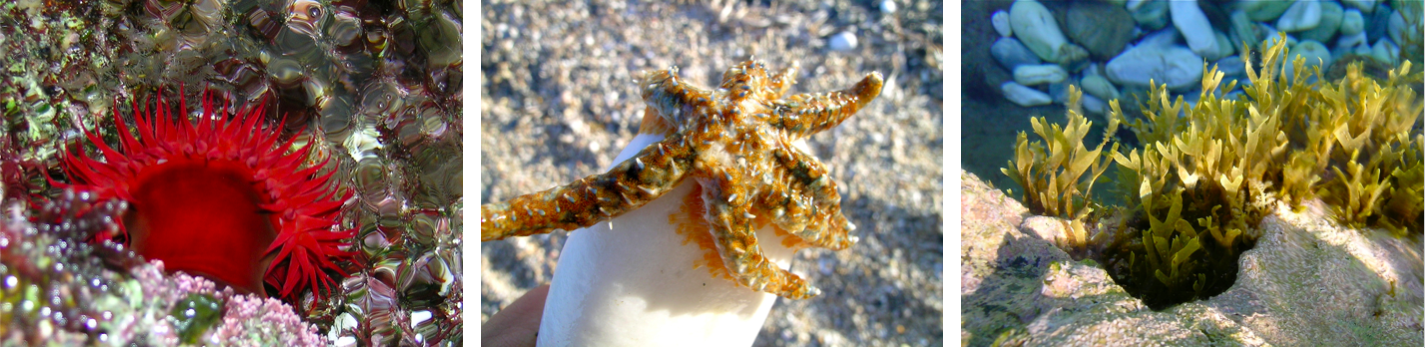
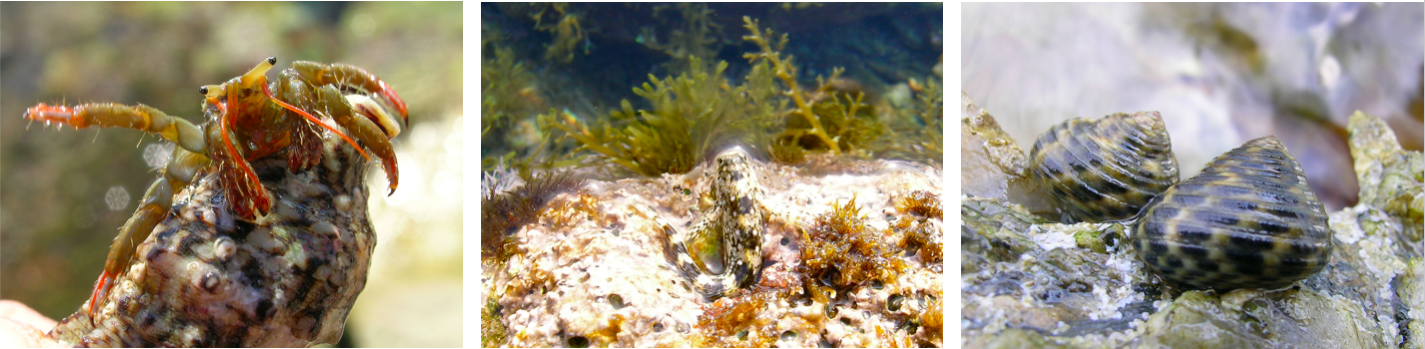
More about the emergence of the Mediterranean flora and fauna
The environmental factors in the Mediterranean
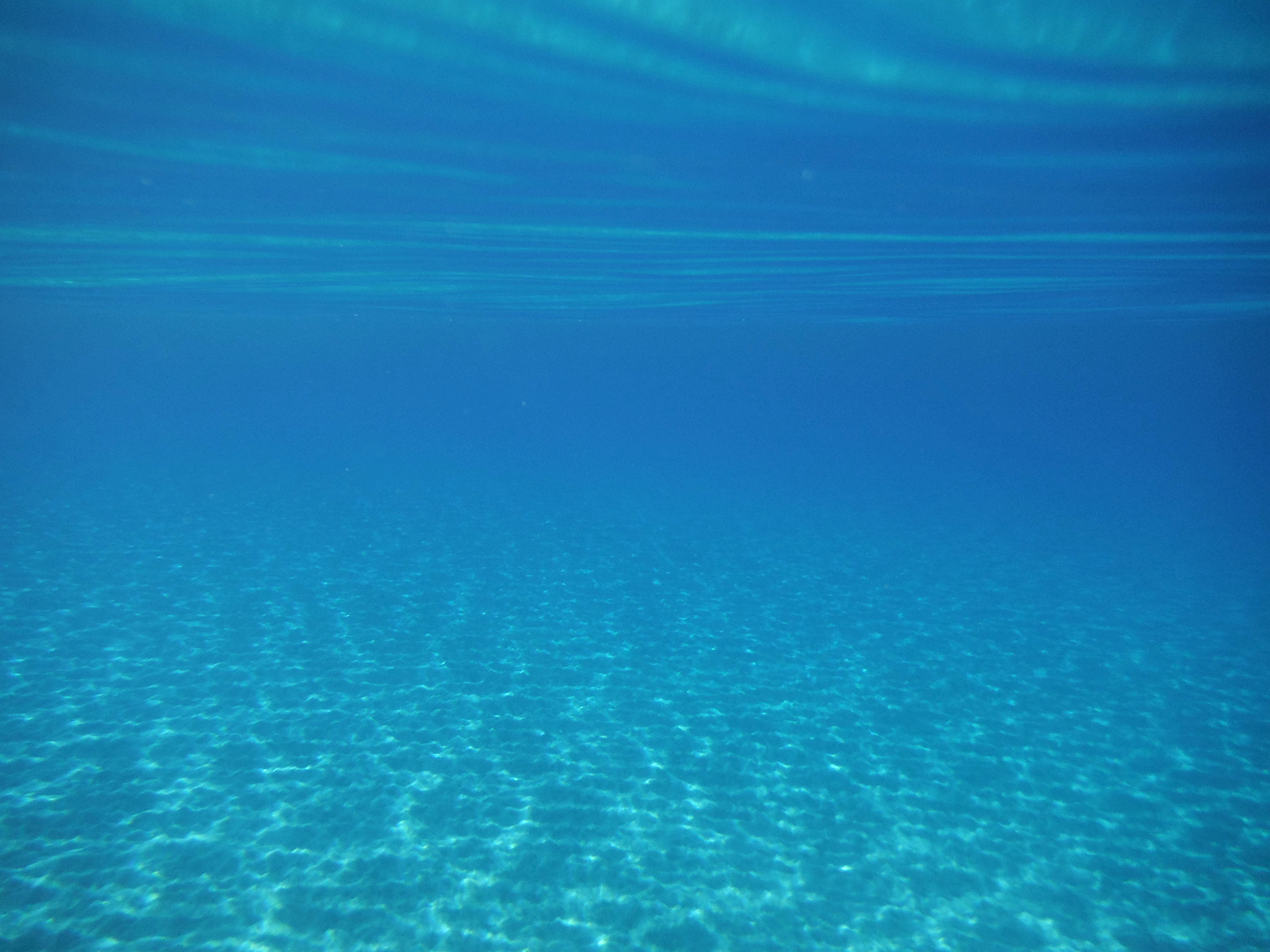
The Mediterranean Sea is relatively warm with rather low levels in oxygen and nutrients. Its salinity is somewhat higher than that of other oceans. Especially crucial for marine organisms is the availability of light. The light decreases rapidly with depth due to the absorption by the water, and marine plants and algae can only exist in the sunlit upper layers. Alga species are usually adapted to certain light conditions, and their occurrence is often limited to the corresponding water depths and locations. This results in a characteristic zonation of the marine communities depending mainly on the amount of light. Compared to colder oceans such as the Atlantic, the water of the Mediterranean is very clear due to its low plankton content, and light reaches into relatively great depths (up to 40 meters or more). Other important environmental factors for marine organisms include the type of substrate (rock, loose stones, gravel, sand, mud) and the intensity of waves and currents.
More about the environmental factors in the Mediterranean sea
The demands of the sea on its inhabitants
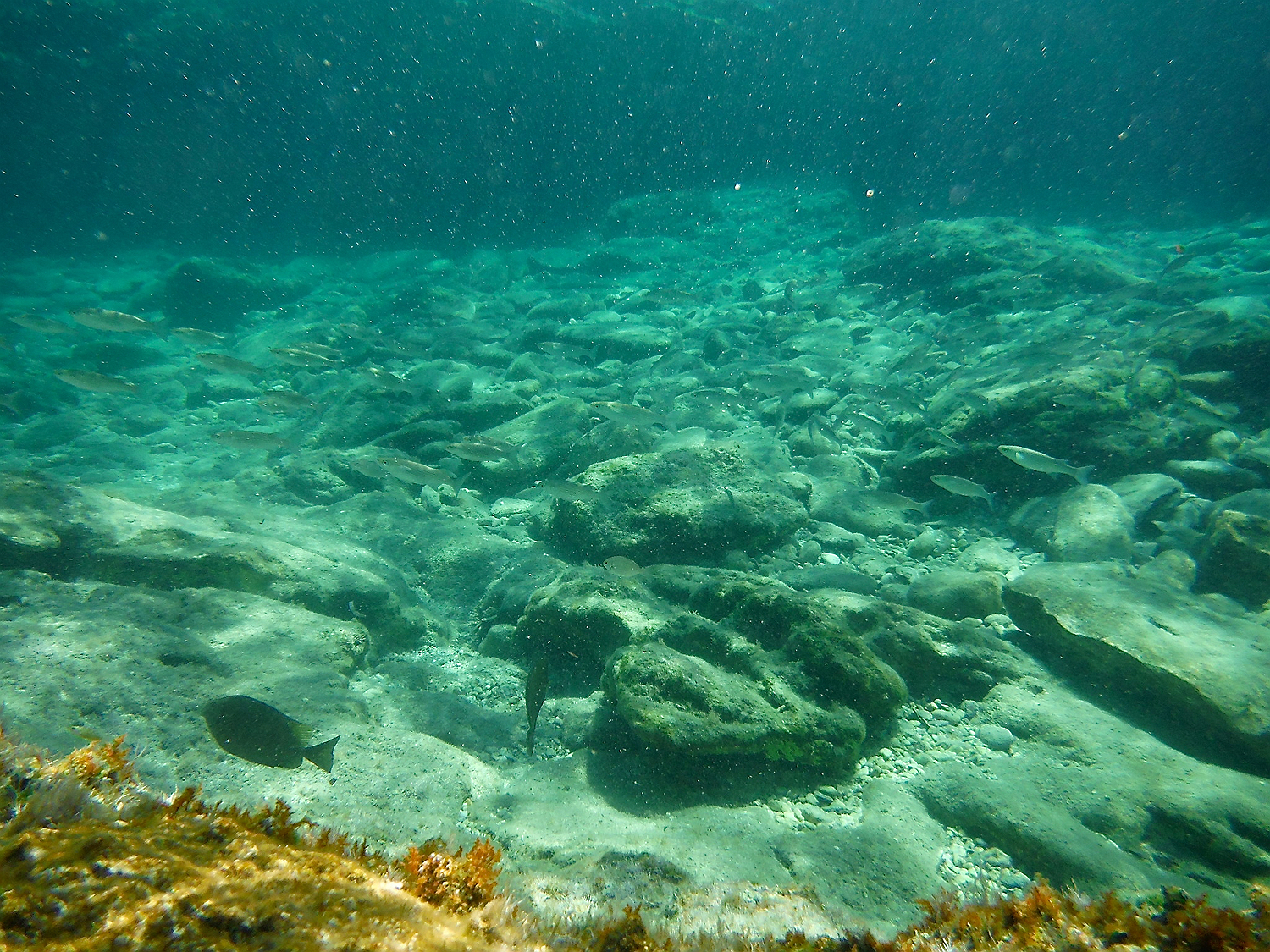
The aquatic environment of the oceans places significantly different demands on its inhabitants than life on land. Many factors that make life on land difficult do not apply here. For example, marine life does not need to worry about protection from evaporation. Since the water distributes the nutrients dissolved in it and the microscopic organisms of the plankton over a wide area, many species of marine fauna are able to feed by filtering the water or simply fishing out their prey with tentacles or similar appendages. These organisms need neither locomotive organs nor sophisticated sensory organs. Their body structure is often simple; many of the species are sessile. However, sessile animals and algae must protect themselves from predators. They do this very effectively with hard skeletons and toxic or indigestible substances.
A very large number of marine species, both of the fauna and the flora, spend at least part of their lives floating in the water. Due to the high buoyancy of seawater, they mostly do not need to swim actively. The planktonic algae carry out a large part of the primary production in the ecosystem, and serve as food for the planktonic animals and thus also for the macrofauna that lives on the plankton. Many animals are active swimmers and are adapted to their life as predators for example by their excellent eyesight and their ability to swim very efficiently. Higher animals that live as herbivores, on the other hand, are much less numerous in the sea than on land because most types of algae are not very edible.
The demands of the sea on its inhabitants
The zonation of the sea
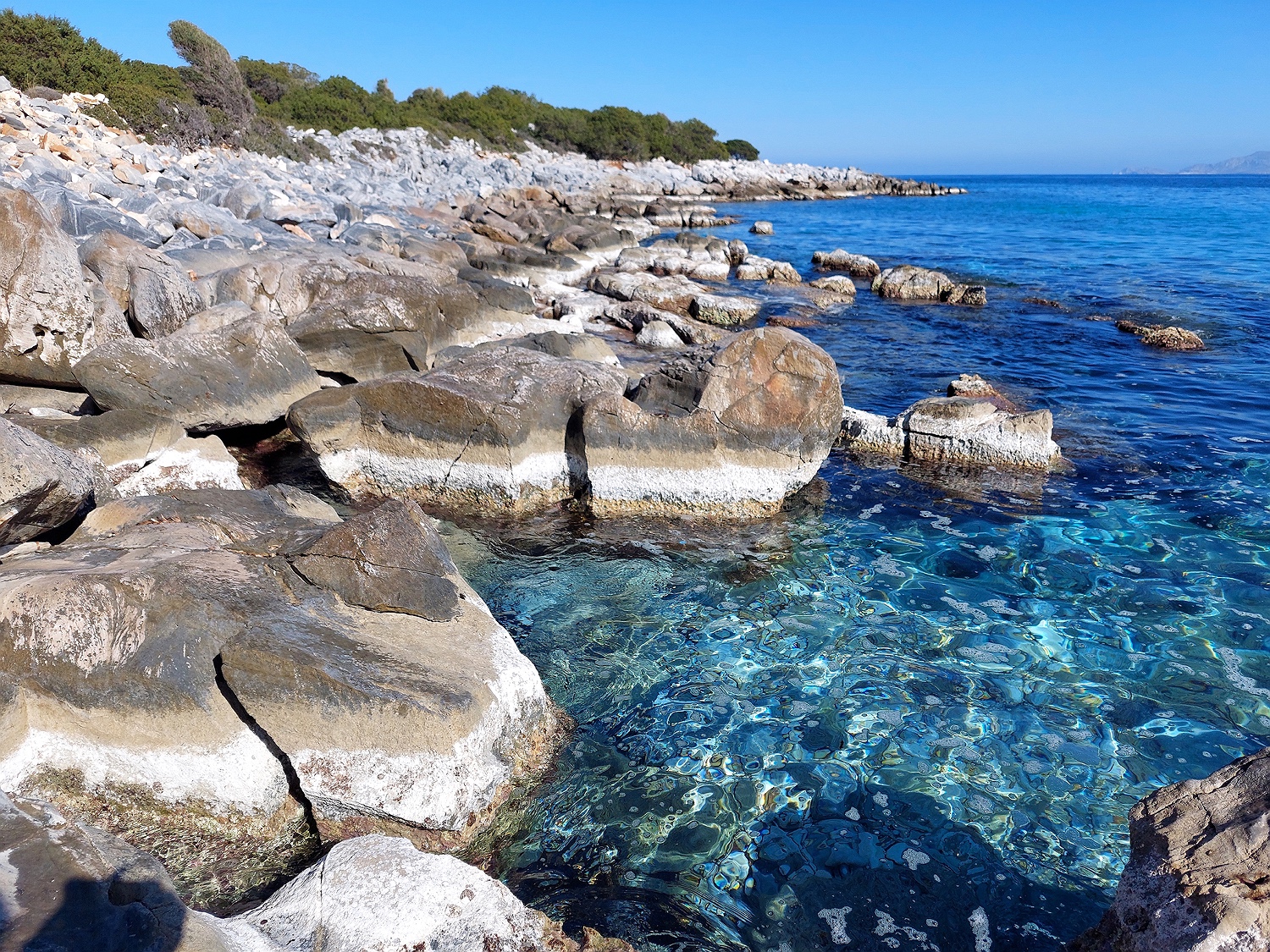
The marine ecosystem is divided into different habitats, which vary in terms of their environmental conditions and place quite different demands on their inhabitants. First one distinguishes the sea floor, the benthal, and the water column, the pelagial. Within both systems, the euphotic (light-rich) areas have significantly different living conditions than the aphotic (lightless) areas. Plants can only exist in the euphotic zone of the sea. The coastal, shallower areas above the continental shelf are referred to as the neritic region, while the truly oceanic areas are referred to as the pelagic region.
Depending on the depth, the amount of light available and other environmental factors, the benthal is divided into several zones. The euphotic zone consists of the supralittoral, the eu- or mesolittoral, the infralittoral and the circalittoral zones. The lightless region below the circalittoral is also divided into zones according to its depth: the bathyal, abyssal and hadal zones (the latter is absent in the Mediterranean). Within the different zones, various habitats can be distinguished, which are characterised primarily by the type of substrate. Rock, stones, gravel, sand and mud bottoms each support distinctly different flora and fauna. Furthermore, grottos and caves are notable for their special conditions. Even close to the surface due to the reduced availability of light, conditions in the caves correspond to those in the deeper zones, so that one can encounter in shady places under rocks species that normally occur only at greater depths.
The pelagic zone is also divided into a euphotic zone and an aphotic zone. The rapidly decreasing amount of light available with increasing depth determines which plants and animals can exist in the different regions. Temperature and oxygen levels also decrease with depth, while pressure increases. Apart from the euphotic zone, which is very narrow compared to the total depth of the sea, the pelagic zone is a fairly uniform habitat.
More about the zones and the habitats of the Mediterranean sea
Continue here: