The Circalittoral
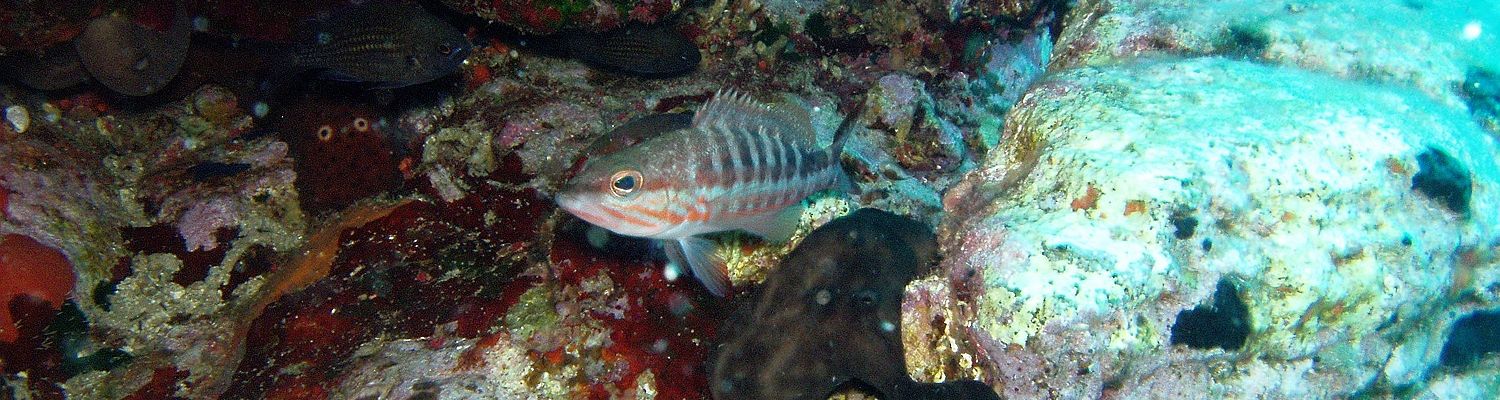
The circalittoral zone begins where the light becomes too weak for light-loving organisms (such as seagrass) to thrive, i.e. at depths of around 30 to 50 meters, or even 100 meters in very clear waters. On northern slopes and especially in caves, however, species of the circalittoral can also be found much closer to the surface.
I do not dive myself and only snorkel very rarely. All photos on this page were taken by Themos Bogiatsoglou, whom I would like to thank for allowing me to use them. All photos were taken around Naxos; some actually still fall within the infralittoral zone, but can give an impression of the deeper regions too.
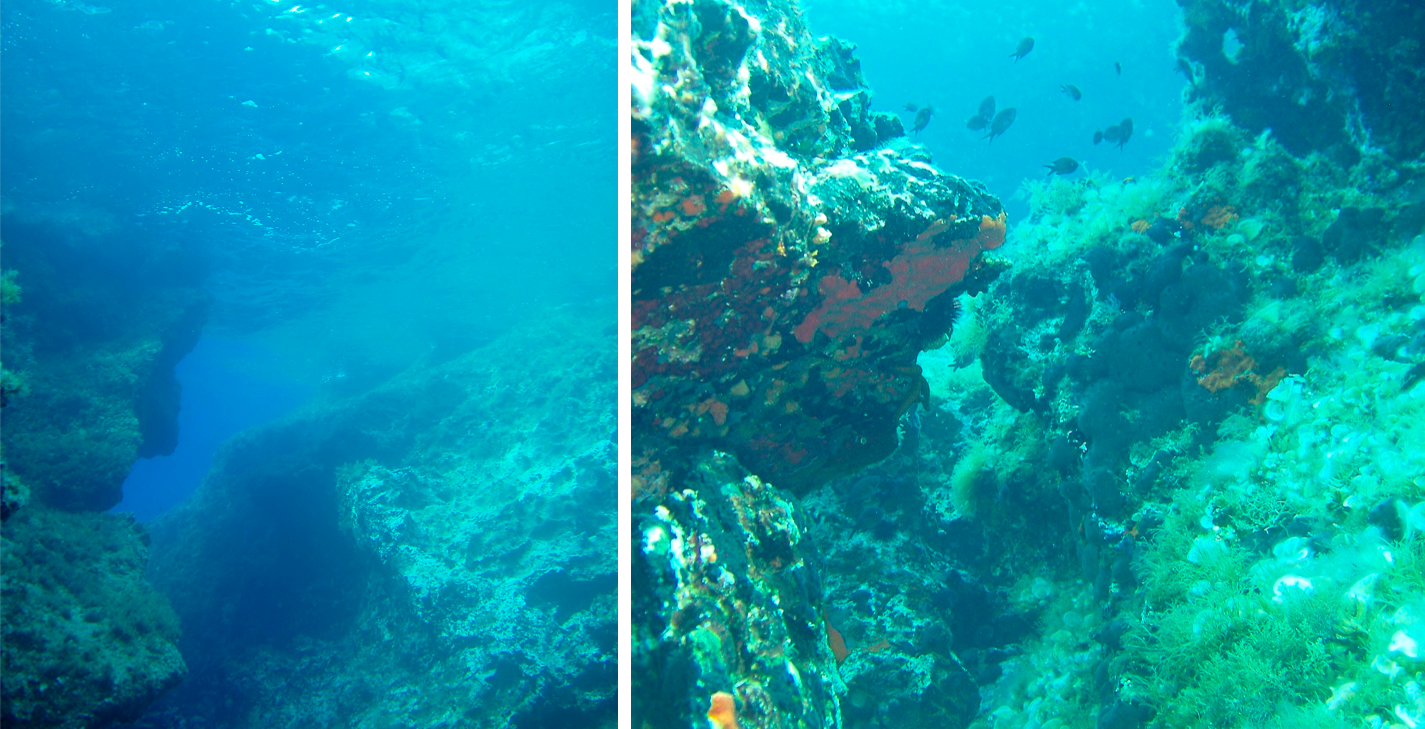
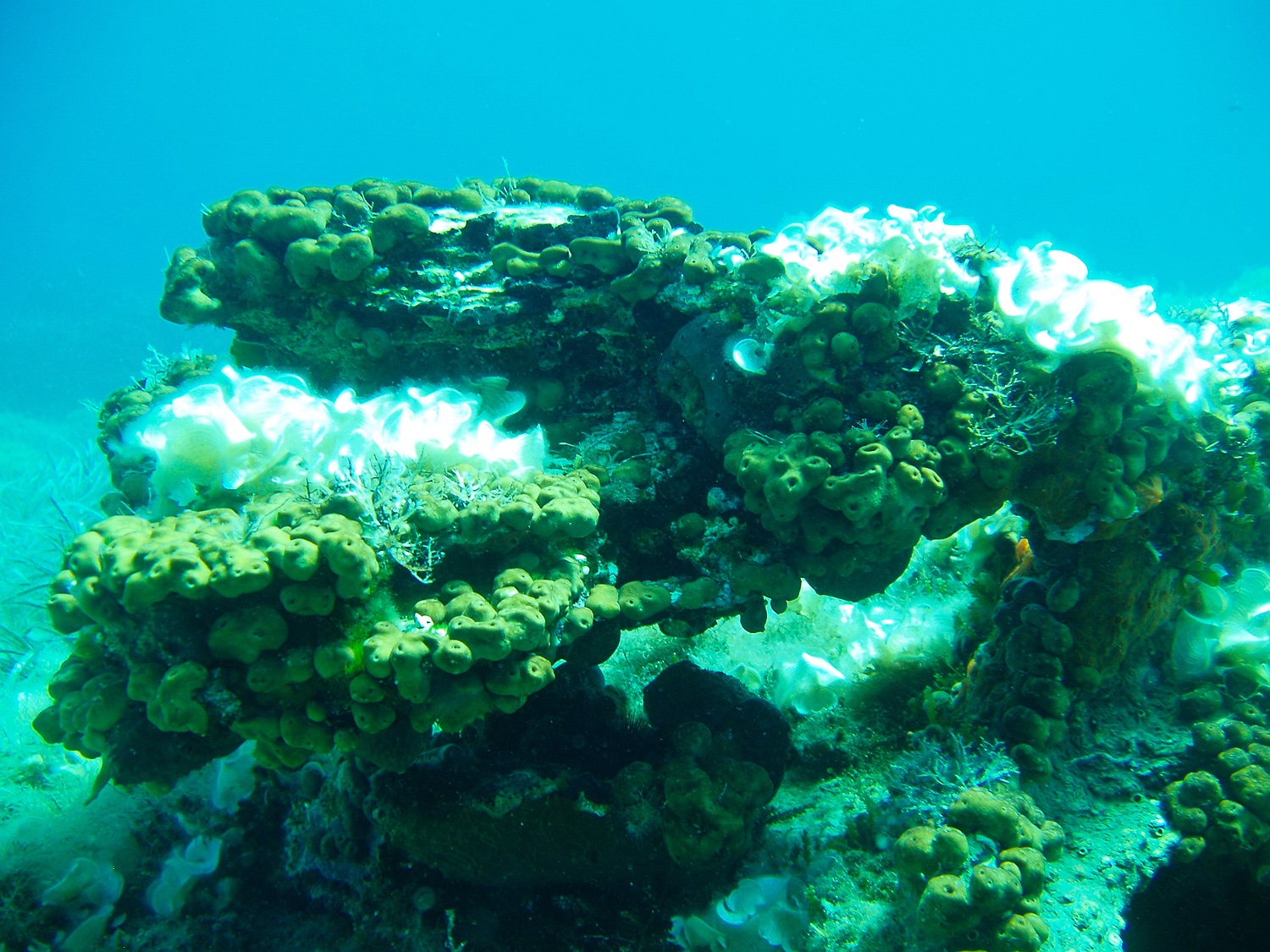
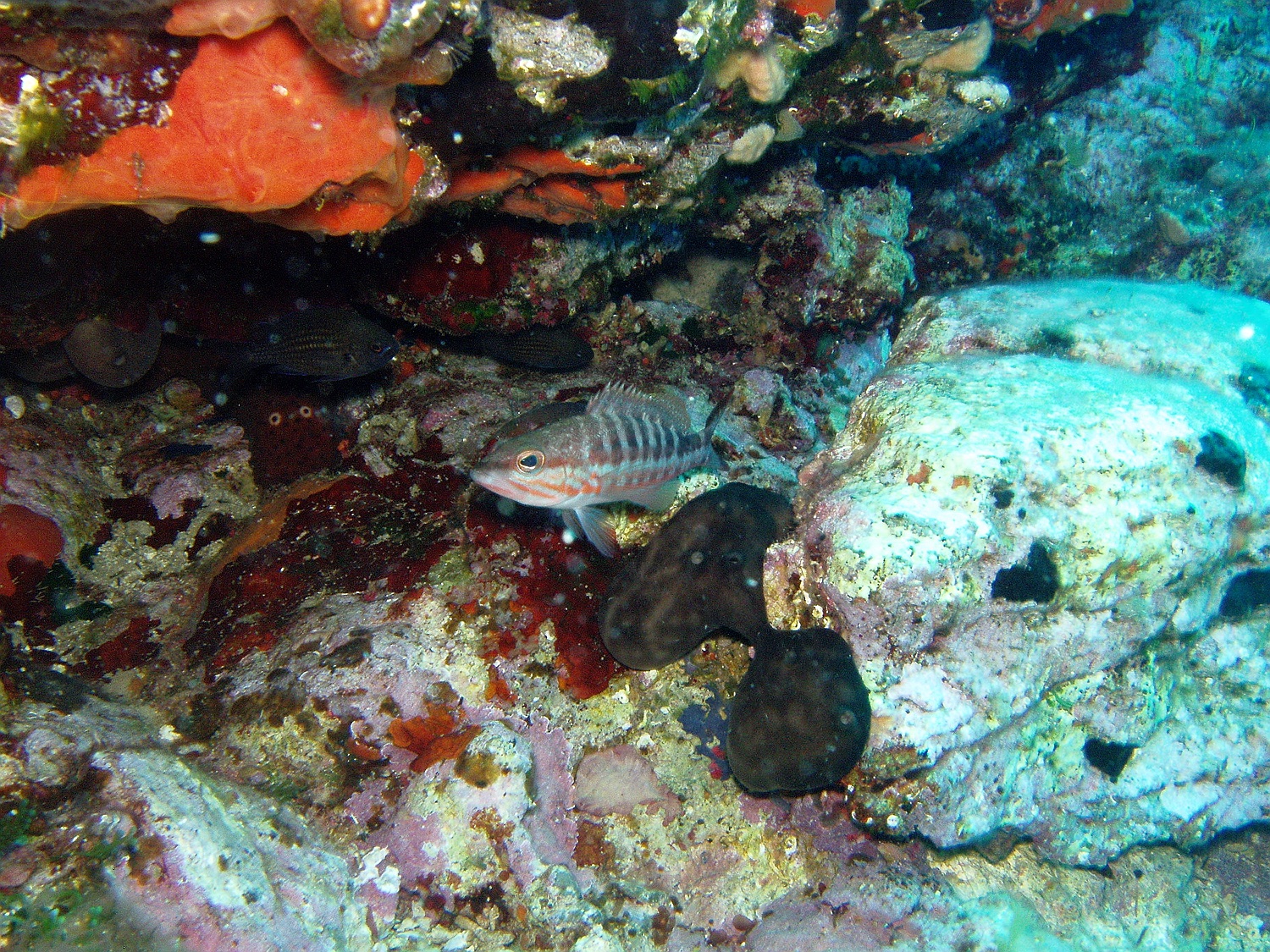
Despite the low light levels, quite a few algae species occur in the circalittoral zone, primarily calcareous red algae, but also some brown and even green algae species. However, animal organisms predominate by far in these areas. Many species that also occur in the infralittoral zone are present, but there are also a number of interesting additions. The most striking and remarkable among them are the coral-like gorgonians, some coral species, especially the rare red coral, bryozoans, sponges, sea anemones, bristle worms, etc. Numerous starfish, sea urchins, sea cucumbers, sea squirts and fish species can also be encountered.
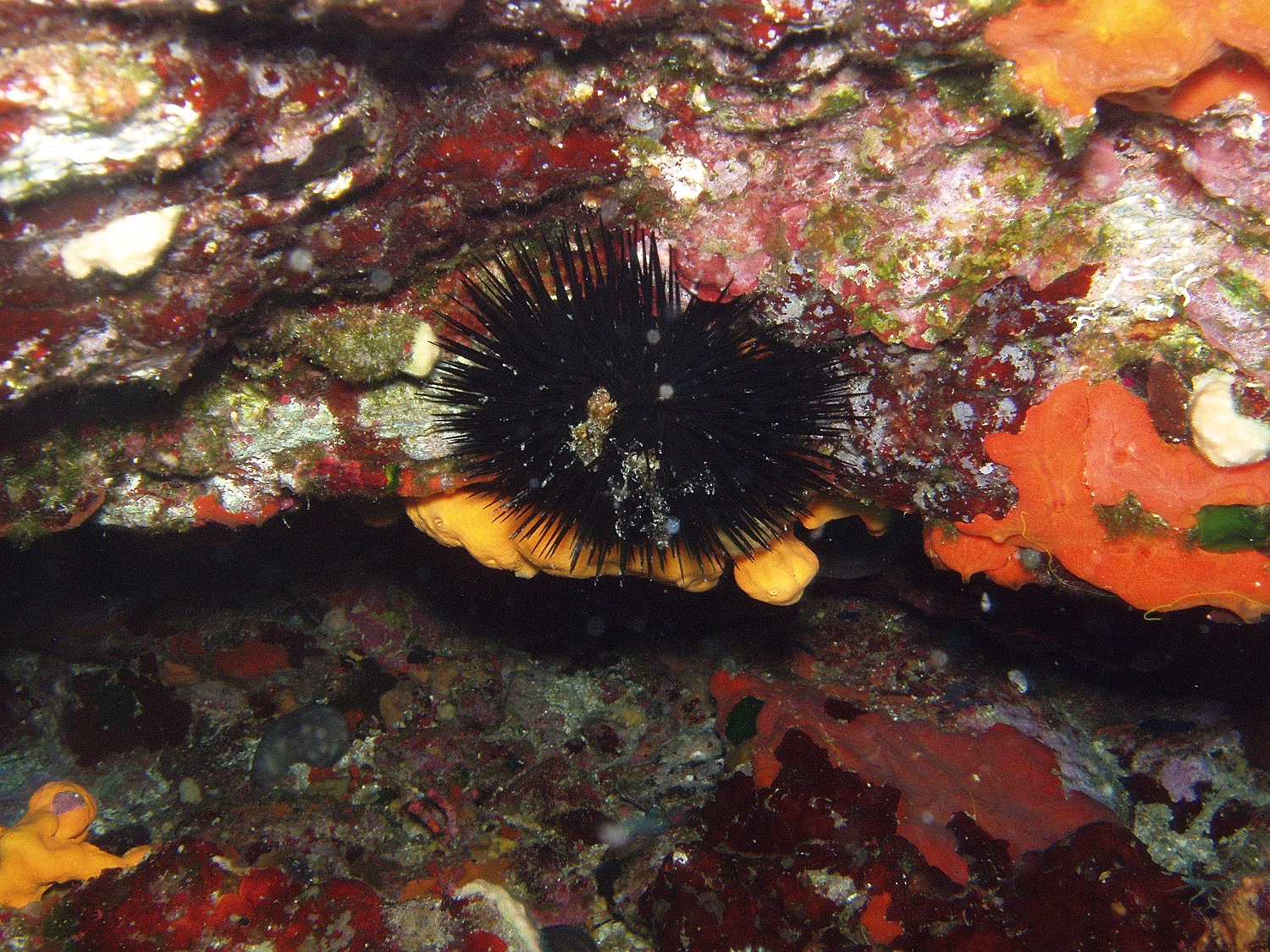
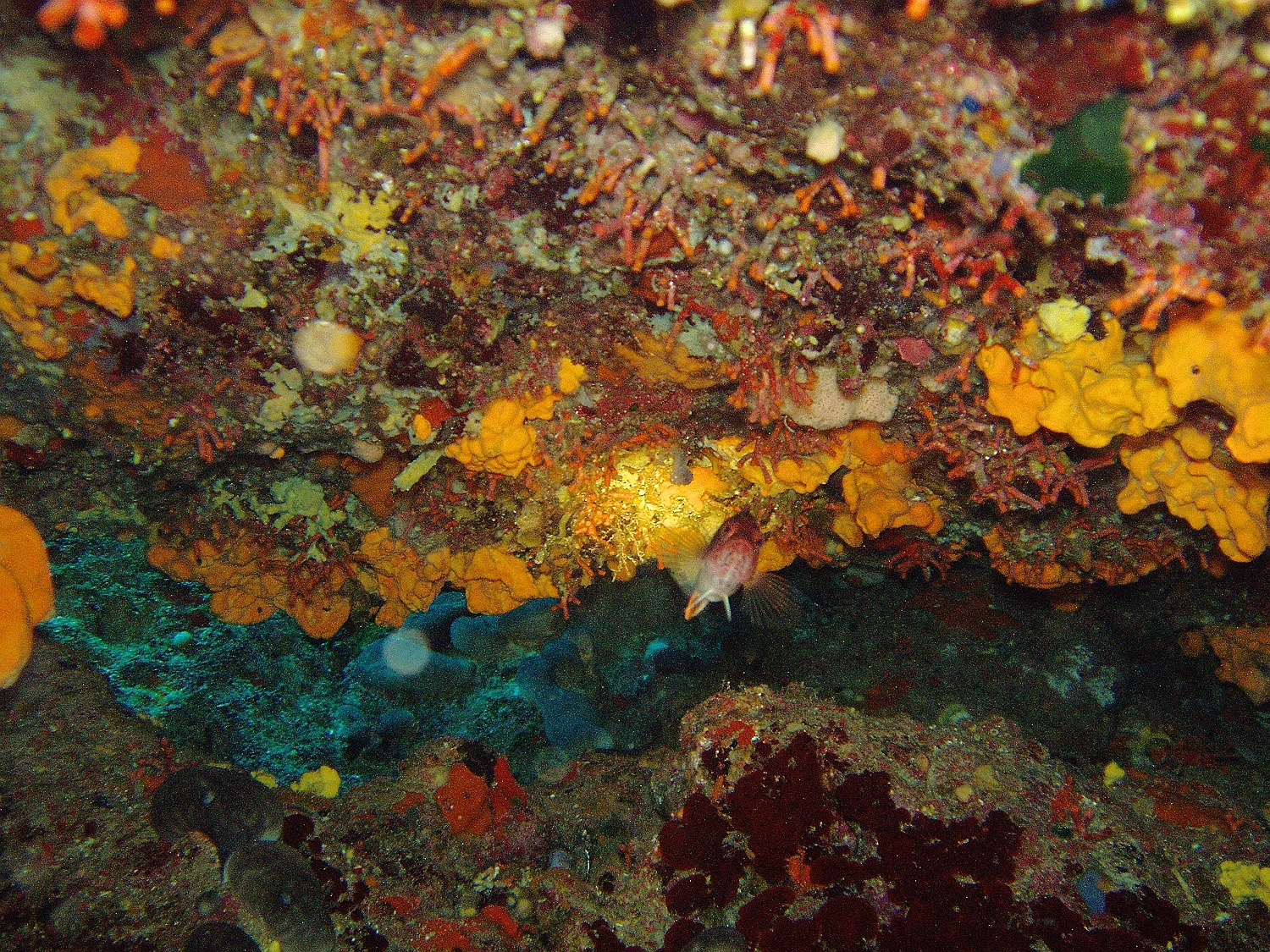
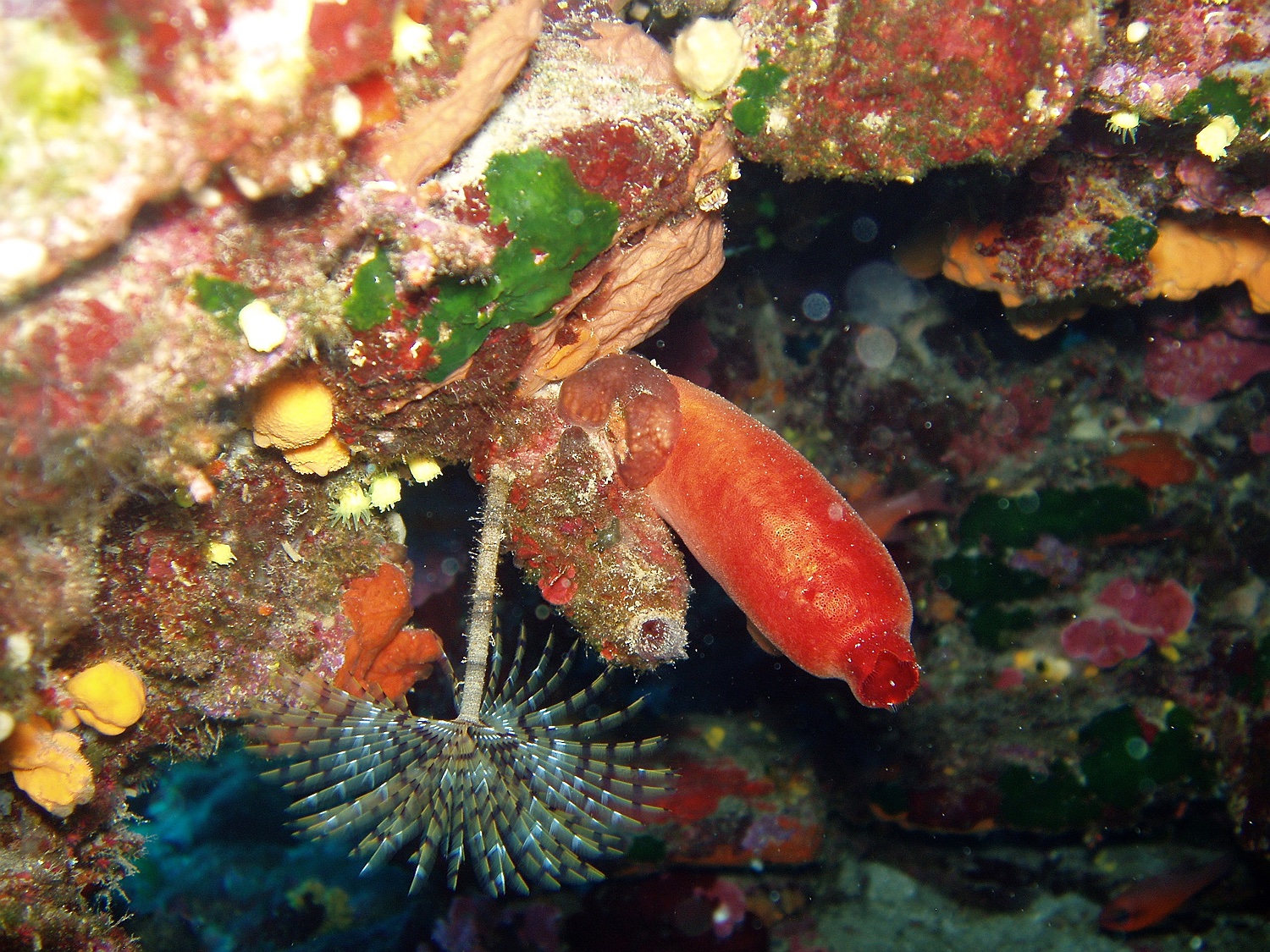
The sessile animals of the circalittoral filter the water or fish for prey, either actively or simply with outstretched tentacles. Organisms that feed in the latter manner are dependent on food being carried to them by ocean currents and are therefore found primarily in locations with strong currents, such as the entrances to large caves or around headlands. They often stretch out into the water: this shrub- or antler-like growth form is found in plankton feeders such as corals, gorgonians and some tree-like bryozoans, as well as in some tube worms. In contrast, filter feeders generate their own water flow and are often cushion-shaped (e.g. sponges).
Many species of the circalittoral display particularly bright colours, which can only be seen at this depth with the aid of a lamp.
The bathyal and abyssal zones
The aphotic regions of the Mediterranean can only be briefly mentioned here. They are divided into the bathyal zone (down to a depth of about 2500 to 3000 meters), the abyssal zone (covering most of the ocean floor down to a depth of 6000 to 7000 meters) and the hadal zone (the deep-sea trenches below 7000 meters). The latter zone is completely absent in the Mediterranean, and the abyssal zone is not well developed and is largely colonised by organisms that live elsewhere closer to the surface. In the Aegean Sea, the aphotic region falls entirely within the uppermost bathyal zone: there is no true ocean floor and the sea depth nowhere reaches 2000 meters.
Life in the aphotic zones of the sea is made difficult not only by the lack of light, but also by falling temperatures, low oxygen levels and increasing pressure.
In contrast to the epipelagic zone, i.e. the illuminated upper layers (down to a depth of at most 200 meters), the deep-sea pelagic zone is home to no plant organisms and very few animals, both in terms of species numbers and density. However, even the deepest regions are by no means lifeless: they are inhabited for example by various species of fish and crabs.
The benthal of the deep sea is mostly characterised by sedimentary sea beds, which are populated by detritus feeders, but also by some predatory species. Sessile animals are rare in most regions due to the heavy sedimentation of sinking substrate, dead marine organisms, etc.
The aphotic zones are only accessible to special research vessels and are therefore far less well known than the areas closer to the coast and the surface. In the Mediterranean, hardly any true deep-sea organisms occur as in the large oceans; instead, even the deepest areas have been populated by marine animals that usually occur in shallower depths. The reason for this is that after drying up in the Miocene the Mediterranean was repopulated via the sea connection at Gibraltar, which is only about 300 meters deep; thus deep-sea species were unable to make their way into the Mediterranean.
back:
see also: