
Animals in the rivers of Naxos
With Naxos, as with all the Cycladic islands, one will always associate the sea, sandy beaches, heat, a dry landscape, whitewashed Cycladic houses, and romantic villages. But that is by no means all the island has to offer. Here I want to present some photos of one of Naxos’ perennial
rivers and its fascinating inhabitants.
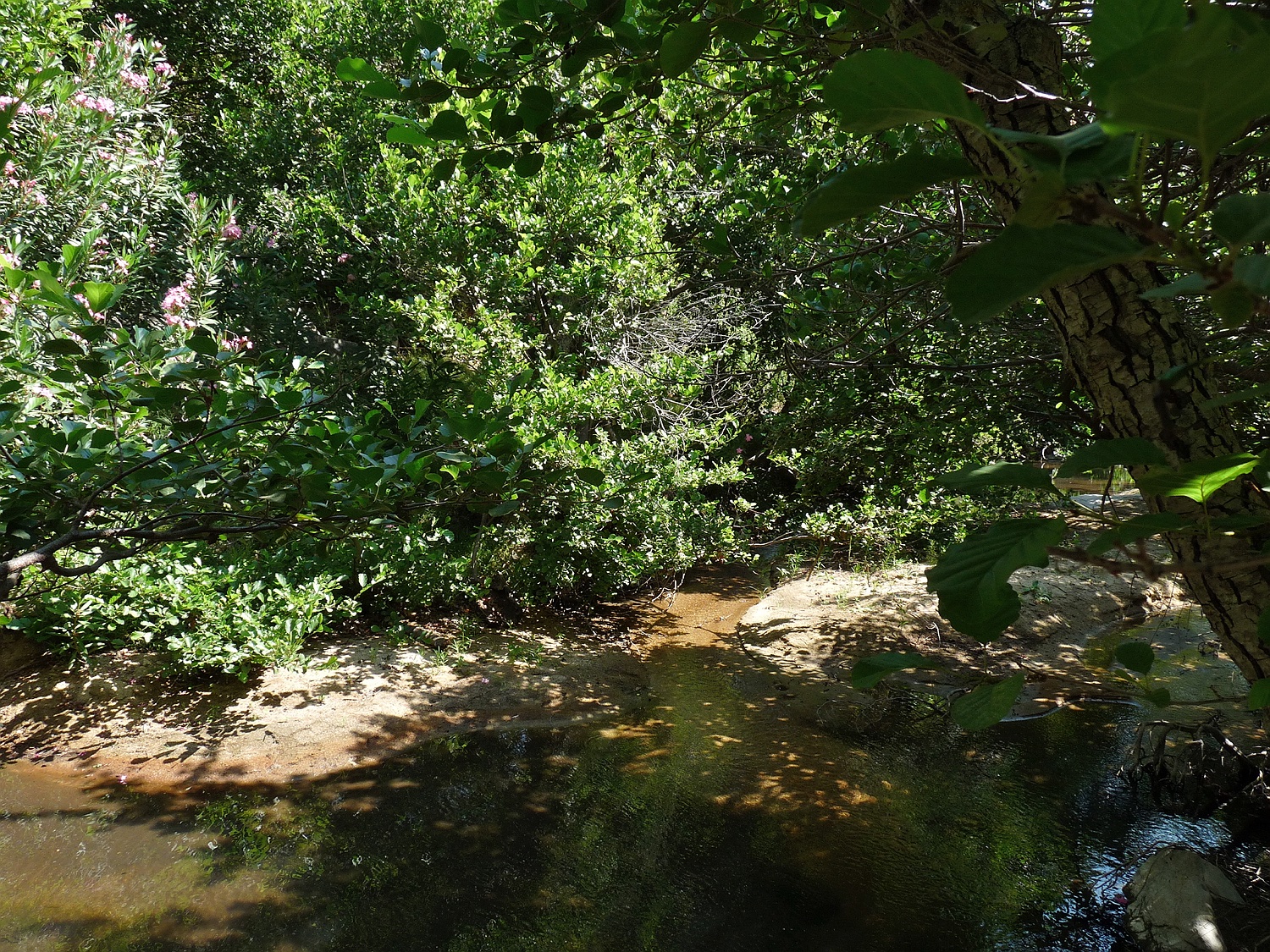
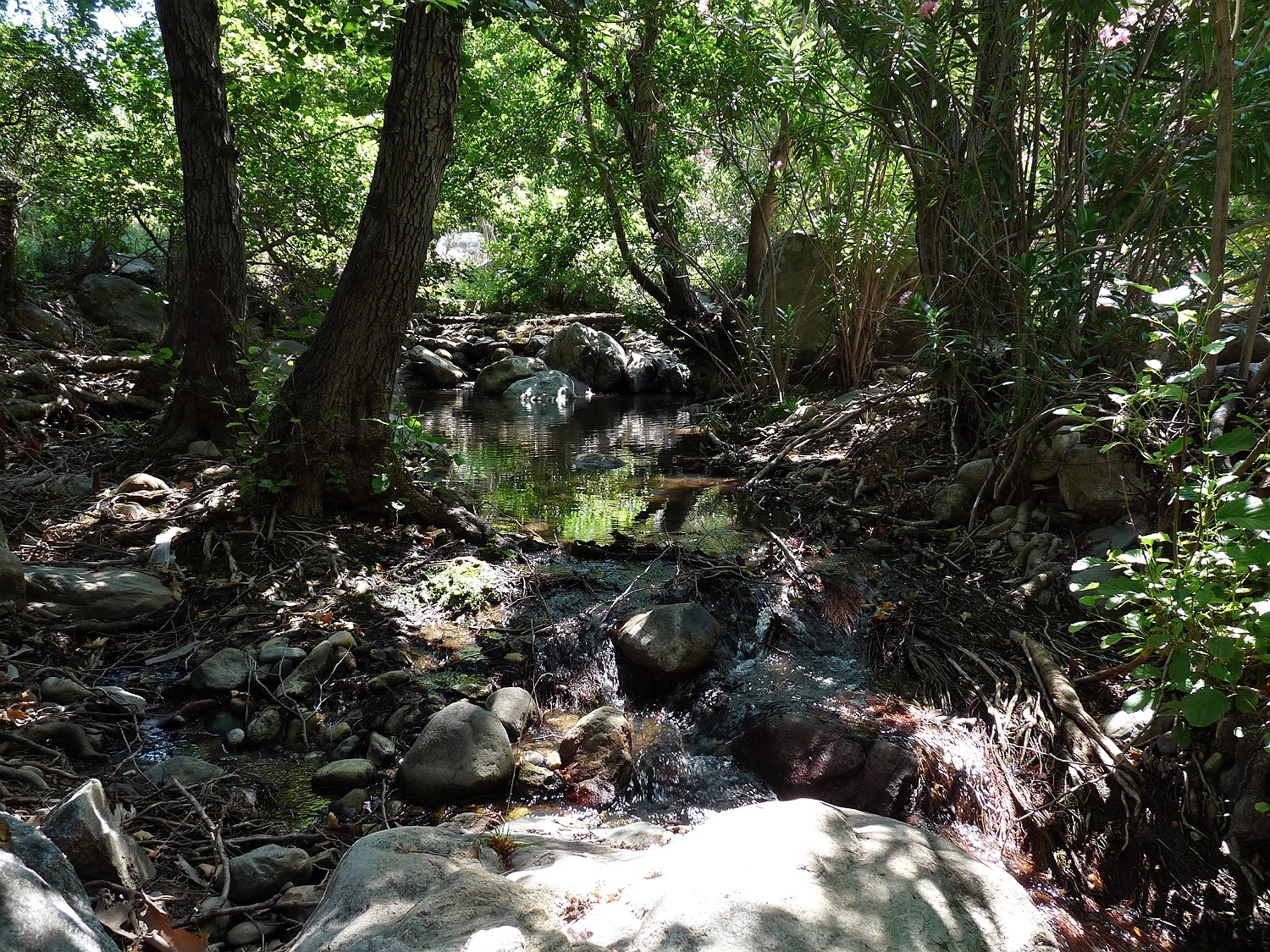
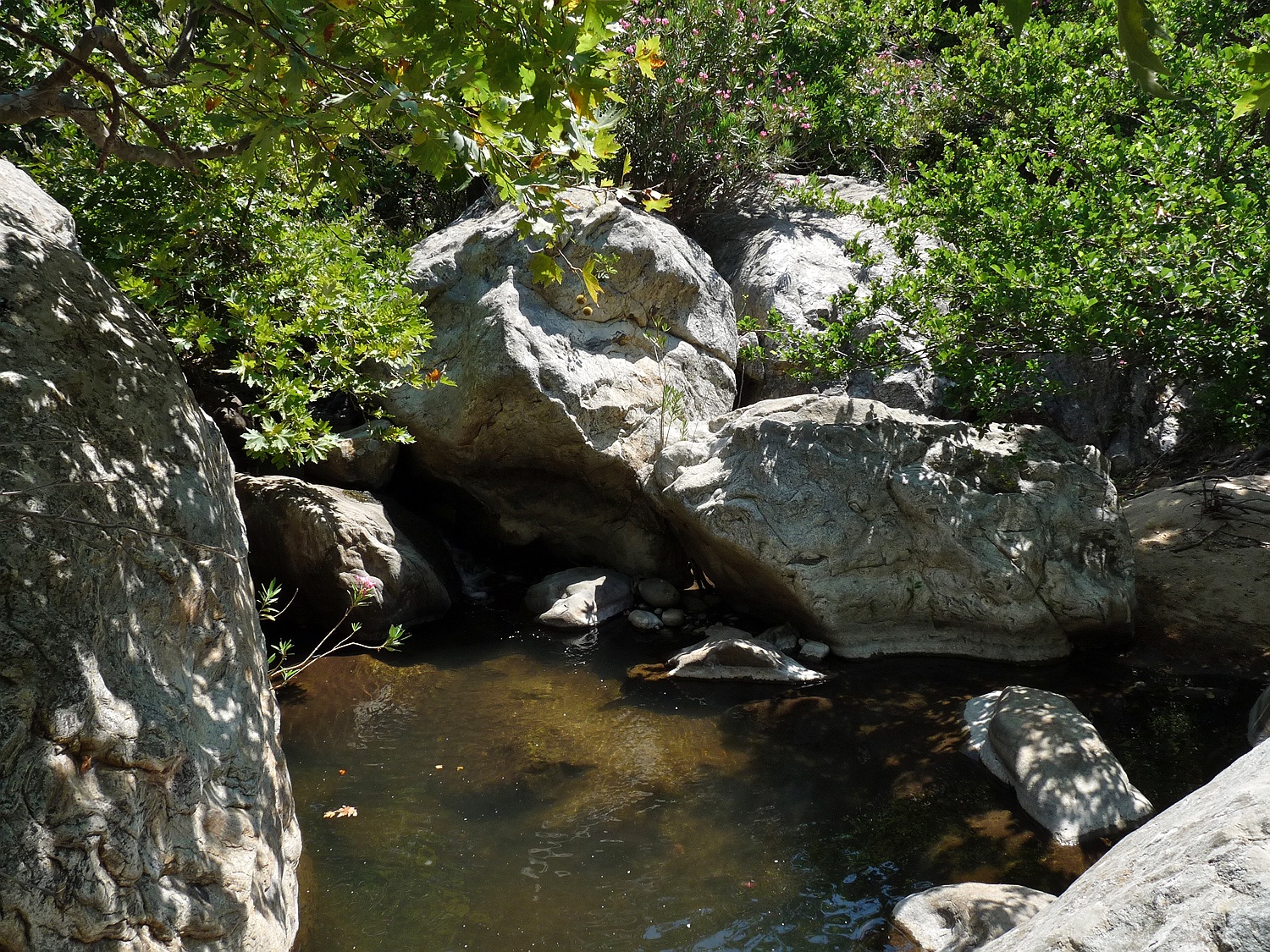
The river at Kinídaros – always beautiful!
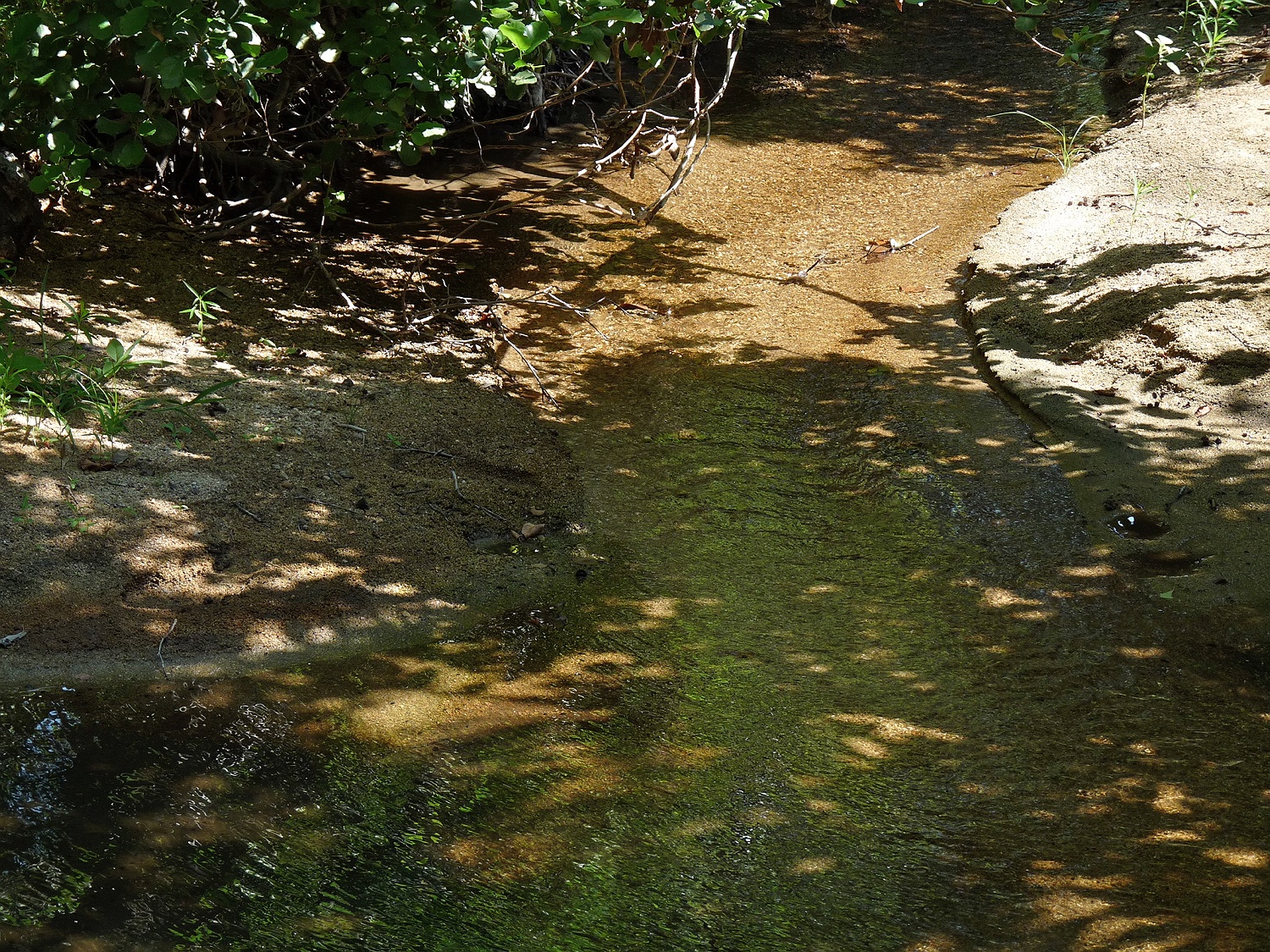
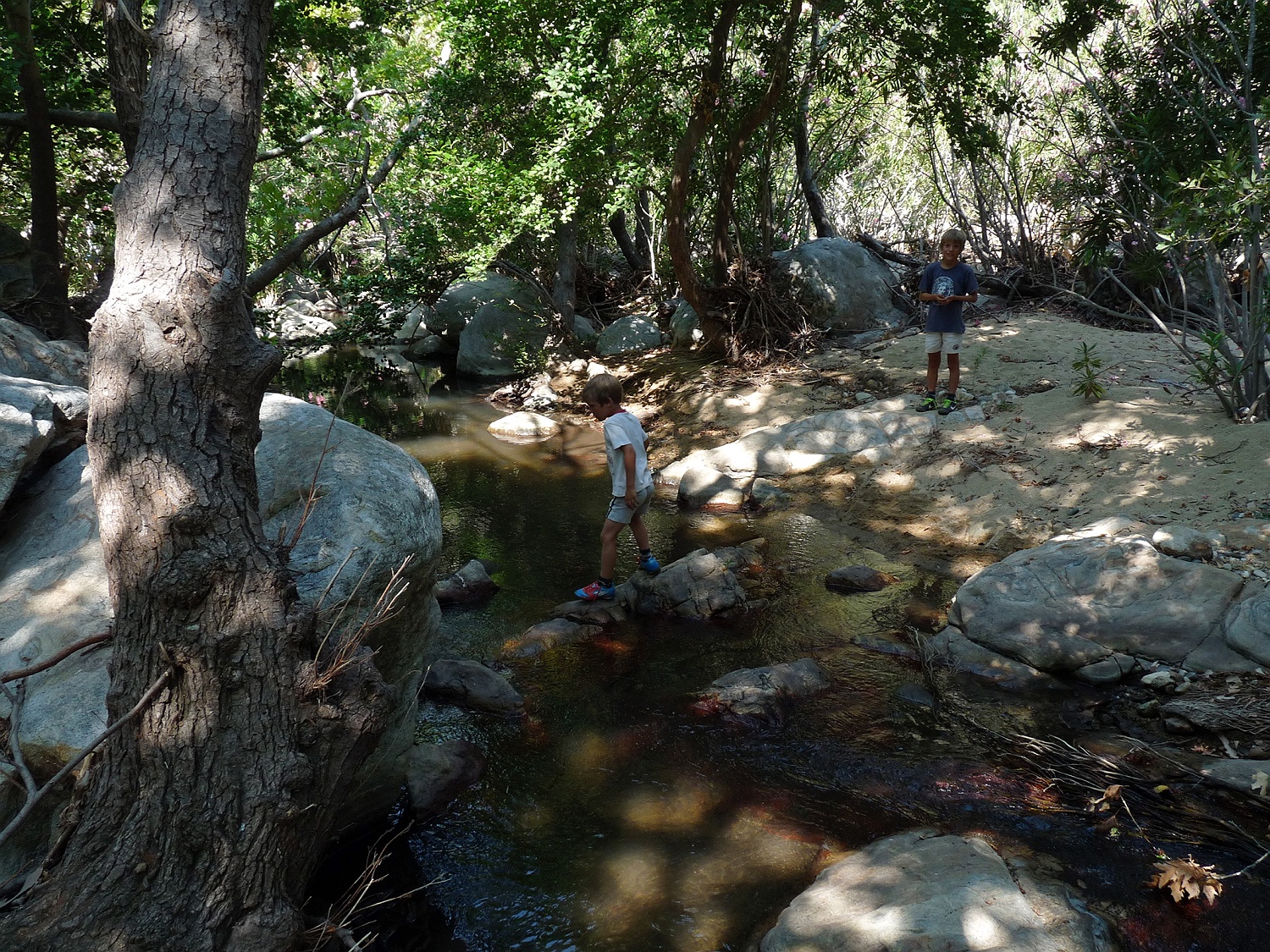
Everywhere there is something to discover!
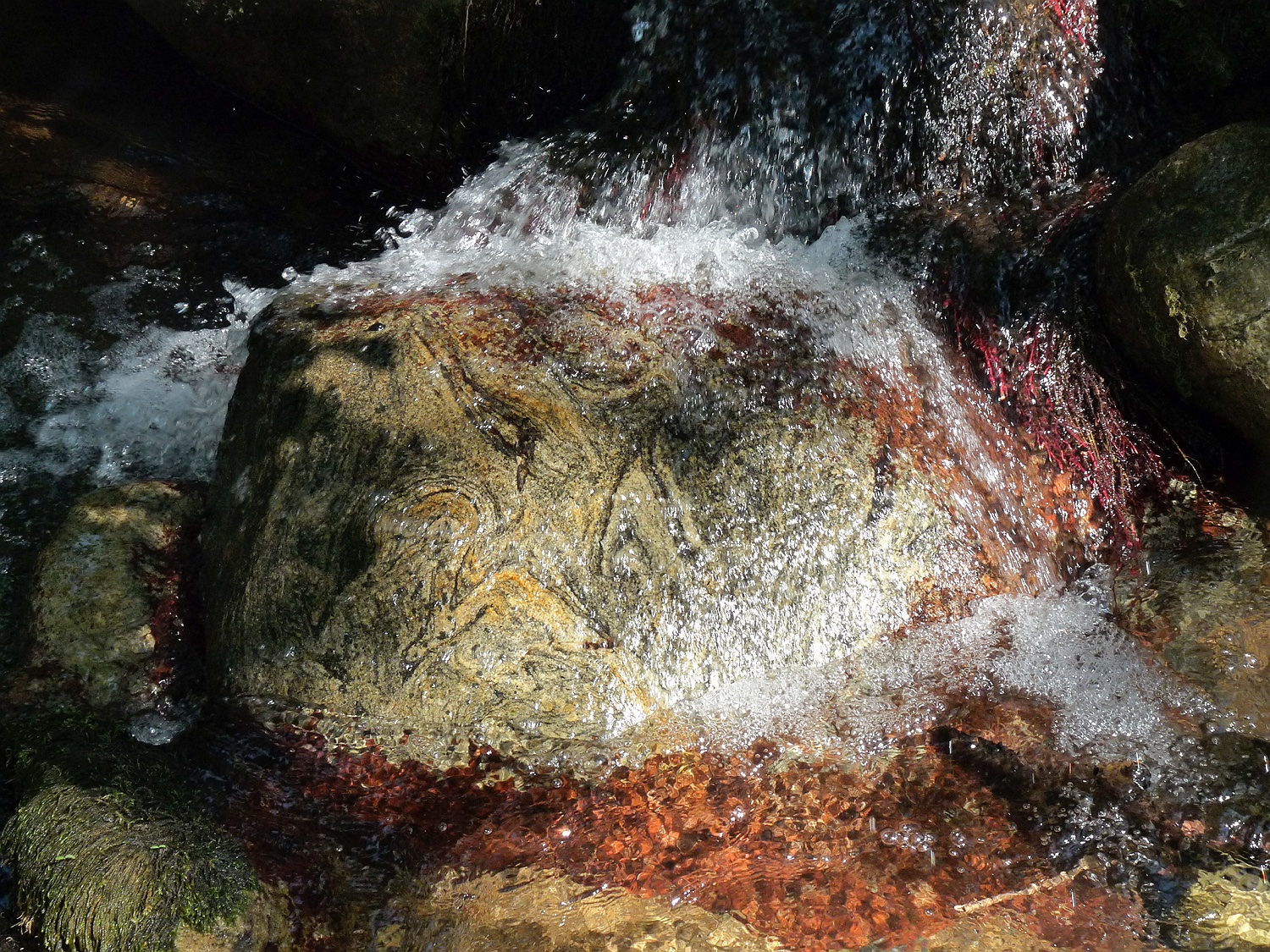
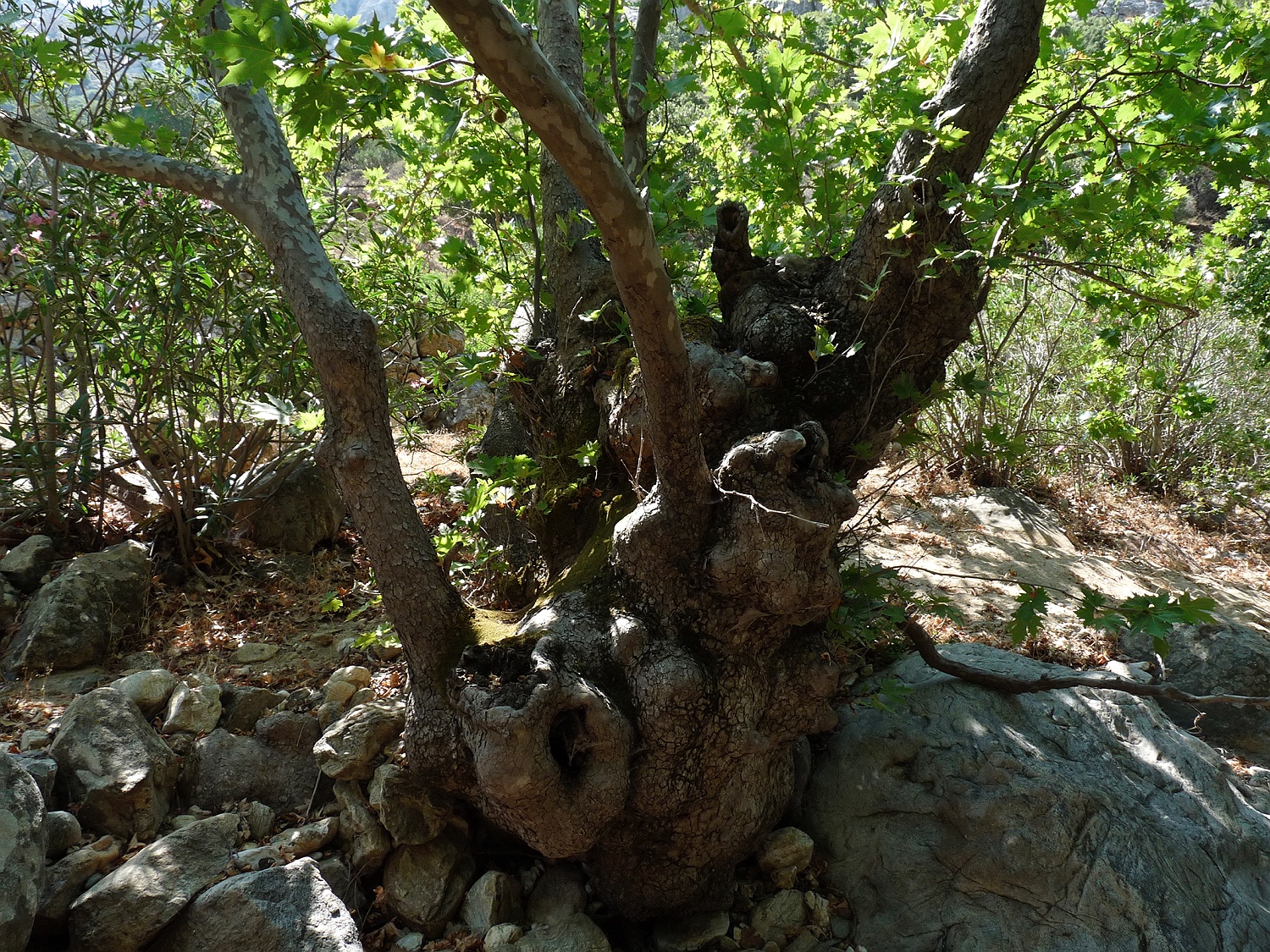
large old plane trees
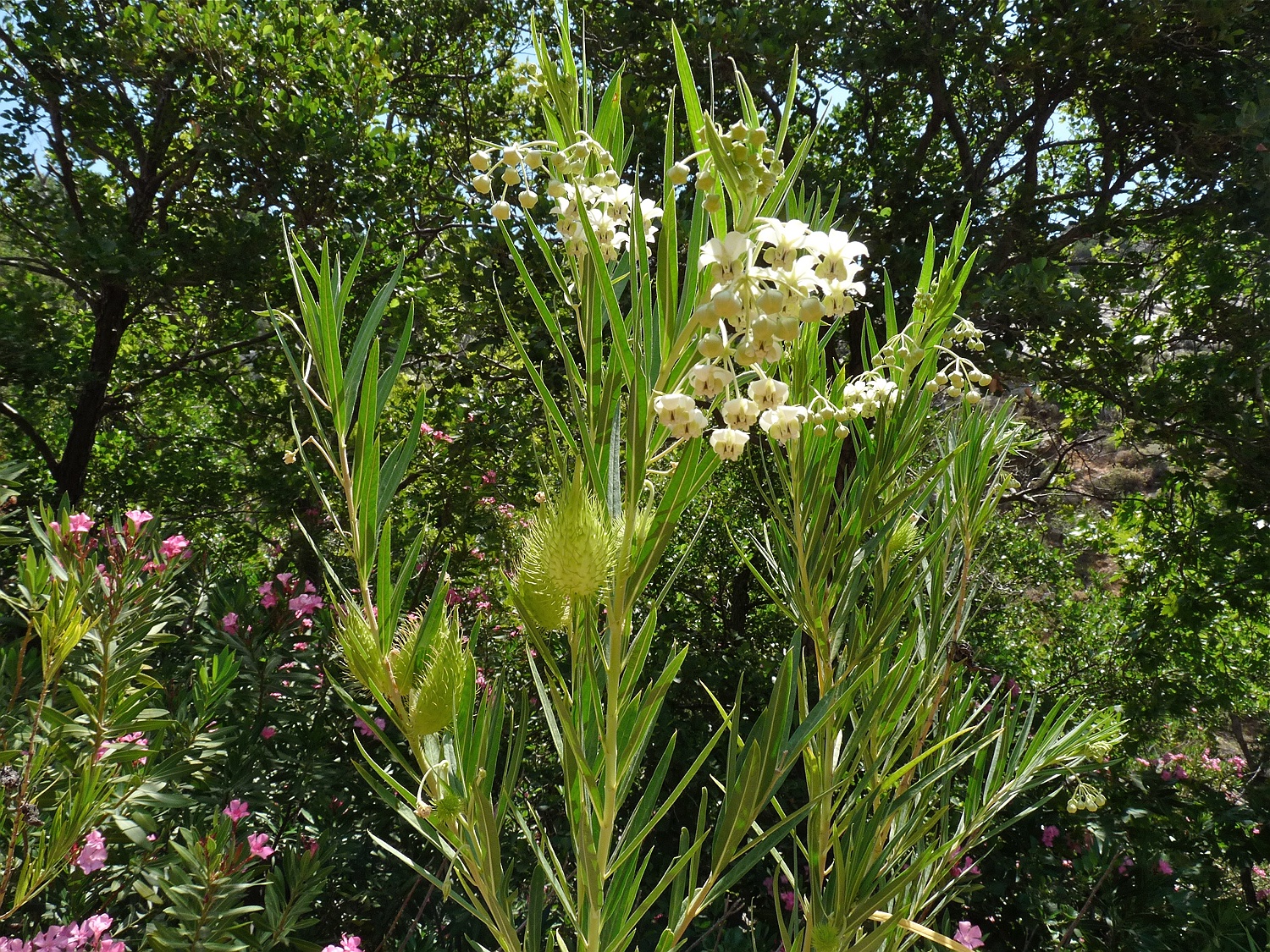
Only few plants along river are in flower at the moment. Here the swan plant (Gomphocarpus fruticosa).
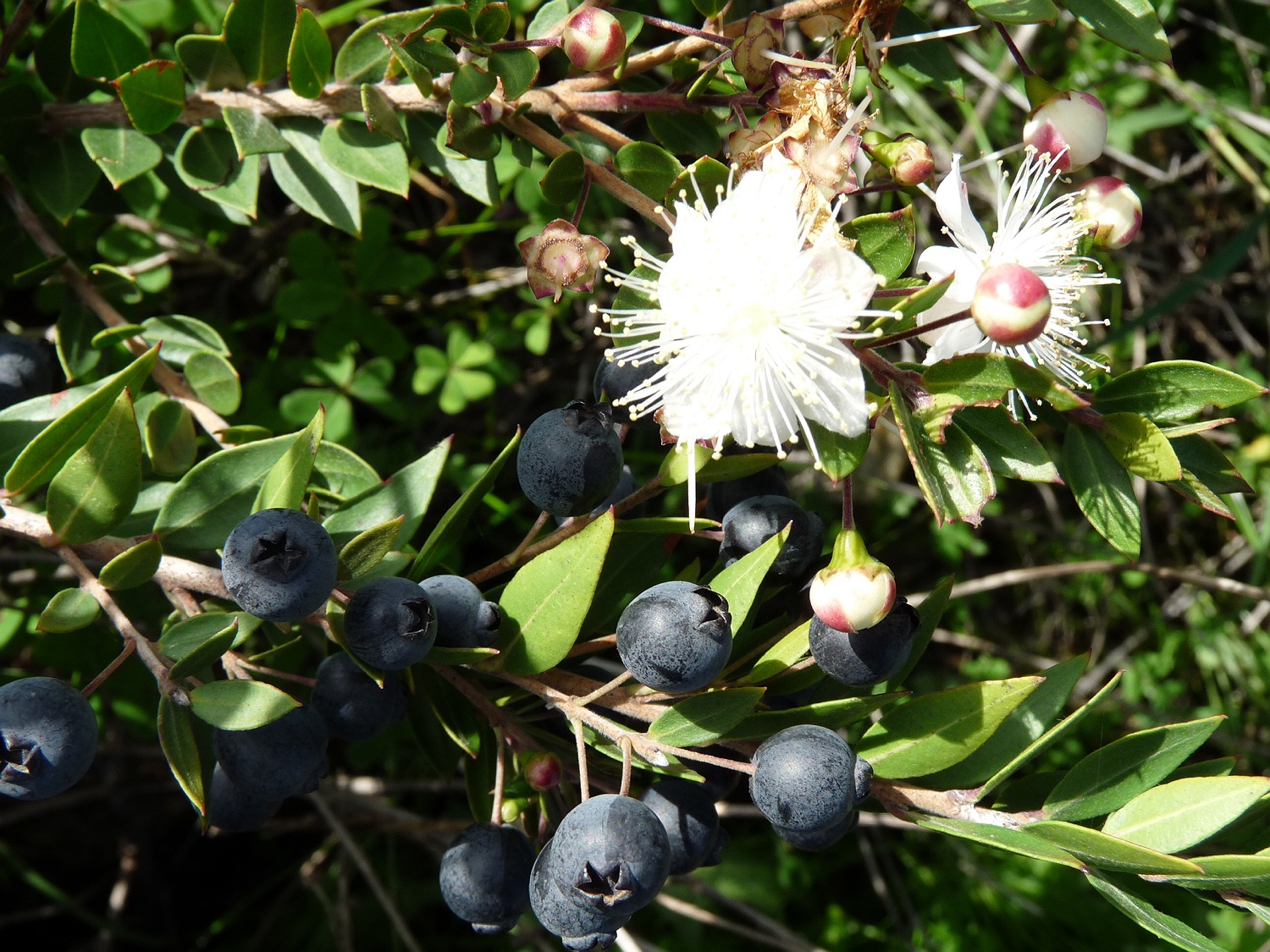
…and the myrtle bush (Myrtus communis).
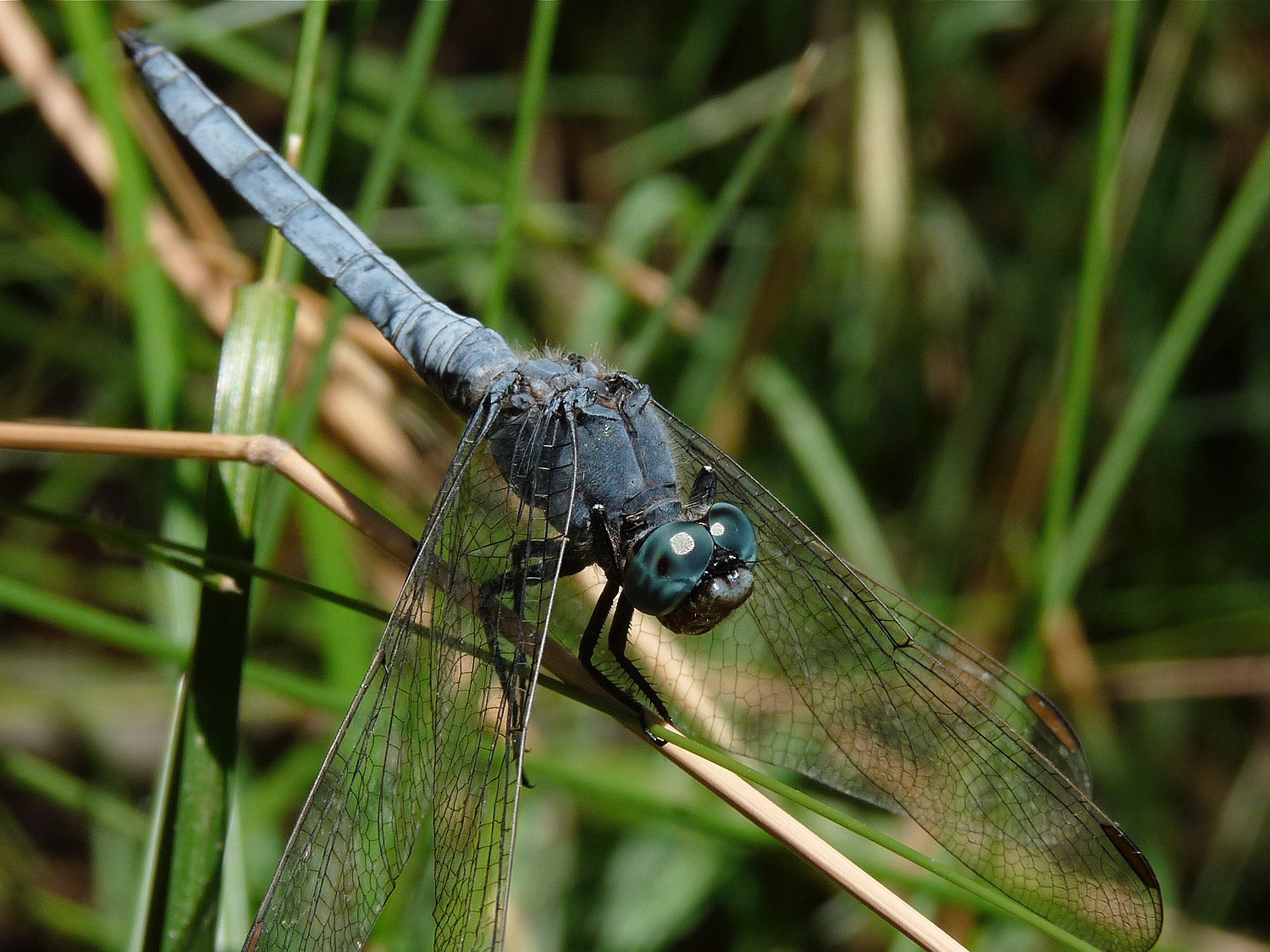
The most elegant inhabitants of the river are undoubtedly the dragonflies: here a Keeled skimmer.
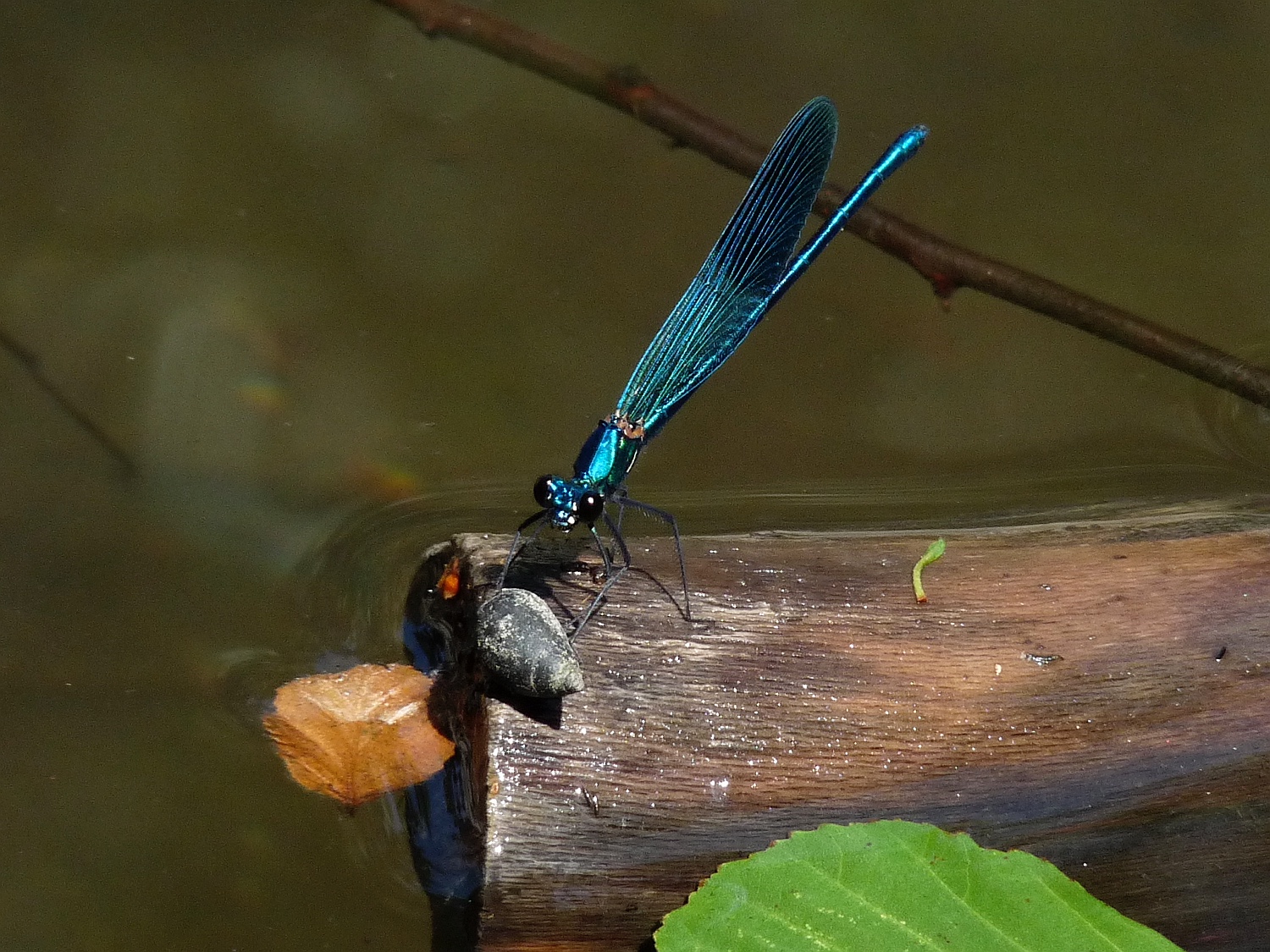
the magnificent Banded demoiselle
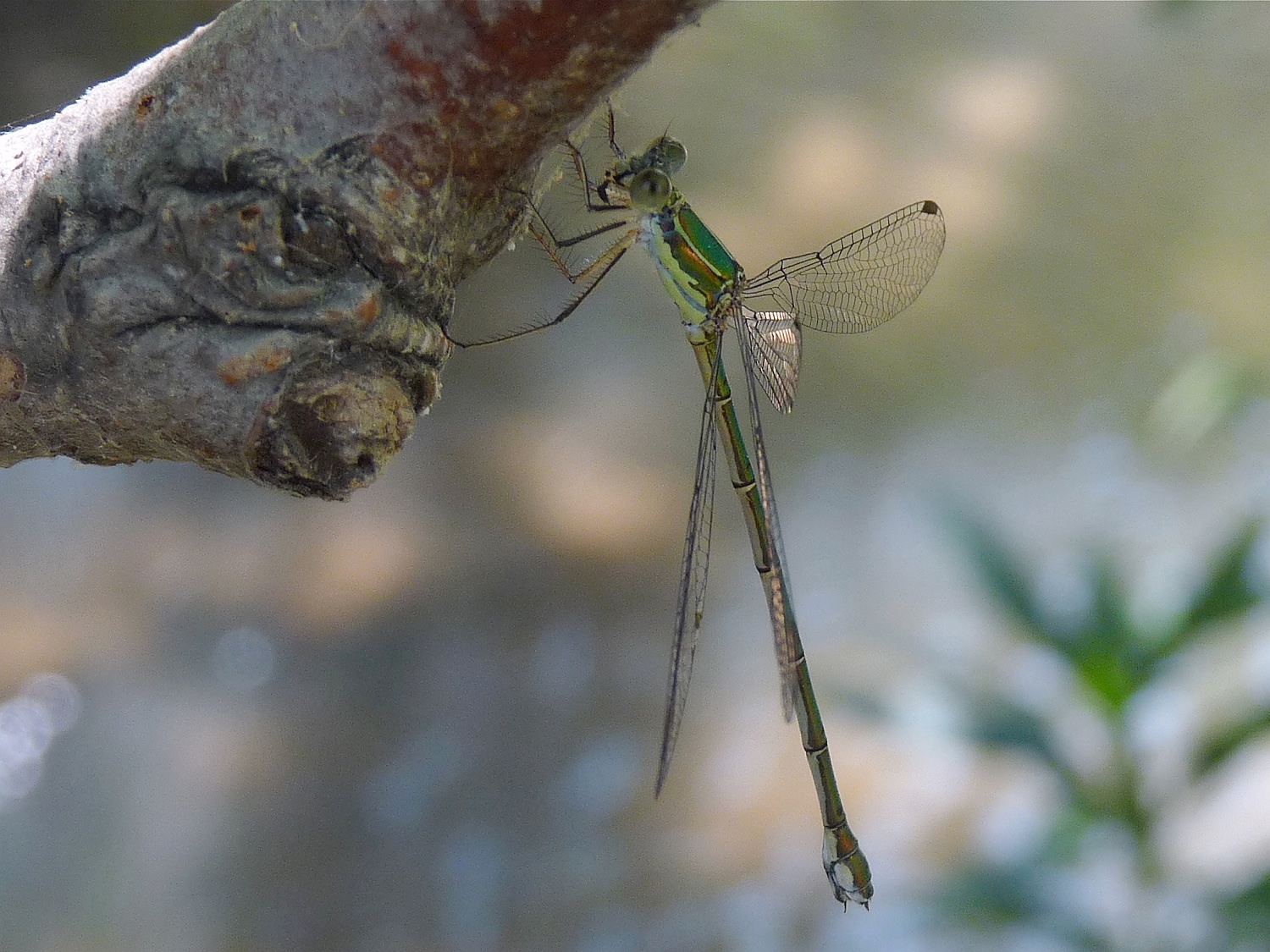
the elegant Eastern willow spreadwing
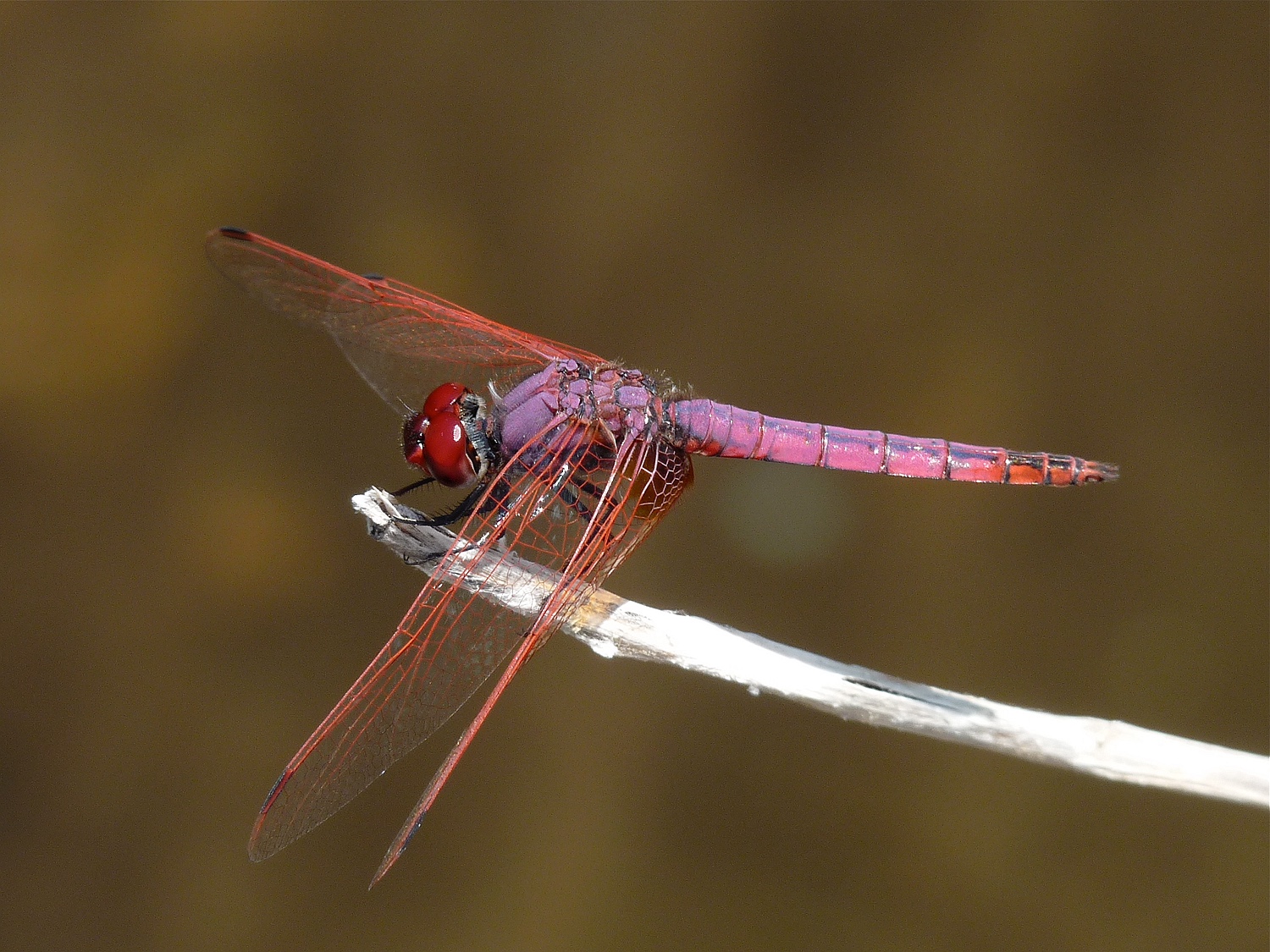
…and the incredible Violet dropwing with its amazing coloring.
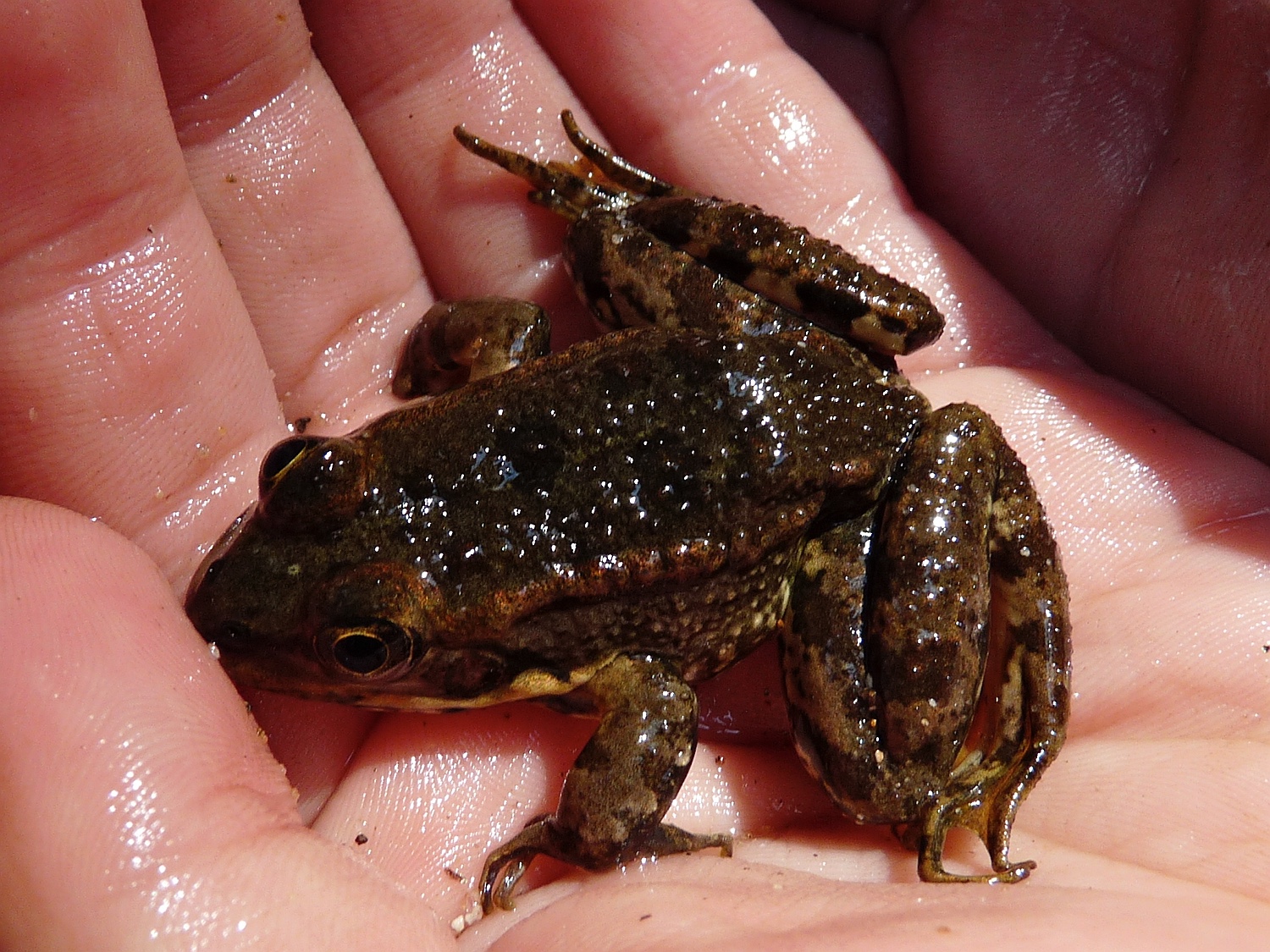
Two or three times we see a frog in the water: the Balkan water frog (Pelophylax kurtmuelleri).
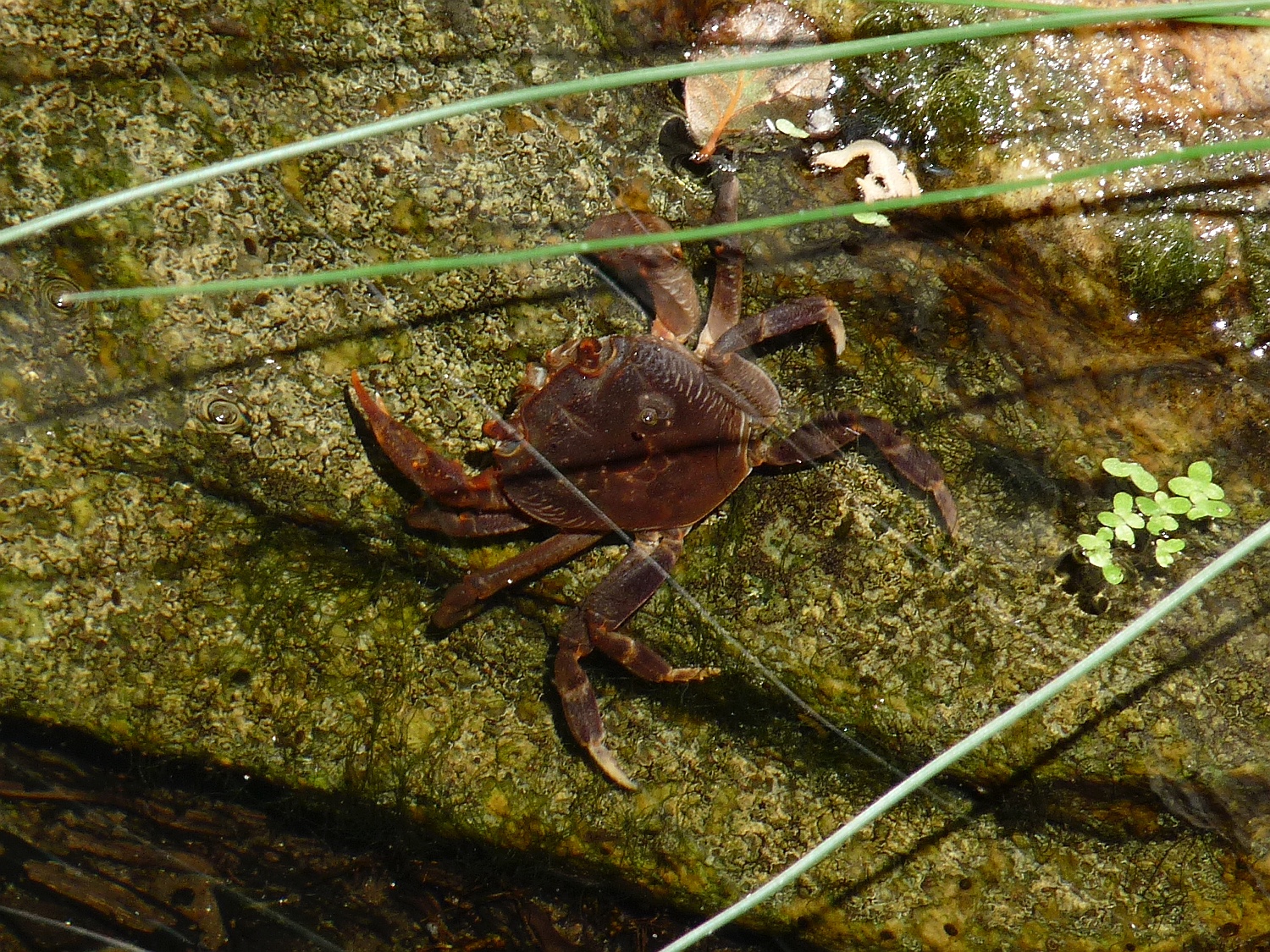
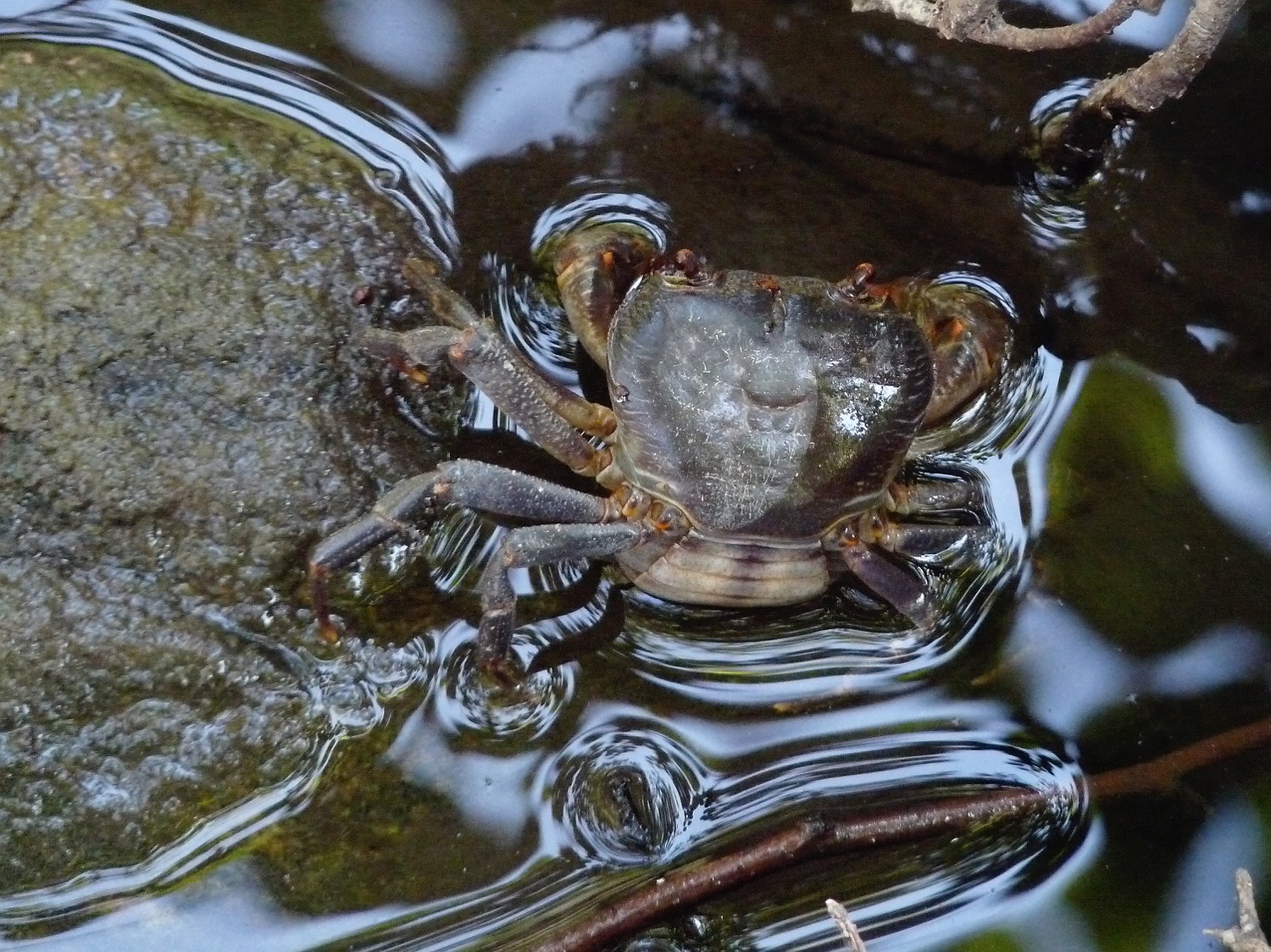
Another inhabitant of the river: the Levantine freshwater crab Potamon potamios.
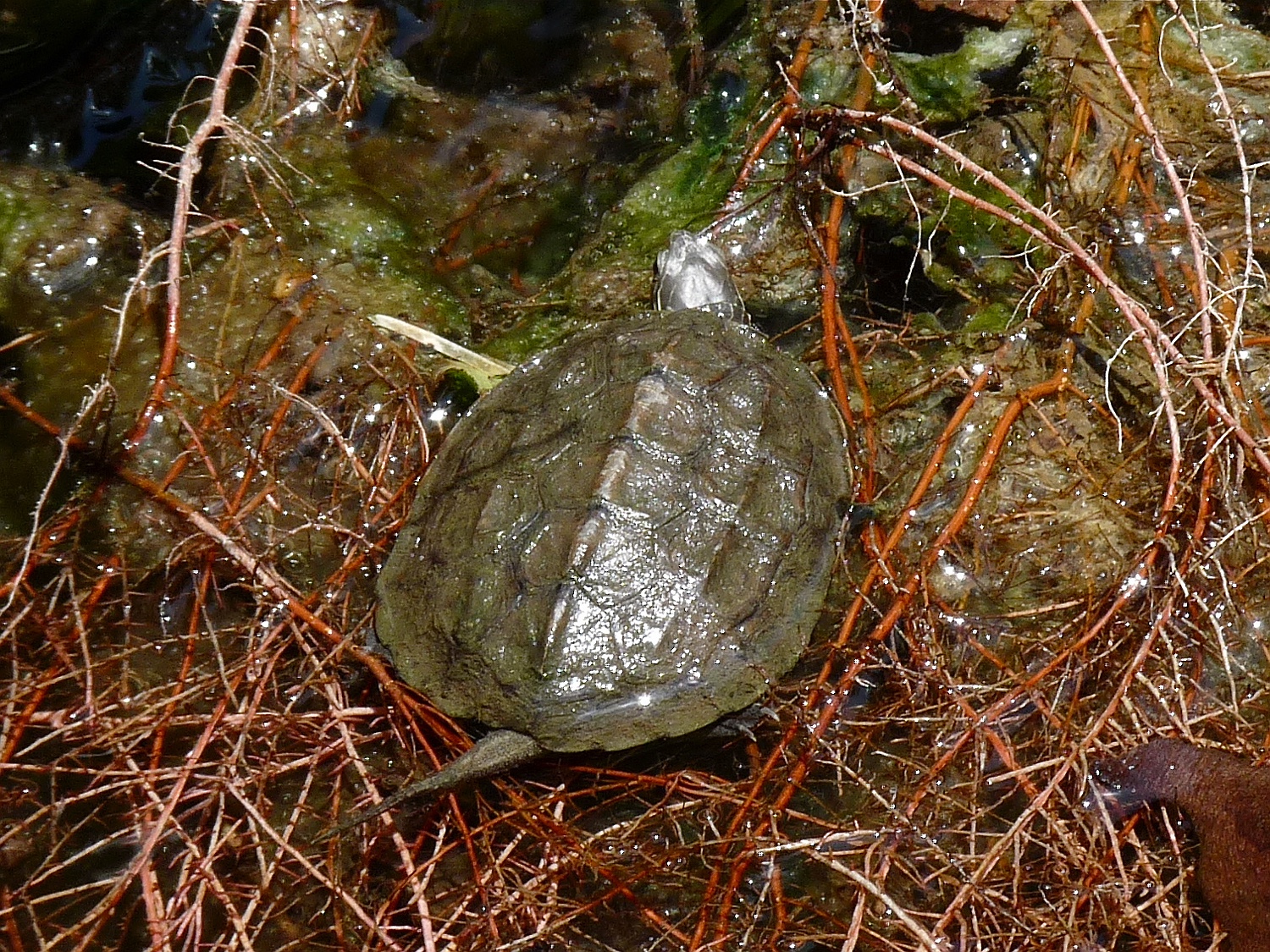
We encounter some Balkan terrapins
(Mauremys rivulata).
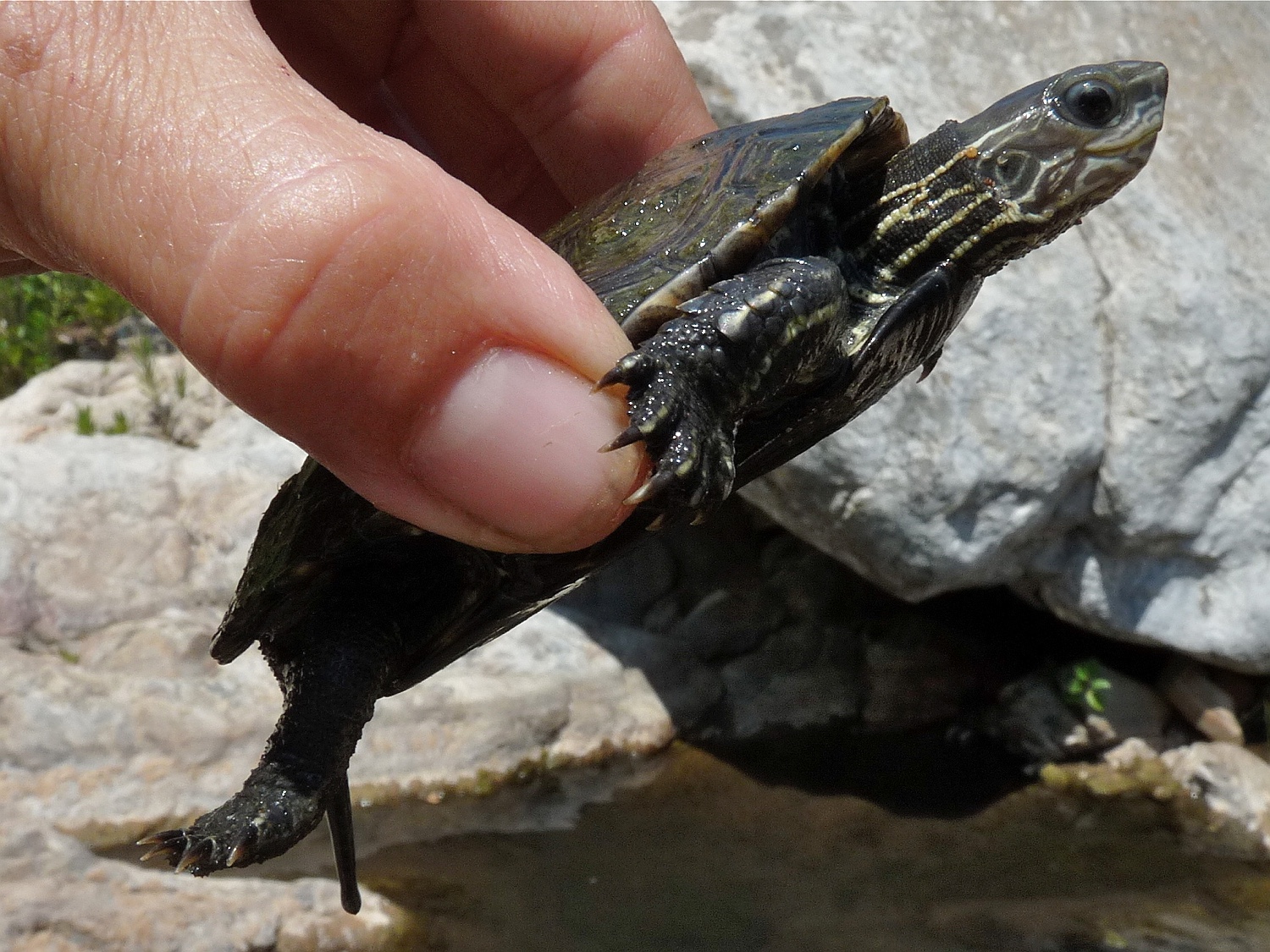
A characteristic feature of this species are the yellow stripes on the neck.
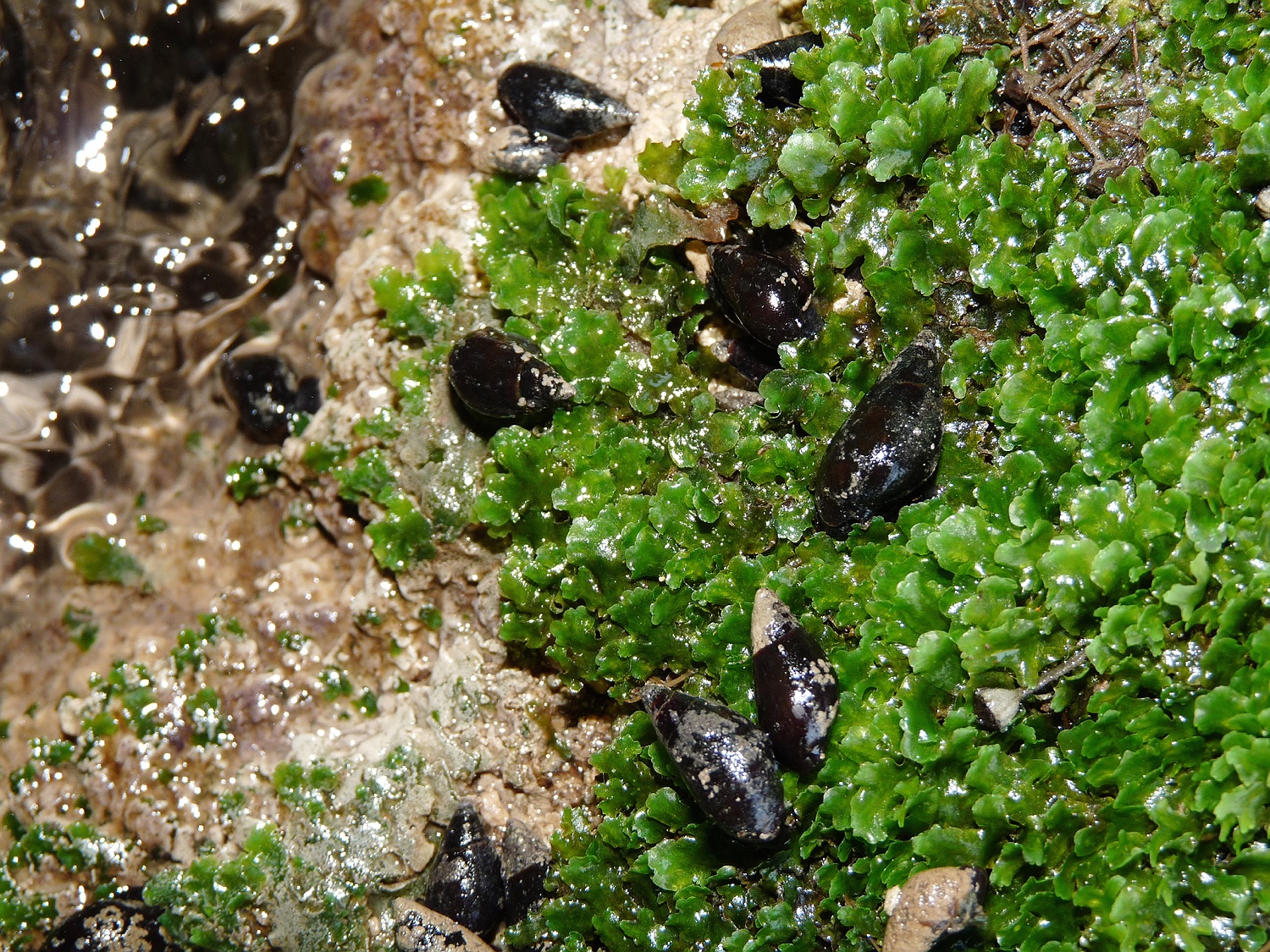
Freshwater snails also live in the rivers of Naxos. The most common species is pointed and cone-shaped and brownish or black in color. It is probably Melanopsis buccinoidea, which is found from Spain to Iran in fast-flowing, calcareous, oxygen-rich waters.
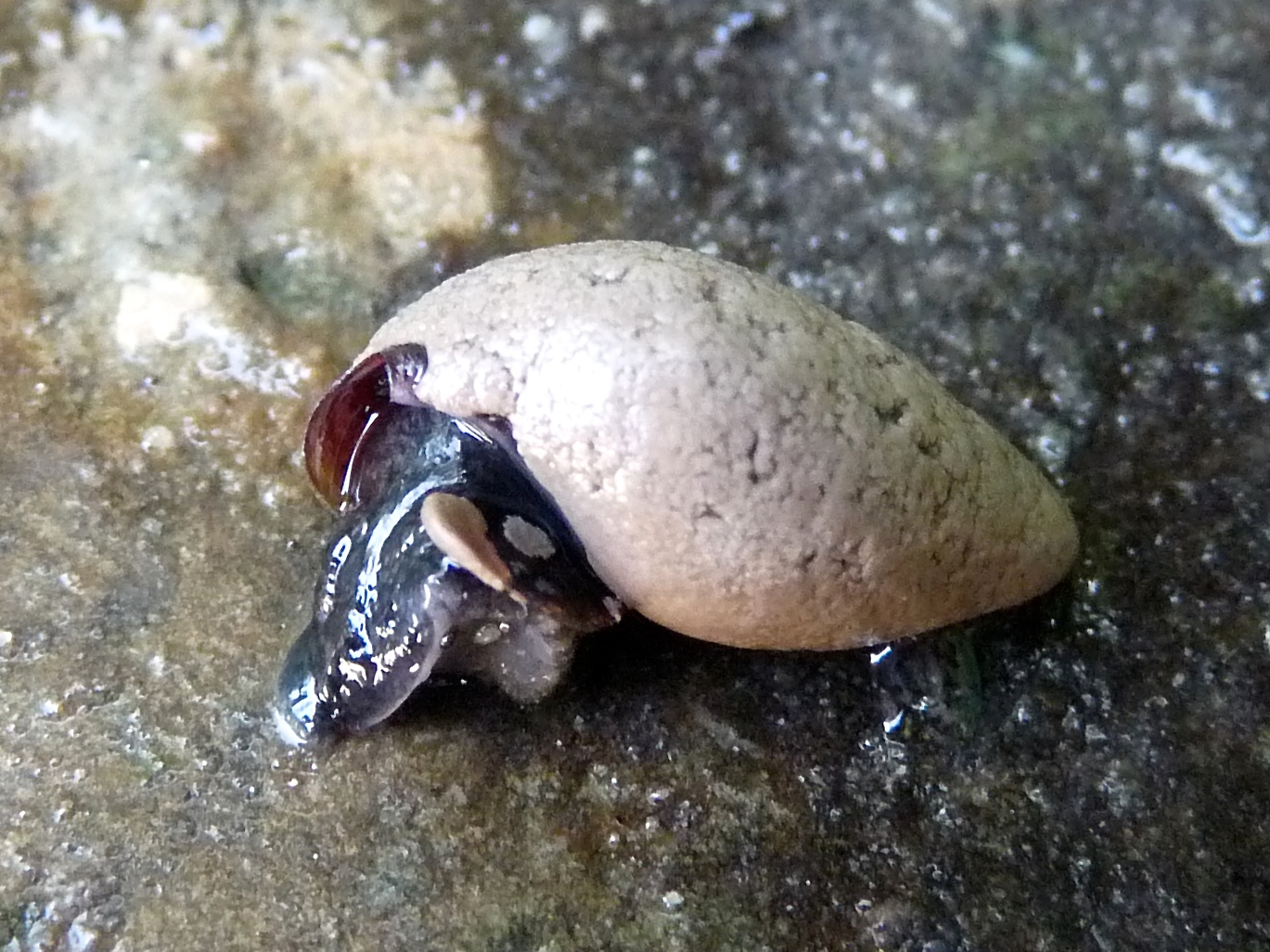
The shells are often covered with lime. The snails feed mainly on algae growing on the rocks.
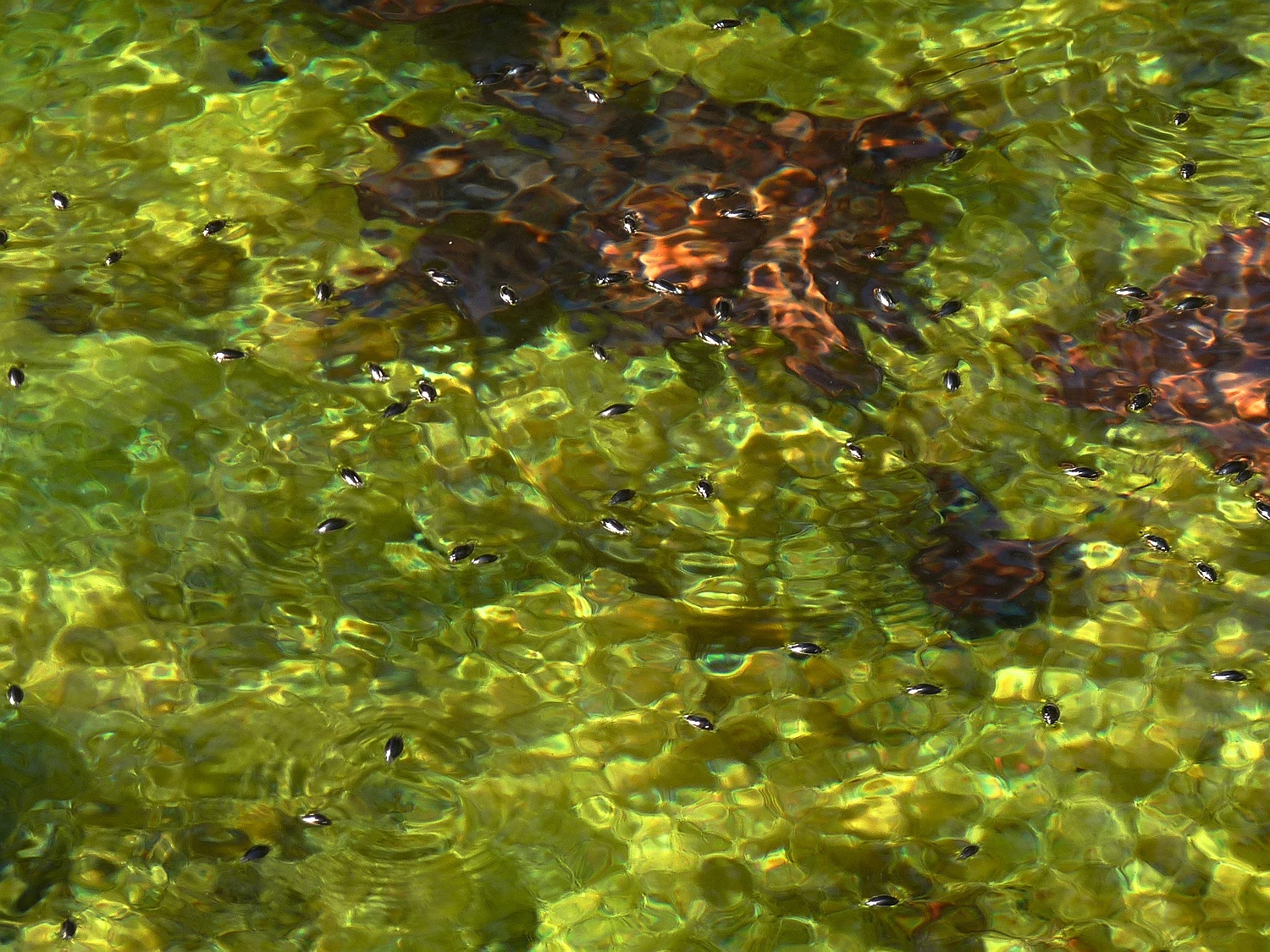
And there are some even smaller river dwellers, such as the small black whirligig beetles that glide incessantly across the water’s surface in quiet parts of the river.
Whirligig beetles live permanently on the surface of standing or slow-moving water. They swim incessantly, mostly in curves and circles, using a fast, very effective swimming motion of their short, broadened middle and rear legs. The longer front legs are used to grasp prey. Whirligig beetles feed mainly on small animals that have fallen into the water, which they locate with the help of their short antennae, which register the slightest movements in the water. They increase their buoyancy with an air bubble that they carry under their wing covers. There is also an air bubble at the end of their body, which is used for breathing. Whirligig beetles have two-parted eyes, the upper half is used for seeing above the water surface, while the lower half is used for seeing underwater.
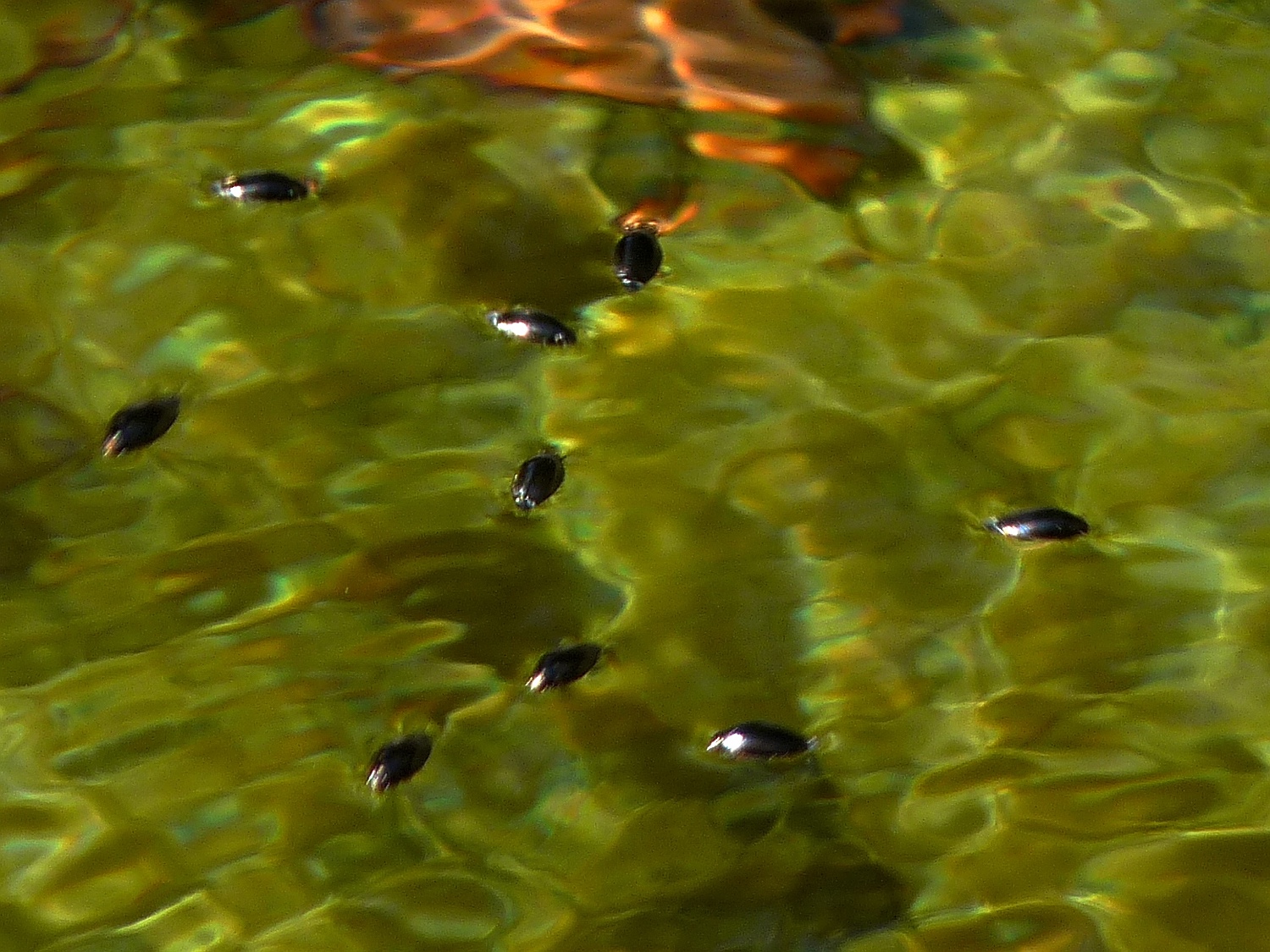
There are 19 species of whirligig beetles living in Europe, which are difficult to distinguish. This is probably a species of the genus Gyrinus.
Water striders belong to the bug family. They have very narrow bodies. The middle and rear legs are very long and held crosswise. Very dense, short hairs on the feet make them water-repellent, allowing the animals to run and jump on the water, being carried by surface tension. The shorter front legs are used to locate prey (small animals that have fallen into the water) by sensing movement in the water, and to catch it. Like all predatory bugs, water striders suck out their prey using a proboscis.
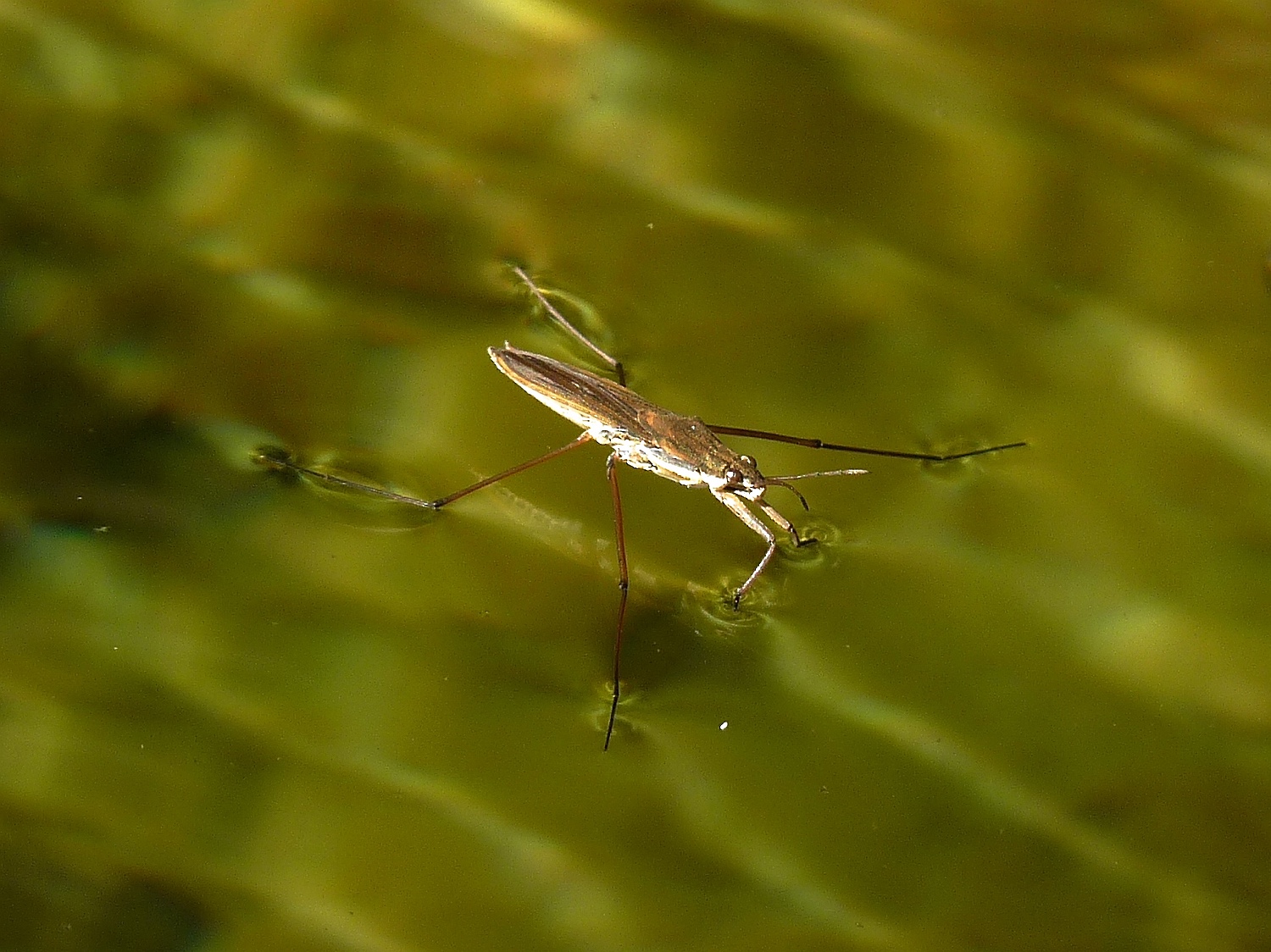
About 16 species of water striders occur in Europe, most of which belong to the genus Gerris. The species are very similar, making identification difficult.
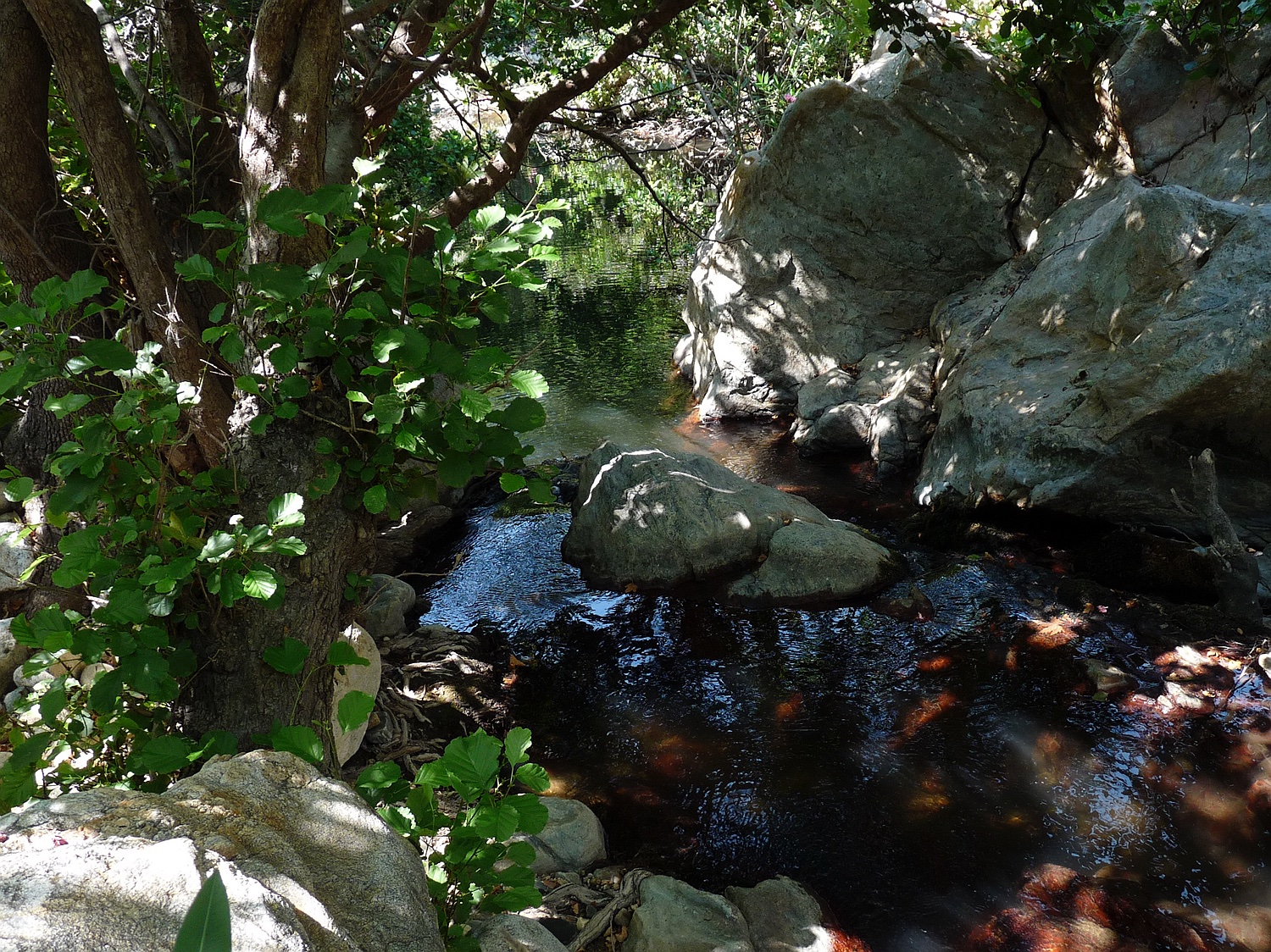
An enchanting world with fascinating inhabitants!
See also:
Comments are closed.