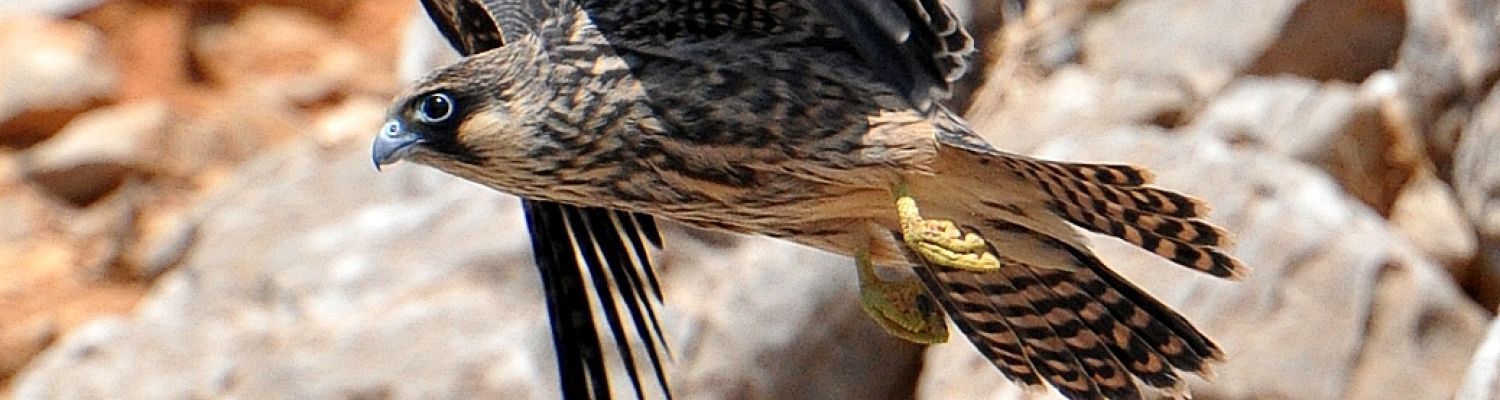
The birds of Naxos
The material used in this article is based on information provided the foremost expert on the bird life of Naxos, the Greek ornithologist Nikos Promponas, as well as on a study of the breeding birds of Naxos conducted by Winfried Scharlau and myself in 1990, supplemented by more recent observations. I would like to express my thanks to Nikos Promponas for all his information and efforts, as well as to photographers Winfried Scharlau, Th. Gaitanakis and G. Beriatos for the photos they kindly allowed me to use.
In this article, I do not present the individual bird species as I do with other animal groups, but only give an overview of what birds you may encounter on the island – information about the species can easily be found on the internet if you are interested.
To the Photo gallery of the Breeding birds of Naxos
As on all islands that lie relatively far from the mainland, significantly fewer bird species breed on Naxos than on the mainland. Nevertheless, the island’s avifauna is surprisingly rich especially compared to the other Cyclades. This is mainly due to the size of the island and its diverse landscape. Apart from the breeding birds, migrating birds are of particular interest: Naxos is an important stopover for the birds on their way to Africa.
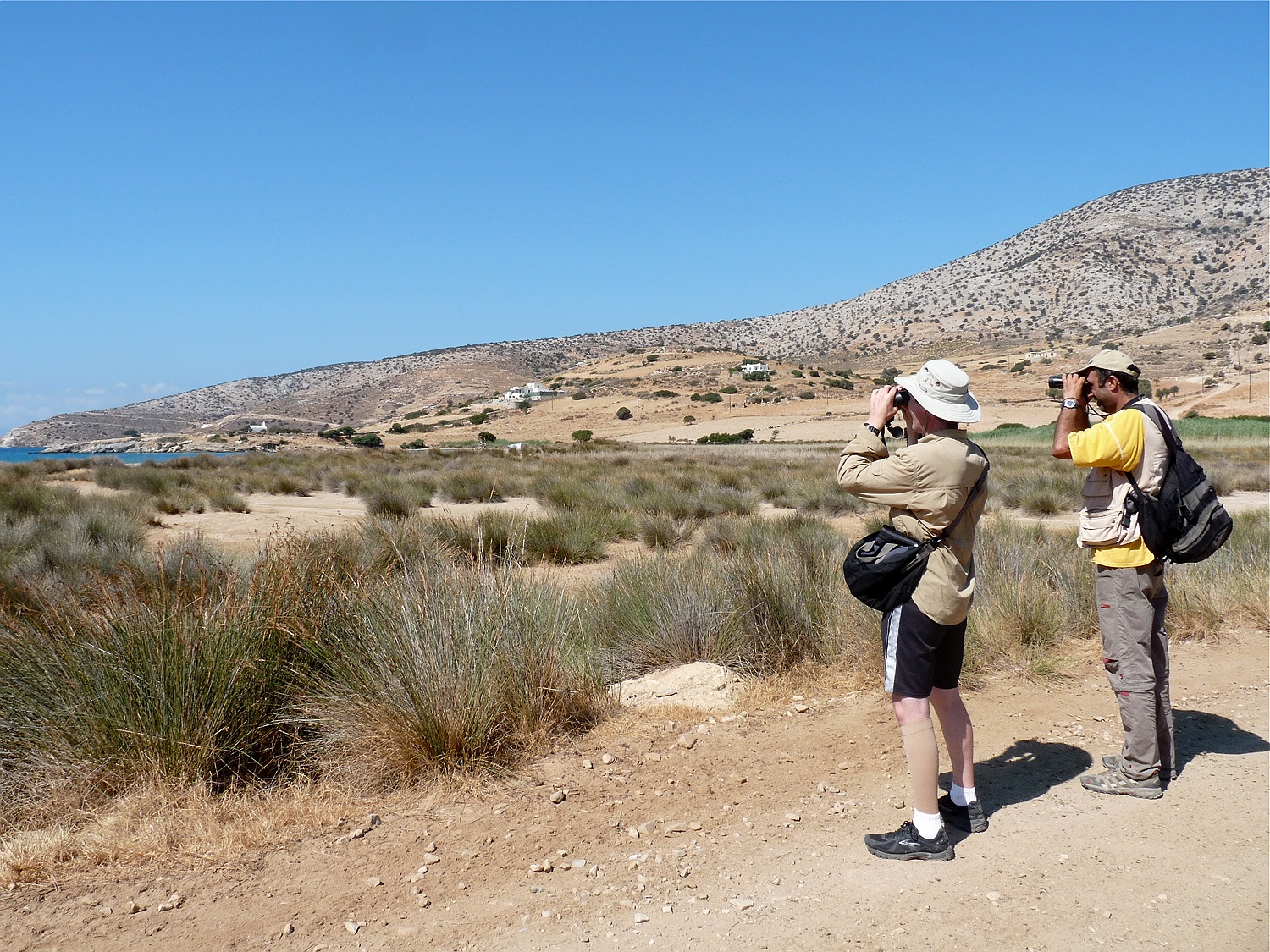
ornithologists in the field; on the right, Nikos Promponas, the foremost expert on the birds of Naxos
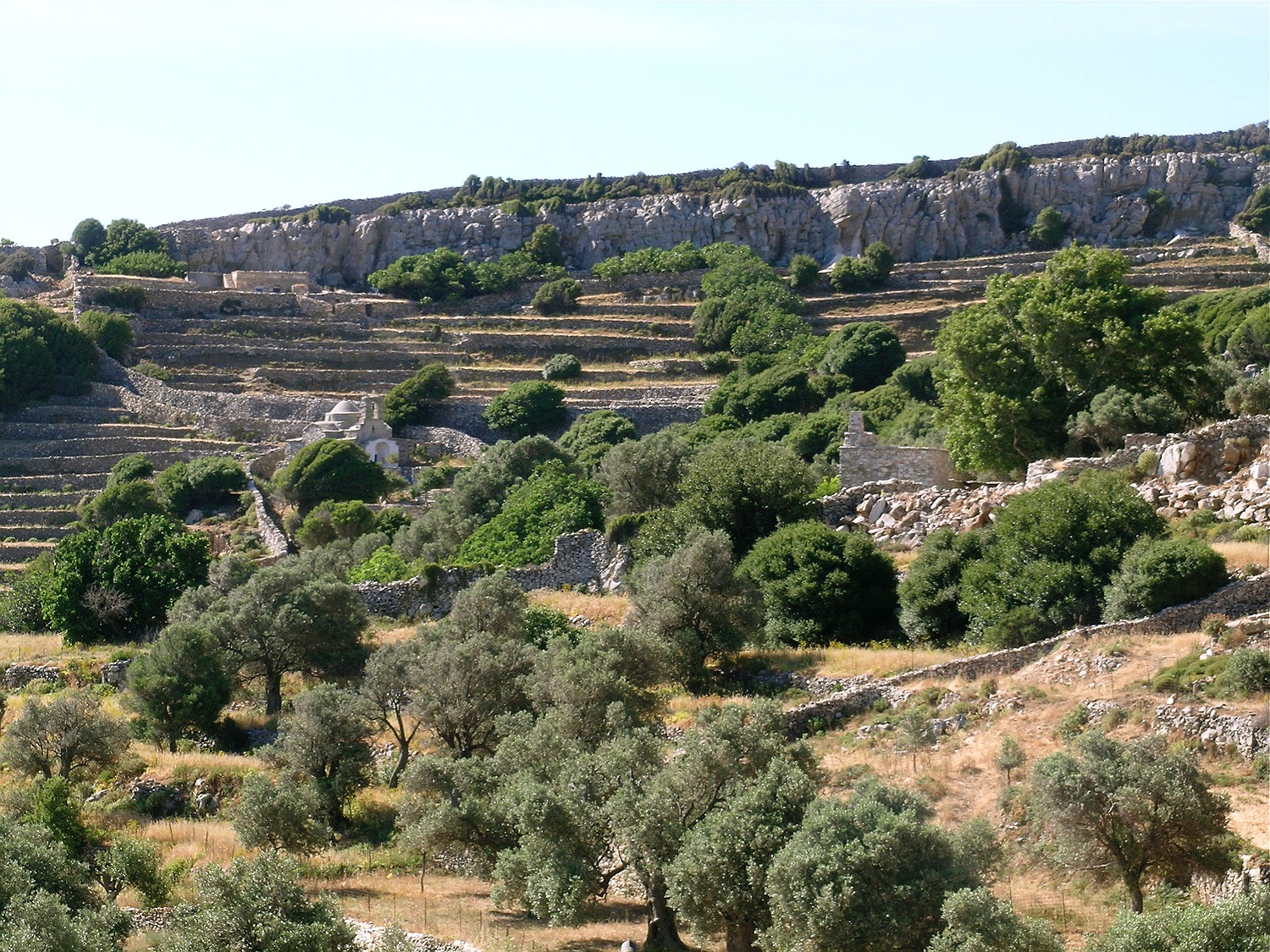
Quite a few bird species breed in the typical mediterranean landscape that are of interest to bird watchers as they do not occur in central Europe.
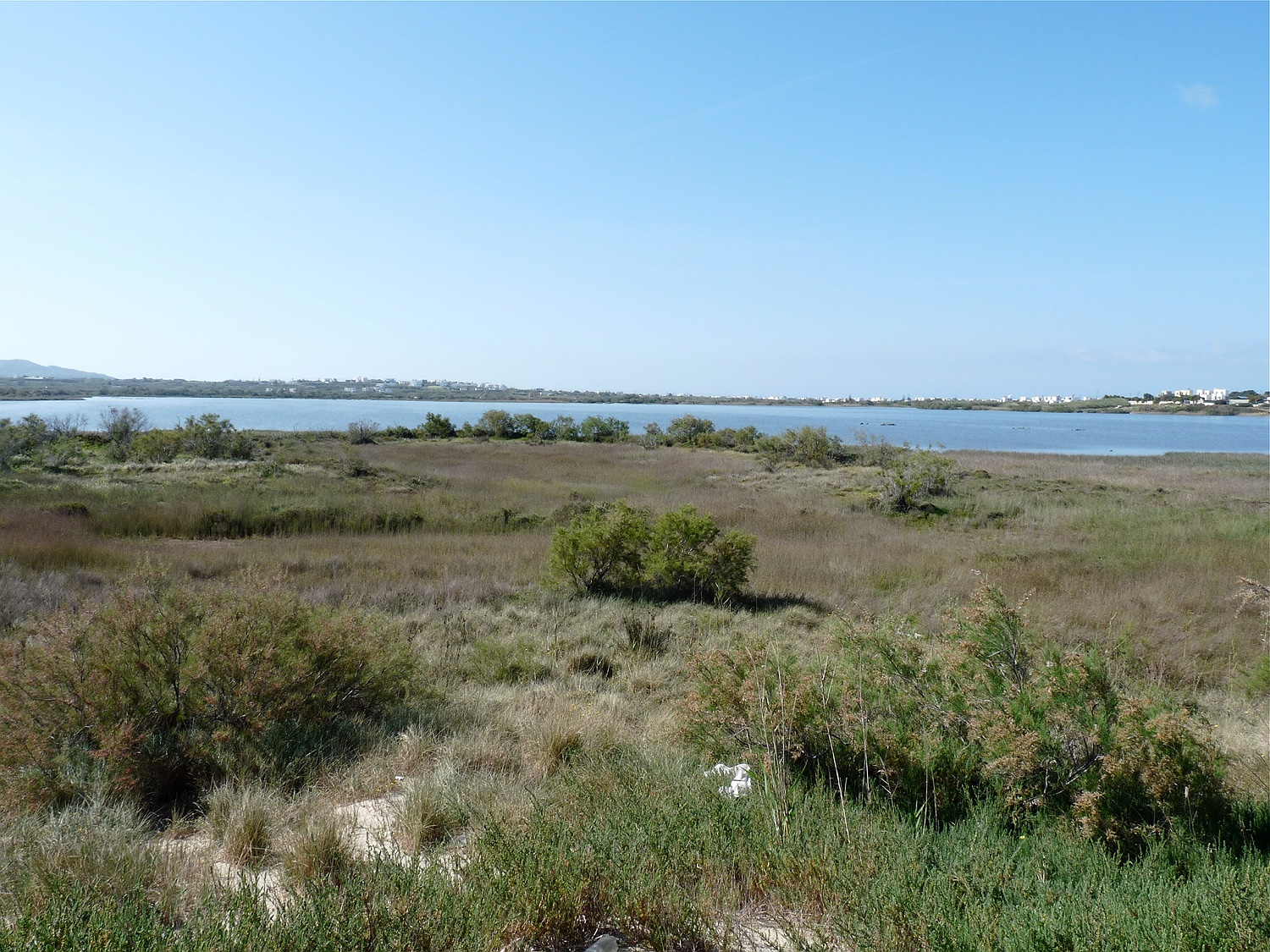
If you want to see water birds during migration, the lagoon at the airport is the best place to go.
A total of around 225 bird species have been recorded on Naxos (not including some very old data); this is slightly more than half of the species found in Greece (437). Around 70 species of birds breed on Naxos (including some surrounding islets), although a few of them do so only irregularly; some species need verification. 43 species of the breeding birds are residents that spend the whole year on the island, while 27 species are migratory species that leave the island in winter. About 90 bird species visit the island regularly during migration, and around 40 species are winter guests. 51 of the species recorded on Naxos are listed in Greece’s Red List of Threatened Species.
The avifauna of Naxos has changed somewhat over time: In the last 100 years, some species have – as far as we know – disappeared from the island (such as the Blue tit and the House martin), while others have newly appeared as breeding birds (such as the Collared dove and – according to the available information – Cetti’s warbler, the Stonechat, the Tree sparrow and the Eastern red-rumped swallow). Since about five years the Eurasian blackcap has decided to stay on the island and is now quite common in the mountains. Five of the species counted below as breeding birds only breed on small islets in the direct vicinity, but can be regularly observed on Naxos or at the coast: the gull and shearwater species and Eleonora’s falcon. Some species may have disappeared lately, especially the rarer birds breeding near the airport and the species breeding at lagoons and in reed beds and estuaries due to lack of water, destruction of their habitat and disturbance.
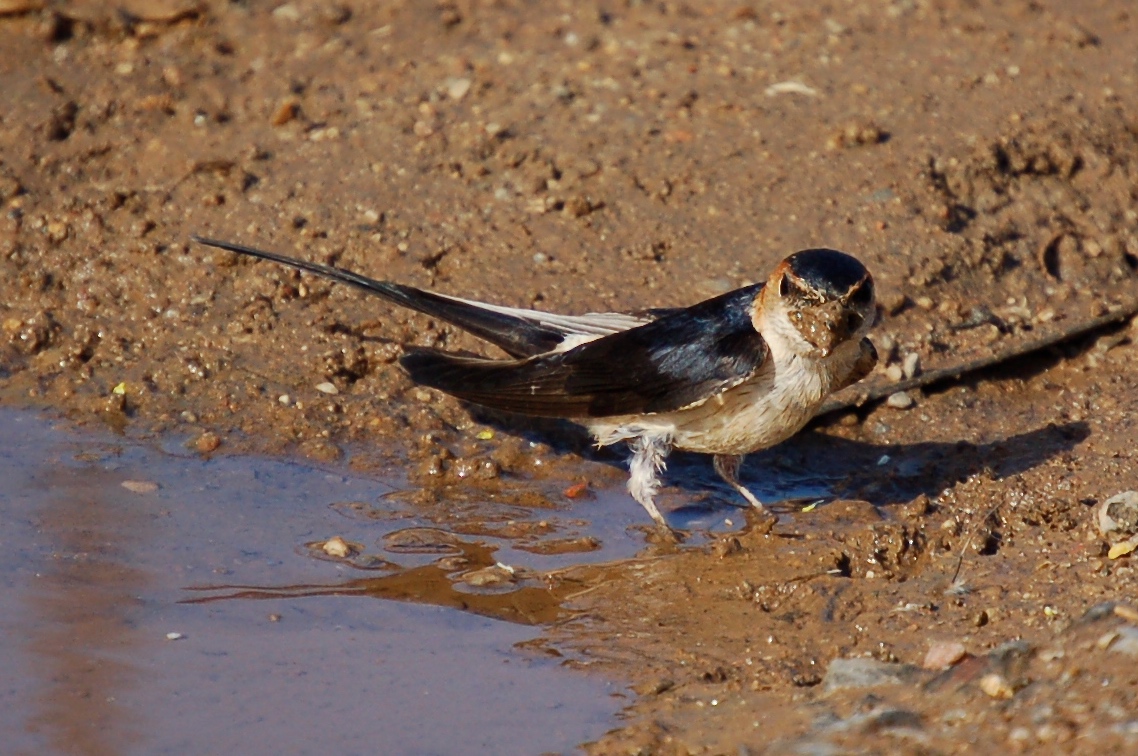
The Eastern red-rumped Swallow has probably only settled on Naxos in recent decades. Photo by Winfried Scharlau
The most spectacular breeding bird species on Naxos are undoubtedly found among the birds of prey and the seabirds. Not only Common buzzards and Common kestrels occur as breeding birds, but also rare species such as Eleonora’s falcon, Griffon vulture, Bonelli’s eagle, Long-legged buzzard, Peregrine falcon and Lanner falcon.
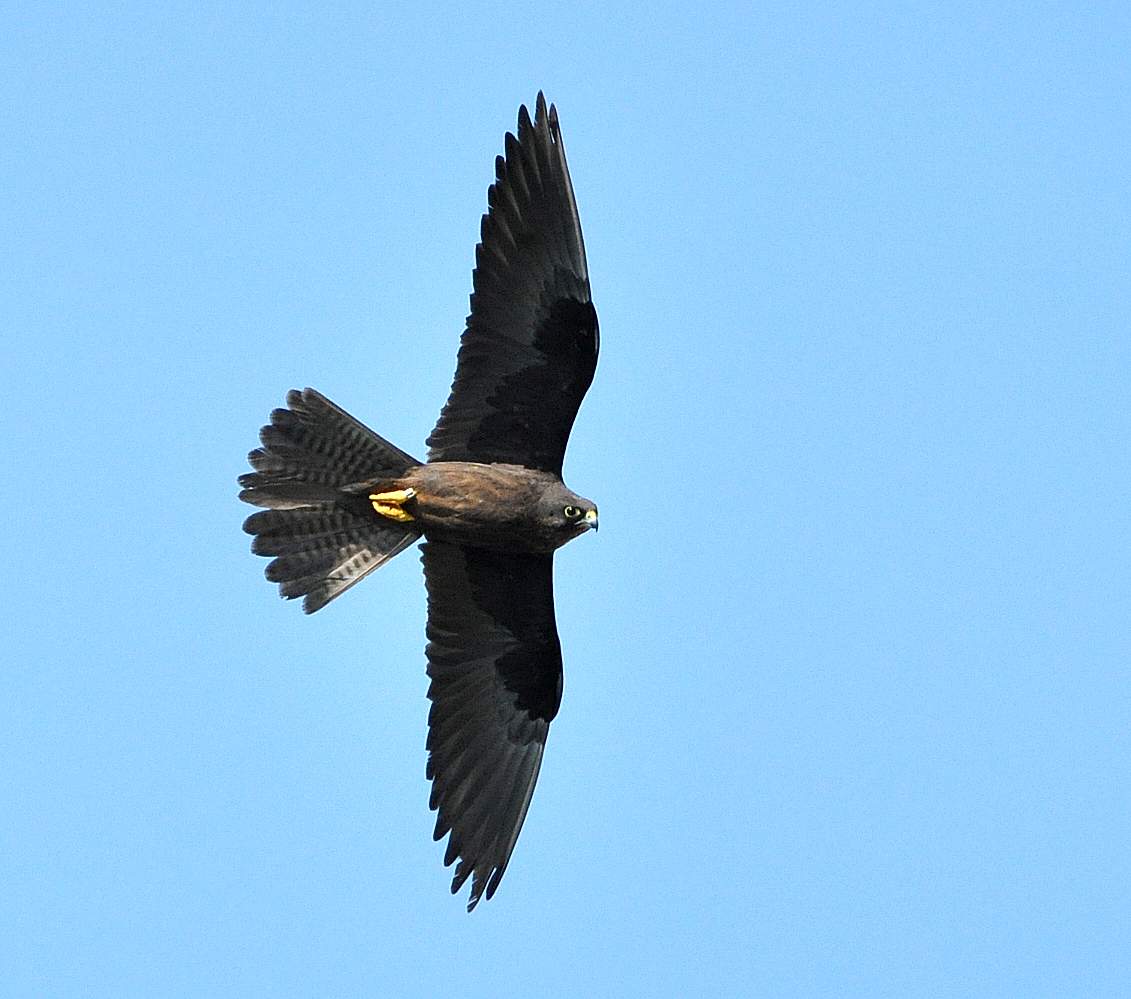
Eleonora’s falcon occurs in two phases; this is the rarer, dark phase; a photo of the light phase can be found at the very beginning of the article. Both photos by Winfried Scharlau
Seabirds occur in much smaller numbers of species and individuals in the nutrient-poor Mediterranean Sea than, for example, in the North Sea. However, the species that do occur are of interest to central European ornithologists: the very common Yellow-legged gull (the Mediterranean form of the herring gull), the rare Audouin’s gull, which is confined to the Mediterranean region, Scopoli’s and Yelkouan shearwaters. Other breeding species include the Shag, the Black-winged stilt, the Kentish plover, the Little ringed plover and the Stone curlew (the last species may not breed any more).
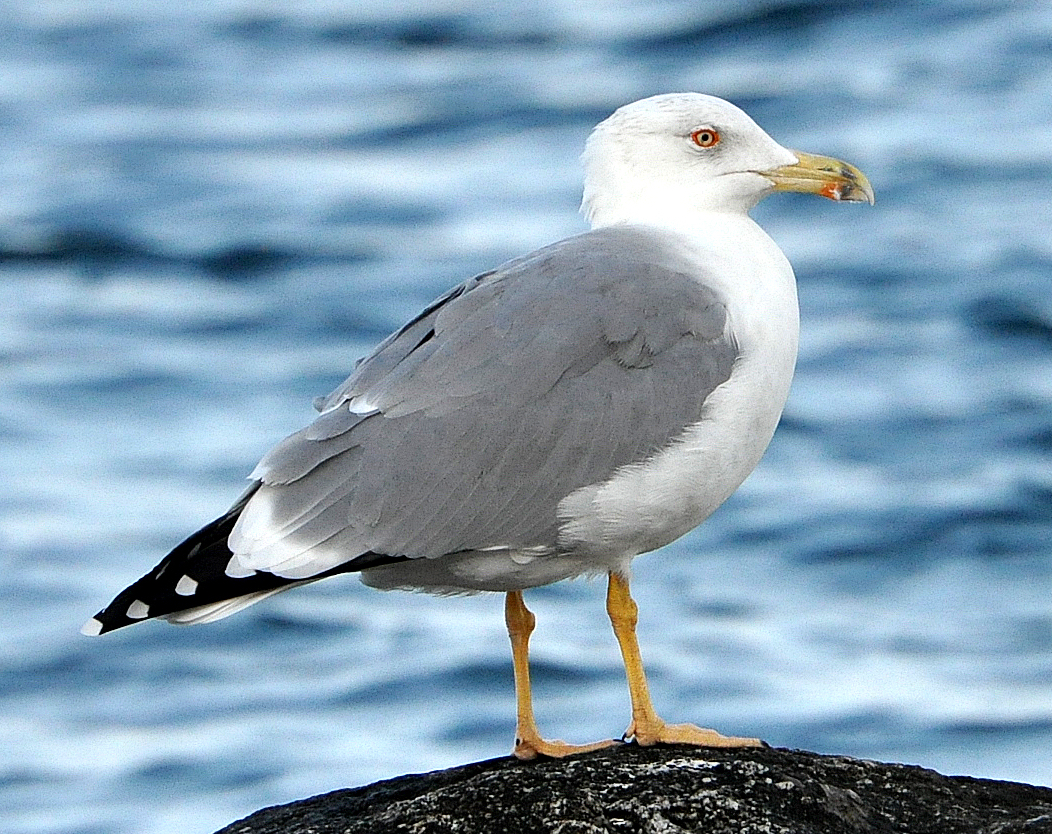
The common Yellow-legged gull (Larus michahellis) has only recently been separated from the herring gull. Photo by Winfried Scharlau
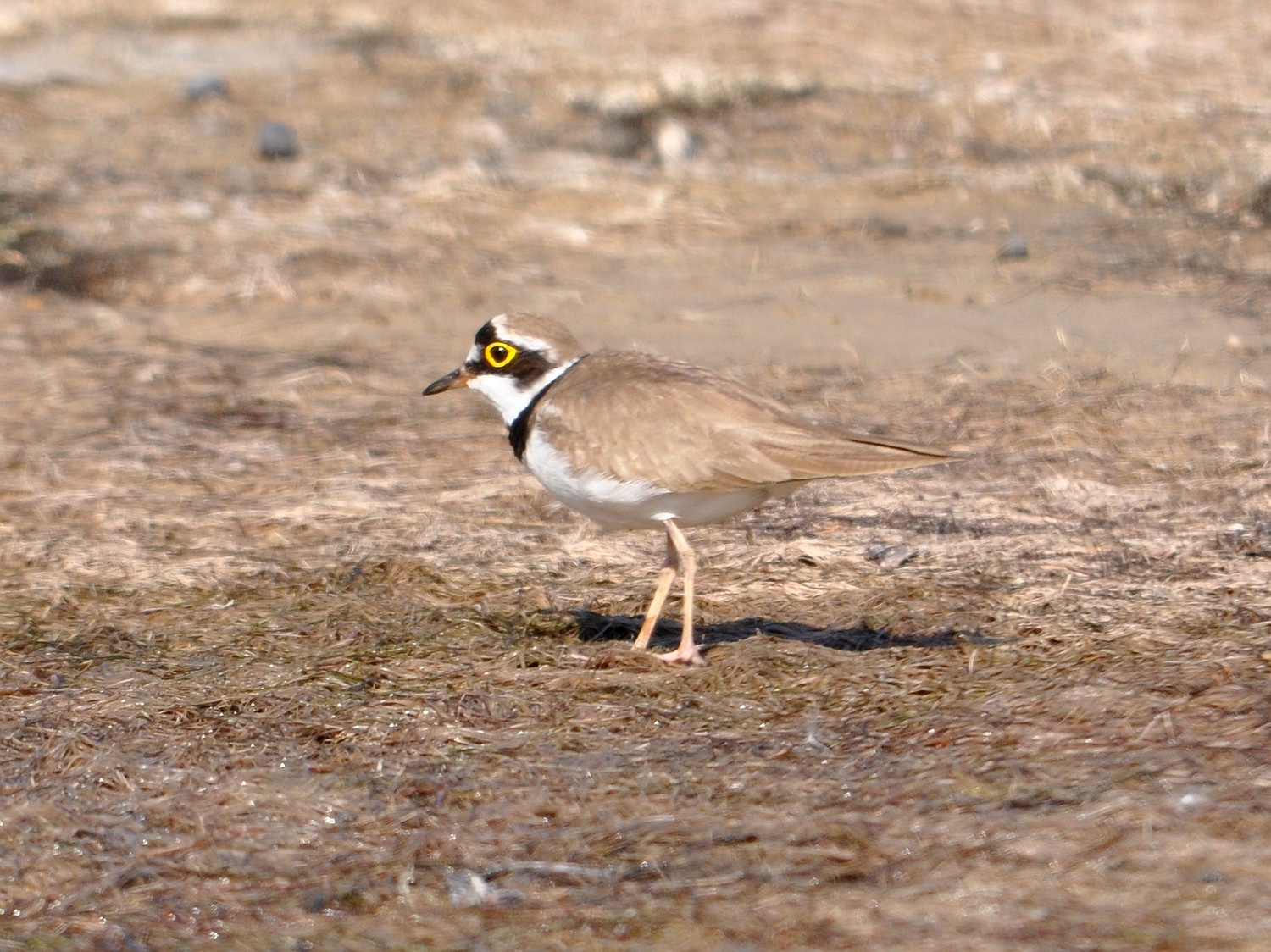
The Little ringed plover breeds near lagoons and at sandy beaches. Photo by Winfried Scharlau
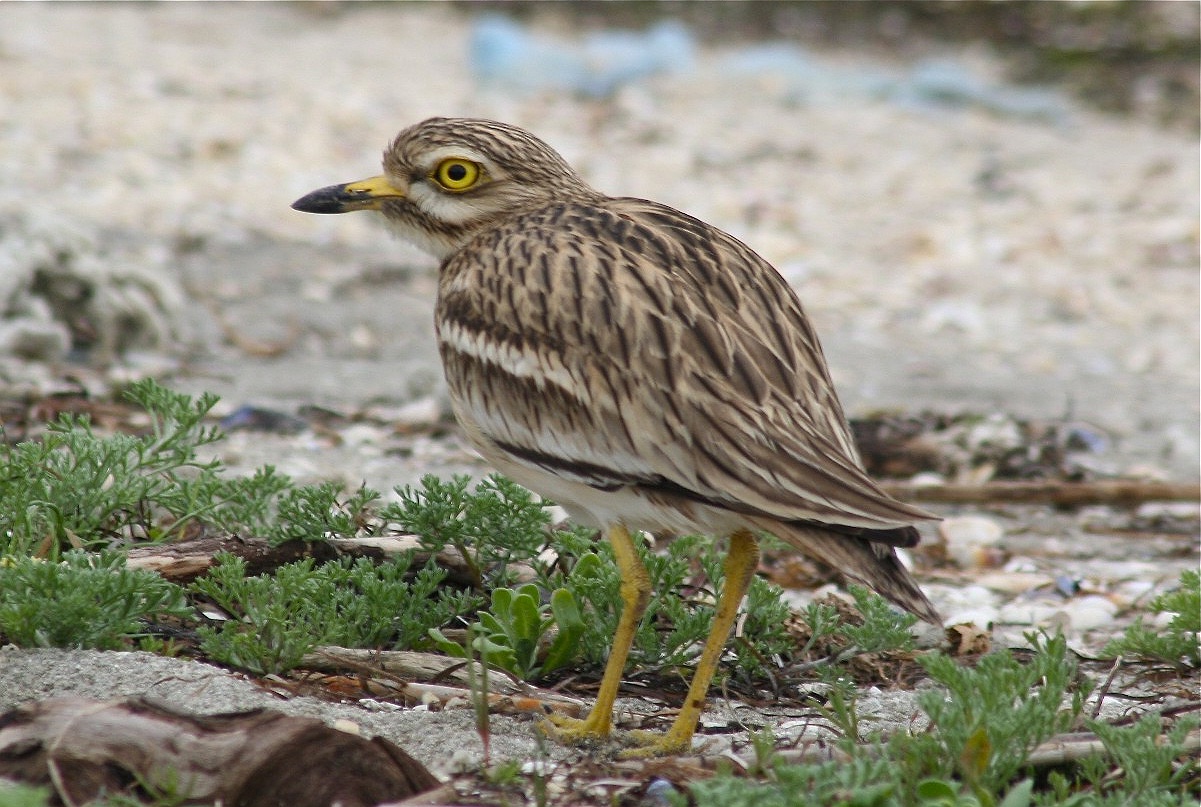
The Stone curlew breeds (or used to breed) in a few pairs at the lagoon near the airport, photo by G. Beriatos
Among the songbirds breeding on Naxos, visitors from central Europe will naturally find the Mediterranean or eastern European species most interesting. These include, for example, these species: Sardinian warbler, Eastern subalpine warbler, Eastern orphean warbler, Pallid warbler, Cetti’s warbler, Cirl bunting, Black-headed bunting, Cretzschmar’s Bunting, Eastern black-eared wheatear, Blue rock thrush, Woodchat shrike, Eastern red-rumped swallow and Alpine swift.
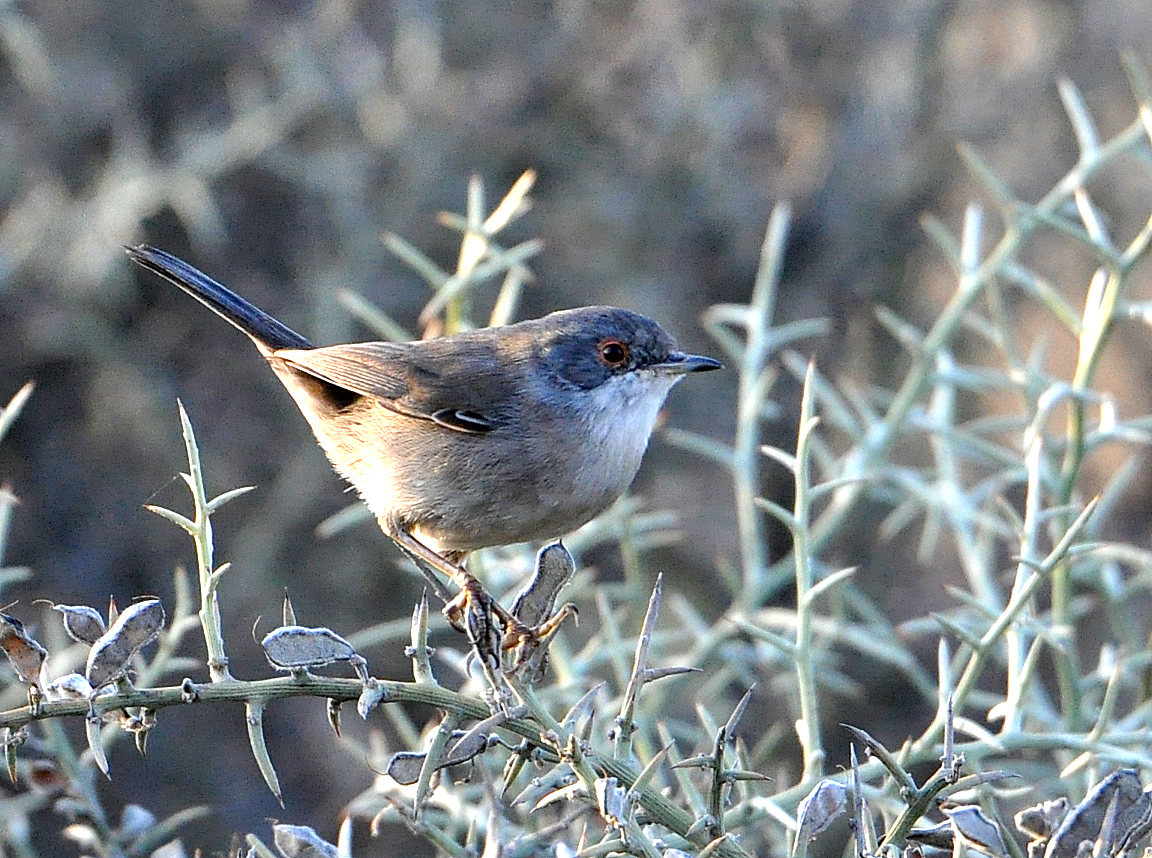
The Sardinian warbler is the most common bird on Naxos. Photo by Winfried Scharlau
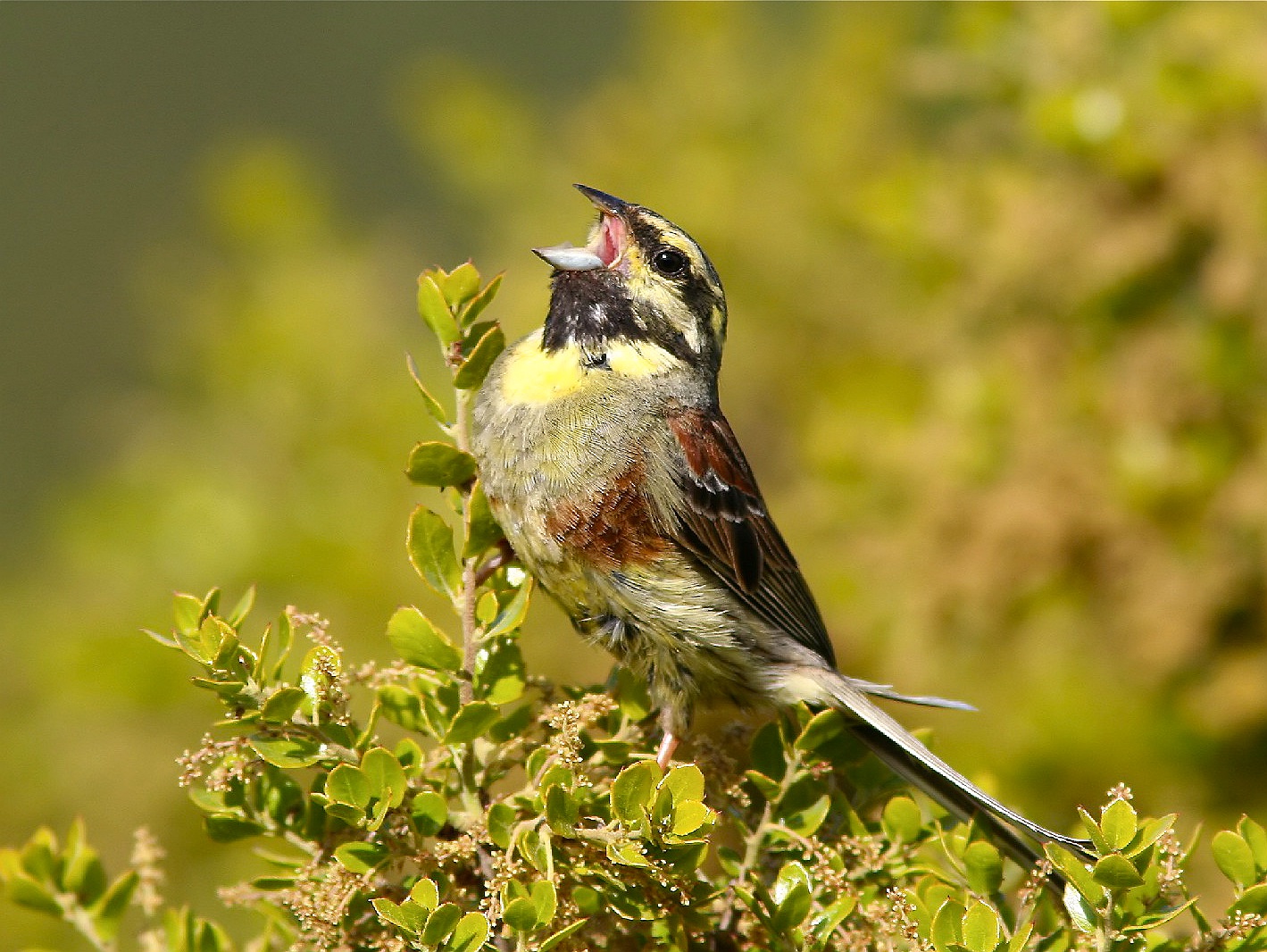
The Cirl bunting lives in gardens and in cultivated areas. Photo by Th. Gaitanakis
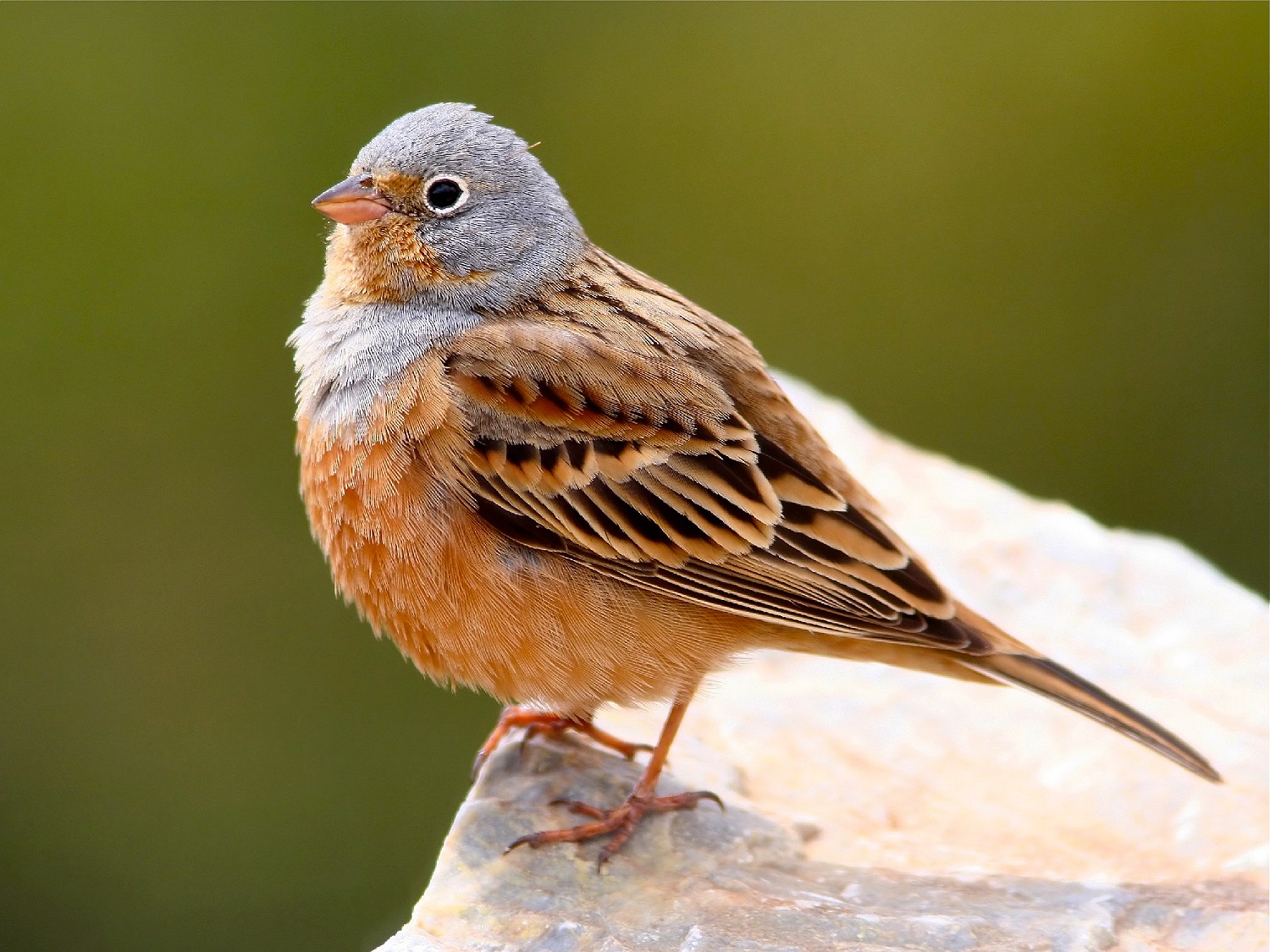
Cretzschmar’s Bunting is a typical bird of the garrigue. Photo by Th. Gaitanakis
In addition, some species can be observed on Naxos that also occur in central Europe, but are rather rare there, such as: Crested Lark, Woodlark, Northern wheatear, Corn Bunting, European stonechat, Common raven and European nightjar.
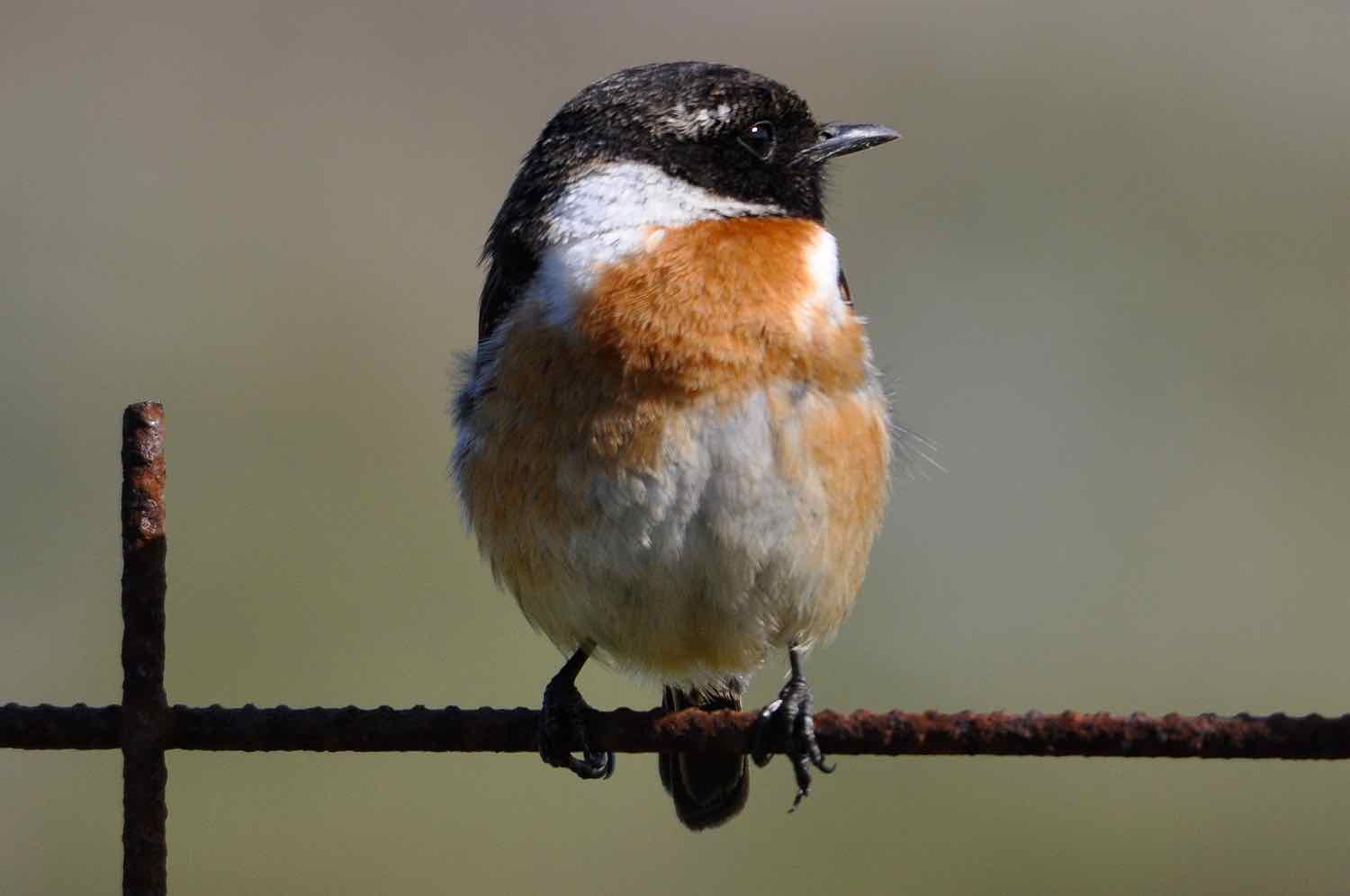
The Stonechat is quite common on Naxos. Photo by Winfried Scharlau
Finally, a number of species breed on Naxos, that are very familiar to central Europeans, but are absent from most of the Aegean islands (except, for example, for Crete and Lesbos), and their occurrence on Naxos is rather remarkable. These are typical northern forest birds such as: Common blackbird, Eurasian chaffinch, Eurasian wren, Eurasian blackcap and Common nightingale. Furthermore the Spotted flycatcher occurs rarely on the island, as well as the Eurasian tree sparrow (only in one location), and lastly the Marsh warbler and Great reed warbler.
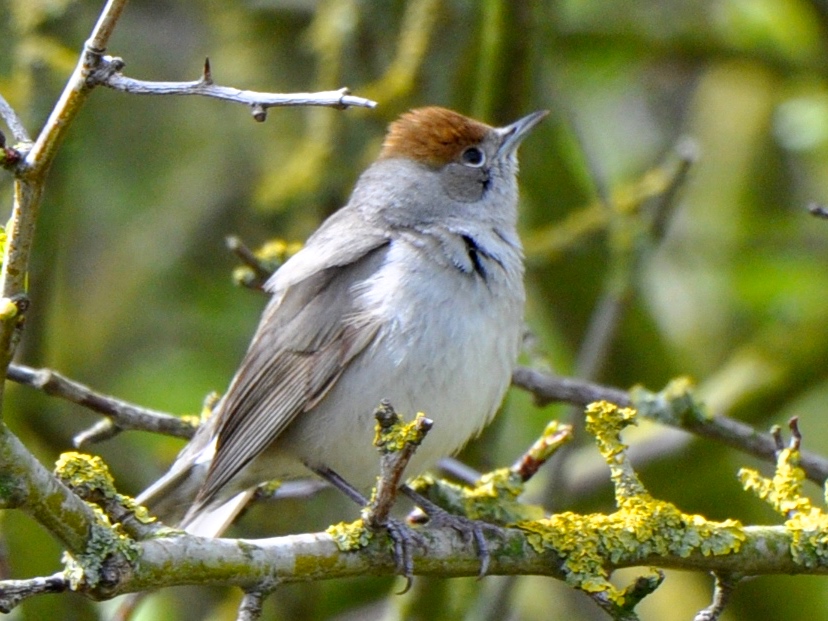
The Eurasian blackcap (here a female) started to breed on Naxos only in about 2020. By now it is quite frequent in the mountains. Photo by Winfried Scharlau
List of the breeding birds of Naxos
(R: resident bird; M: migratory bird):
- Little Grebe (Tachybaptus ruficollis) (R):
very rare, a few breeding pairs at the airport lagoon and near Engares - Yelkouan shearwater (Puffinus yelkouan) (M):
regular, breeds on uninhabited rocky islets, can often be seen flying over the sea
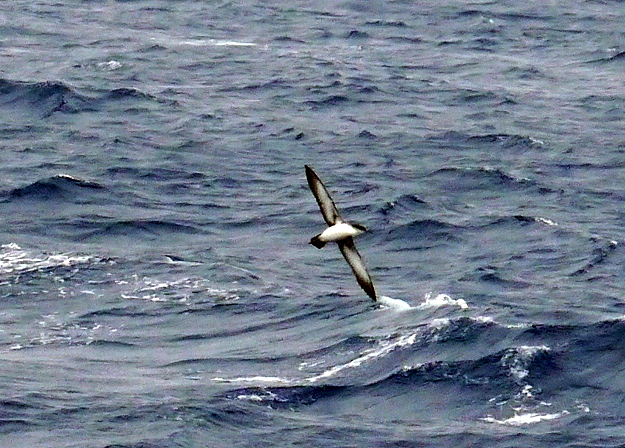
Yelkouan shearwaters can often be seen in large numbers as they fly low over the waves searching for fish and squid. Photo by Winfried Scharlau
- Scopoli’s shearwater (Calonectris diomedea) (M):
regular, breeds on uninhabited rocky islets, can be seen flying over the sea - European storm petrel (Hydrobates pelagicus) (M):
very rare, found recently to breed on uninhabited rocky islets next to Naxos. Nocturnal and very inconspicuous species; it can hardly be seen except at night at the breeding places with the help of a thermal camera. - European shag (Gulosus aristotelis = Phalacrocorax aristotelis) (R):
regularly at the coast, especially on cliffs
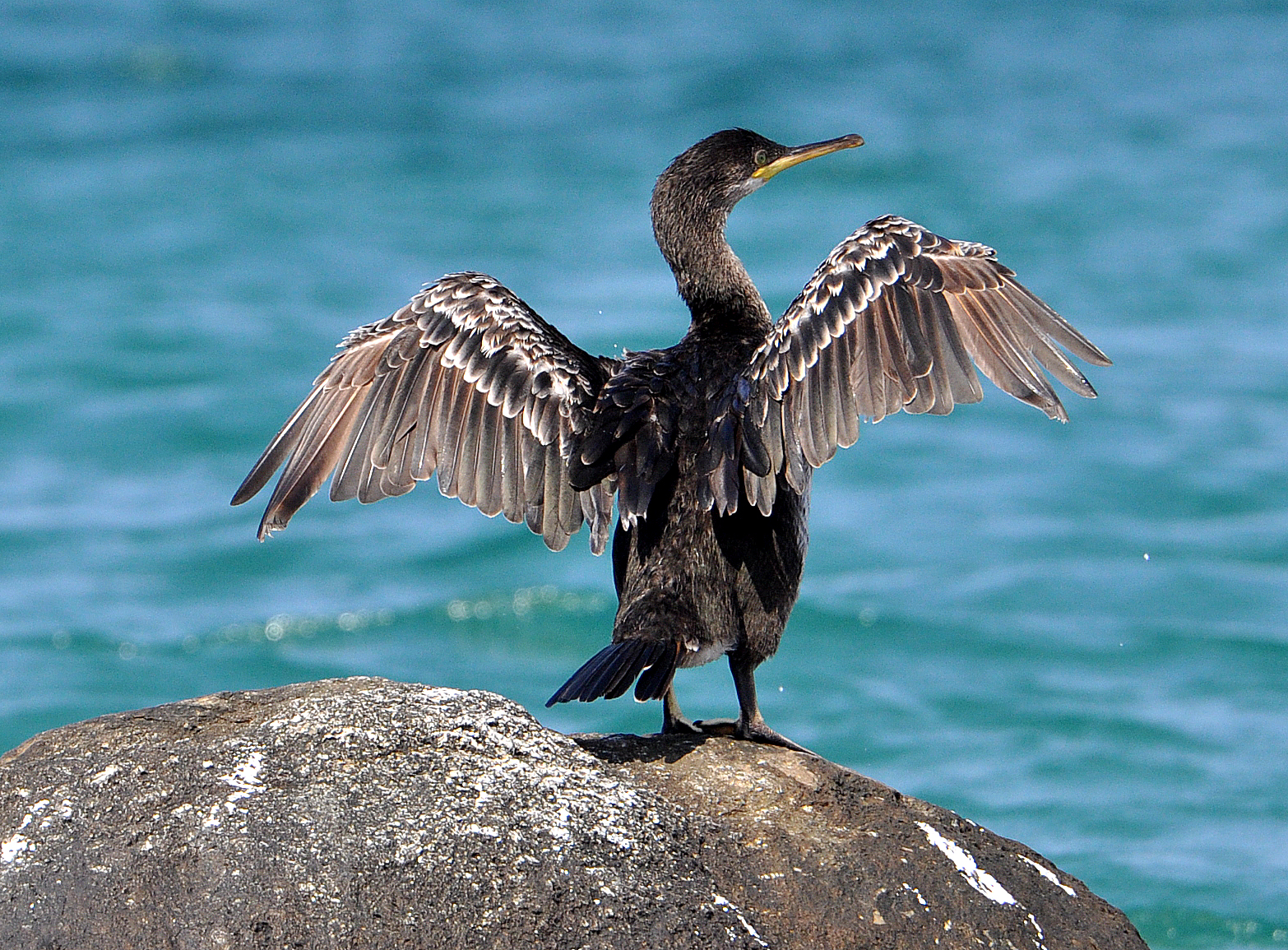
A European shag sits on a rock by the sea and dries its wings. Photo by Winfried Scharlau
- Griffon vulture (Gyps fulvus) (R):
A small breeding population of the Griffon vulture exists on Naxos – quite remarkably: the only other Greek islands where the species breeds is Crete. There used to be a large population on Naxos, but in the second half of the 20th century, it almost collapsed due to poisoning. After that, for many years the vultures nested only on the small neighbouring island of Heraklia, from where they flew to Naxos every day in their search for food (!). Fortunately, the population has since recovered and quite a few pairs of griffon vultures are breeding again on Naxos. According to recent counts (2019), the population has risen to over 50 birds – an astonishing recovery.
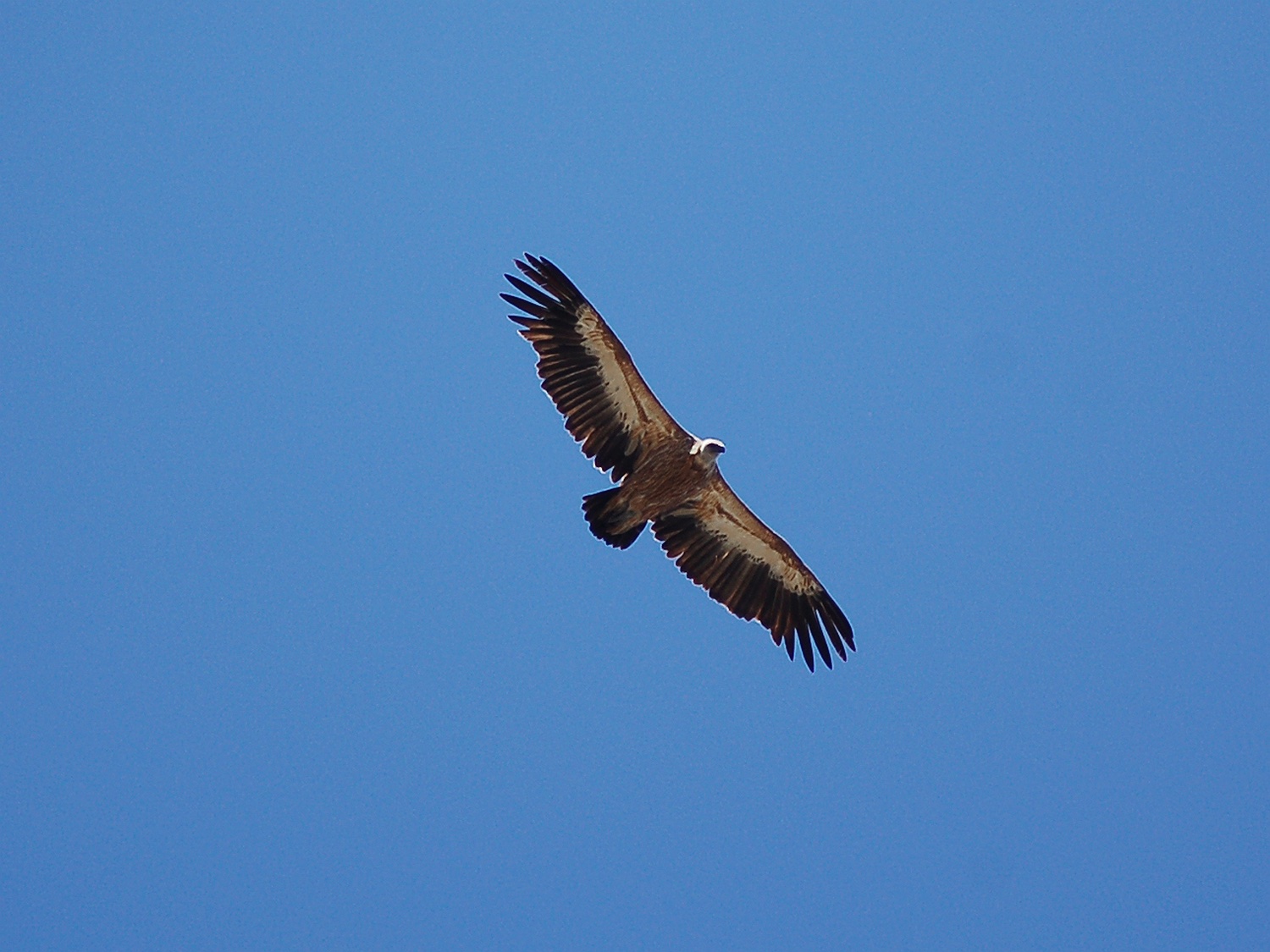
Griffon vulture, photo by Winfried Scharlau
- Bonelli’s eagle (Aquila fasciata = Hieraaetus fasciatus) (R):
very rare, at most 3 pairs, may not breed on Naxos anymore; several pairs breed on neighbouring islets and fly over to Naxos to hunt. - Common buzzard (Buteo buteo) (R):
breeds regularly in all parts of the island - Long-legged buzzard (Buteo rufinus) (R):
very rare (only a few pairs). In the past, only the Long-legged buzzard bred on Naxos, while the Common buzzard was absent. Now the latter has nearly displaced the former.
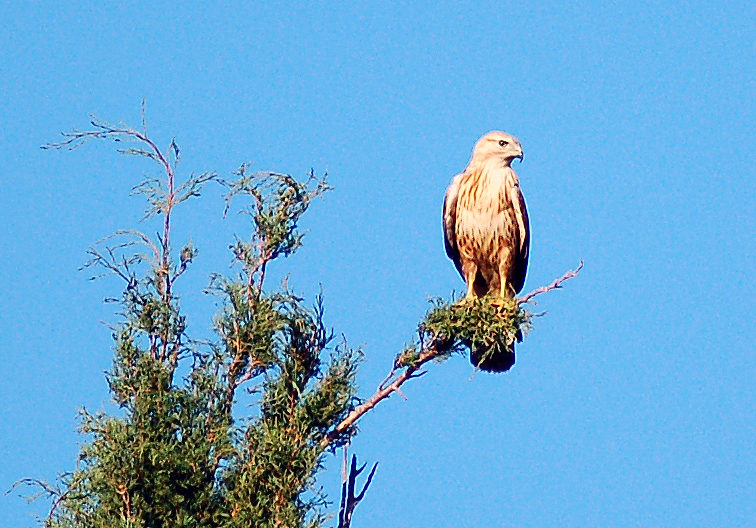
Long-legged Buzzard, photo by Winfried Scharlau
- Eleonora’s falcon (Falco eleonorae) (M): frequently observed from May to mid-October, especially while hunting in small groups over the large valleys in the mountains or at the coast. Eleonora’s falcon does not breed on Naxos itself, but large breeding colonies exist on islets in the vicinity.
- Common kestrel (Falco tunninculus) (R):
frequent in all parts of the island - Peregrine falcon (Falco peregrinus) (R):
very rare, occasionally seen for example around the airport lagoon, breeds sporadically (2-4 pairs). - Lanner falcon (Falco biarmicus) (R):
very rare, one to two pairs (probably does not breed in every year). - Eurasian sparrowhawk (Accipiter nisus) (R):
In 1997 one pair was breeding in the holm oaks in the southwestern slope of Mount Zas. Probably does not breed any more.
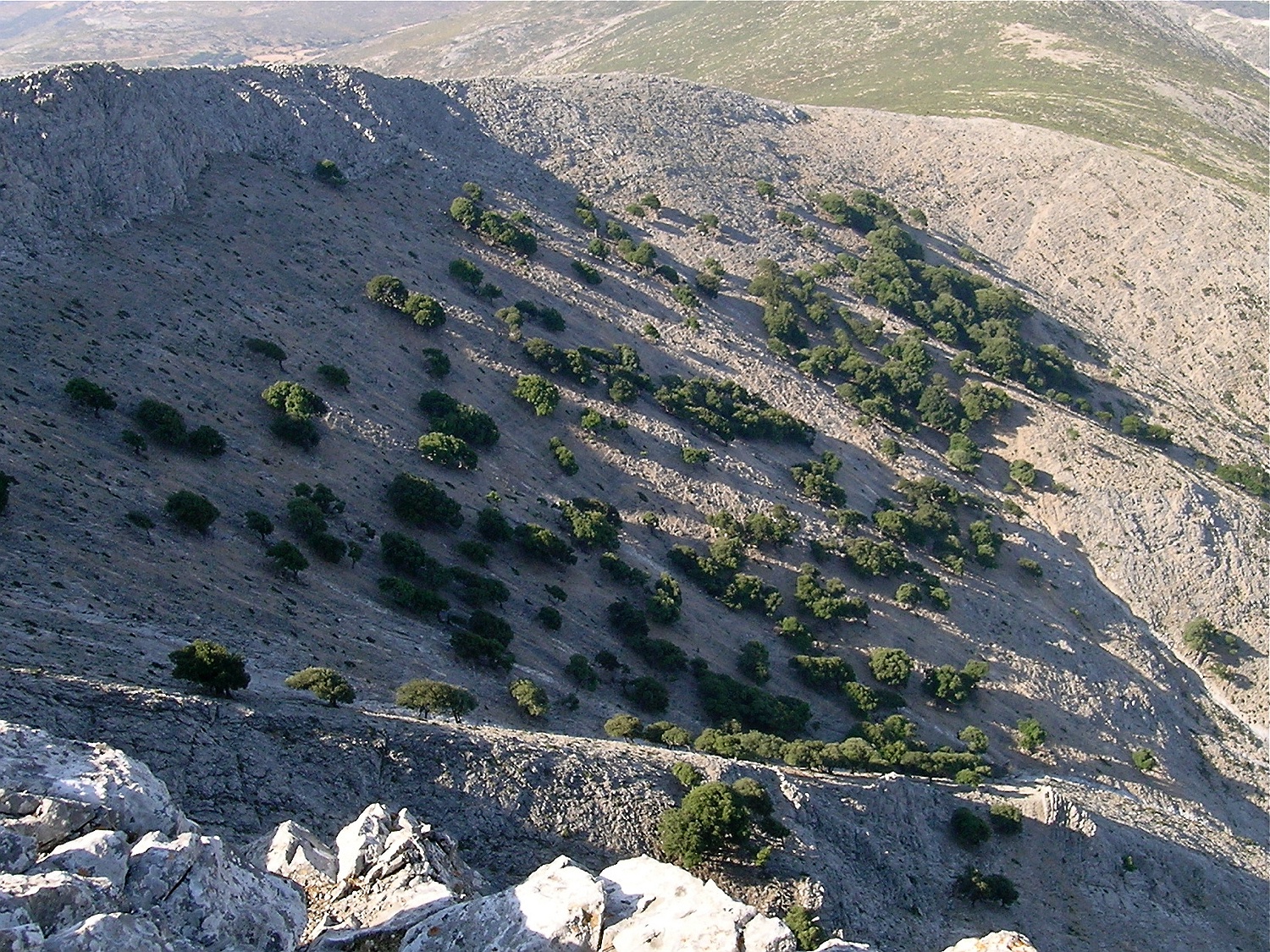
Mount Zas: The Sparrowhawk used to breed in these holm oaks.
- Ferruginous duck (Aythya nyroca) (R):
very rare; breeds sometimes at the airport lagoon, might not breed any more - Ruddy shelduck (Tadorna ferruginea) (R):
very rare, breeds sometimes in a few pairs at the airport lagoon

The Ruddy shelduck breeds sometimes at the lagoon near the airport. Photo by Winfried Scharlau
- Chukar partridge (Alectoris chukar) (R):
regular but not frequent, especially in phrygana and scrubland; Chukars are released into the wild by the hunting association. - Common moorhen (Gallinula chloropus) (R):
very rare, at the lagoon at the airport and at other lagoons - Eurasian coot (Fulica atra) (R):
very rare, in a few pairs at the lagoons at the airport and at Engarés - Water rail (Rallus aquaticus) (R):
very rare, at the lagoons at the airport and at Engarés, might not breed any more - Black-winged stilt (Himantopus himantopus) (M):
very rare, in a few pairs at all lagoons when they have enough water
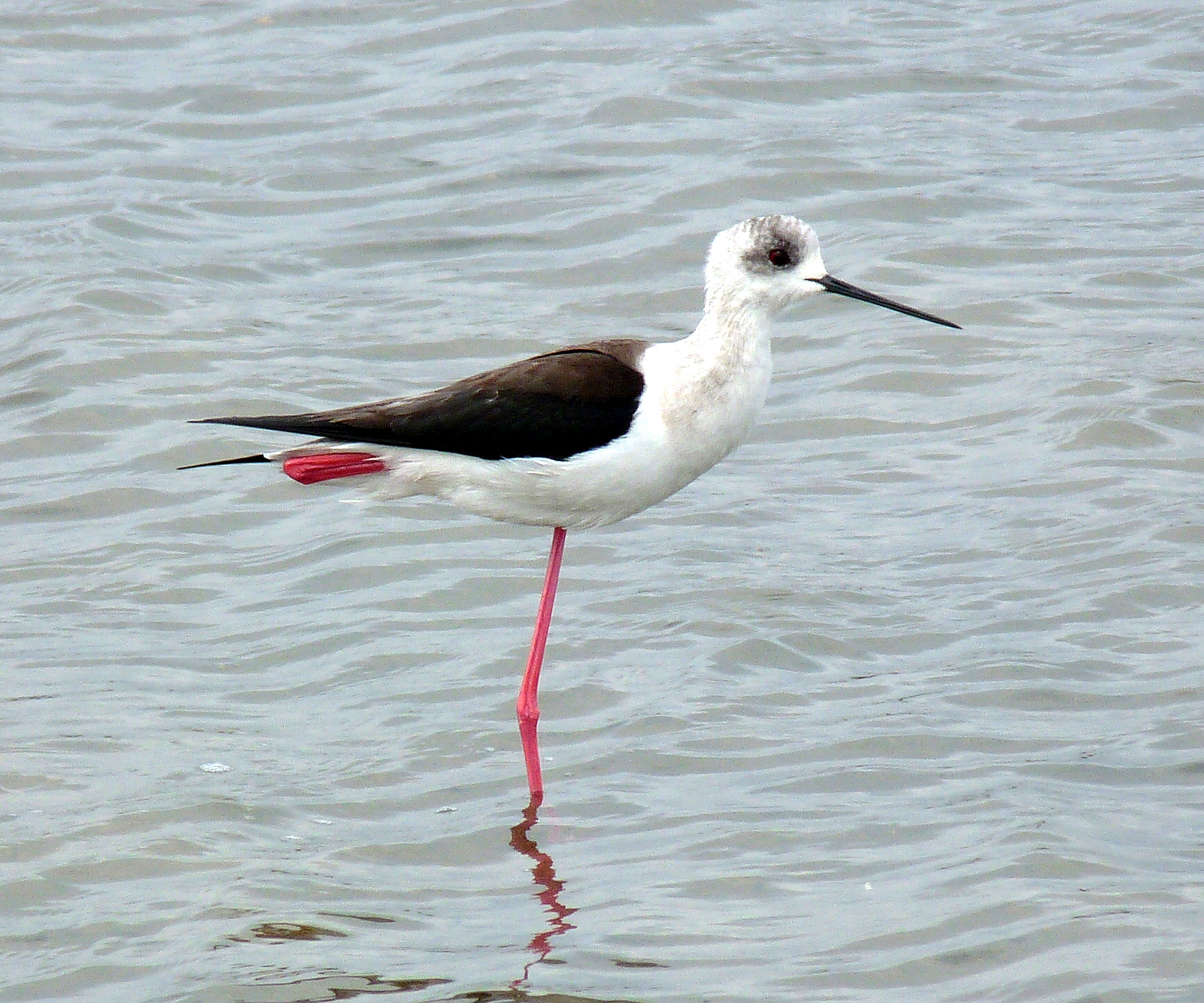
Black-winged stilt, photo by Winfried Scharlau
- Stone Curlew (Burhinus oedicnemus) (M):
very rare, at the airport lagoon, in a few pairs, might not breed any more - Kentish Plover (Charadrius alexandrinus) (M):
very rare, at the lagoons, if they have enough water - Little Ringed Plover (Charadrius dubius) (M):
rare, at lagoons and sandy beaches
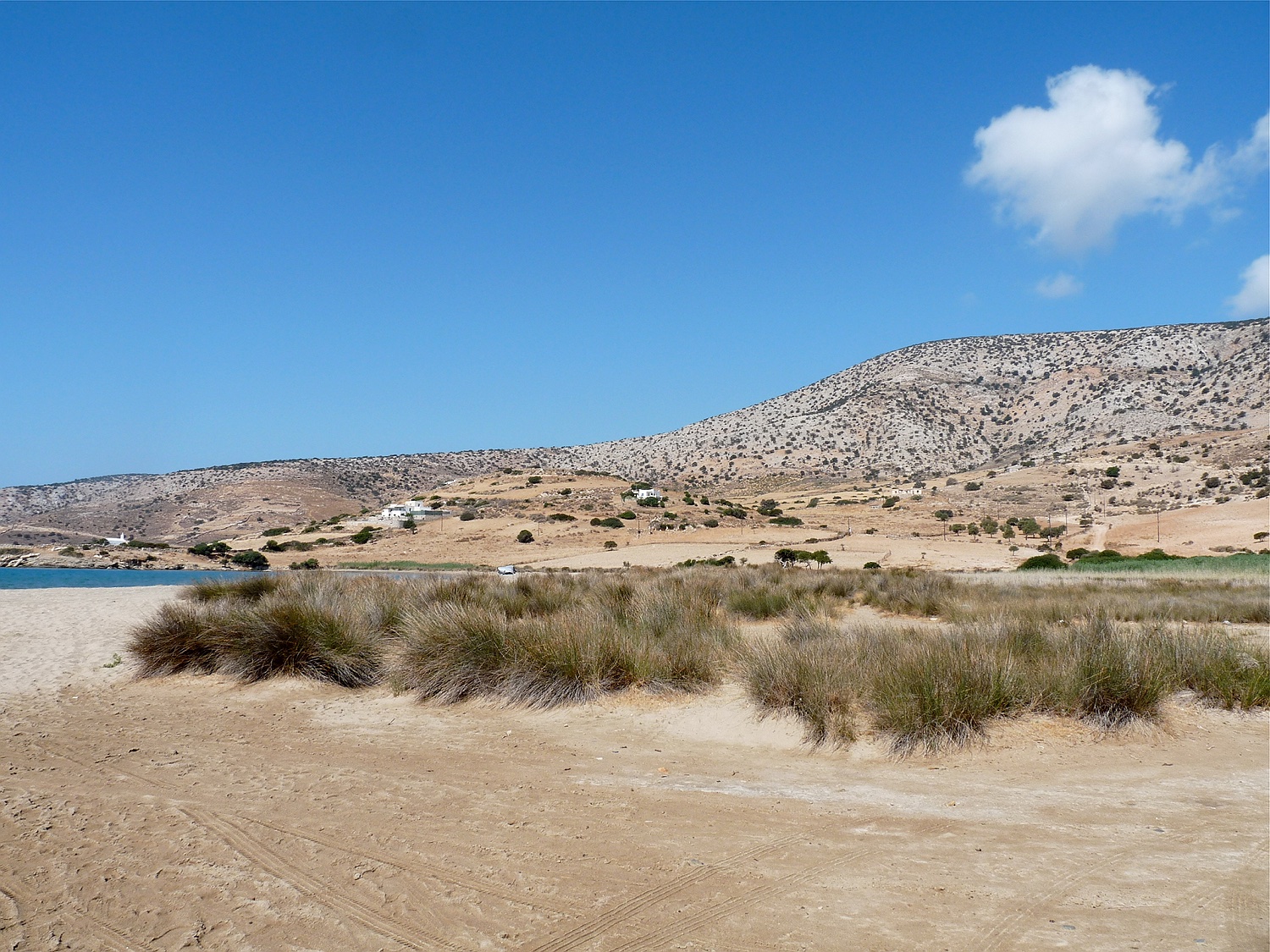
Kalandós Beach: breeding habitat of the Little ringed plover
- Yellow-legged gull (Larus michahellis) (R):
common. This species, which was only recently separated from the herring gull, is mainly restricted to the Mediterranean region. On Naxos, it is common on the coast, but also inland. Breeds on islets in the vicinity. - Audouin’s Gull (Ichthyaetus audouinii = Larus audouinii) (R):
very rare, occasionally seen at the coast; breeds in small colonies on remote rocky islets
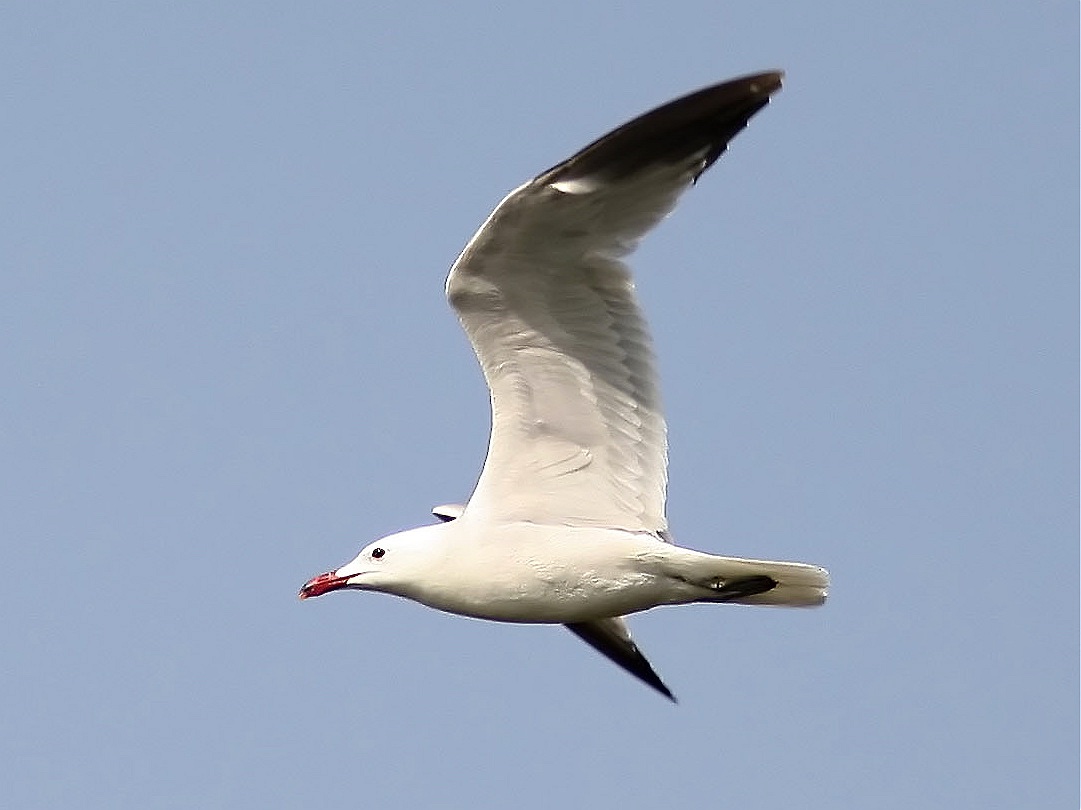
Audouin’s Gull, photo by Th. Gaitanakis
- Rock dove (Columba livia) (R):
breeds regularly but in small numbers in coastal cliffs - Common wood pidgeon (Columba palumbus) (R):
While the wood pigeon was previously only known as a rare migrant and winter visitor to Naxos, a small breeding population appears to exist (in the vicinity of Apíranthos and possibly in the Tragaía). The species appears to be very inconspicuous on Naxos. During the breeding season (May, June), specimens were seen, and twice a singing bird was heard. - Eurasian collared dove (Streptopelia decaocto) (R):
In our first survey of the breeding birds of Naxos in 1990, the Collared dove was completely absent from the island. Since about 2000, it has gradually colonised larger parts of the island. It is mainly found in villages and settlements and around shepherd’s houses. - European turtle dove (Streptopelia turtur) (M):
rare, in maquis and groves - Little owl (Athene noctua) (R):
occurs regularly, mainly in cultivated areas
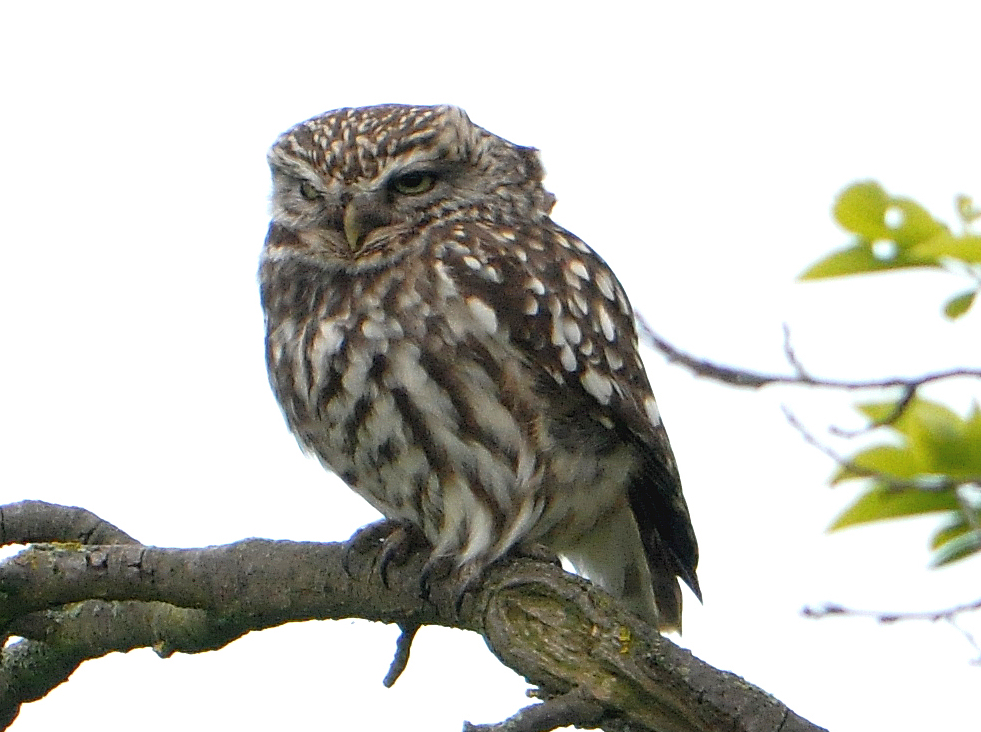
Little Owl, photo by Winfried Scharlau
- Eurasian scops owl (Otus scops) (R):
occurs regularly, especially around villages and in old olive groves - Western barn owl (Tyto alba) (R):
about 10 pairs breeding in old buildings - European nightjar (Caprimulgus europaeus) (M):
rare, in open terrain, especially in the east and south
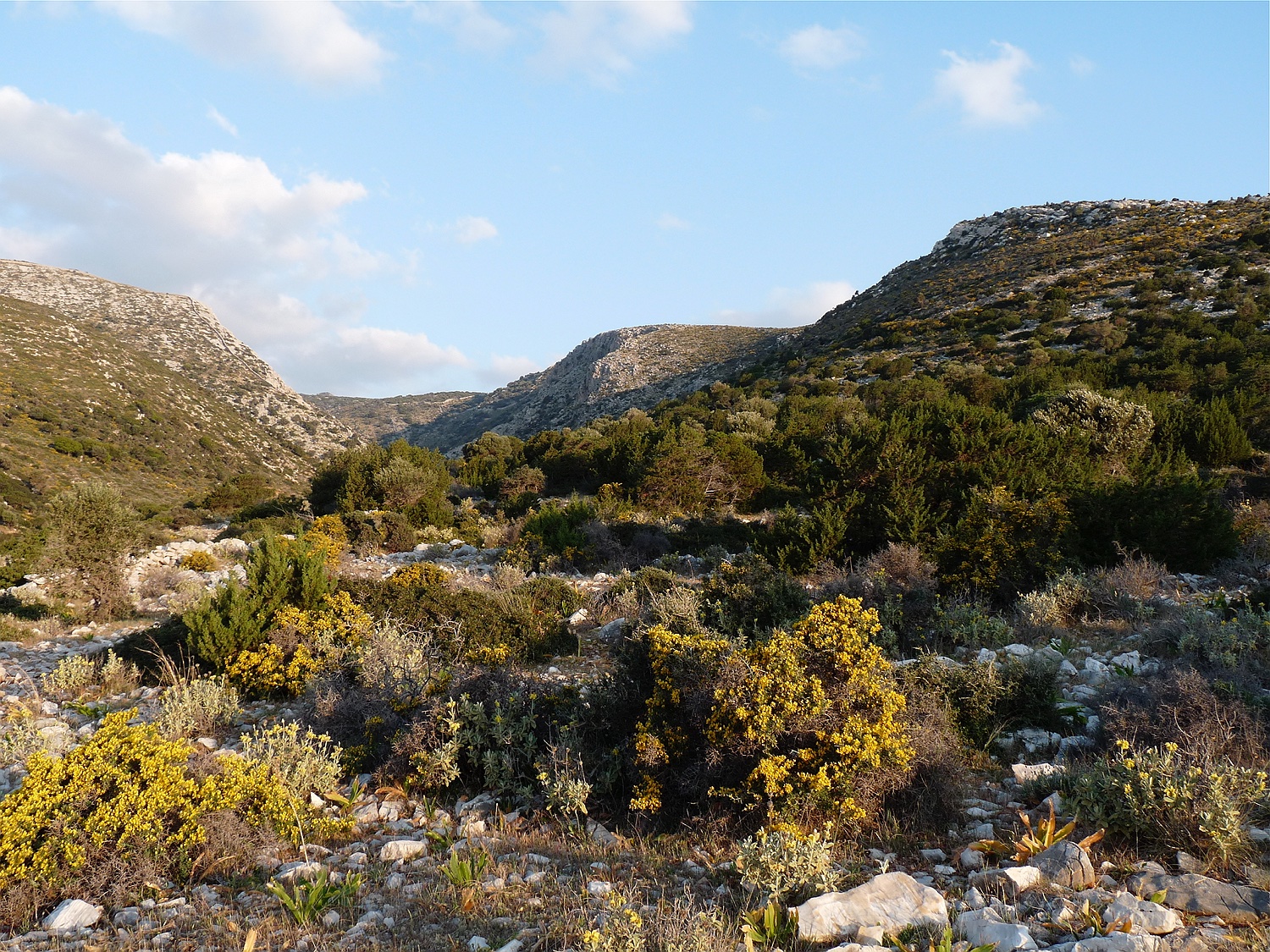
Breeding habitat of the nightjar
- Common swift (Apus apus) (M):
regularly found in cliffs at the coast and in the mountains - Pallid swift (Apus pallidus) (M):
only one breeding record to date, breeds probably only irregularly - Alpine swift (Tachymarptis melba = Apus melba) (M):
regularly found in cliffs at the coast and in the mountains (e.g. at Mount Zeus) - Eurasian hoopoe (Upupa epops) (M):
common and conspicuous during migration. For several years now, a few individuals have remained on the island and might be breeding (at Danakós and elsewhere). - European bee-eater (Merops apiaster) (M):
common and conspicuous during migration. In 2010, a pair stayed to breed on Naxos for the first time (near Agiassós). - Crested lark (Galerida christata) (R):
very common in fields and in open terrain - Woodlark (Lullula arborea) (R):
rare, only around the mountain peaks
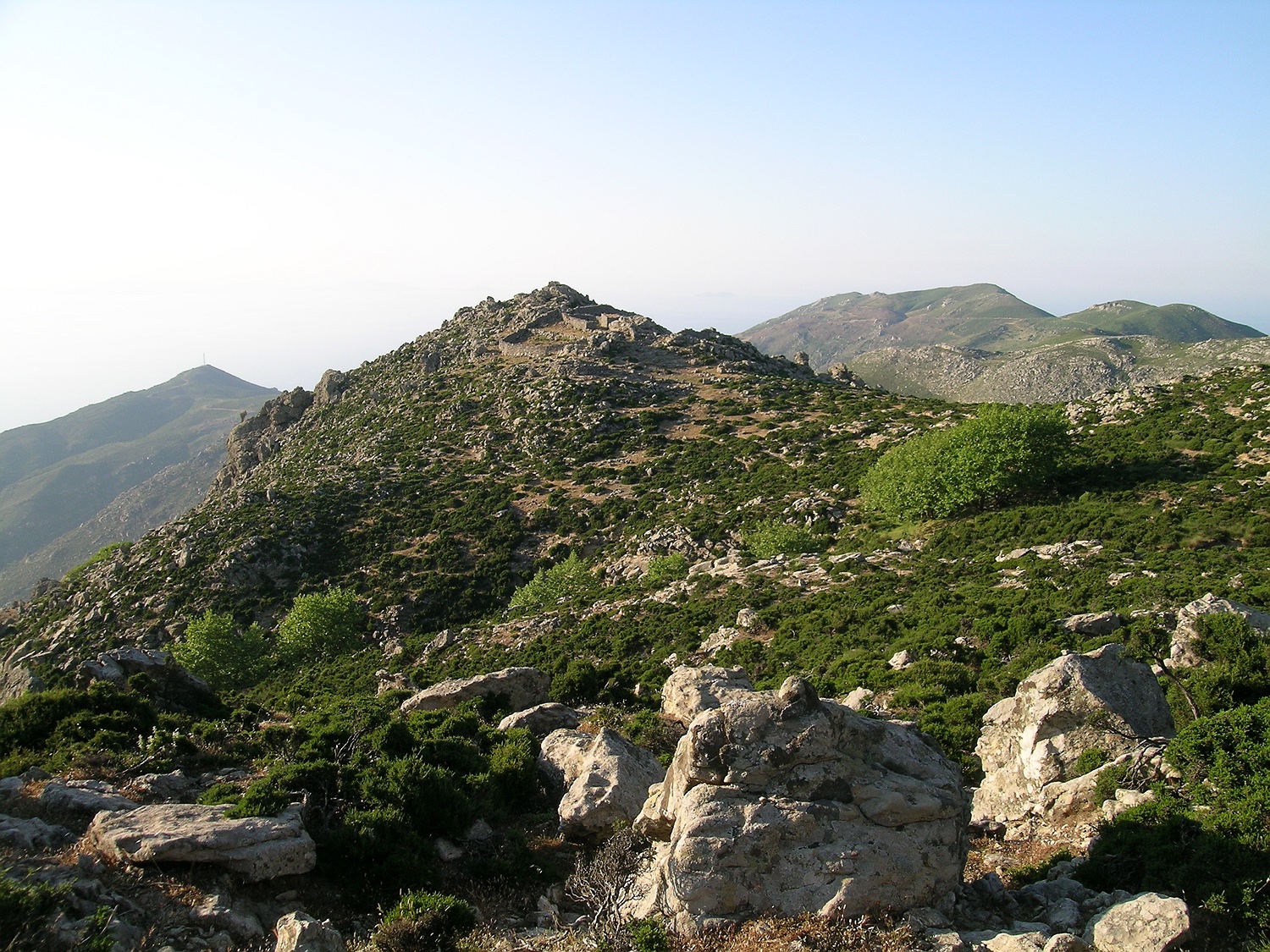
heather on Mount Kóronos: breeding habitat of the Woodlark
- White Wagtail (Motacilla alba) (R):
regular, especially on the coast and in the coastal plains - Barn Swallow (Hirundo rustica) (M):
rather rare; in the vicinity of villages - Eurasian crag martin (Ptyonoprogne rupestris) (M):
rare, occurs in small numbers at some cliffs in the mountains - Eastern red-rumped Swallow (Cecropsis daurica = Hirundo daurica) (M):
rather rare, mainly in the east and north of the island, exclusively under bridges. This species appears to be becoming more common.
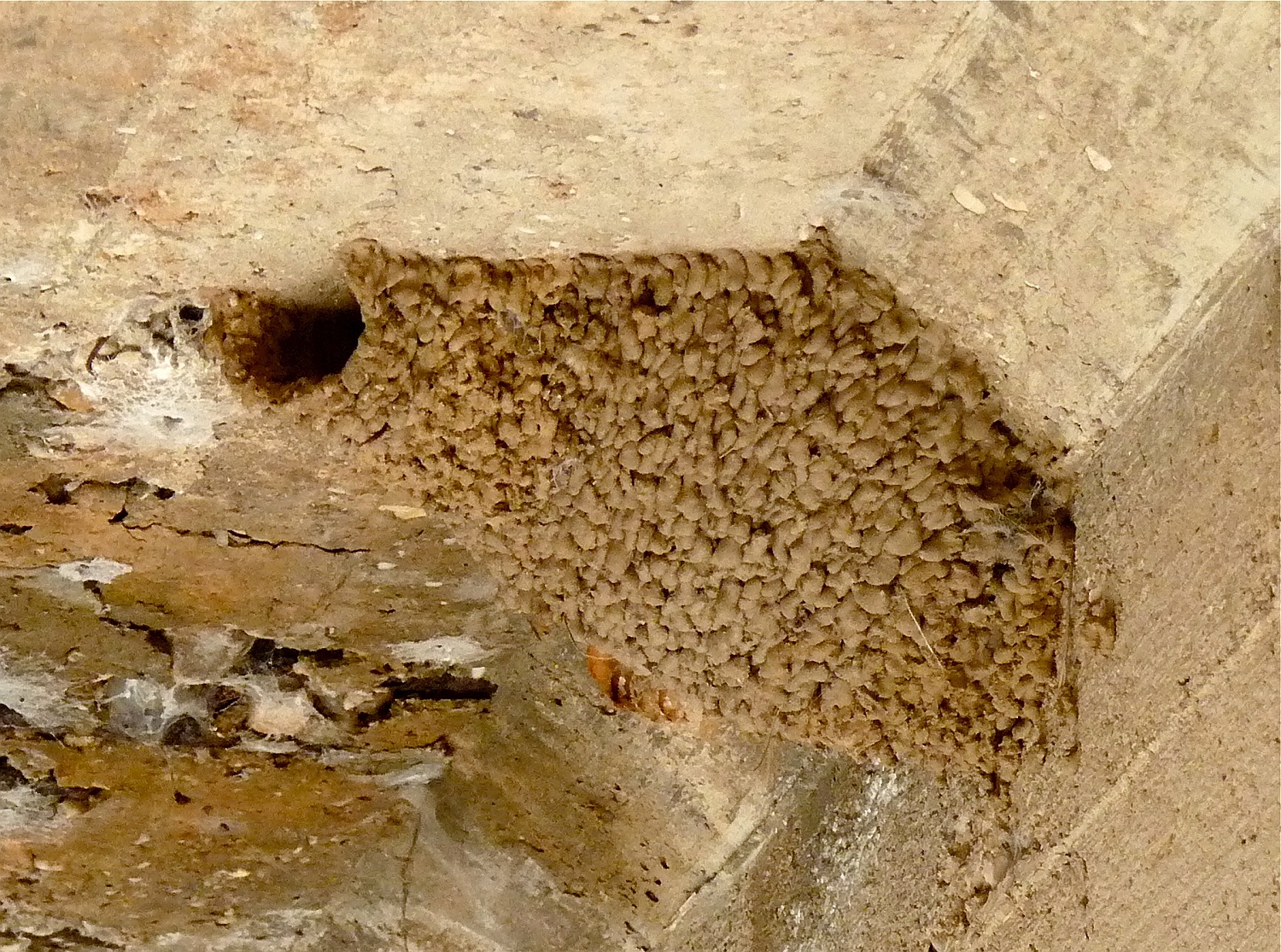
The Eastern red-rumped Swallow prefers to build its mud nests under bridges.
- Eurasian wren (Troglodytes troglodytes) (R):
regularly in the mountains and in lush valleys - Common blackbird (Turdus merula) (R):
regularly in forested regions in the mountains, but in rather small numbers - Common nightingale (Luscinia megarhynchos) (R):
rare, in forested regions; it should be checked if this species still breeds on Naxos - Cetti’s warbler (Cettia cetti) (R):
regularly in lush valleys and along river courses
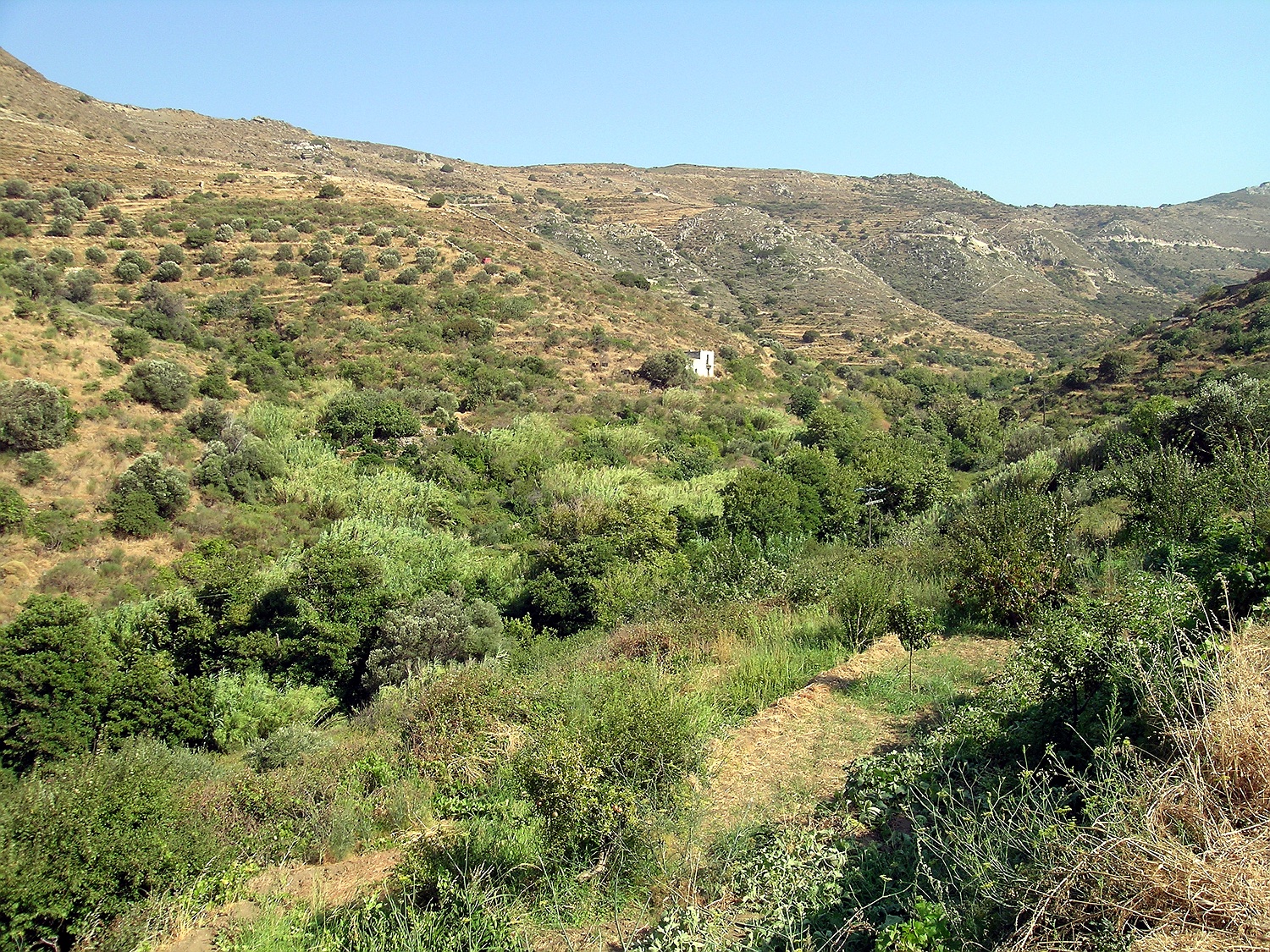
Cetti’s warblers, blackbirds, nightingales and chaffinches breed along the river above Apollonas
- Blue rock thrush (Monticola solitarius) (R):
regularly on slopes with little vegetation and in rocky areas, also around houses, from the coast to the mountain peaks - European stonechat (Saxicola rubicola) (R):
not uncommon in open terrain - Eastern black-eared wheatear (Oenanthe hispanica) (M):
rather common in phrygana and open cultivated land
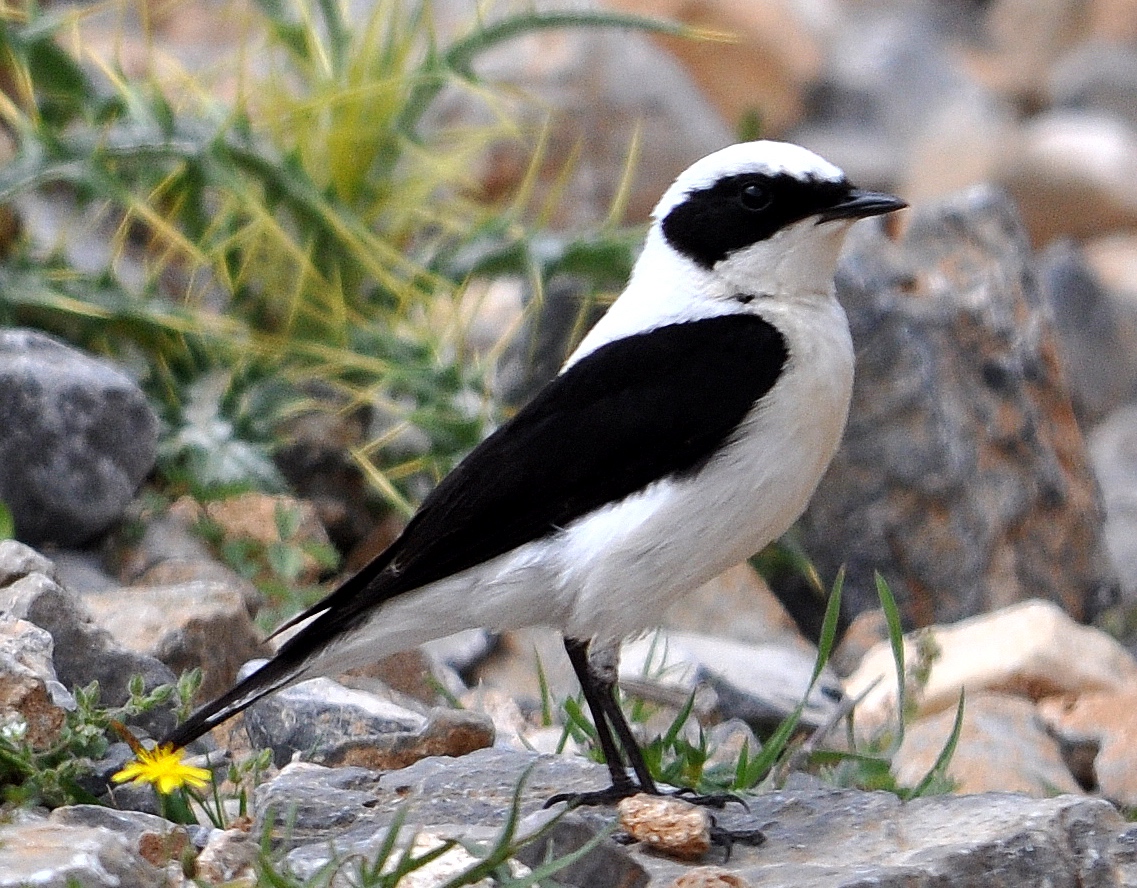
Eastern black-eared Wheatear, photo by Winfried Scharlau
- Northern wheatear (Oenanthe oenanthe):
very rare, only on the mountain peaks - Sardinian Warbler (Curruca melanocephala = Sylvia melanocephala) (R):
the most common bird on Naxos; found everywhere - Eastern subalpine Warbler (Curruca cantillans = Sylvia cantillans) (M):
regular, especially in areas with much vegetation including trees
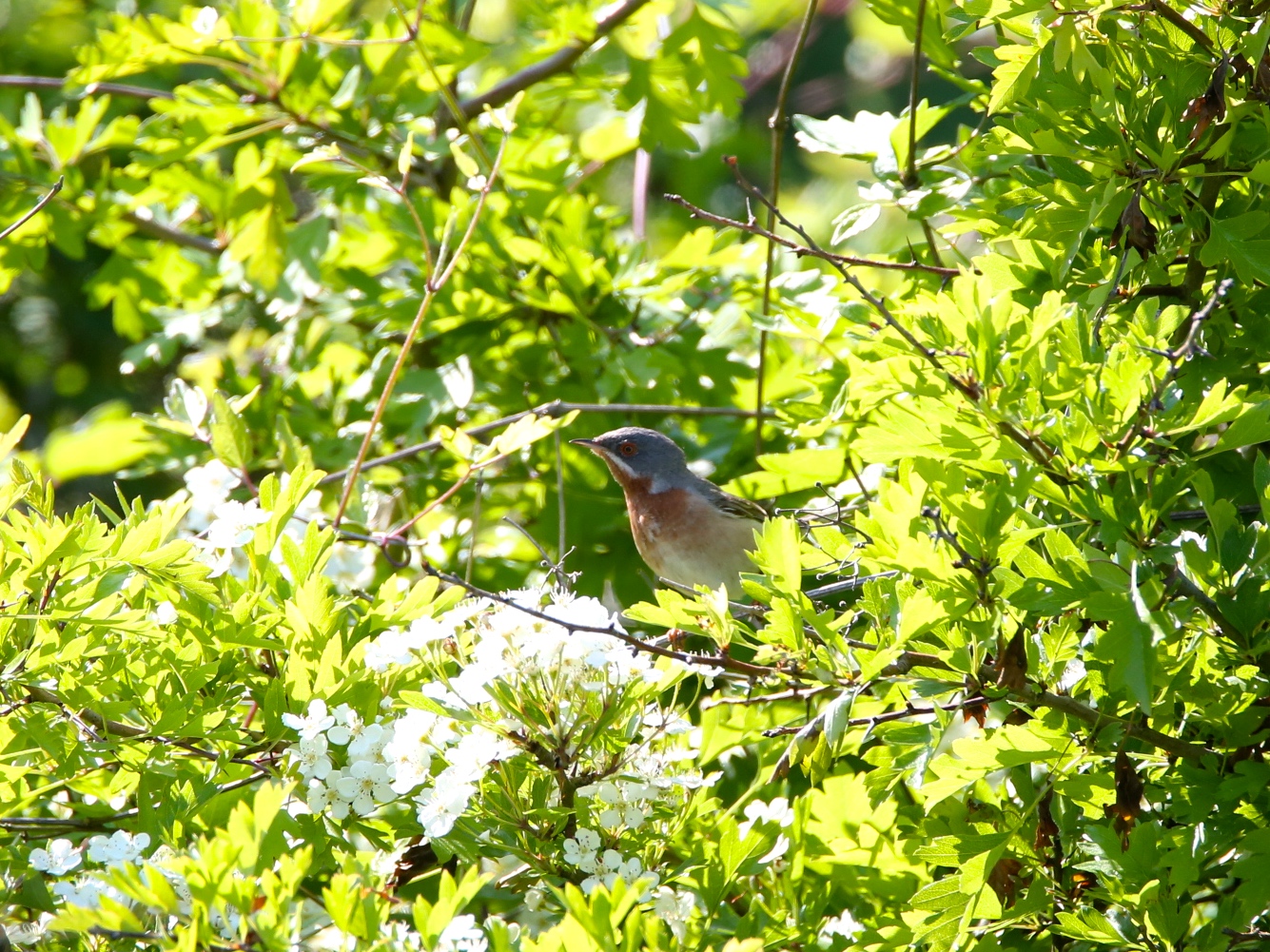
The Eastern subalpine Warbler breeds in areas with many trees and large bushes. Photo by Winfried Scharlau
- Eurasian blackcap (Sylvia atricapilla) (M):
not uncommon. This species only settled on the island around 2022; it occurs in the mountain area, in lush valleys, groves and in cultivated areas with many trees. - Eastern orphean warbler (Sylvia crassirostris) (M):
rare, in groves and woods - Pallid warbler (Iduna pallida = Hippolais pallida) (M):
regular, but in small numbers, in tree-rich cultivated landscape - Common reed warbler (Acrocephalus scirpaceus) (M):
very rare, in estuaries with reed beds - Great reed warbler (Acrocephalus arundinaceus) (M):
very rare, in estuaries with reed beds
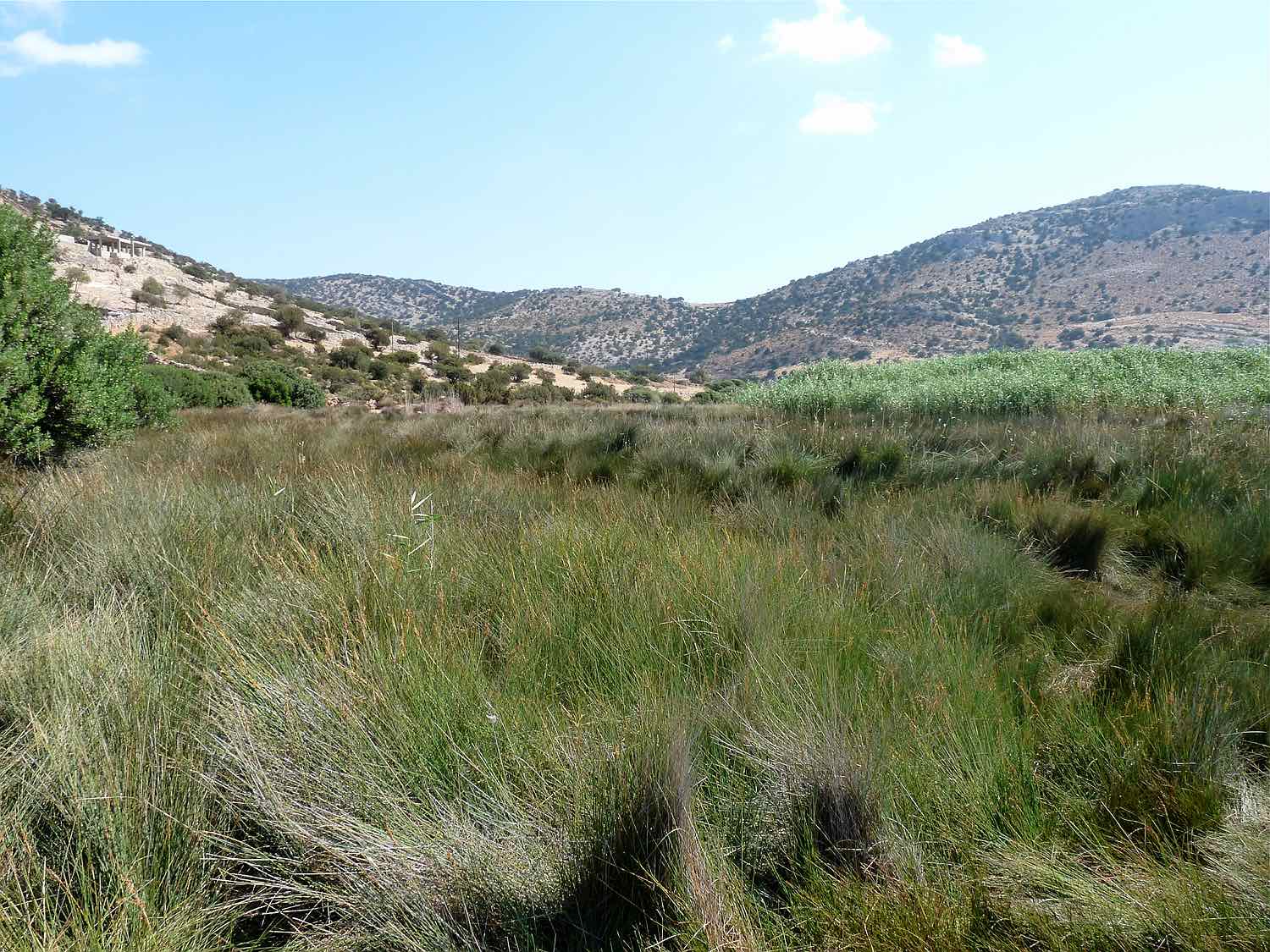
Kalandós: reed beds of this type are breeding habitat of the reed warblers.
- Spotted flycatcher (Muscicapa striata) (M):
very rare, in densely wooded valleys, mostly in the Tragaía - Woodchat shrike (Lanius senator) (M):
quite common in lower altitudes and in open landscape
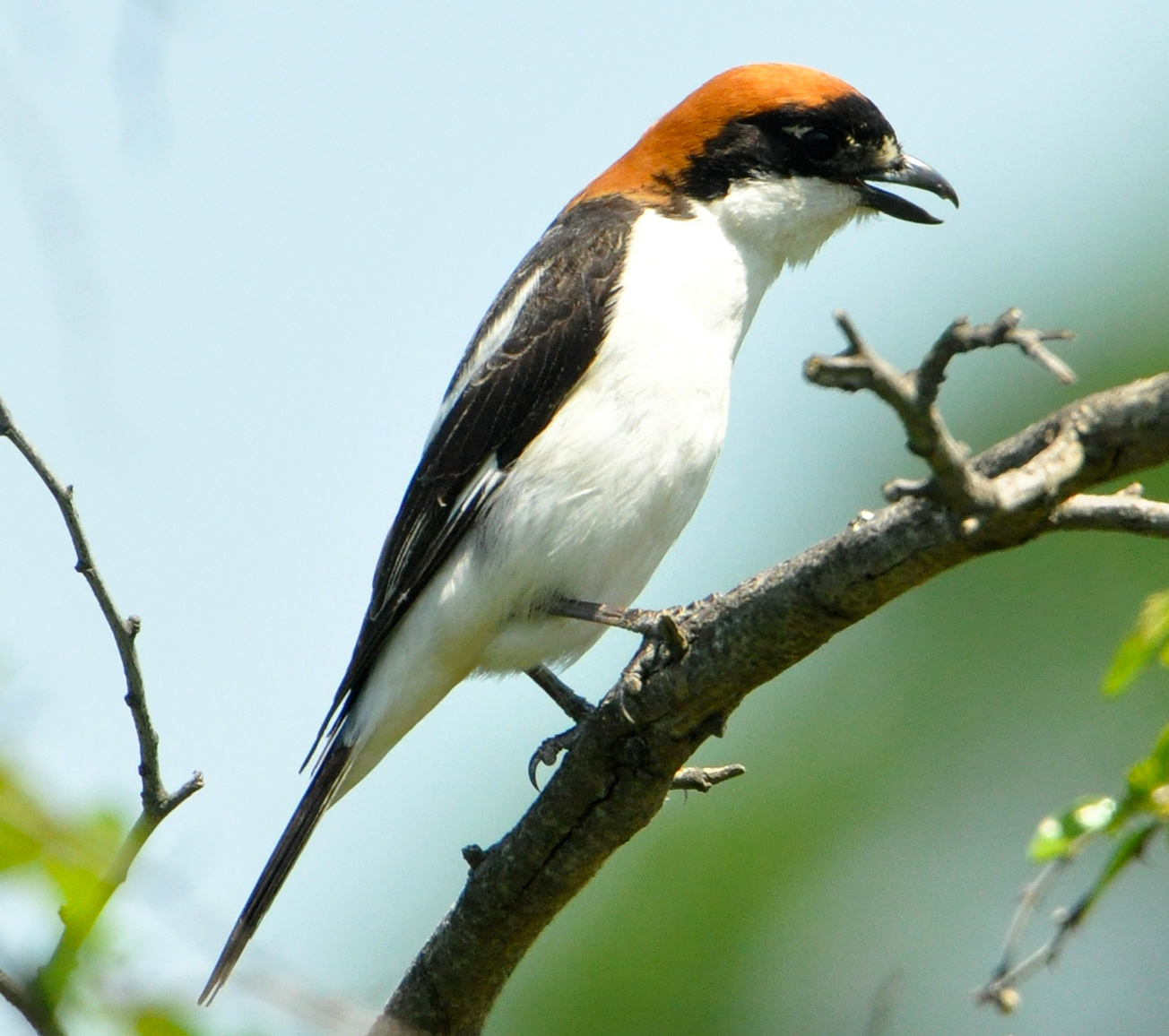
Woodchat shrike, photo by Winfried Scharlau
- House sparrow (Passer domesticus) (R):
very common, especially around villages - Eurasian tree sparrow (Passer montanus) (M):
very rare. Some pairs breed in a small colony at the monastery of Panagía Ypsilotéra near Galíni; we have found similar small colonies on Paros and Crete. - Hooded crow (Corvus corone cornix) (R):
widespread and common - Common raven (Corvus corax) (R):
regular, but in small numbers
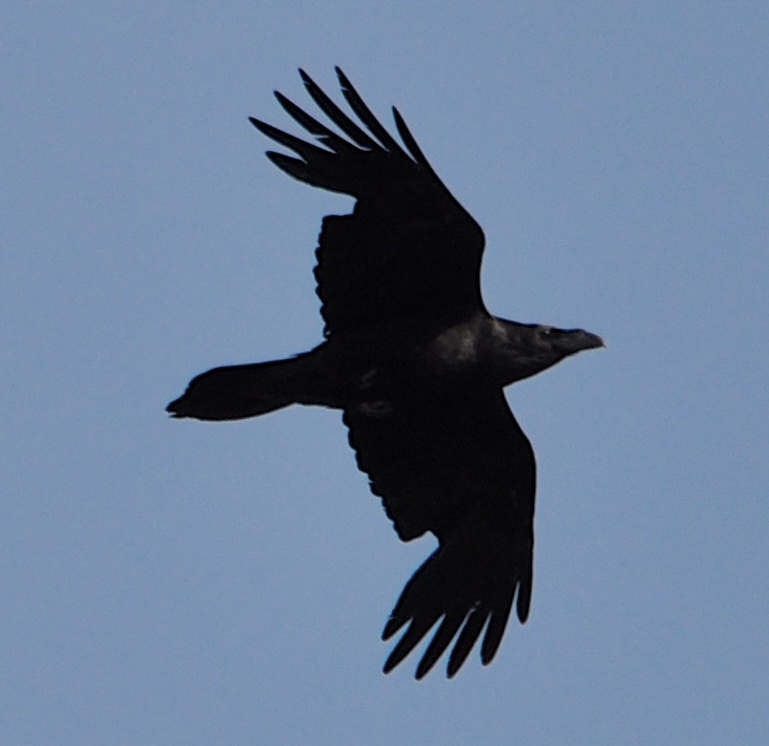
The raven occurs nearly everywhere on Naxos, but is most easy to see in the mountains. Photo by Winfried Scharlau
- Great tit (Parus major) (R):
very common, especially in cultivated areas with trees and in forests - European greenfinch (Carduelis chloris) (R):
very common in the cultivated areas around the mountain villages; otherwise rarer - European goldfinch (Carduelis carduelis) (R):
one of the most common species, mostly in open landscape
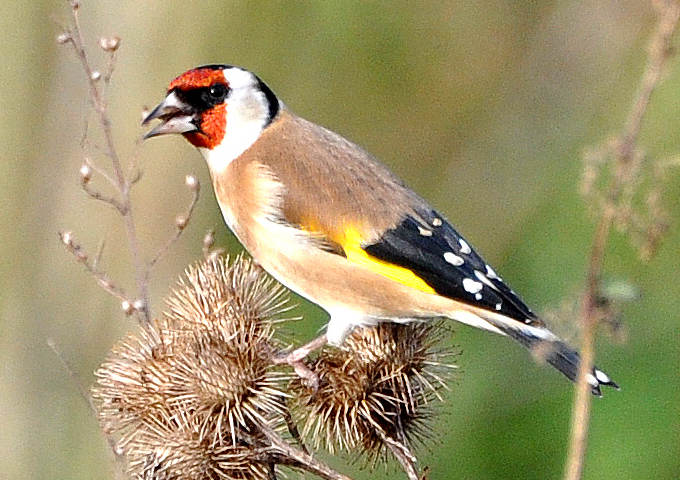
The European goldfinch is one of the most common species on Naxos. Photo by Winfried Scharlau
- Common linnet (Linaria cannabina = Carduelis cannabina) (R):
The linnet was at the time of our first evaluation of the breeding birds of Naxos in 1990 one of the most common species, especially in open vegetation and cultivated areas; now (in 2026) it seems to be much rarer - Eurasian chaffinch (Fringilla coelebs) (R):
locally very common in the wooded regions of the island; especially in the mountains - Cirl bunting (Emberiza cirlus) (R):
common, especially in cultivated areas and maquis - Corn bunting (Emberiza calandra = Miliaria calandra) (R):
quite common, in fields and open cultivated areas
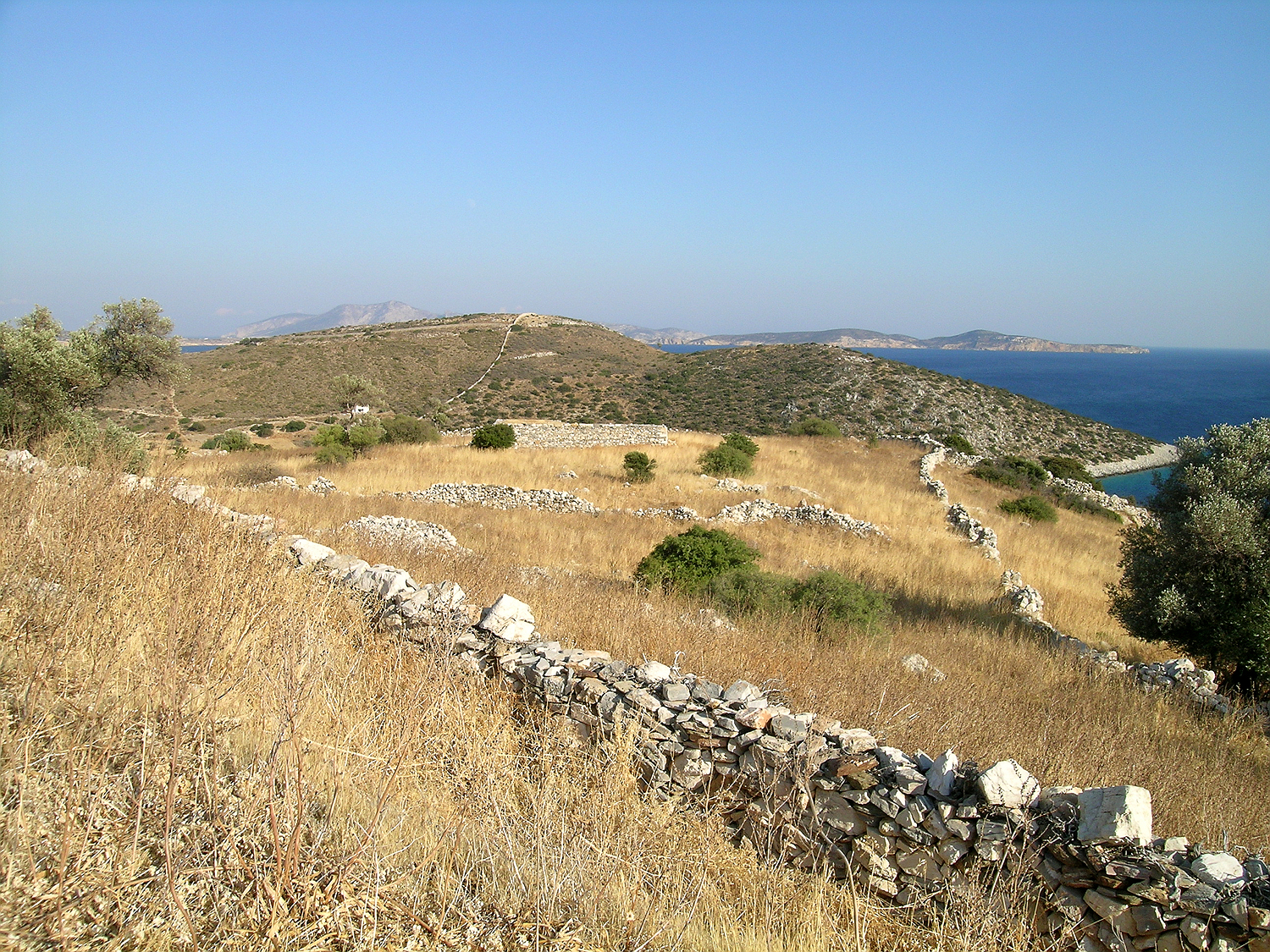
fields near Panormos: Corn buntings, Crested larks, Eastern black-eared wheatears and Woodchat shrikes live here
- Black-headed bunting (Emberiza melanocephala) (M):
regularly found in old cultivated landscape with many trees
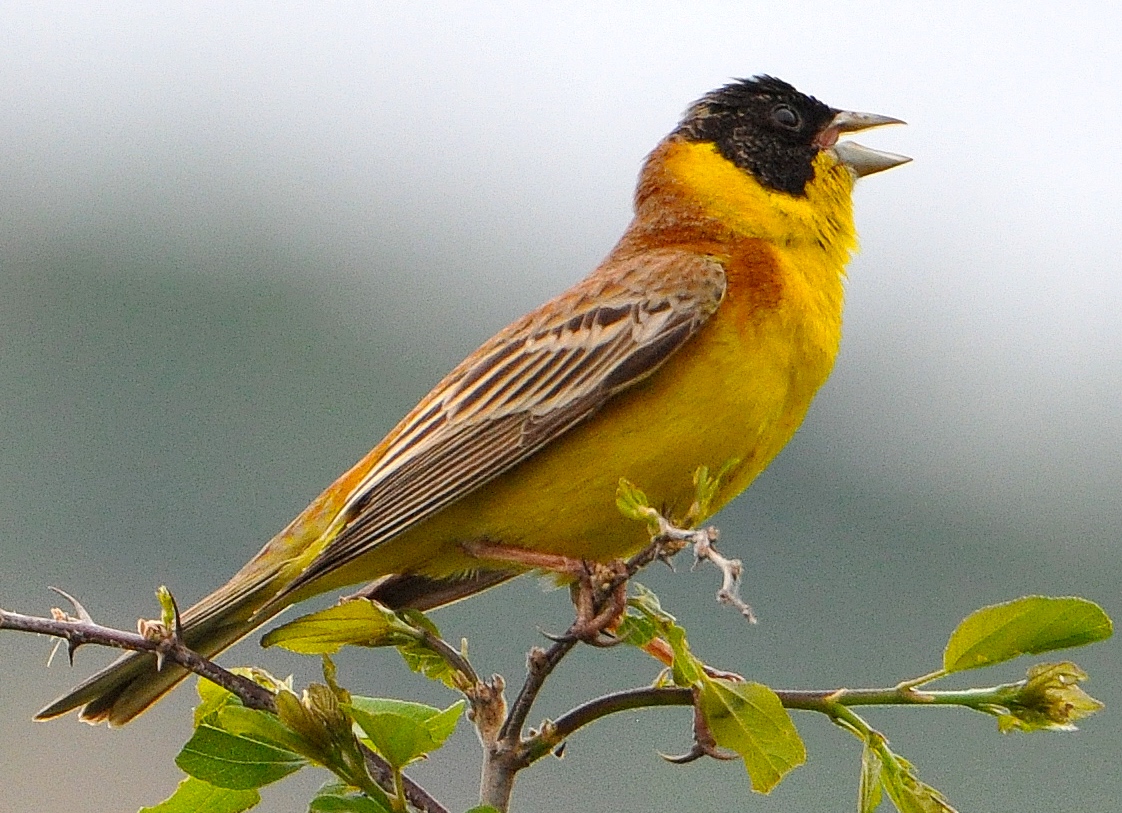
Black-headed bunting, photo by Winfried Scharlau
- Cretzschmar’s bunting (Emberiza caesia) (M):
regularly on slopes with low, open vegetation, especially in the mountains
Winter guests
In winter, the avifauna of Naxos changes considerably. The migratory birds leave the island, and winter guests arrive. The most characteristic and conspicuous winter resident in gardens, groves, macchia and forests is the European robin (Erithacus rubecula), which establishes territories by singing, as does the Black redstart (Phoenicurus ochruros), which occurs mostly around houses and in settlements.
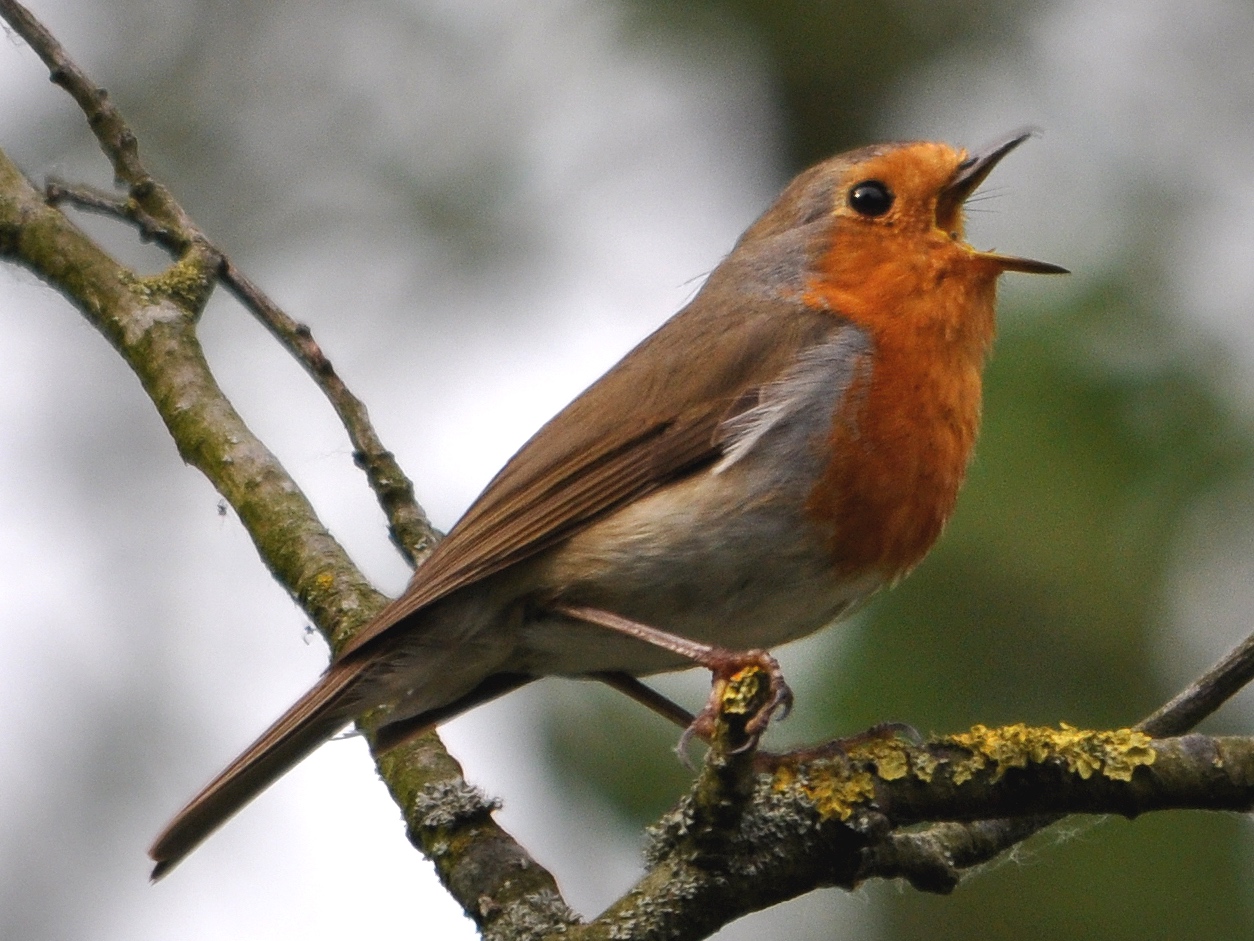
The arrival of robins on Naxos heralds the onset of winter. Photo by Winfried Scharlau
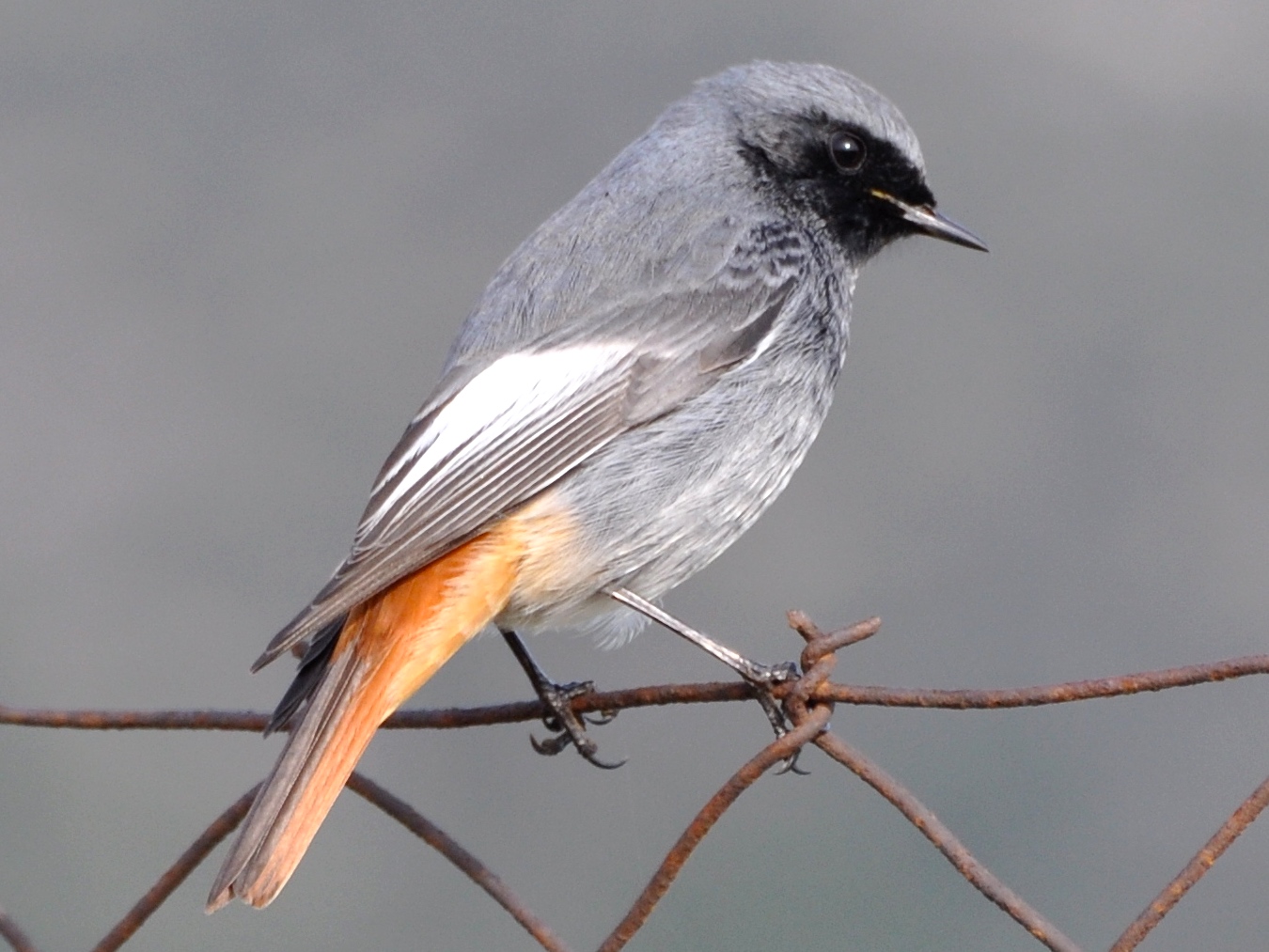
Like the robin, the Black redstart establishes its winter territories by singing. Photo by Winfried Scharlau
Other common winter guests are Common blackbird (Turdus merula), Song thrush (Turdus philomela), Eurasian siskin (Spinus spinus), European serin (Serinus serinus), the goldcrest species (Regulus regulus and R. ignicapillus), Eurasian skylark (Alauda arvensis) and Meadow pipit (Anthus pratensis). A bit more rarely one may see species such as Common chiffchaff (Phylloscopus collybita), Common starling (Sturnus vulgaris), Spanish sparrow (Passer hispaniolensis), Fieldfare (Turdus pilaris), Grey wagtail (Motacilla cinerea), Dunnock (Prunella modularis), Hawfinch (Coccothraustes coccothraustes) and Common reed bunting (Emberizia schoeniclus).
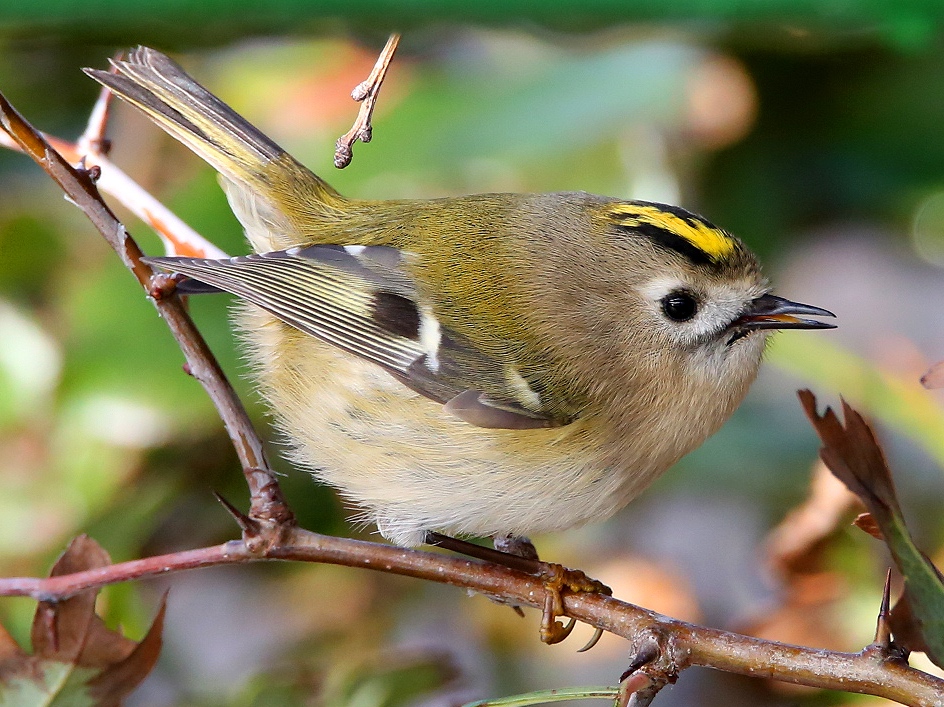
The goldcrest is a common winter guest in the maquis. Photo by Winfried Scharlau
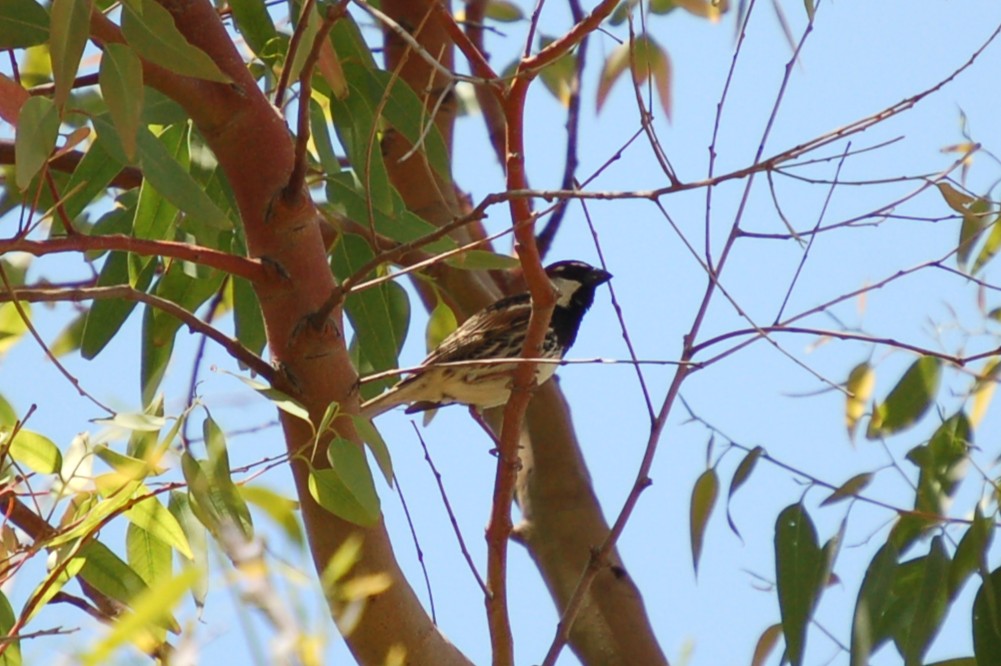
In winter, little flocks of the Spanish sparrow stay sometimes in Azalás. Photo by Winfried Scharlau
Among the birds of prey, the Eurasian sparrowhawk (Accipiter nisus) is the most conspicuous winter guest. The Hen harrier (Circus cyaneus) may also stay over winter in small numbers.
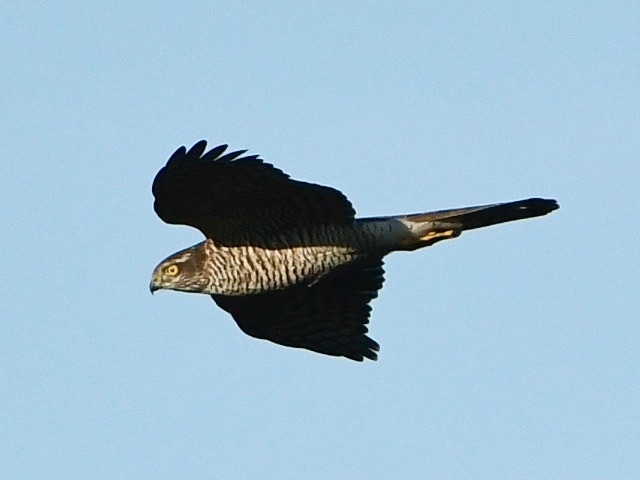
Sparrowhawks are often seen in winter. They frequently fly along the road in front of a car in the hope of catching small birds that fly up. Photo by Winfried Scharlau
Water birds that can be found in winter include the following species: Black-necked grebe (Podiceps nigricollis), Great crested grebe (P. cristatus), Great cormorant (Phalacrocorax carbo), Grey heron (Ardea cinerea), Little egret (Egretta garzetta), Greater flamingo (Phoenicopterus roseus), Mute swan (Cygnus olor), Ruddy shelduck (Tadorna tadorna), Eurasian teal (Anas crecca), Northern pintail (Anas acuta), Eurasian wigeon (Mareca penelope), Northern shoveler (Spatula clypeata) and Common pochard (Aythya ferina), Eurasian woodcock (Scolopax rusticola), Common snipe (Gallinago gallinago), Dunlin (Calidris alpina), Northern lapwing (Vanellus vanellus), European golden plover and Grey plover (Pluvialis apicaria and P. squatarola), Mediterranean gull (Ichthyaetus melanocephalus), Black-headed gull (Chroicocephalus ridibundus = Larus ridibundus), Little gull (Hydrocoloeus minutus = Larus minutus) and Sandwich tern (Thalasseus sandvicensis = Sterna sandvicensis). The Common kingfisher (Alcedo atthis) is a regular winter guest at the coast.
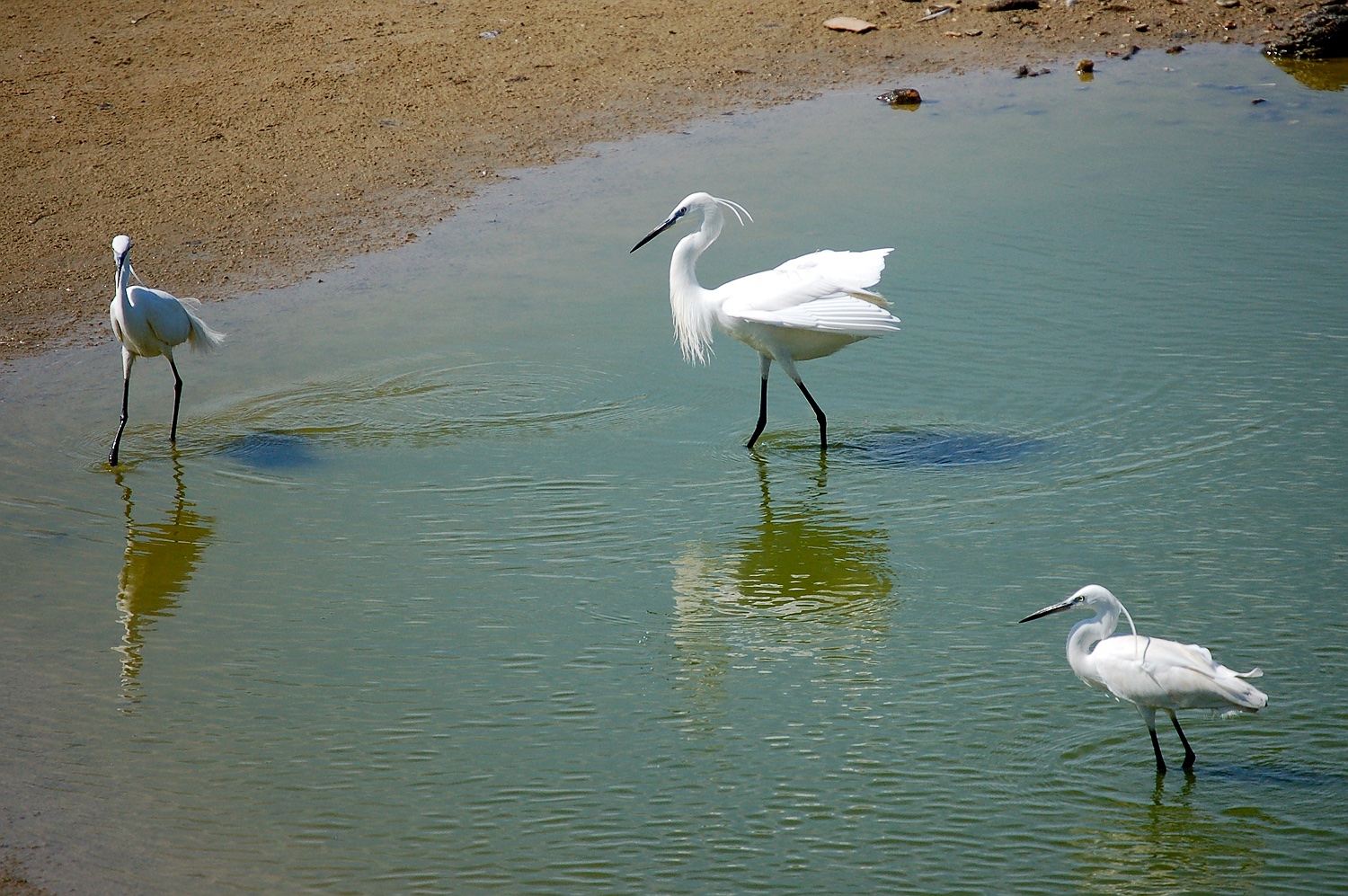
Little egrets in Kalandós, photo by Winfried Scharlau
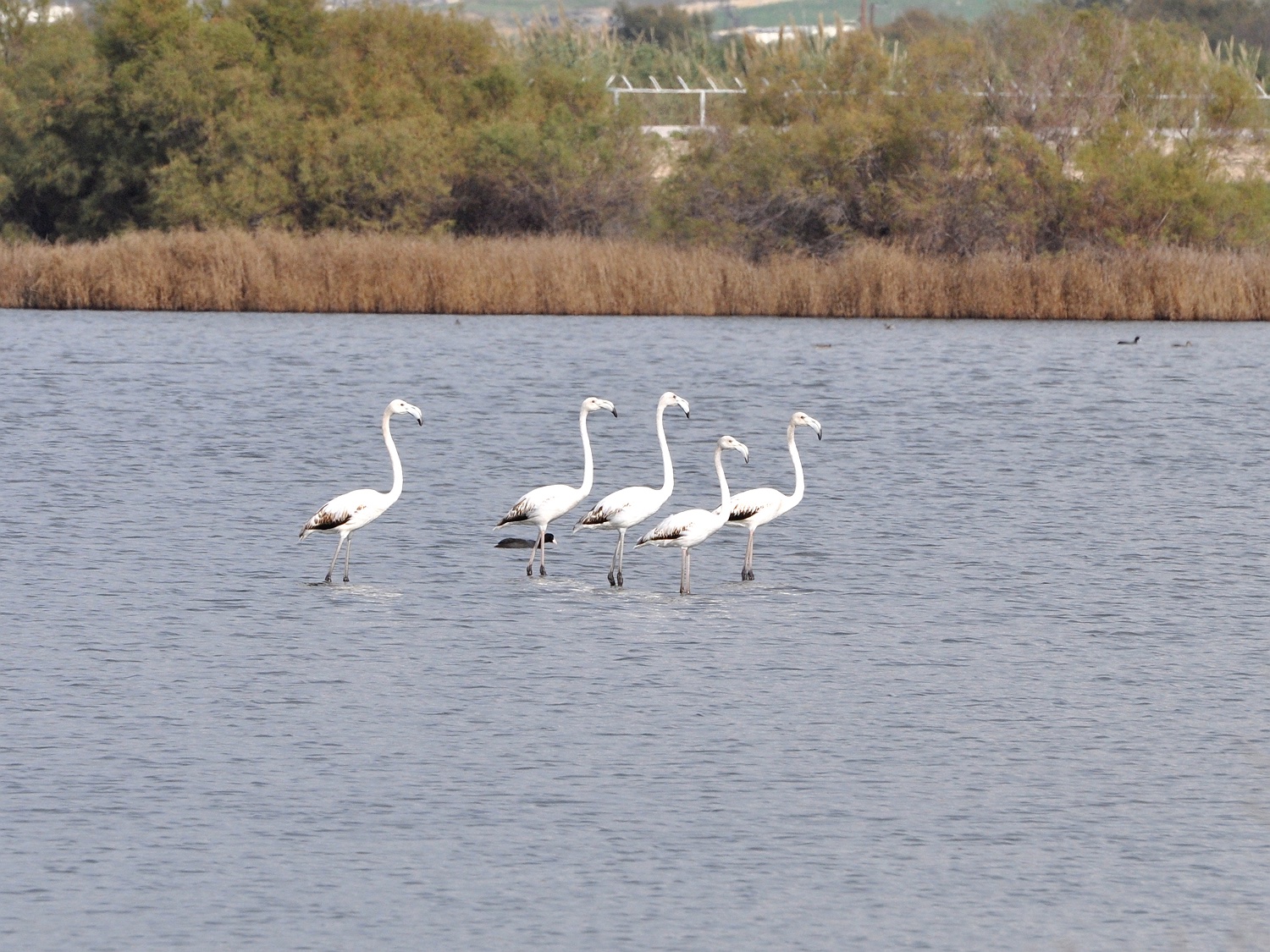
Flamingos at the airport lagoon, photo by Winfried Scharlau
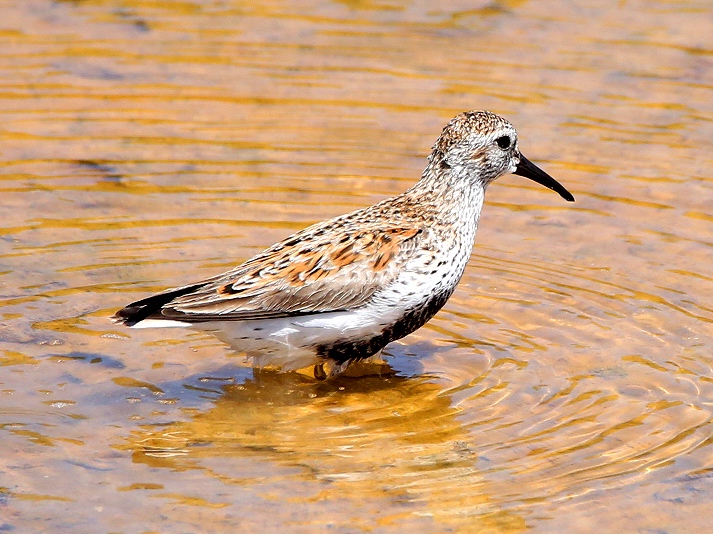
The dunlin can be found on Naxos not only during migration, but also in winter. Photo by Winfried Scharlau
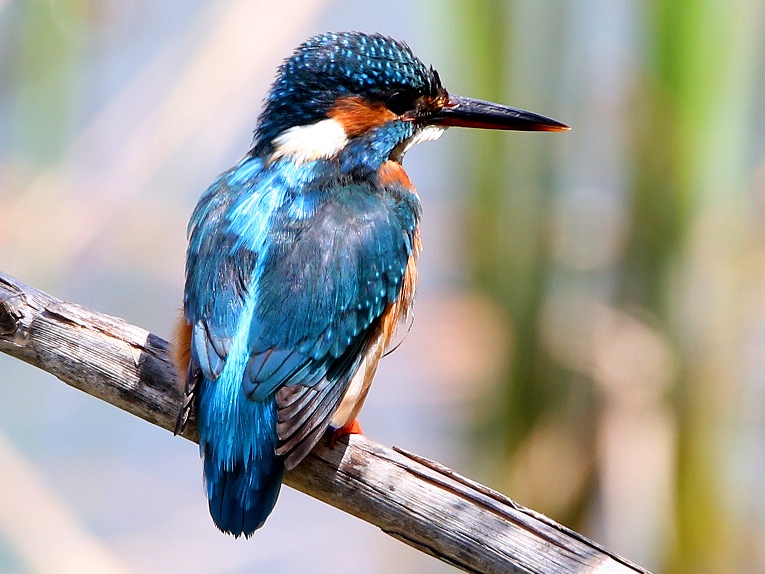
The kingfisher is a frequent winter resident at the coasts of Naxos.
Migrants
Naxos, a large island rich in vegetation located in the middle of the Aegean Sea, is naturally an important stopover for migratory birds. The lagoon at the airport is of particular importance for migratory waterbirds. Accordingly, many interesting and sometimes rare bird species can be observed on Naxos during the migration season. Species that have already been listed as winter visitors are not mentioned again here, even if they appear in significantly larger numbers during the migration season.
The most impressive and easiest to observe migrants on Naxos are probably the common and conspicuous Eurasian hoopoe (Upupa epops) and the European bee-eater (Merops apiaster) (both of which seem to also sometimes spend their summer on the island or even breed here).
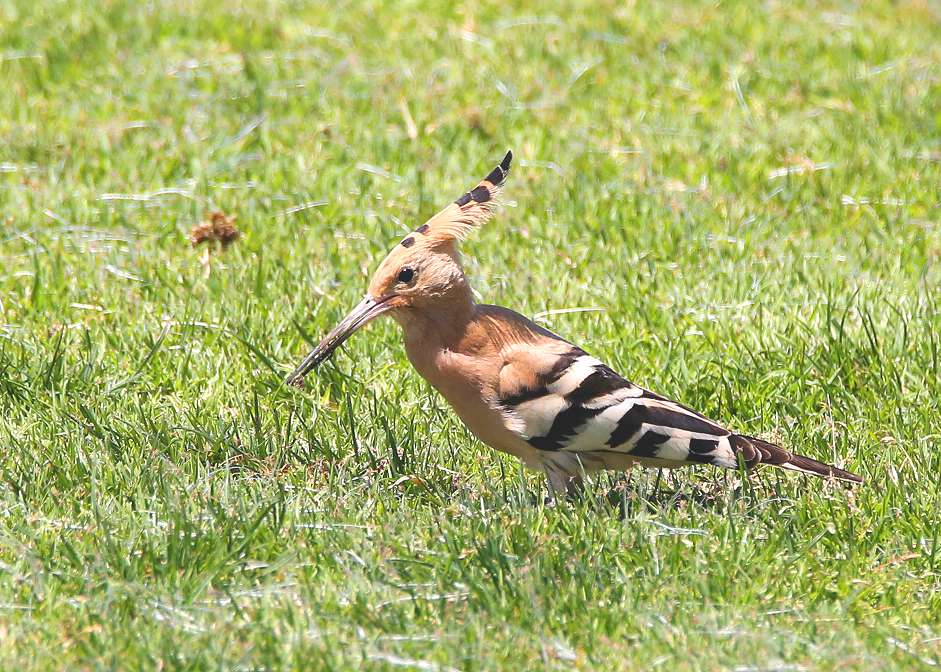
Hoopoe, photo by Winfried Scharlau
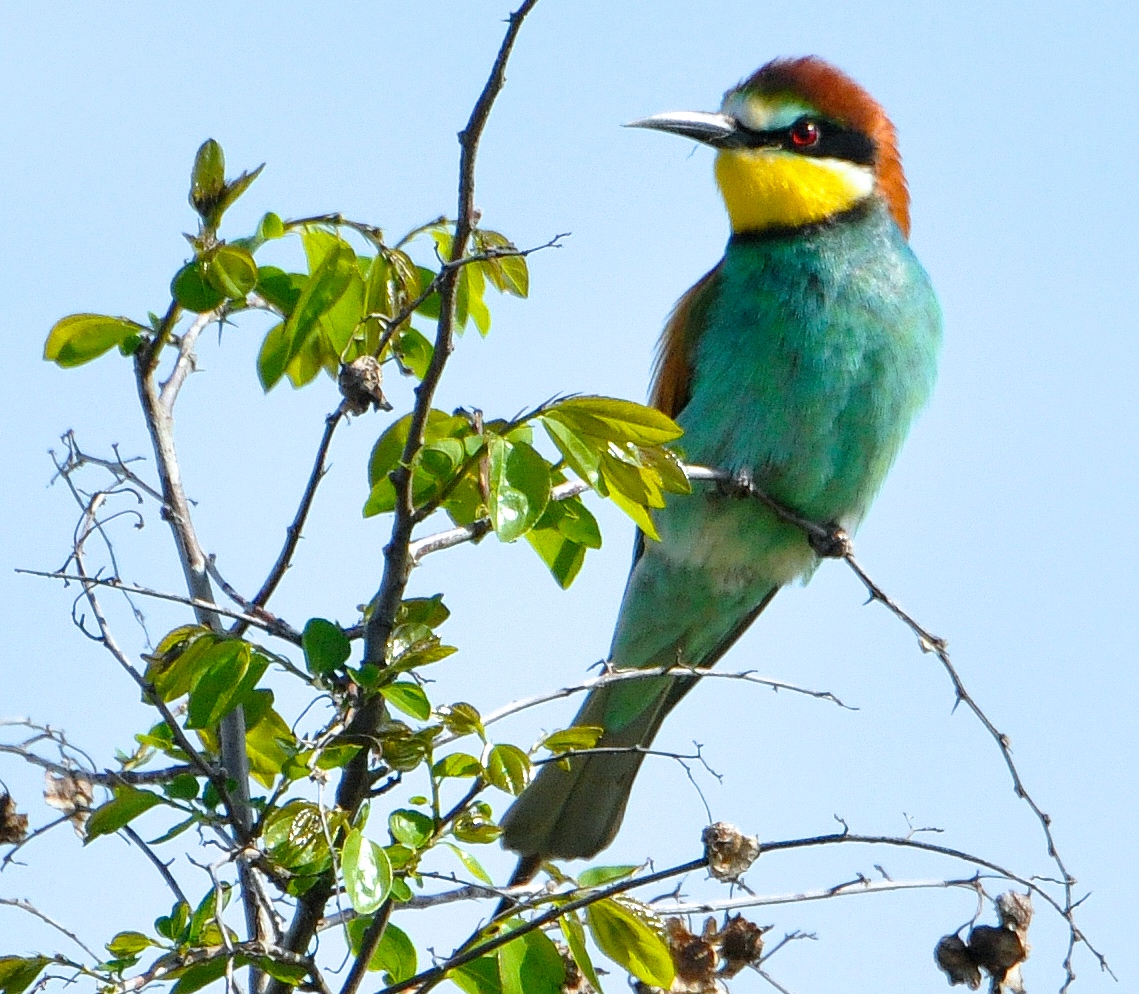
Bee-eater, photo by Winfried Scharlau
The migration of birds of prey always holds surprises. The Marsh harrier (Circus aeruginosus) as well as – more rarely – the other harrier species, the Black kite (Milvus migrans) and the Short-toed snake eagle (Circaetus gallicus) can be observed regularly. Furthermore, the European honey buzzard (Pernis apivorus) and the Levant sparrowhawk (Tachyspiza brevipes = Accipiter brevipes) migrate through the area, and, less frequently, the Lesser spotted eagle (Clanga pomarina = Aquila pomarina). Conspicuous are the Red-footed falcons (Falco verspertinus) that can often be seen sitting on the power lines around the end of April and beginning of May.
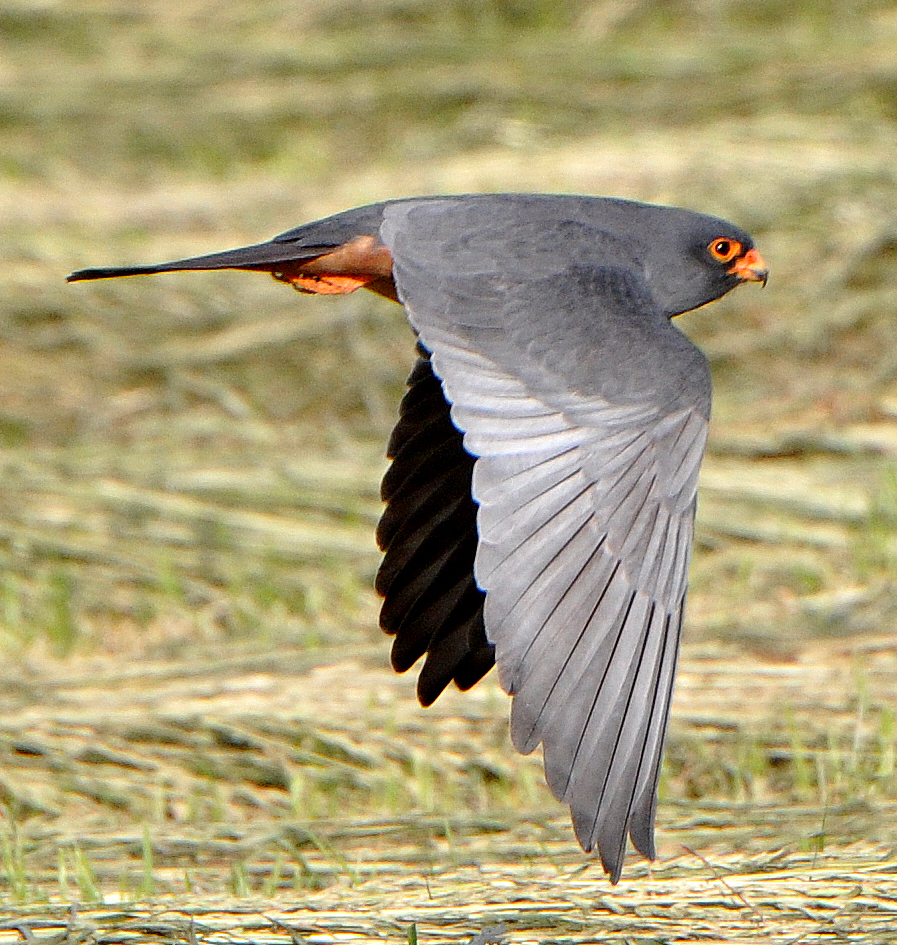
Red-footed falcon, photo by Winfried Scharlau
The most interesting areas for observing migratory waterbirds are the lagoons and smaller wetlands along the west and south coasts. Here you will often encounter heron species such as Squacco herons (Ardeola ralloides), Purple herons (Ardea purpurea), Black-crowned night herons (Nycticorax nycticorax) and Great egrets (Ardea alba = Egretta alba), as well as Little bitterns (Ixobrychus minutus), Glossy ibis (Plegadis falcinellus), Eurasian spoonbills (Platalea leucorodia) and White storks (Ciconia ciconia). Occasionally, Spotted crake and Little crake (Porzana porzana and Zapornia parva = P. parva) may pass through. Numerous species of waders appear during migration; the most common on the coast is the Common sandpiper (Actitis hypoleucos). At lagoons and estuaries one may see many species of the genera Tringa and Calidris, the Ruff (Calidris pugnax = Philomachus pugnax), the Ruddy turnstone (Arenaria interpres), Black-tailed godwits (Limosa limosa), etc. Almost all species migrating through Europe can be seen, including rarities such as the Marsh sandpiper (Tringa stagnatilis), the Broad-billed sandpiper (Calidris falcinellus = Limicola falcinellus), the Greater sand plover (Anarhynchus leschenaultii = Charadrius leschenaultii), Great snipe (Gallinago media) and Collared pratincole (Glareola pratincola). All European terns can be found (Sterna spec. and Chlidonas spec.). Ducks are less common, but the Ferruginous duck (Aythya nyroca) is worth mentioning. Lastly, Common quails (Coturnix coturnix) also may be encountered on their migration.
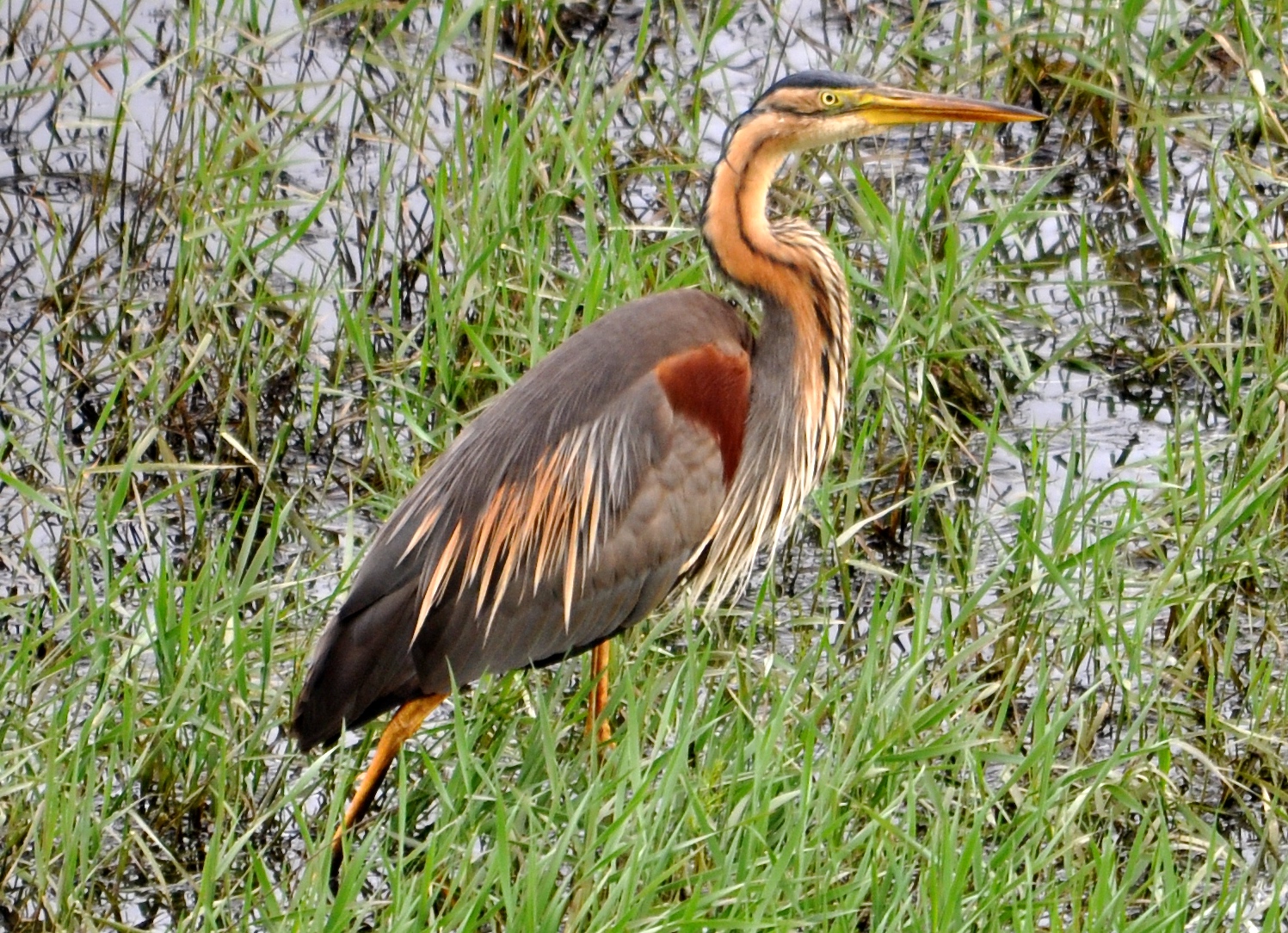
One of the many species of heron that pass through Naxos is the Purple heron. Photo by Winfried Scharlau
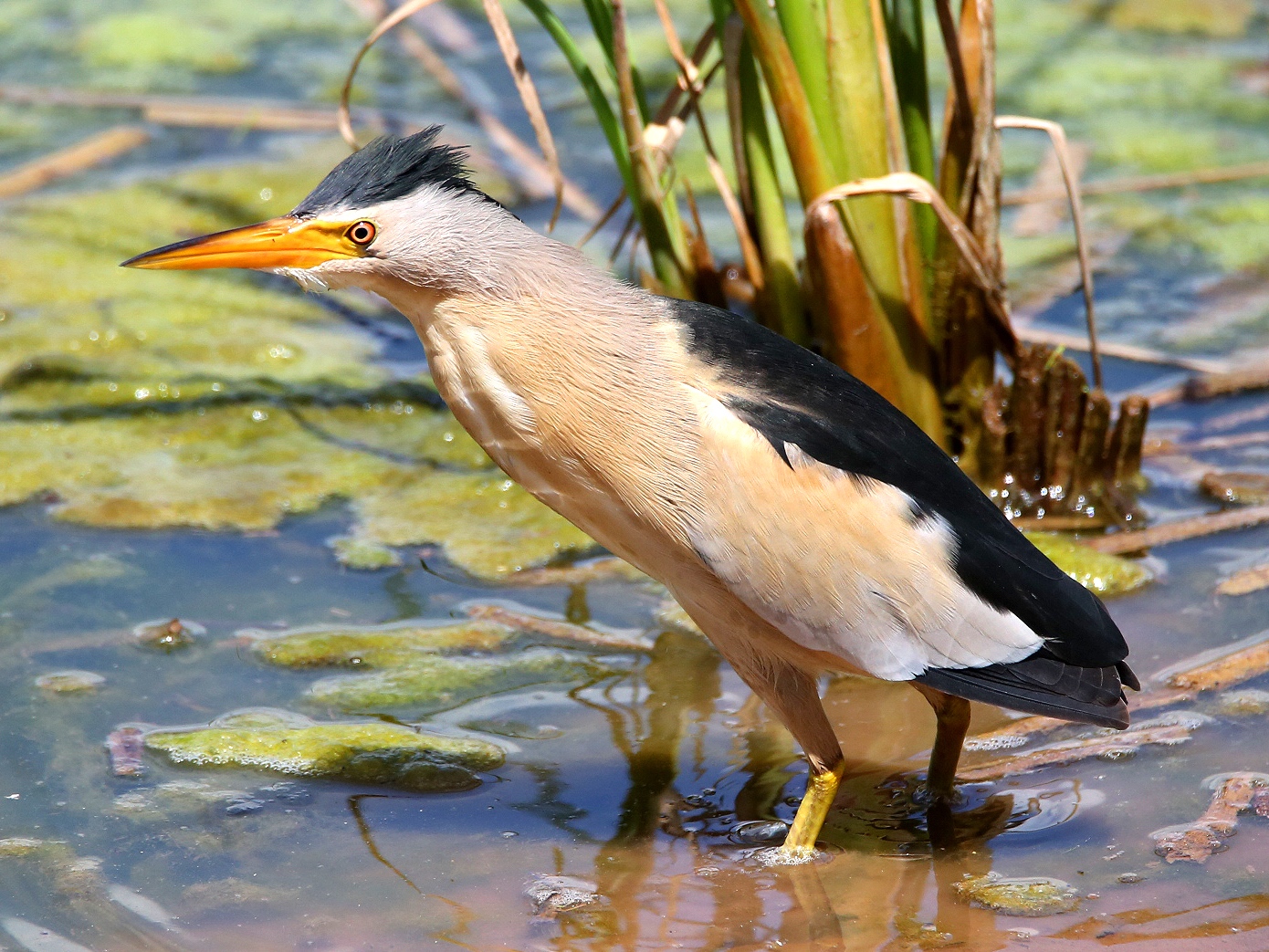
The Little Bittern can be easily observed during migration season at the ponds and streams of the island. Photo by Winfried Scharlau
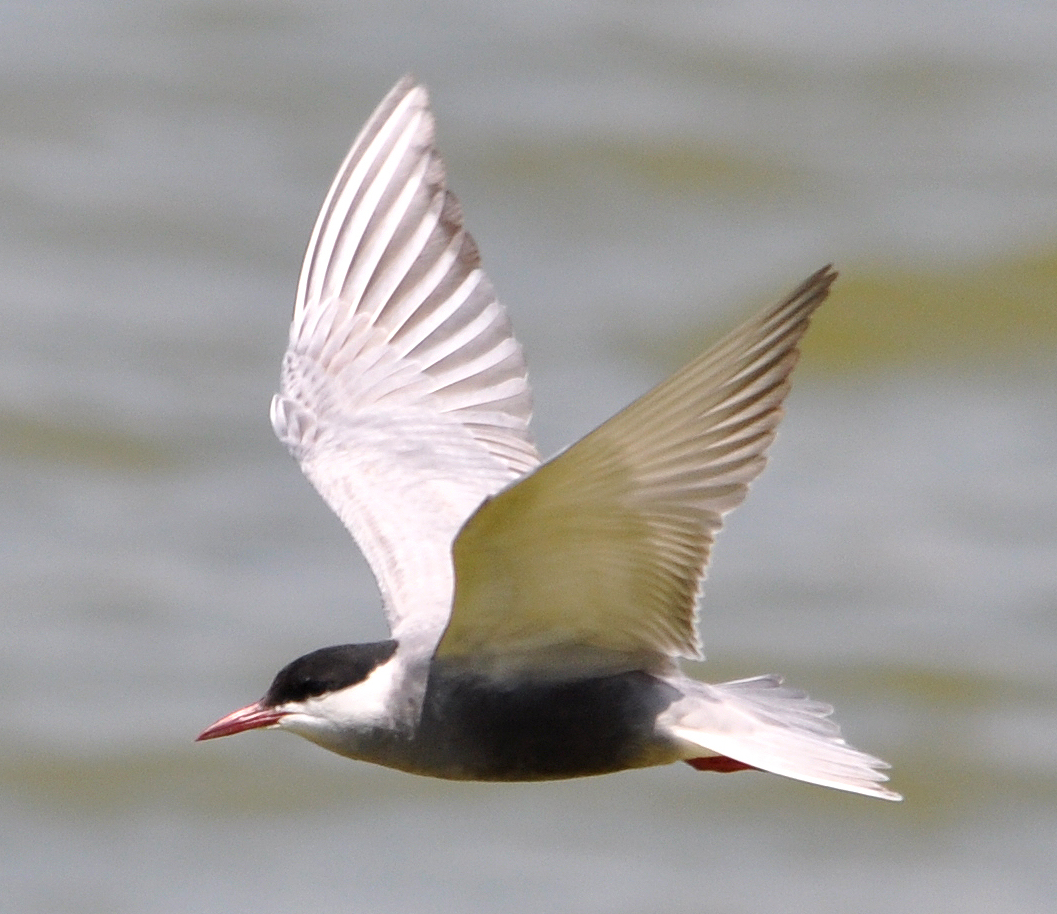
All European tern species can be seen, here the Whiskered tern.
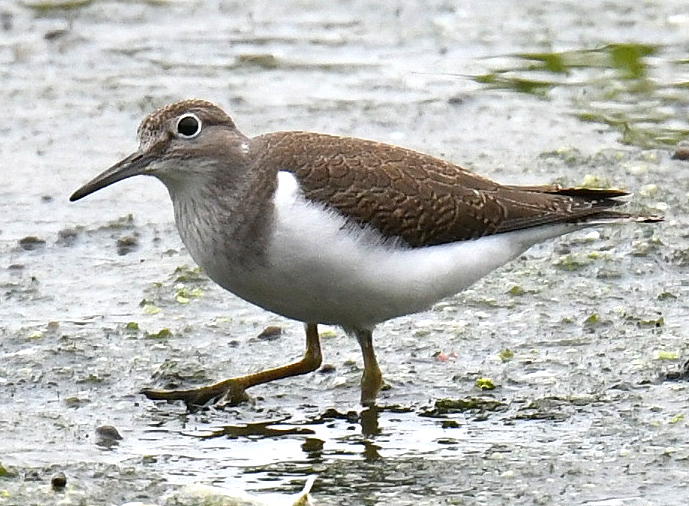
The Common sandpiper is very common along the entire coast during the migration season. Photo by Winfried Scharlau
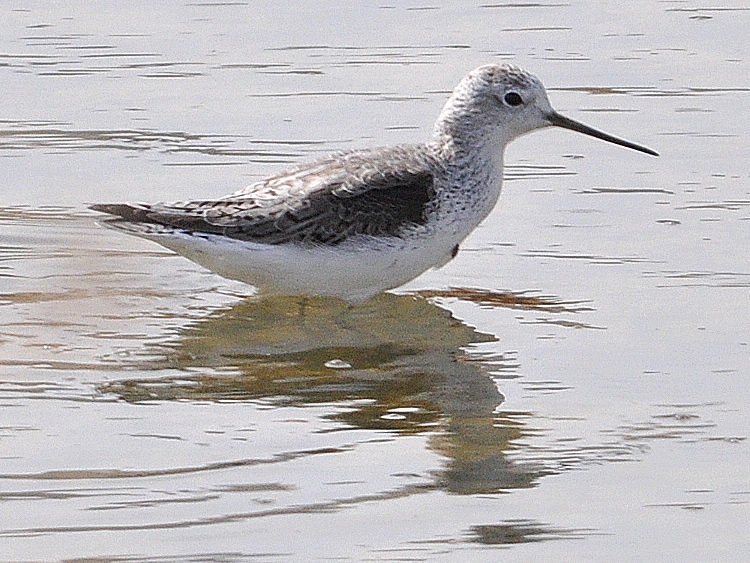
The Marsh sandpiper is one of the very rare wading birds that, with some luck, can be seen on Naxos. Photo by Winfried Scharlau
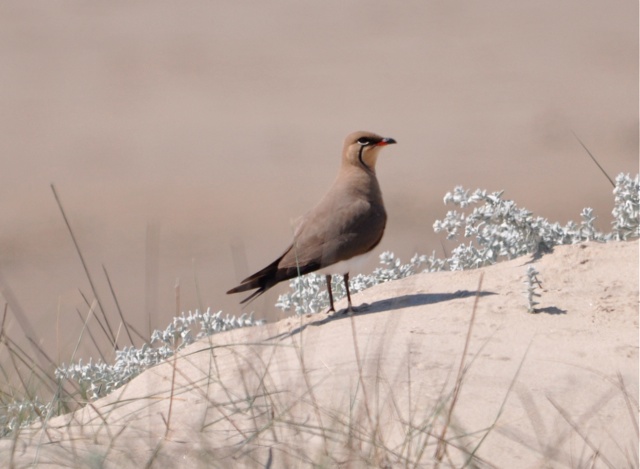
Another rarity is the Collared pratincole. Photo by Winfried Scharlau
Particularly noticeable during the day is the passage of swifts (Apus spec.) and the four species of swallows: Barn swallow, Western house martin, Sand martin and (more rarely) Eurasian crag martin (Hirundo rustica, Delichon urbica, Riparia riparia and Ptyonoprogne rupestris). During the migration period, Western yellow wagtails (Motacilla flava), Whinchats (Saxicola rubetra), Red-backed shrikes (Lanius collurio) and Tree pipits (Anthus trivialis) can also be seen in large numbers. One of the most common migrants is the Willow warbler (Phylloscopus trochilus).
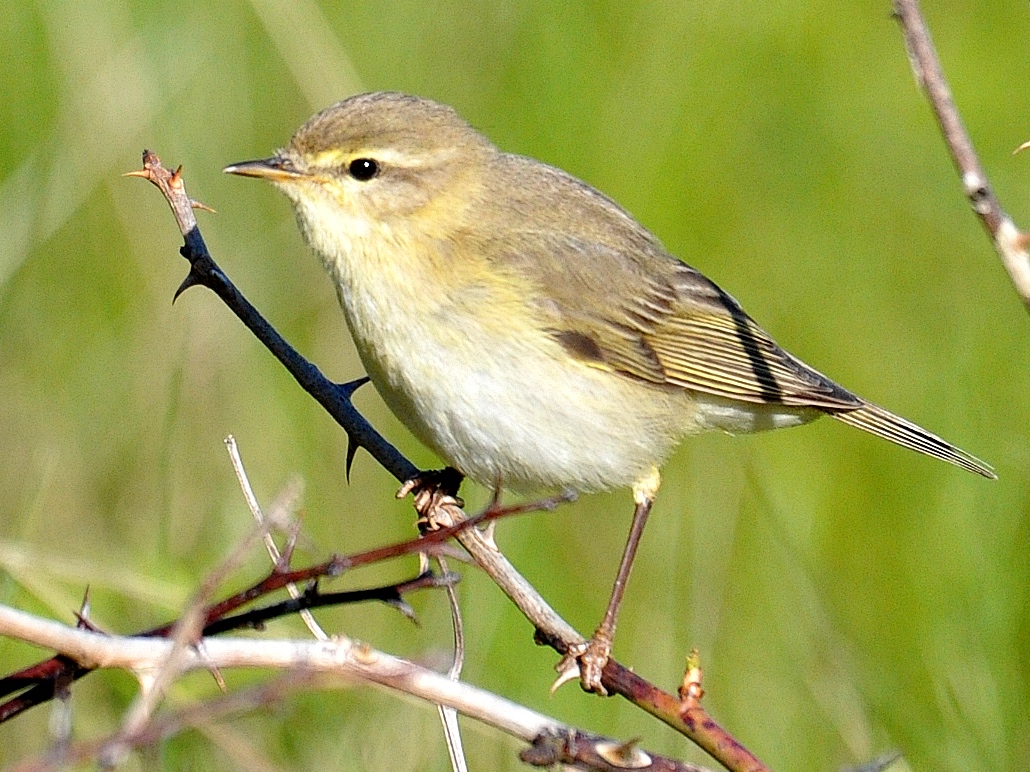
The Willow warbler is the most common species on Naxos during migration. Photo by Winfried Scharlau
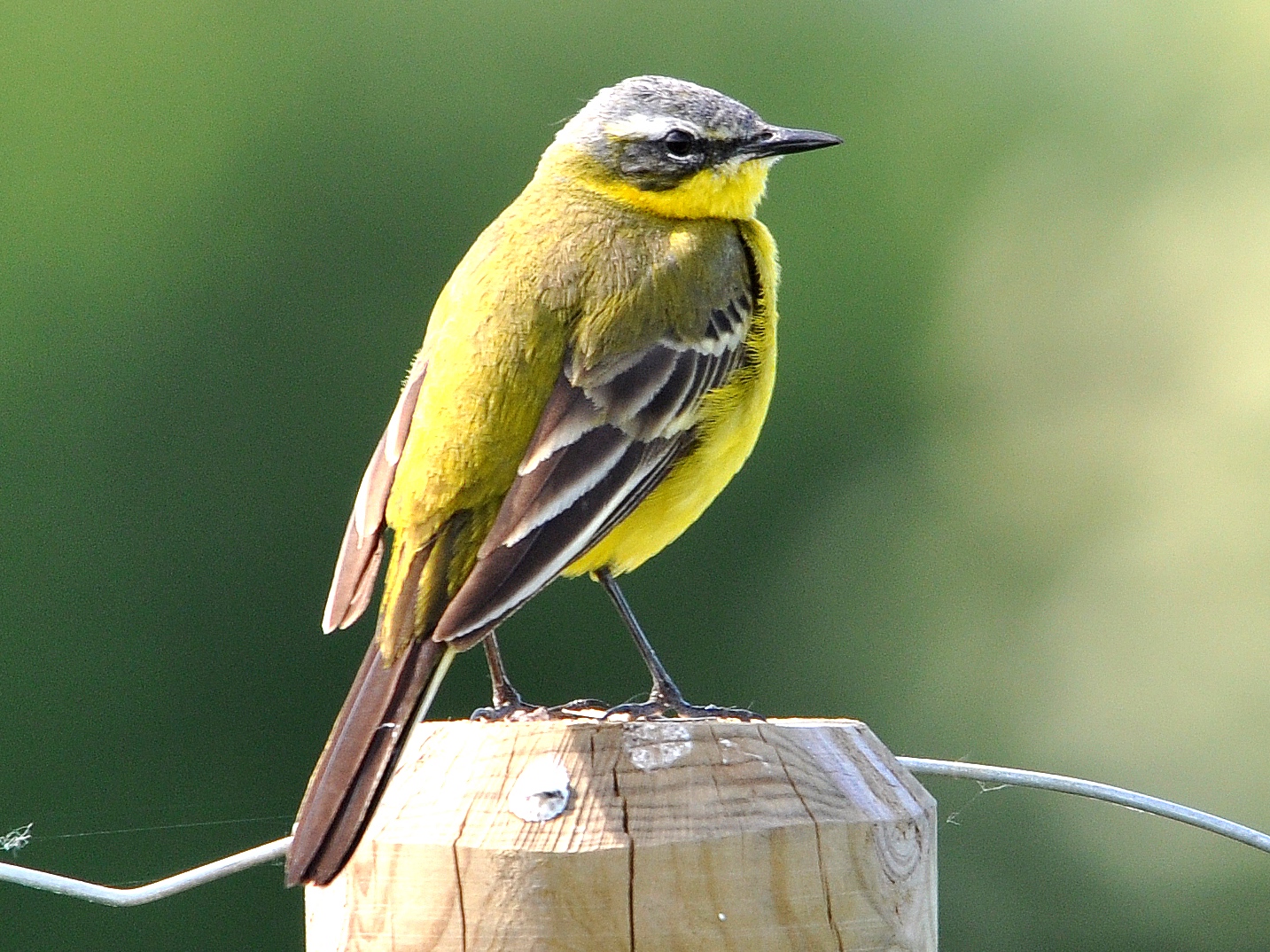
Yellow wagtails also migrate in large numbers. Photo by Winfried Scharlau
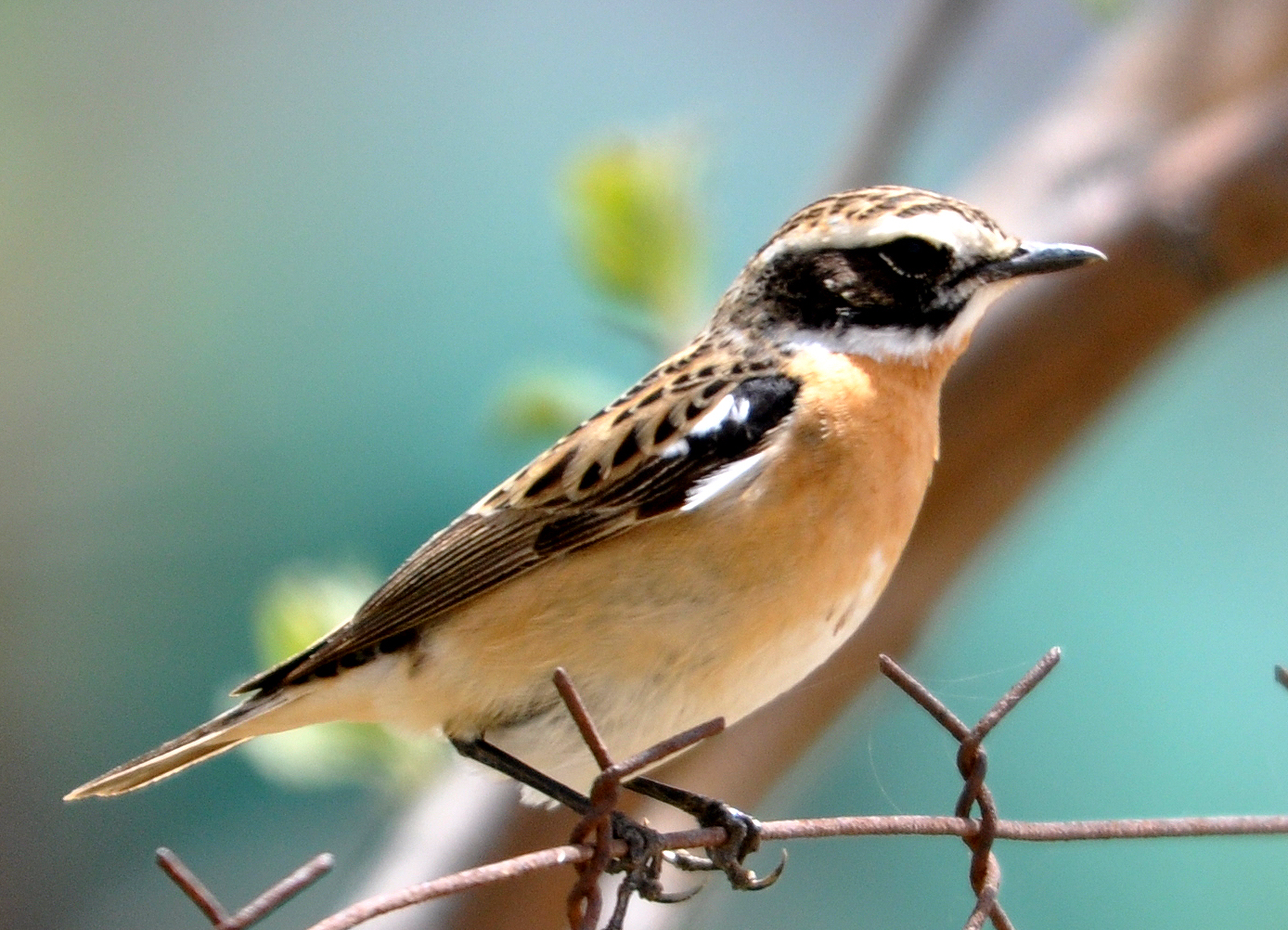
Another common migrant is the whinchat. Photo by Winfried Scharlau
Other regular migrants include the Common cuckoo (Cuculus canorus), Eurasian golden oriole (Oriolus oriolus), Mistle thrush and Redwing (Turdus viscivorus, T. iliacus), flycatcher species (Ficedula spec.), Common redstart (Phoenicurus phoenicurus), Icterine warbler (Hippolais icterina), Wood warbler (Phylloscopus sibilatrix), Garden warbler (Sylvia borin), Common and Lesser whitethroat (Curruca communis and C. curruca) and Sedge warbler (Acrocephalus schoenobaenus).
More rarely occur, for example, European roller (Coracias garrulus), Lesser grey shrike (Lanius minor), Greater short-toed lark (Calandrella brachydactyla), Red-throated pipit (Anthus cervinus), Isabelline Wheatear (Oenanthe isabellina), Brambling (Fringilla montifringilla), Ortolan bunting (Emberiza hortulana) and Rock Bunting (Emberiza cia).
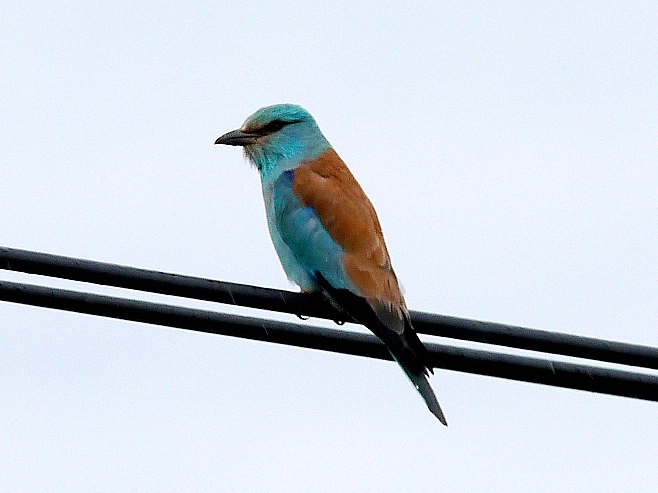
If you are lucky, you may encounter a European roller in the plains of south-west Naxos. Photo by Winfried Scharlau
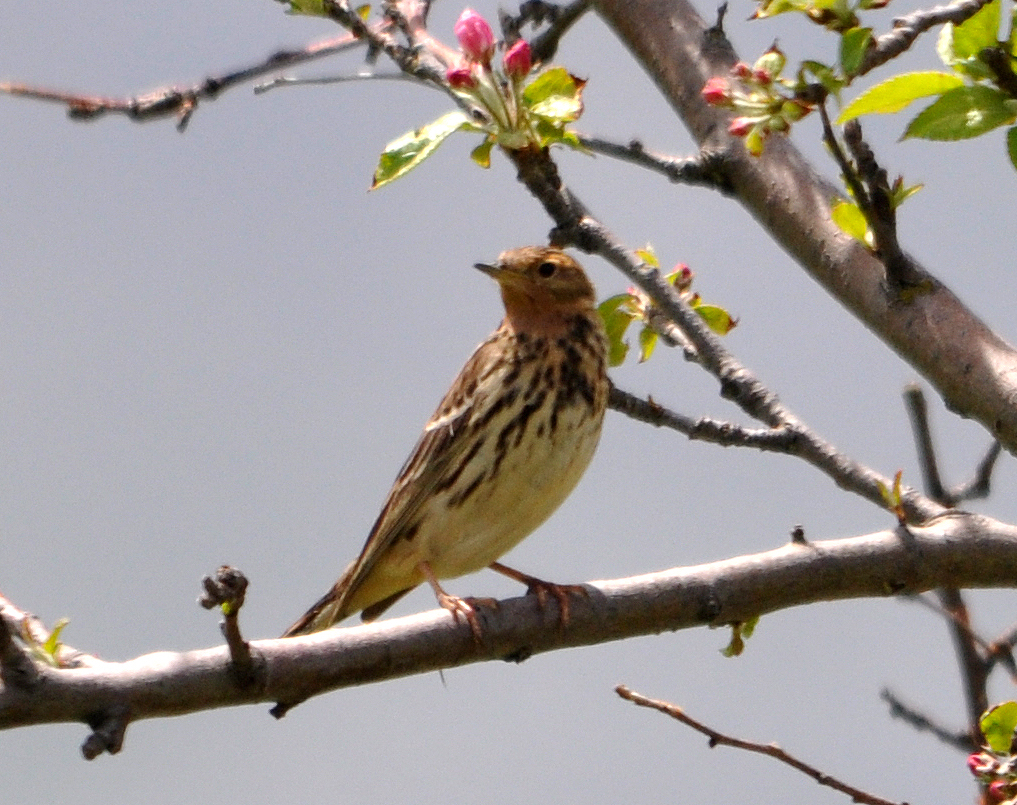
The Red-throated pipit is one of the rarer and more interesting species that can be found on Naxos during the migration season. Photo by Winfried Scharlau
Biotopes
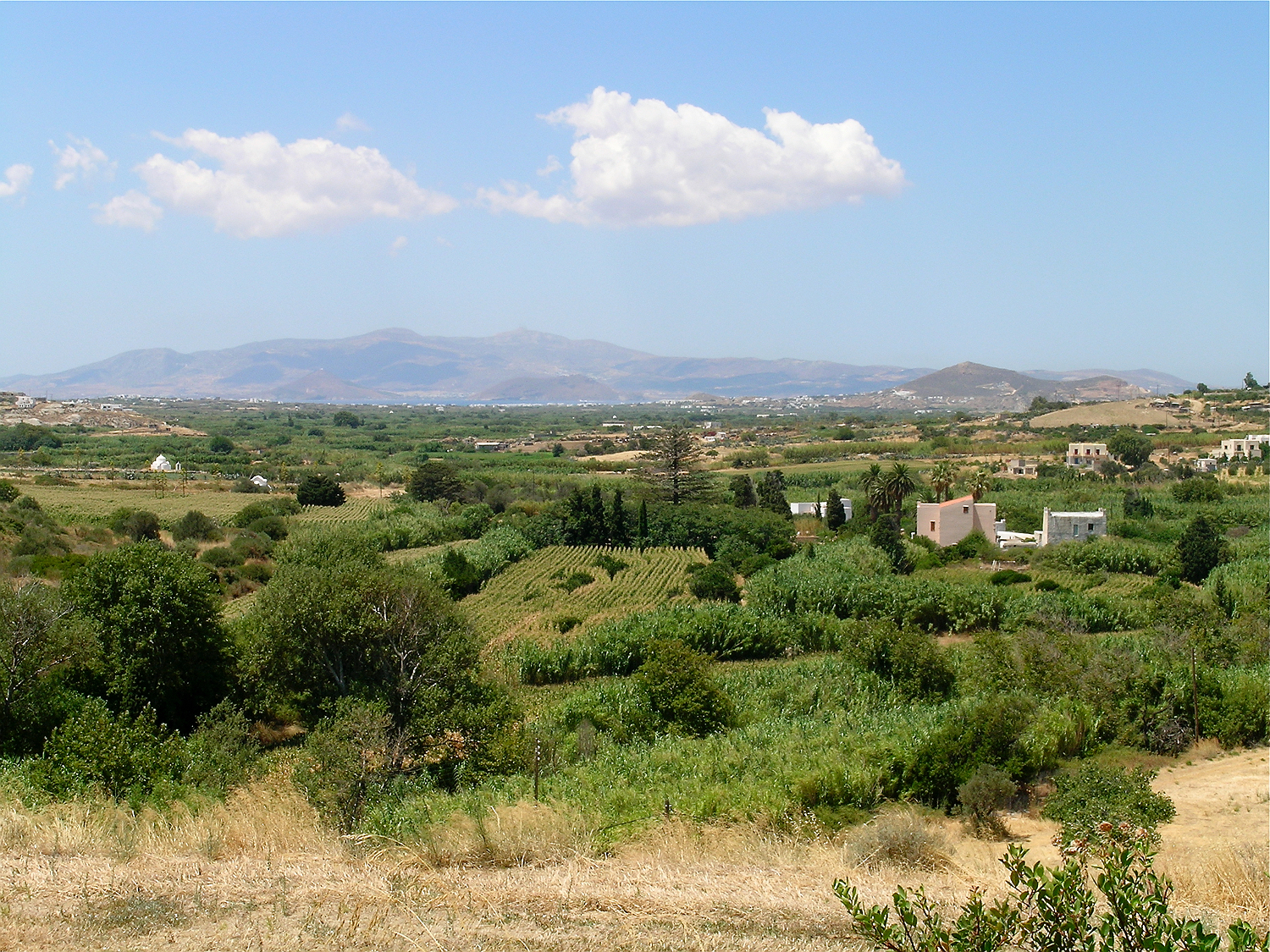
The agricultural landscape around Chóra is home to “common” species such as the Crested lark, goldfinch, linnet, greenfinch, Cirl bunting, Great tit, House sparrow and Hooded crow, and, more rarely, the Barn swallow.
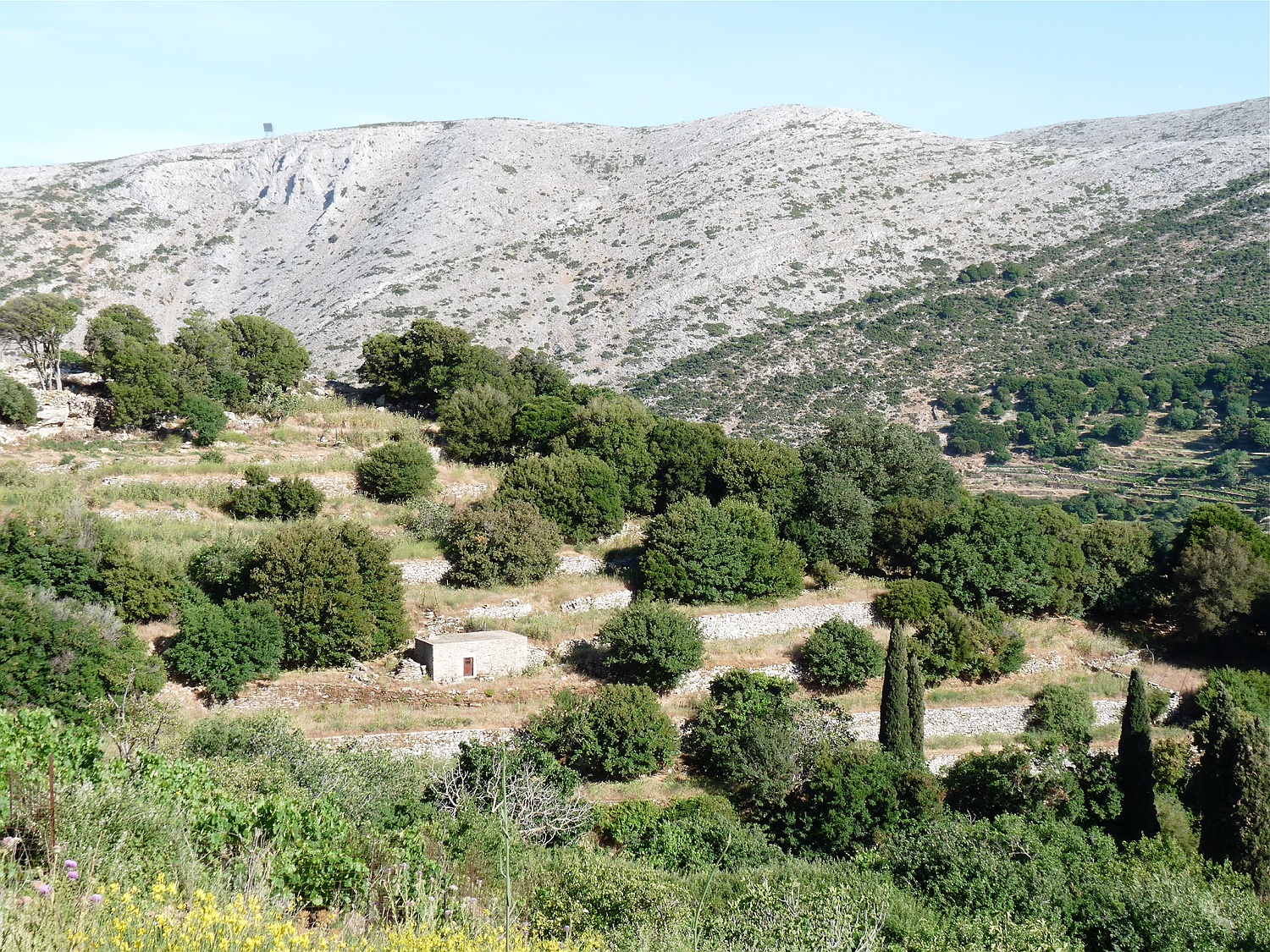
Typical birds that breed in the traditionally cultivated countryside with many trees are: Common buzzard, Long-legged buzzard (very rare), Common kestrel, Hooded crow, Woodchat shrike, Sardinian warbler, Eurasian orphean warbler (rare), Eastern subalpine warbler, Cirl bunting, Black-capped bunting, finches (chaffinch only at higher altitudes), Great tit, European stonechat and (more rarely) Pallid warbler.
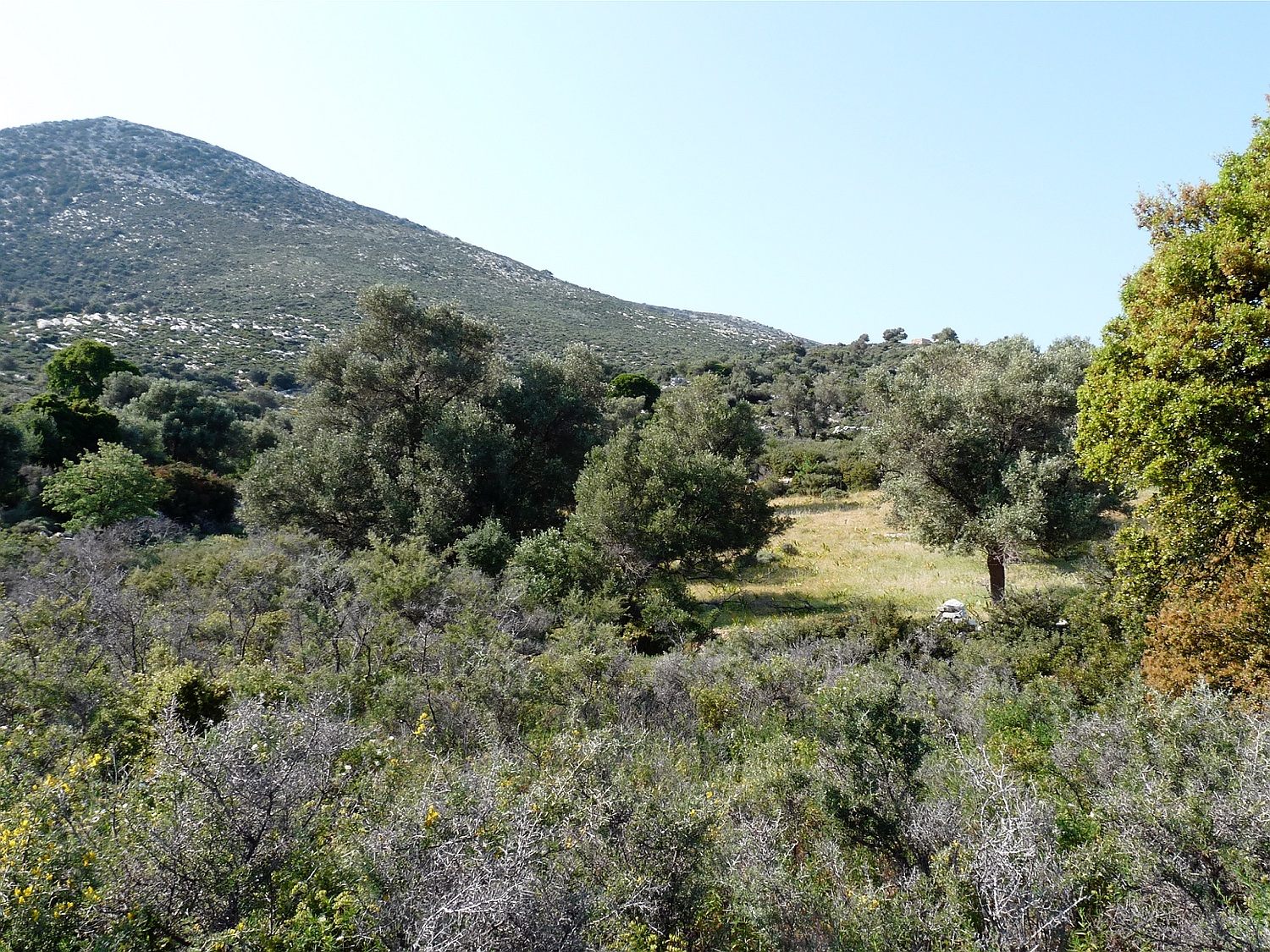
Typical habitat for Black-headed bunting, European stonechat, Sardinian warbler and (rather rarely) Eastern orphean warbler. Also Eastern subalpine warbler, greenfinch, goldfinch, linnet, Great tit and Cirl bunting, as well as kestrels, buzzards, Turtle doves and European nightjar.
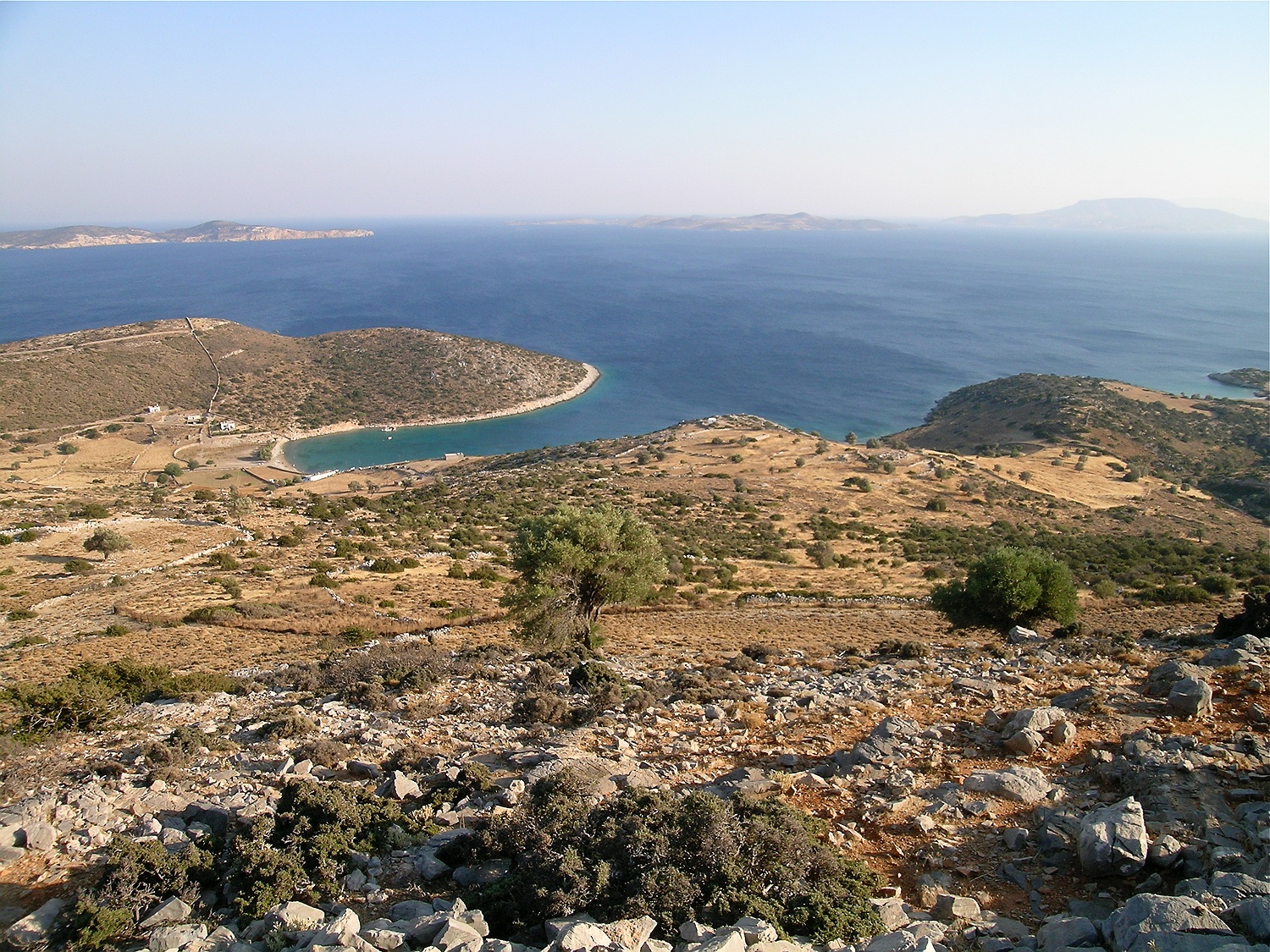
The dry, cultivated plains with fields are mainly home to Crested larks, Corn buntings, Cirl buntings, linnet, goldfinches, greenfinches, Eastern Black-eared wheatears and Woodchat shrikes.
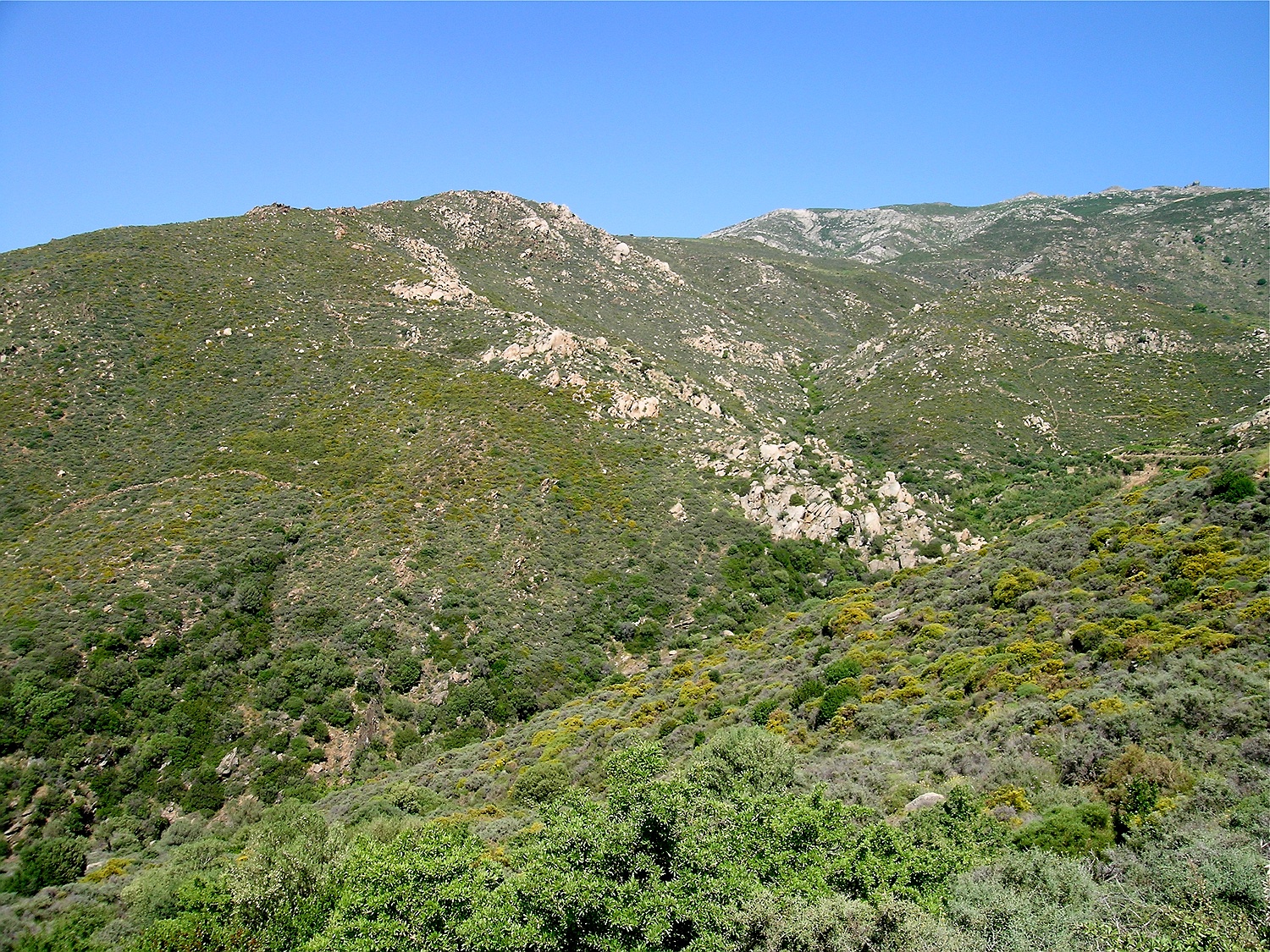
The barren mountain slopes are home to linnet, goldfinch, Sardinian warbler and Cretzschmar’s bunting, as well as Chukar partridge, nightjar and Eastern black-eared wheatear, and in rocky areas, Blue rock thrush and kestrel.
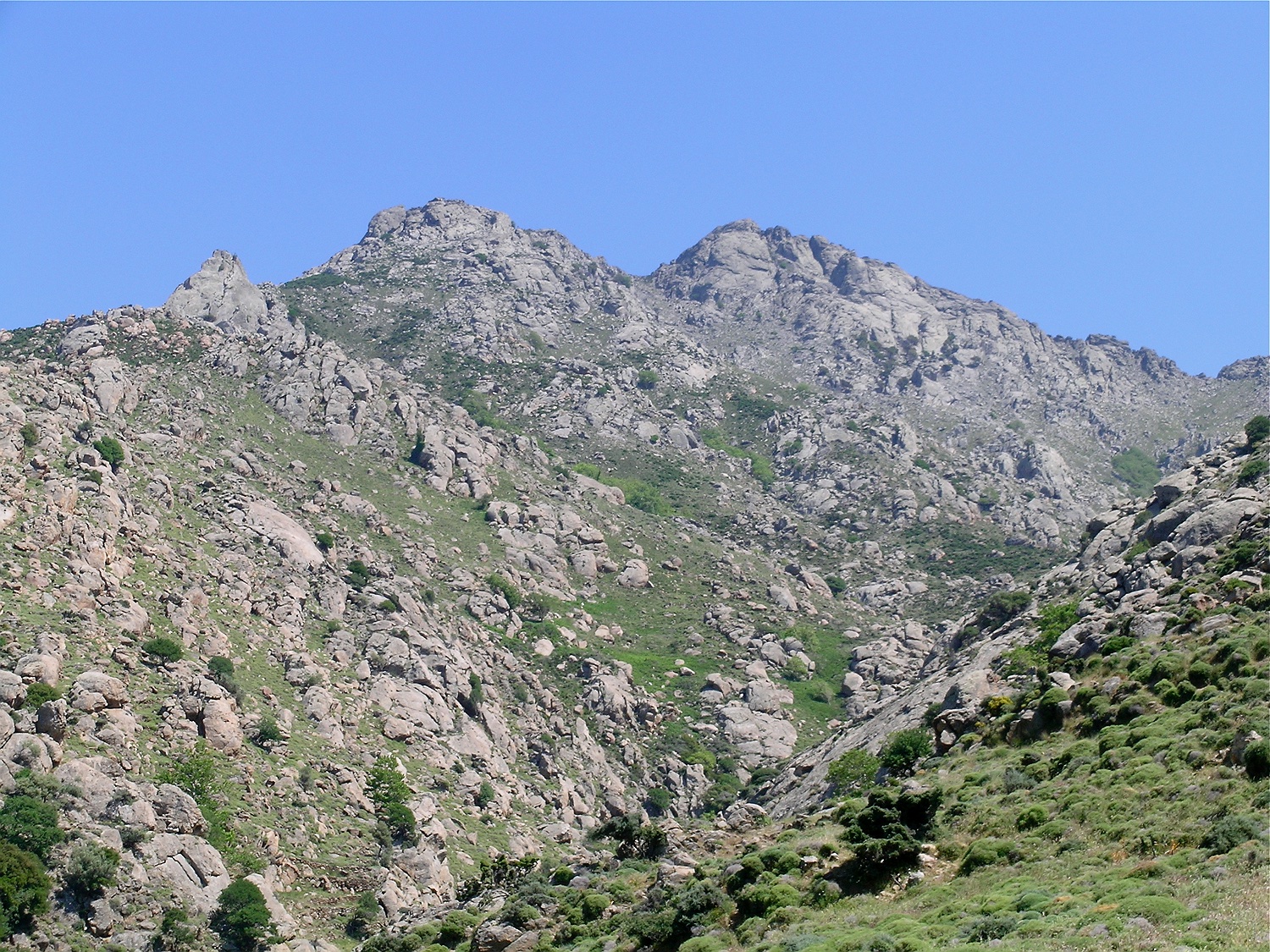
Only in the summit regions one may encounter Northern wheatears, Eurasian crag martins and woodlarks. Griffon vultures, Common ravens and with some luck Bonelli’s eagles can be seen. Other species that are common here include the Blue rock thrush and the wren.
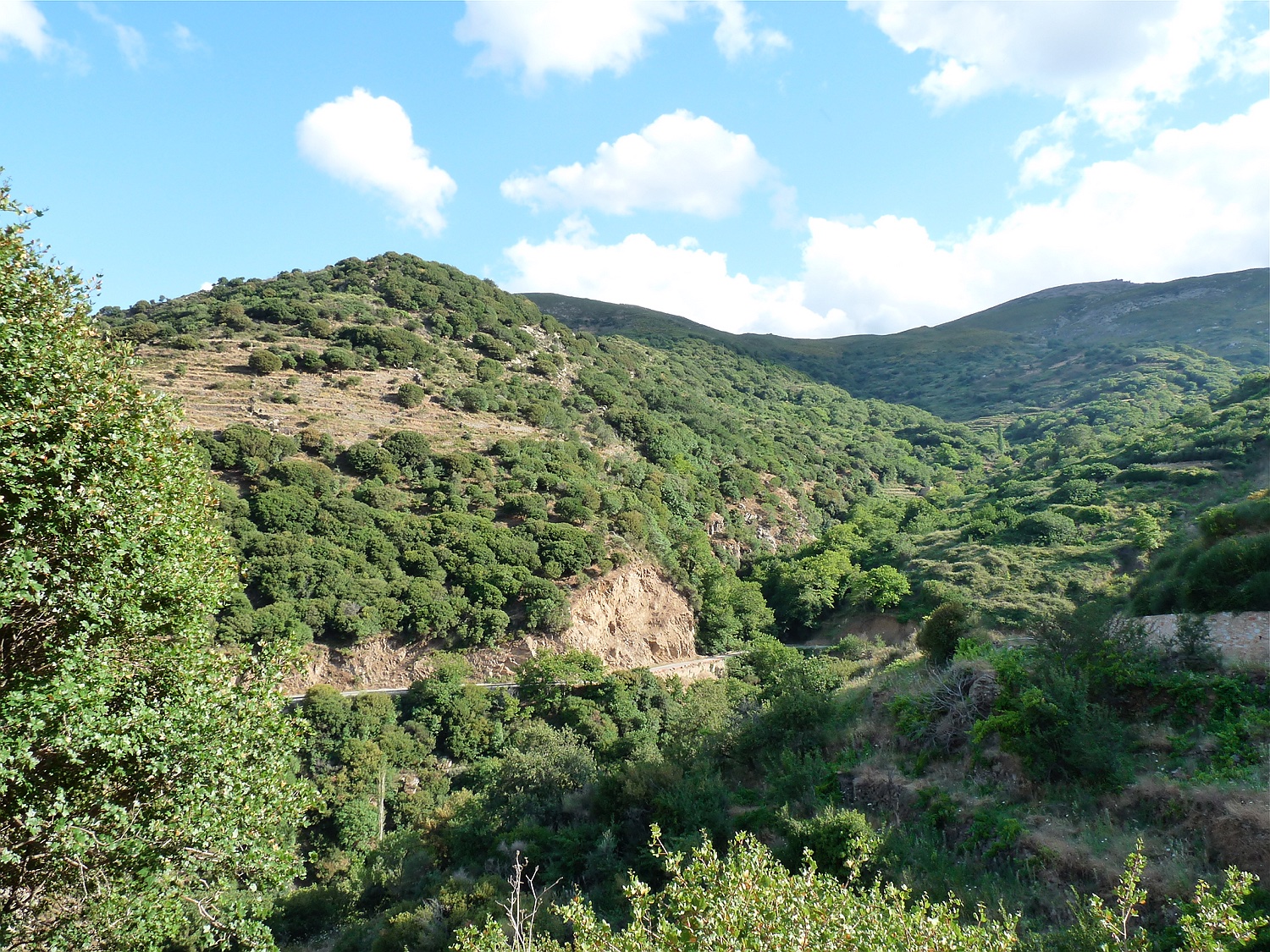
In the wooded high valleys, the ubiquitous species such as finches, great tits, cirl buntings and warblers are joined by blackbirds, nightingales and Cetti’s warblers as breeding birds.

In Tragaía, with its olive groves, the Spotted flycatcher, which is very rare in the Aegean, breeds in small numbers. Typical species of the olive groves, apart from small birds, are Little owls and Scops owls. Barn owls breed here and there in old buildings. In the villages, the Collared dove, which used to be absent from Naxos, is common.
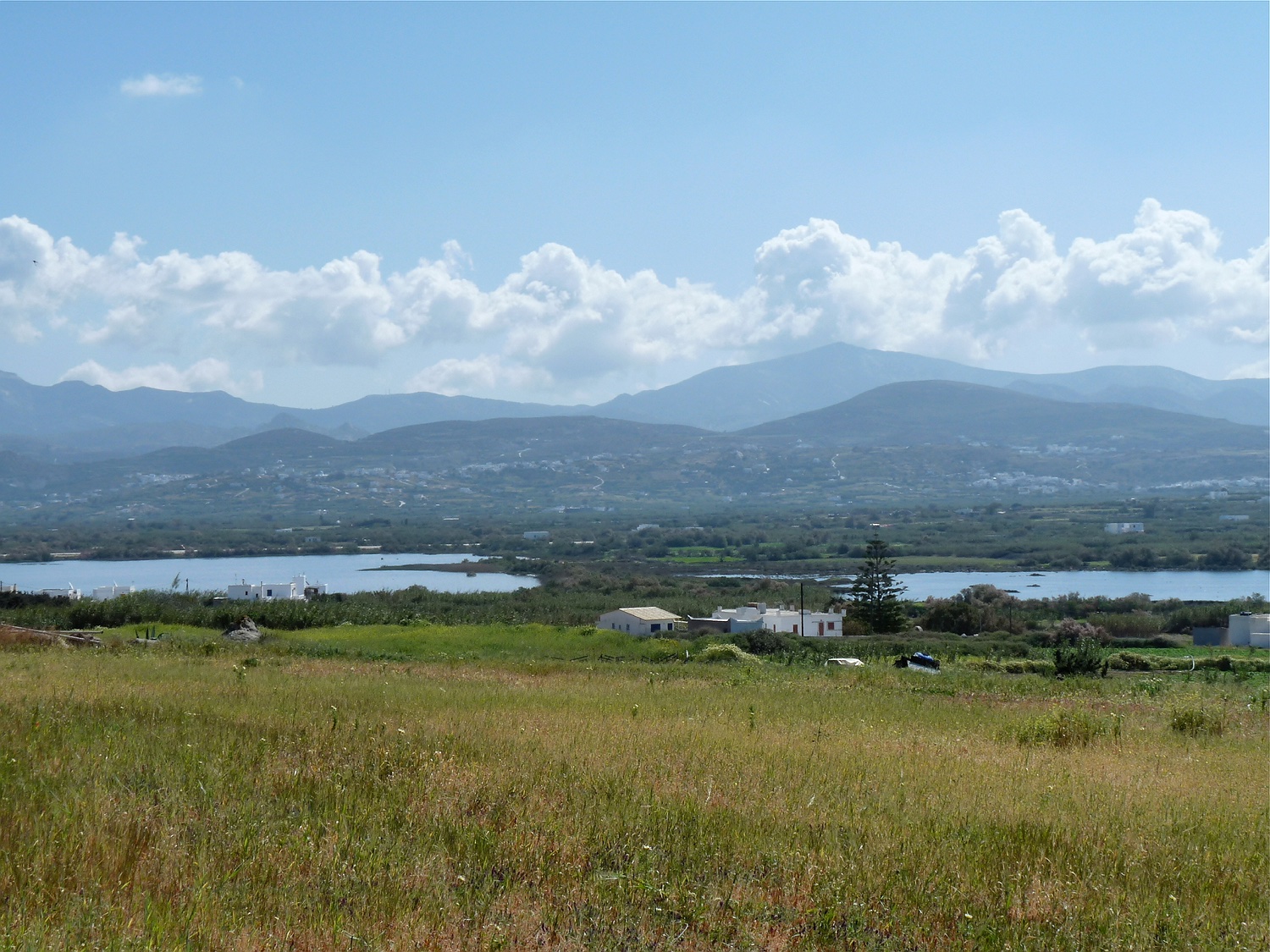
Little grebes, moorhens, coots, Water rails, Black-winged stilts, Stone curlews, Little ringed plovers and Kentish plovers breed at the lagoon near the airport, some birds may breed only irregularly or have vanished by now due to destruction of the habitat and disturbances. The Peregrine falcon can be observed regularly. During the migration season and in winter, all kinds of waders, herons and, to a lesser extent, ducks, terns and gulls can be found here.
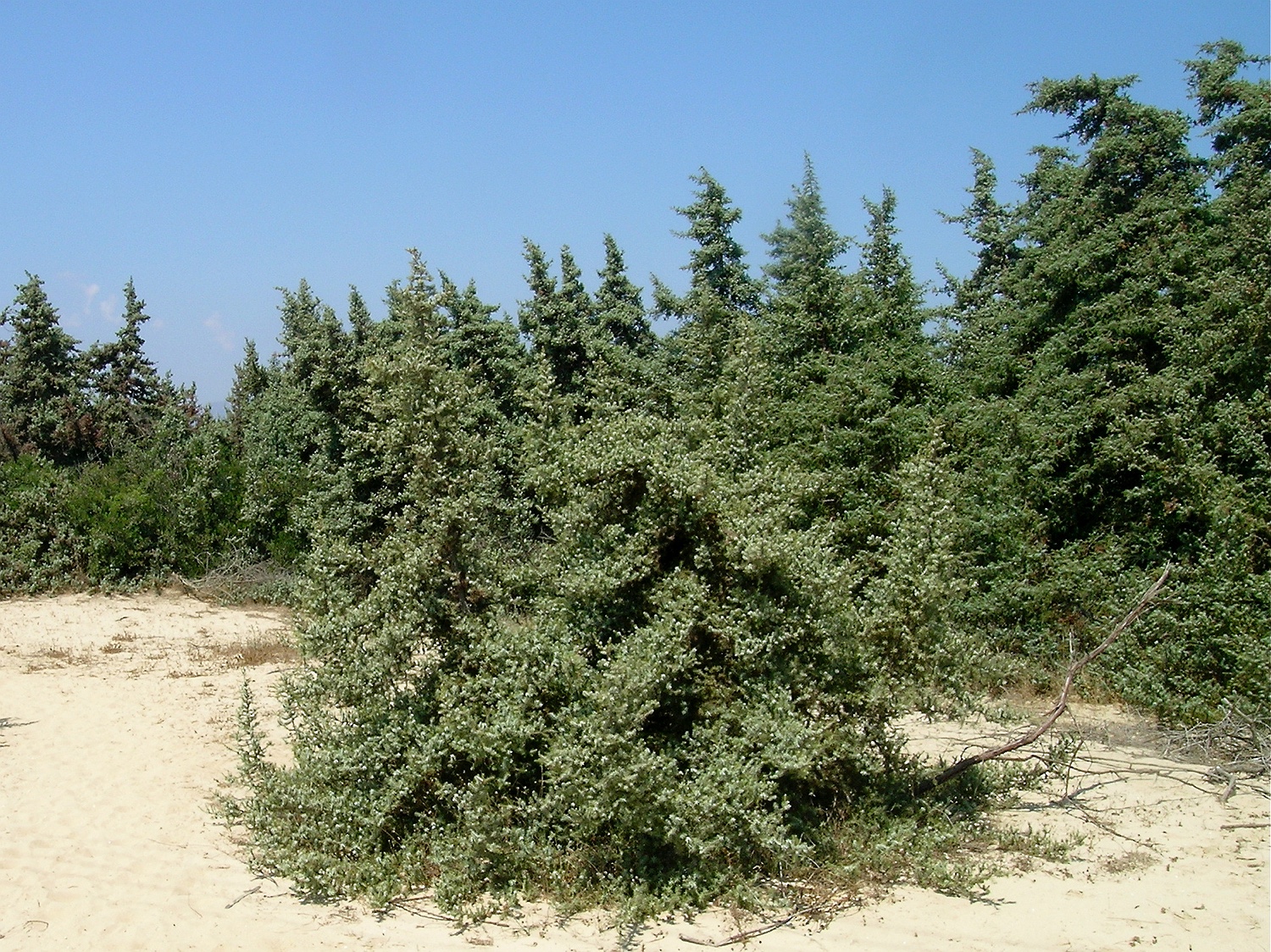
During the migration season and in winter, many small birds such as thrushes, finches, warblers and leaf warblers can be observed in the stands of large-fruited juniper (Juniperus macrocarpa) on the dunes of the south-west coast.
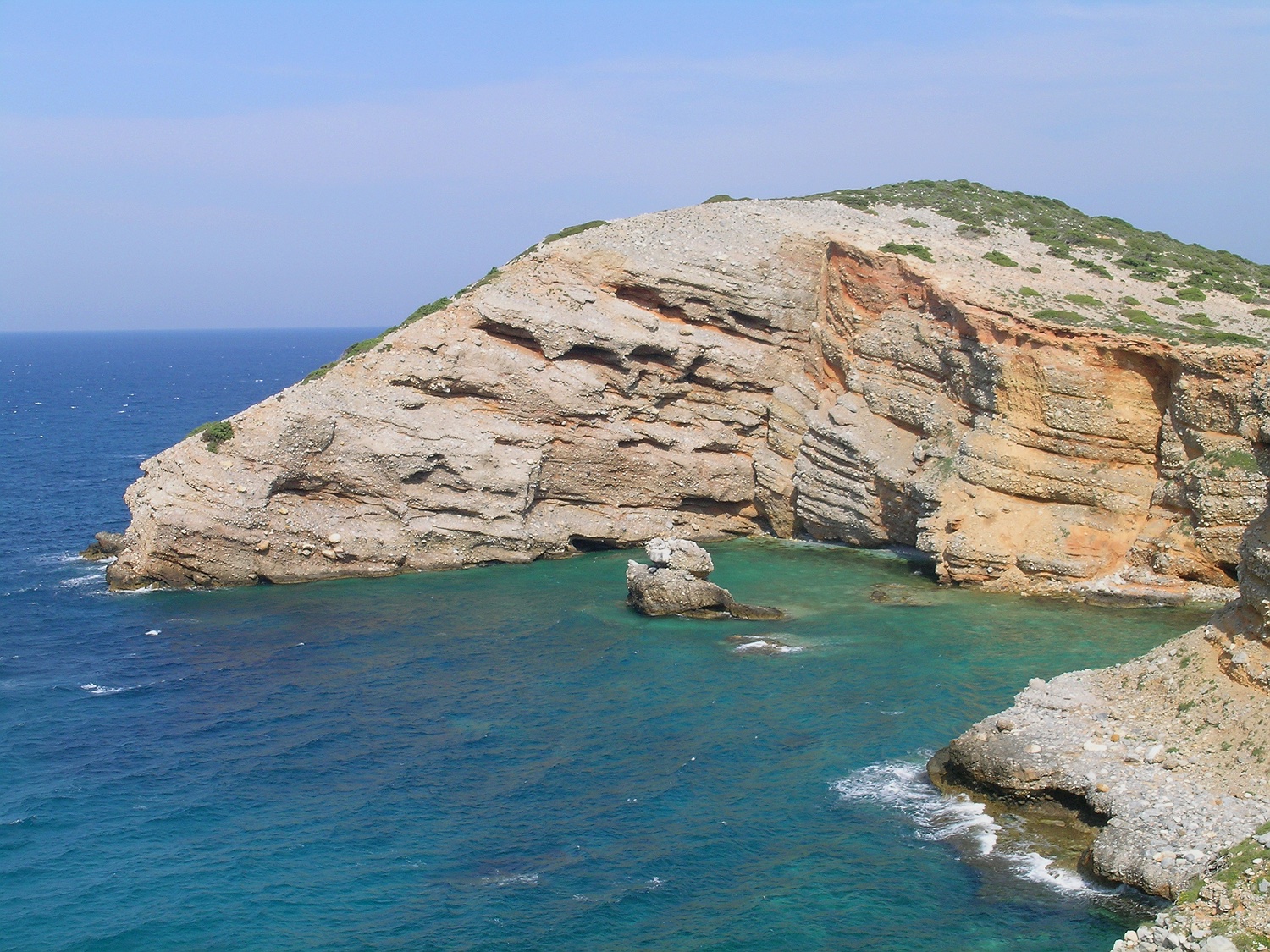
The rocky coasts are home to Peregrine falcons, Alpine and Common swifts, Rock pigeons and European shags; Yellow-legged gulls, Yelkouan shearwaters and, more rarely, Audouin’s gulls can also be observed. The White wagtail is another bird that is typical for the coastal areas.
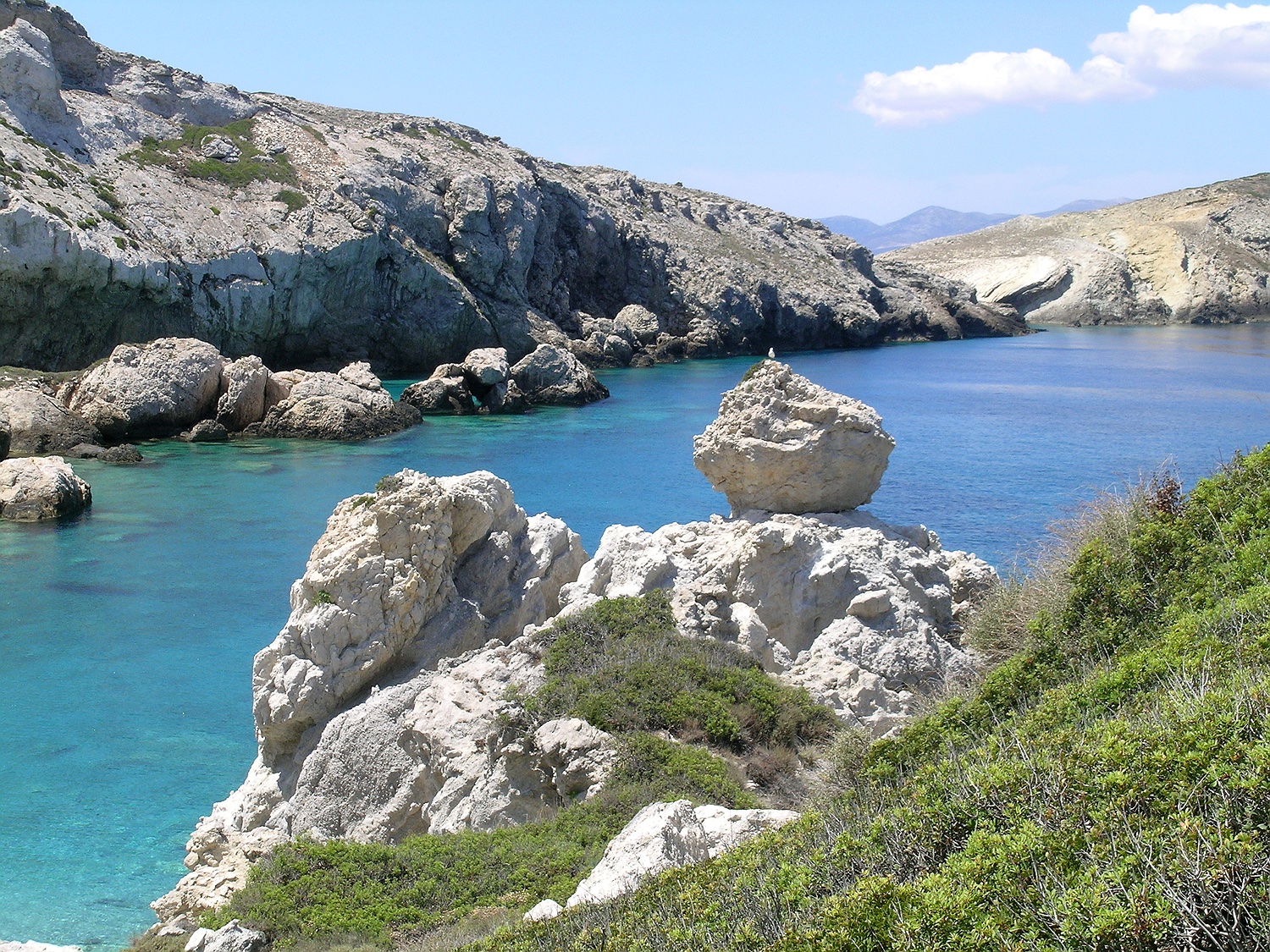
The uninhabited Mákares-Islands off the coast are home to breeding populations of Yellow-legged gulls, Yelkouan and Scopoli’s shearwaters, European shags and Eleonora’s falcons, as well as the rare species Bonelli’s eagle and European storm petrel.
see also:
- Photo gallery of the breeding birds of Naxos
- Photo gallery of migrants and winter guests
- 8. Mai 2011: Bird race auf Naxos (only in German)
- Eleonora’s falcon
- Griffon vulture
- The lagoon of Naxos (only in German)
- To the crag martins (only in German)
- A visit to the shearwaters on the Makares islands
- European storm petrels on the Makares islands
continue: Bats
back: The Fauna of Naxos
further reading: Hellenic Ornithological Society
Comments are closed.