Azalas
Azalas
Azalas

Herzlich Willkommen in Azalas!
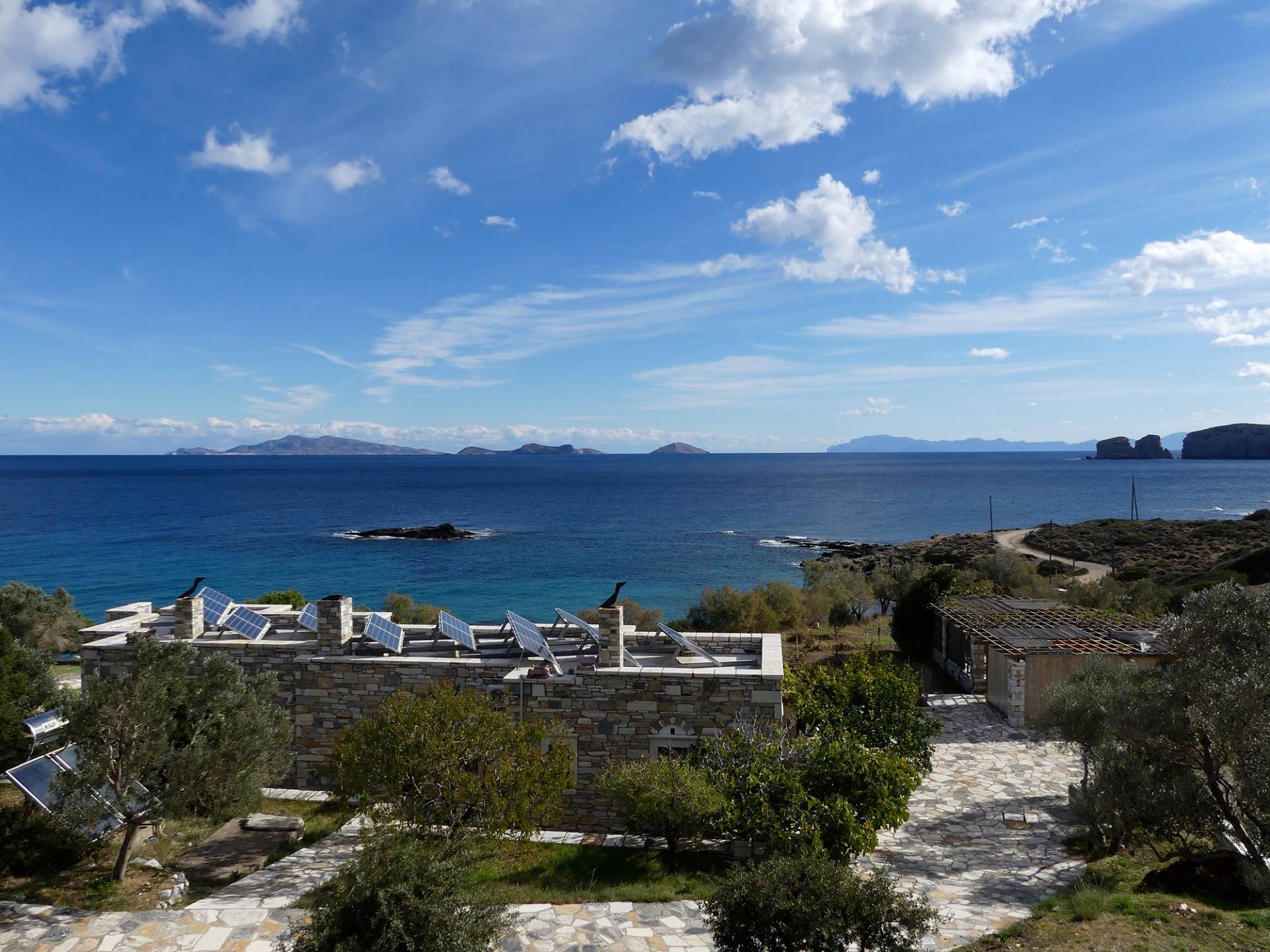
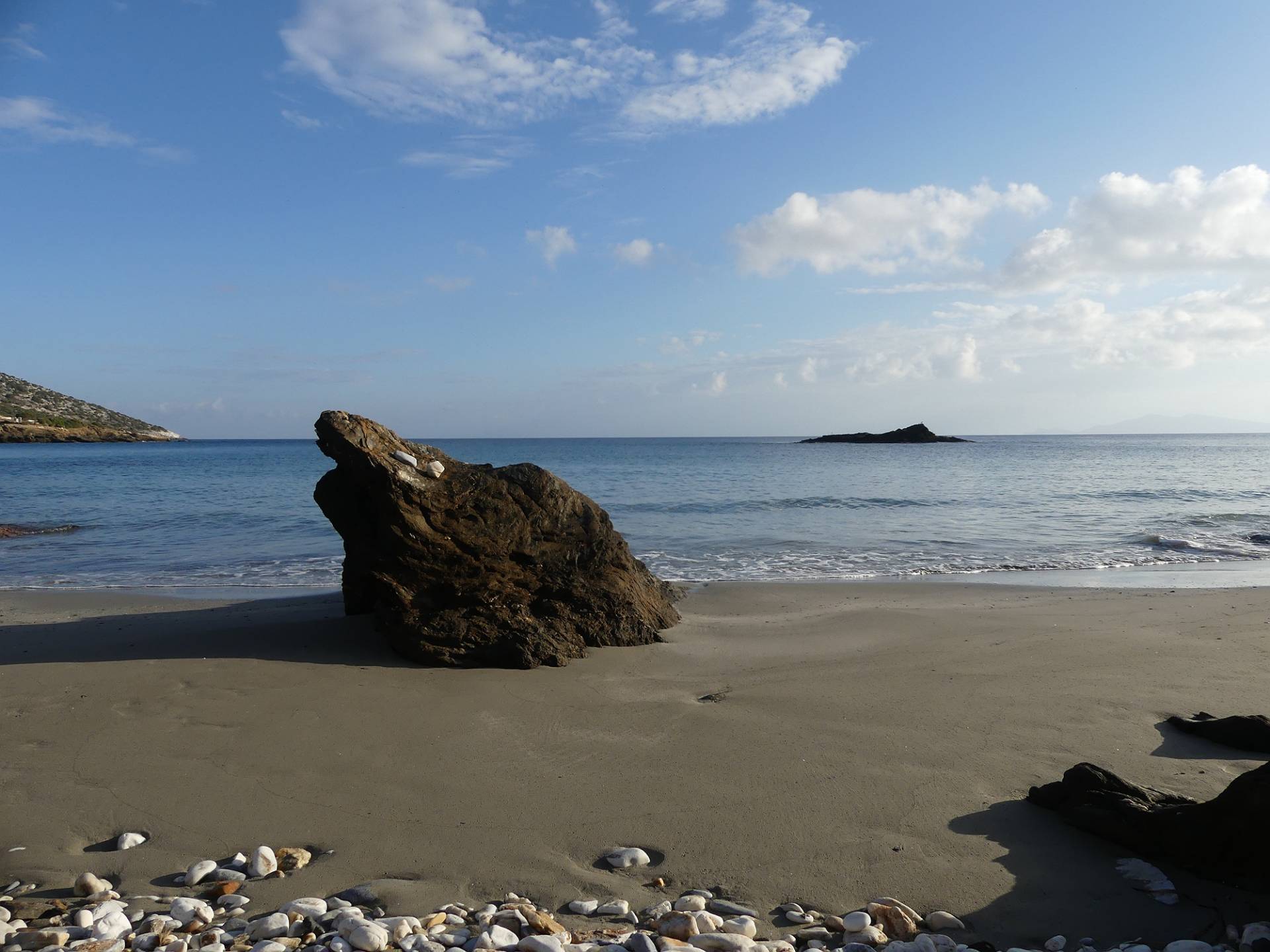
In einer der schönsten Ecken von Naxos vermieten wir vier im traditionellen Stil aus Naturstein errichtete Ferienhäuser unmittelbar am Ägäischen Meer, mit einem idyllischen kleinen Sandstrand in direkter Nähe.
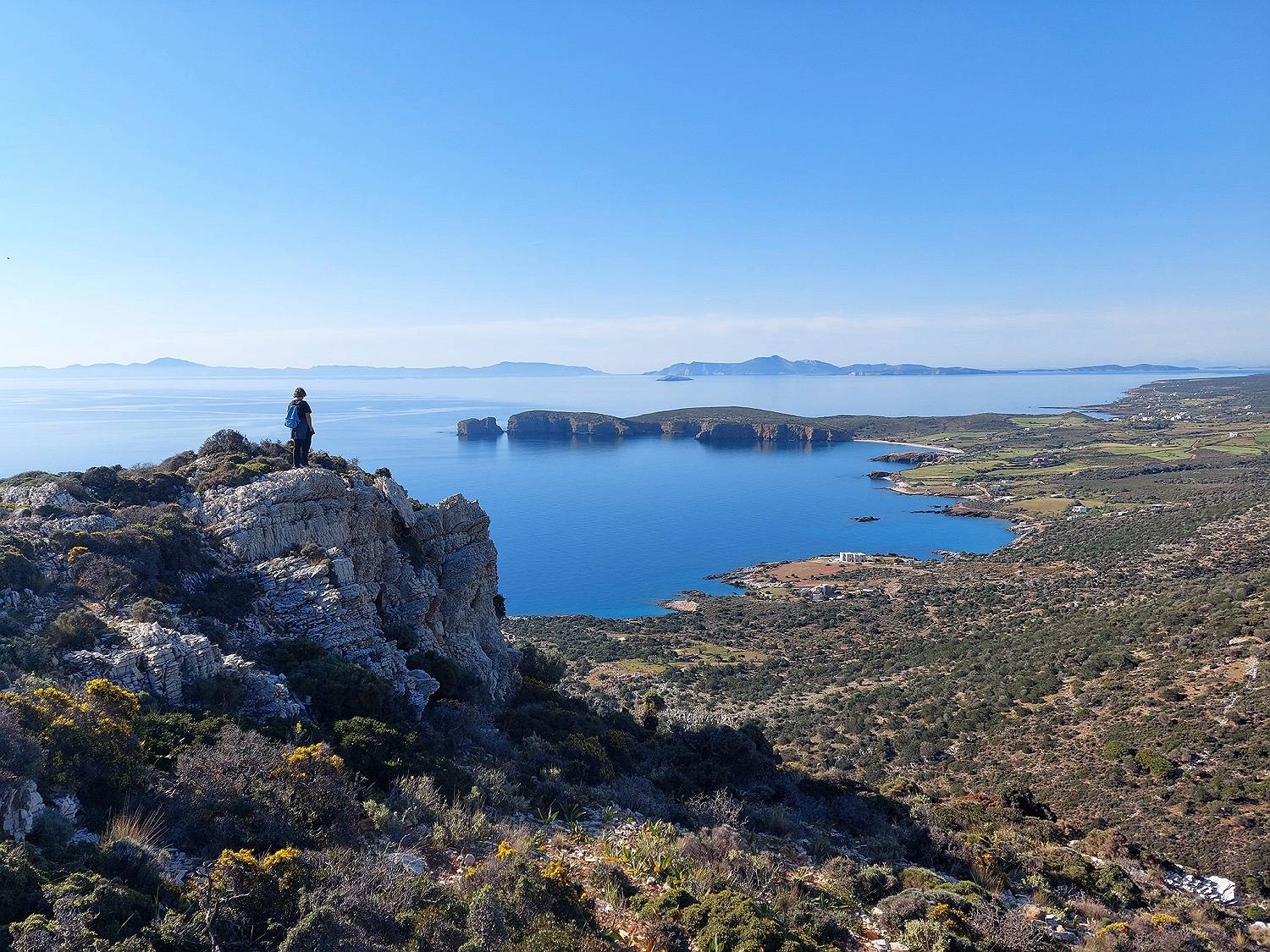
Die Anlage befindet sich in der kleinen Siedlung Agios Dimitris an der wenig besiedelten Ostküste von Naxos, drei Kilometer nördlich des gemütlichen Hafenörtchens Moutsouna.
Unsere Ferienhäuser, je für 2 bis 4 Personen, sind auf traditionelle Art aus Naturstein gebaut und liebevoll eingerichtet mit handgewebten Vorhängen und viel Marmor und Holz. Für die heißen Sommertage sind sie mit Klimaanlagen ausgestattet; im Winter kann man sie mit einem Kamin beheizen. Jedes Haus besitzt eine eigene Terrasse mit Blick auf die Ägäis.
Die Ferienhäuser liegen auf einem 7.000 qm großen Grundstück mit Gemüsegärten, Weinstöcken und Oliven- und Obstbäumen. Ein idyllischer kleiner Sandstrand direkt vor dem Grundstück lädt zum Baden ein.
… hier kann man wirklich zur Ruhe finden und einfach genießen…
Die Insel Naxos mit ihrer abwechslungsreichen Landschaft bietet viele Möglichkeiten für Unternehmungen: Man kann den höchsten Berg der Kykladen besteigen, durch malerische Täler mit Terrassen, Weinbergen und Ölbaumhainen wandern, einsame Felsküsten mit versteckten Buchten besuchen oder die kleinen, verzauberten Flüsse und Quellen der Insel erkunden.
Im Frühjahr grünt und blüht die ganze Insel. Berge und Täler bieten Lebensraum für viele interessante Vögel, Insekten und Reptilien. Auch an der Meeresküste und im flachen Wasser gibt es immer etwas zu entdecken!
Naxos hat eine lange Geschichte – von der Steinzeit an haben die verschiedenen Bewohner der Insel Spuren und Zeugnisse hinterlassen, denen man noch heute in allen Ecken der Insel begegnen kann.
Als größte Insel der Kykladen spielte Naxos während vieler Epochen eine wichtige Rolle: so zur Zeit der Kykladenkultur im 3. Jahrtausend v. Chr., die für ihre bemerkenswerten Marmoridole bekannt ist, während der Archaischen Epoche, als die großen Tempel der Insel errichtet wurden, und im späten Mittelalter, als Naxos Sitz des venezianischen Herzogtums der Ägäis war.
Naxos besitzt als größte und wasserreichste Insel der Kykladen eine sehr artenreiche Flora: Mehr als 1000 Pflanzenarten sind auf der Insel nachgewiesen worden. Von diesen stellen wir über 700 auf unserer Webseite vor, mit vielen informativen Fotos und zahlreichen Details zur Bestimmung und zur Verbreitung sowie mit Wissenswertem über die Arten.
Für botanisch Interessierte bieten wir (besonders im Frühjahr) Exkursionen und Führungen an, entweder in der direkten Umgebung der Ferienhäuser oder als Ausflug in die Berge, an einen der kleinen Flüsse oder durch die alte Kulturlandschaft.
Unter der Kategorie „Aktuelles“ finden sich Nachrichten von den Ferienhäusern Azalas sowie Interessantes, Wissenswertes und Neues aus Naxos.
Außerdem veröffentliche ich hier zum Beispiel Fotos von Pflanzen- oder Tierarten, die ich das erste Mal gefunden habe, von einer Sehenswürdigkeit, die wir besucht haben, oder von einer schönen Wanderung.
Manchmal teile ich auch einfach einen besonderen Moment mit den Lesern – einen schönen Sonnenaufgang, Fotos vom Schnee in den Bergen oder von einem starken Regenfall.
Die Insel Naxos mit ihrer abwechslungsreichen Landschaft bietet viele Möglichkeiten für Unternehmungen: Man kann den höchsten Berg der Kykladen besteigen, durch malerische Täler mit Terrassen, Weinbergen und Ölbaumhainen wandern, einsame Felsküsten mit versteckten Buchten besuchen oder die kleinen, verzauberten Flüsse und Quellen der Insel erkunden.
Naxos hat eine lange Geschichte – von der Steinzeit an haben die verschiedenen Bewohner der Insel Spuren und Zeugnisse hinterlassen, denen man noch heute in allen Ecken der Insel begegnen kann.
Naxos besitzt als größte und wasserreichste Insel der Kykladen eine sehr artenreiche Flora: Mehr als 1000 Pflanzenarten sind auf der Insel nachgewiesen worden. Von diesen stellen wir über 700 auf unserer Webseite vor, mit vielen informativen Fotos und zahlreichen Details zur Bestimmung und zur Verbreitung sowie mit Wissenswertem über die Arten.
Unter der Kategorie „Aktuelles“ finden sich Nachrichten von den Ferienhäusern Azalas sowie Interessantes, Wissenswertes und Neues aus Naxos.
Die Insel Naxos mit ihrer abwechslungsreichen Landschaft bietet viele Möglichkeiten für Unternehmungen: Man kann den höchsten Berg der Kykladen besteigen, durch malerische Täler mit Terrassen, Weinbergen und Ölbaumhainen wandern, einsame Felsküsten mit versteckten Buchten besuchen oder die kleinen, verzauberten Flüsse und Quellen der Insel erkunden.
Im Frühjahr grünt und blüht die ganze Insel. Berge und Täler bieten Lebensraum für viele interessante Vögel, Insekten und Reptilien. Auch an der Meeresküste und im flachen Wasser gibt es immer etwas zu entdecken!
Naxos hat eine lange Geschichte – von der Steinzeit an haben die verschiedenen Bewohner der Insel Spuren und Zeugnisse hinterlassen, denen man noch heute in allen Ecken der Insel begegnen kann.
Als größte Insel der Kykladen spielte Naxos während vieler Epochen eine wichtige Rolle: so zur Zeit der Kykladenkultur im 3. Jahrtausend v. Chr., die für ihre bemerkenswerten Marmoridole bekannt ist, während der Archaischen Epoche, als die großen Tempel der Insel errichtet wurden, und im späten Mittelalter, als Naxos Sitz des venezianischen Herzogtums der Ägäis war.
Naxos besitzt als größte und wasserreichste Insel der Kykladen eine sehr artenreiche Flora: Mehr als 1000 Pflanzenarten sind auf der Insel nachgewiesen worden. Von diesen stellen wir über 700 auf unserer Webseite vor, mit vielen informativen Fotos und zahlreichen Details zur Bestimmung und zur Verbreitung sowie mit Wissenswertem über die Arten.
Für botanisch Interessierte bieten wir (besonders im Frühjahr) Exkursionen und Führungen an, entweder in der direkten Umgebung der Ferienhäuser oder als Ausflug in die Berge, an einen der kleinen Flüsse oder durch die alte Kulturlandschaft.
Unter der Kategorie „Aktuelles“ finden sich Nachrichten von den Ferienhäusern Azalas sowie Interessantes, Wissenswertes und Neues aus Naxos.
Außerdem veröffentliche ich hier zum Beispiel Fotos von Pflanzen- oder Tierarten, die ich das erste Mal gefunden habe, von einer Sehenswürdigkeit, die wir besucht haben, oder von einer schönen Wanderung.
Manchmal teile ich auch einfach einen besonderen Moment mit den Lesern – einen schönen Sonnenaufgang, Fotos vom Schnee in den Bergen oder von einem starken Regenfall.


